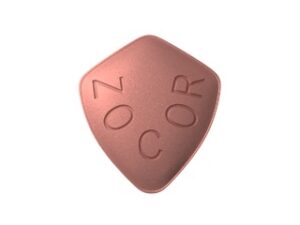
Simvastatin (for cholesterol control)
Simvastatin is a medicine used to lower cholesterol levels in the blood and to reduce the risk of heart and blood vessel problems for people at increased cardiovascular risk. It belongs to a group of medicines called statins. In the UK, simvastatin is widely used and is available in different strengths, usually as tablets.
This guide explains how simvastatin works, how it is taken, what to expect, and important safety information—written in a patient-friendly way for readers in the United Kingdom.
Basic product information
| Category | Details |
|---|---|
| Medicine | Simvastatin |
| Class | Statin (HMG-CoA reductase inhibitor) |
| Common form | Oral tablets |
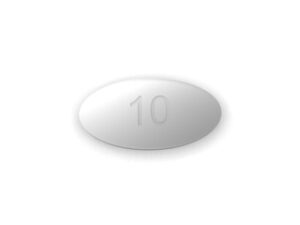
| Typical strengths | Varies (e.g., 10 mg, 20 mg, 40 mg; strength depends on product) |
| Main purpose | Lower LDL (“bad”) cholesterol, help reduce cardiovascular risk |
| Who may use it | Adults with high cholesterol and/or increased cardiovascular risk |
How simvastatin works (mechanism of action)
Simvastatin reduces the production of cholesterol in the liver. It works by inhibiting the enzyme HMG-CoA reductase, which is required for the body to make cholesterol.
As a result:
- LDL cholesterol decreases (because the liver makes less cholesterol and also removes more LDL from the blood).
- Triglycerides often decrease.
- HDL (“good”) cholesterol may increase slightly.
By improving cholesterol levels, simvastatin helps reduce the risk of heart attacks, strokes, and other cardiovascular events, especially in people with existing cardiovascular disease or high risk factors.
What the medicine does in the body (pharmacokinetics)
Pharmacokinetics describes how a medicine is absorbed, distributed, metabolised, and removed from the body.
- Absorption: Simvastatin is absorbed from the gut and then processed by the liver. The effect is influenced by first-pass metabolism (metabolism in the liver before much enters the bloodstream).
- Activation: Simvastatin is a prodrug. It is converted in the body to its active form.
- Metabolism: Simvastatin is primarily metabolised by the enzyme CYP3A4. This is why some medicines (and some foods) can significantly affect simvastatin levels.
- Elimination: Metabolites are mainly eliminated through bile and the faeces. A smaller amount is excreted via urine.
- Half-life: The active and related metabolites have different half-lives; overall, the cholesterol-lowering effect lasts beyond the immediate presence of the drug.
Why this matters: Changes in CYP3A4 activity (for example from certain medicines) can increase simvastatin exposure and raise the risk of muscle-related side effects.
Typical uses in the UK
Simvastatin is used to treat and prevent complications linked with abnormal cholesterol levels and cardiovascular risk. Common indications include:
- Primary hypercholesterolaemia (high LDL cholesterol), usually as part of a broader plan including diet and lifestyle measures.
- Mixed dyslipidaemia (elevated LDL and triglycerides).
- Prevention of cardiovascular events in people with established cardiovascular disease or at high risk, as advised by clinical assessment.
- Familial hypercholesterolaemia in selected patients (specialist management and monitoring are important).
Your treatment plan may include changes to diet, exercise, weight management, smoking cessation, and control of blood pressure and diabetes.
When to take simvastatin (timing)
Simvastatin is often taken in the evening. This is because the body’s cholesterol production tends to be higher at night.
- Common advice: Take your dose once daily in the evening, ideally around the same time each day.
- Consistency: Keeping a regular schedule helps maintain steady cholesterol-lowering effects.
- If you forget: If you remember the same day, take it as soon as possible. If it’s close to the time of the next dose, skip the missed dose and take the next one at the usual time. Do not take a double dose to make up for a missed tablet.
Food and simvastatin interactions
Grapefruit (and grapefruit juice) is strongly discouraged with simvastatin. Grapefruit can inhibit CYP3A4 in the gut and raise simvastatin levels.
Practical guidance:
- Avoid grapefruit and grapefruit juice.
- Be cautious with other products that may affect CYP3A4 (for example, certain “herbal” or “natural” supplements). If you are unsure, check with a pharmacist.
For most people, there are no strict food restrictions. However, taking the tablet at the same time each day is helpful for adherence.
Alcohol and simvastatin interactions
Moderate alcohol intake may be possible for some people, but caution is sensible. The main concern is that heavy alcohol use can affect the liver, and simvastatin can also rarely cause liver enzyme elevations.
- Limit alcohol where possible, especially if you have a history of liver problems.
- Avoid binge drinking.
- If you notice symptoms such as unexplained fatigue, loss of appetite, upper stomach pain, dark urine, or yellowing of the skin/eyes, seek medical advice promptly.
Tip: If you drink regularly or have had liver issues in the past, discuss with a clinician or pharmacist before starting or continuing simvastatin.
Medicine interactions (important safety notes)
Simvastatin can interact with other medicines, potentially increasing the risk of side effects—particularly muscle pain or weakness (myopathy/rhabdomyolysis) and liver-related effects.
Key interaction risk: CYP3A4 inhibitors
Because simvastatin is metabolised by CYP3A4, medicines that inhibit CYP3A4 can increase simvastatin levels.
Common categories to avoid or use with extra caution include:
- Macrolide antibiotics (e.g., clarithromycin, erythromycin)
- Azole antifungals (e.g., ketoconazole, itraconazole)
- HIV protease inhibitors and some antiviral regimens
- Some immunosuppressants (e.g., ciclosporin)
- Some calcium channel blockers (particularly those that raise simvastatin exposure, depending on type and dose)
Do not start or stop interacting medicines without professional advice.
Other interaction considerations
- Fibrates (e.g., gemfibrozil): may increase muscle-related risk when used with statins.
- Niacin (vitamin B3): can increase muscle side effect risk at lipid-lowering doses.
- Warfarin and other vitamin K antagonists: statins can affect bleeding risk in some situations; monitoring (e.g., INR) may be needed.
- Digoxin: statin use can increase digoxin levels in certain cases—monitoring may be required.
- Other lipid-lowering medicines: combinations may be used in carefully selected cases with appropriate monitoring.
Always tell a healthcare professional about all medicines and supplements you take, including:
- Herbal remedies and “natural” products
- Over-the-counter painkillers and cold/flu products
- Vitamins or high-dose supplements
Dosing: how much and how often
Dosing of simvastatin varies based on cholesterol levels, cardiovascular risk, other medications, and individual response.
Typical approach:
- Often started at a lower dose and increased gradually if needed.
- Dose adjustments are made based on cholesterol test results and tolerability (including any muscle symptoms).
- Clinicians may use monitoring blood tests, especially when changing dose or adding interacting medications.
Important: Follow the dose and instructions provided with your specific product. If you are uncertain, ask a pharmacist for guidance.
General dosing reminders (UK practice):
- Simvastatin is commonly taken .
- Maximum doses may be limited in some situations, especially when used with certain interacting medicines.
- Some people may require dose limits to reduce muscle side effect risk.
Safety profile and side effects
Like all medicines, simvastatin can cause side effects. Many people have no problems, but it’s important to know what to watch for.
Common side effects
- Headache
- Nausea, stomach discomfort, constipation or diarrhoea
- Muscle aches or mild muscle pain (sometimes without significant blood test changes)
Serious but uncommon risks
- Muscle injury (myopathy/rhabdomyolysis): Symptoms include muscle pain, tenderness, weakness, or cramps — especially if accompanied by fever or feeling very unwell. In severe cases, urine may become dark. Seek urgent medical attention if these occur.
- Liver problems: Rare. Symptoms can include unusual tiredness, loss of appetite, upper abdominal pain, dark urine, or yellow skin/eyes.
- Allergic reactions: e.g., swelling of the face, lips, or throat; difficulty breathing; widespread rash.
Who needs extra caution?
Talk to a clinician or pharmacist if you have:
- A history of muscle problems with statins
- Liver disease or persistently abnormal liver blood tests
- Kidney problems
- Hypothyroidism (underactive thyroid) that is not well controlled
- A tendency to interact with many medicines (polypharmacy)
Practical tips for using simvastatin
These tips can improve safety and effectiveness:
- Keep lifestyle changes going: Statins work best alongside diet, exercise, and stopping smoking.
- Know your “red flags”: Contact a healthcare professional promptly if you develop unexplained muscle pain/weakness, dark urine, or symptoms suggestive of liver problems.
- Do not stop suddenly: If you think you’re having side effects, seek advice before stopping. Your clinician may adjust dose or switch therapy.
- Use a pill organiser: Helps prevent missed doses.
- Check for interactions before starting new products: Include prescription medicines, pharmacy medicines, and supplements.
- Attend follow-up blood tests: Cholesterol monitoring helps confirm the medicine is working. Liver and other tests may be done as recommended.
Staying consistent matters: Even when you feel well, continue taking simvastatin regularly to help reduce long-term cardiovascular risk.
Recent guidance and UK context
In the UK, cholesterol and cardiovascular risk management is guided by national recommendations and evidence from large clinical trials. The general direction of modern guidance is:
- Assess cardiovascular risk (including personal history of heart disease, stroke, diabetes, smoking, and cholesterol levels).
- Use statins as first-line lipid-lowering therapy for many people needing LDL reduction.
- Match treatment intensity to risk level and treatment response.
- Monitor safety and address side effects promptly, including evaluating potential drug interactions.
Guidance also emphasises safe prescribing practices, particularly when combining lipid-lowering medicines or when interacting medicines are used.
Delivery and availability in the United Kingdom
Simvastatin is an established medicine in the UK market. Availability may vary by strength and manufacturer. Many online pharmacies offer:
- Home delivery across the UK (subject to local regulations and courier service coverage).
- Dispatch times that depend on stock availability and order processing schedules.
- Product authenticity checks and secure packaging to help protect tablets.
Note: Availability can depend on prescriber and pharmacy supply practices, and on the specific product strength and pack size.
If you’re buying online, always verify:
- Strength (mg) and pack size
- Manufacturer or product name
- Any storage instructions on the packaging
Alternative options to simvastatin
If simvastatin is not suitable due to side effects, interactions, or insufficient cholesterol lowering, there are alternative treatments. Your clinician may consider:
Other statins
- Atorvastatin
- Rosuvastatin
- Pravastatin
Non-statin lipid-lowering medicines
- Ezetimibe (reduces cholesterol absorption)
- Bempedoic acid (in selected patients)
- PCSK9 inhibitors (in specific high-risk or familial situations, often specialist-led)
- Fibrates and omega-3 fatty acids (primarily when triglycerides are a key issue)
The best alternative depends on your cholesterol pattern, cardiovascular risk, and how you respond to treatment.
Indications summary (when simvastatin is used)
Simvastatin may be used for:
- Lowering LDL cholesterol in people with hypercholesterolaemia
- Improving lipid profile in mixed dyslipidaemia
- Preventing cardiovascular events in those at higher risk
- Managing certain familial cholesterol conditions under specialist oversight
Alcohol and practical lifestyle advice
While simvastatin is not always directly affected by small amounts of alcohol, a heart-healthy lifestyle still matters:
- Choose moderate alcohol intake and avoid heavy drinking.
- Prioritise a balanced diet (e.g., vegetables, whole grains, fish, and reduced saturated fats).
- Aim for regular physical activity appropriate for your health status.
- If you smoke, consider quitting—this significantly reduces cardiovascular risk.
FAQ about simvastatin
1) How long does it take for simvastatin to work?
Cholesterol levels can begin to improve within a few weeks. Many clinicians check response with blood tests after an initial period, then adjust treatment if needed. If you do not see expected improvement, discuss adherence and possible interactions.
2) Can I take simvastatin with other medicines?
Some medicines can interact with simvastatin, especially those that affect CYP3A4. Always check with a pharmacist if you are starting, stopping, or changing any other medicine—prescription, pharmacy, and supplements.
3) Why should I avoid grapefruit?
Grapefruit can raise simvastatin levels by affecting CYP3A4. Higher levels increase the risk of muscle-related side effects.
4) What should I do if I miss a dose?
Take it when you remember if it is the same day. If it’s nearly time for the next dose, skip the missed dose and return to your regular schedule. Do not take double the dose.
5) What muscle symptoms require urgent attention?
Seek urgent medical help if you have severe or persistent muscle pain or weakness, especially with fever, feeling very unwell, or dark urine. These could indicate rare muscle injury.
6) Will simvastatin affect my liver?
Most people do not experience significant liver problems, but statins can rarely cause liver enzyme increases. Doctors may monitor liver blood tests when appropriate. Stop and seek medical advice if you develop symptoms suggesting liver issues.
7) Can I drink alcohol while taking simvastatin?
Moderate alcohol may be acceptable for some people, but heavy or frequent drinking increases the risk of liver problems. If you have liver disease or drink heavily, get tailored advice from a healthcare professional.
8) Is simvastatin safe for everyone?
Not everyone is suitable. People with certain medical conditions (e.g., active liver disease, specific muscle disorders) or those taking interacting medications may need a different medicine or dose. A clinician or pharmacist can assess suitability.
9) What if I get side effects?
Mild effects can sometimes settle, but new or severe symptoms should be assessed. Contact a healthcare professional if muscle pain/weakness occurs, if you feel unwell, or if you have signs of liver problems.
10) Are statins always necessary if cholesterol improves?
Cholesterol levels often require ongoing treatment for long-term risk reduction. Stopping statins can lead to cholesterol levels rising again. Discuss any concerns before changing treatment.
Key takeaways
- Simvastatin lowers cholesterol by blocking an enzyme involved in cholesterol production.
- It is commonly taken once daily in the evening.
- Avoid grapefruit to reduce interaction risk.
- Be careful with interacting medicines—particularly those that inhibit CYP3A4.
- Report muscle pain/weakness or liver-related symptoms promptly.
- Simvastatin is used to help treat cholesterol problems and reduce long-term cardiovascular risk.
If you have questions about whether simvastatin is right for you, or you want help checking potential interactions with your current medicines, speak to a pharmacist. They can provide patient-specific advice and help you use your treatment safely.