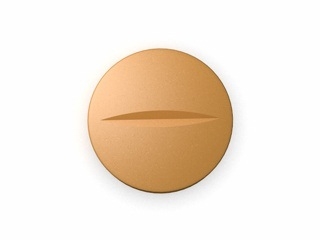


Azulfidine (Sulfasalazine) — Patient Information
Azulfidine contains sulfasalazine, a medicine used to treat certain inflammatory conditions, especially in the bowel and joints. This guide explains how it works, how to take it safely, what to expect, and practical tips for daily use in the United Kingdom.
Please read this information alongside any advice given by your healthcare professional and the medicine’s leaflet. Individual circumstances vary.
Basic product information
| Item | Details |
|---|---|
| Medicine name | Azulfidine (Sulfasalazine) |
| Active ingredient | Sulfasalazine |
| What it is used for | Inflammatory bowel disease (e.g., ulcerative colitis) and certain inflammatory joint conditions (e.g., rheumatoid arthritis, psoriatic arthritis, and ankylosing spondylitis depending on local guidance) |
| Common formulation | Tablets (often immediate-release in the UK; other branded forms may exist) |
| How it works | Reduces inflammation through breakdown in the gut and effects on immune activity |
What is sulfasalazine and how does it work?
Sulfasalazine is a “prodrug” that is broken down in the gastrointestinal tract. After you swallow a tablet, the medicine travels to the intestines where bacteria split it into:
- 5-aminosalicylic acid (5-ASA) (also known as mesalazine),
- sulfapyridine,
The anti-inflammatory effect is thought to result from several actions, including:
- Reducing inflammation in the bowel by effects on the gut lining and local chemical mediators.
- Modulating immune activity that contributes to joint and bowel inflammation.
- Interference with inflammatory signalling pathways involved in chronic disease.
Many people notice a gradual improvement. In conditions like ulcerative colitis or some inflammatory arthritides, benefit may take days to weeks, depending on dose and individual response.
Pharmacokinetics (how the body handles it)
Understanding pharmacokinetics can help explain why timing and adherence matter. While exact measures vary between people, the general pattern is:
- Absorption: Sulfasalazine itself is only partly absorbed in the upper gastrointestinal tract.
- Intestinal breakdown: Most of the drug’s key metabolites are produced in the colon by bacterial enzymes.
- Metabolites: 5-ASA acts mainly locally in the gut; sulfapyridine is absorbed more widely and is cleared more slowly.
- Elimination: Clearance occurs via metabolism and excretion, including through the kidneys.
- Onset of effect: Because breakdown occurs in the gut and inflammation must settle, effects can be gradual.
Some people also experience changes in urine or body fluids (for example, yellow-orange urine) due to metabolite excretion—usually harmless, but you should report unusual symptoms promptly.
Typical uses in the UK
Sulfasalazine is used for inflammatory conditions where reducing immune-driven inflammation is beneficial. The exact choice of therapy depends on your diagnosis, disease severity, past treatments, and guideline-based care.
Common indications
- Ulcerative colitis (inflammatory bowel disease) for improving symptoms and helping to maintain remission in some patients.
- Rheumatoid arthritis—used as a disease-modifying medicine in selected patients, often as part of combination therapy. (Local practice may vary depending on other preferred DMARDs and patient factors.)
- Other inflammatory arthritides where sulfasalazine may be considered by clinicians (for example some cases of psoriatic arthritis or ankylosing spondylitis).
When it may be chosen
- To treat mild to moderate disease in certain patients
- As an option when other medicines are unsuitable
- When balancing benefits with monitoring requirements is appropriate
How to take Azulfidine: timing and dosing approach
Your healthcare professional will provide an individual dosing schedule. Below is a general explanation of how sulfasalazine is commonly started and taken. Do not change your dose without medical advice.
General dosing principles (typical approach)
- Start low, then increase: Many people begin with a lower dose and increase gradually to improve tolerance.
- Split doses: Doses are often divided into morning and evening to reduce stomach upset.
- Consistency matters: Take it regularly to maintain steady effects.
Timing with meals (food interactions in practice)
Sulfasalazine can cause gastrointestinal side effects. For many people, taking it after food helps reduce nausea or stomach discomfort.
- Take with or after meals.
- If you get stomach upset, consider discussing dose splitting or administration with your clinician/pharmacist.
How long until you feel an effect?
- Inflammatory bowel symptoms: Some improvement may appear within days to weeks; full benefit can take longer.
- Joint symptoms: Improvement may also be gradual, sometimes taking several weeks.
If symptoms worsen or you experience side effects, seek advice promptly rather than stopping abruptly unless you were told to do so due to serious reactions.
Alcohol and medicine interactions
Alcohol
Moderate alcohol may be tolerated by some people, but alcohol can worsen stomach irritation and may also affect liver strain. If you have liver-related concerns, inflammatory bowel flare-ups, or are taking other medicines that affect the liver, it is best to ask your healthcare professional for guidance.
- In general, avoid heavy drinking.
- Report symptoms such as unusual fatigue, jaundice (yellowing), persistent nausea, or dark urine.
Important medicine interactions
Sulfasalazine can interact with other drugs by affecting folate metabolism, protein binding, and clearance pathways. Always tell your pharmacist or clinician about all medicines and supplements you take, including over-the-counter products.
Examples of interactions to discuss
- Warfarin (a blood thinner): sulfasalazine may increase bleeding risk in some situations—close monitoring may be needed.
- Azathioprine / 6-mercaptopurine and other immunosuppressants: interactions may affect blood counts and require careful monitoring.
- Methotrexate: combined use can increase risk of side effects such as blood count changes—clinicians will monitor and advise.
- Folate (folic acid) metabolism: sulfasalazine may reduce folate availability. Many patients are prescribed folic acid or have folate status monitored, especially when used for inflammatory joint disease.
- Other medicines affecting blood cells or liver: combined therapies may require more frequent blood tests.
This is not an exhaustive list. If you want, share the names of your medicines and we can highlight common interaction-check areas.
Food interactions and practical considerations
Aside from taking with food to reduce stomach upset, there are no special “avoid foods” lists that apply to everyone. However, a few practical tips can help:
- Stay hydrated, especially if you have diarrhoea from bowel disease.
- Maintain a balanced diet, including folate-rich foods, unless your clinician has advised otherwise.
- Report prolonged diarrhoea or vomiting—this may affect absorption and can signal intolerance or complications.
Dosing details (what to expect)
Sulfasalazine dosing depends on the condition being treated and your tolerance. Below is a patient-friendly overview of how clinicians often structure dosing.
Starting dose and gradual increase
- Initial doses are commonly lower to reduce side effects.
- Your dose may be increased at intervals until the target maintenance dose is reached.
Maintenance
- Maintenance doses are typically split into two or more daily administrations.
- Once stable, taking doses at consistent times helps maintain benefit.
Missed dose advice
If you miss a dose, take it when you remember unless it is close to your next dose. If it is nearly time for the next dose, skip the missed dose and continue as normal. Do not take a double dose to make up for a missed tablet.
Safety profile and side effects
Like all medicines, Azulfidine can cause side effects. Many are mild and improve after dose adjustment, but some require urgent medical attention.
Common or expected side effects
- Gastrointestinal upset (nausea, loss of appetite, abdominal discomfort)
- Headache
- Vomiting or mild stomach irritation
- Skin rash (seek advice if it appears)
- Yellow-orange urine (can occur; usually not dangerous)
Serious side effects — seek medical help urgently
Stop and seek urgent medical advice if you experience signs of severe allergy or serious infection. Examples include:
- Swelling of the face/lips, difficulty breathing, or widespread rash with breathing issues
- Severe sore throat, fever, or recurrent infections (possible blood cell effects)
- Unusual bruising or bleeding
- Severe fatigue with pallor
- Severe or persistent diarrhoea or abdominal pain
- Signs of liver problems: yellowing of the skin/eyes (jaundice), dark urine, severe persistent nausea/vomiting
Monitoring (blood tests) — why it matters
Your clinician will usually arrange periodic blood monitoring because sulfasalazine can affect:
- Blood counts
- Liver function
A typical monitoring schedule may be more frequent early in treatment, then spaced out if stable. Follow your local monitoring plan.
Who should be extra cautious?
- People with known sulfonamide (“sulfa”) allergy
- Those with a history of blood disorders or significant liver disease
- People with kidney impairment (because drug clearance may be reduced)
- Anyone with a history of severe skin reactions from medicines
Practical use tips
These practical tips can help you get the best balance of benefit and comfort.
- Take after food to reduce stomach upset.
- Stay consistent—set reminders if needed.
- Expect a gradual start—don’t judge the treatment too early.
- Keep monitoring appointments for blood tests.
- Hydrate well, particularly if you have bowel symptoms.
- Report side effects early rather than waiting.
- Check your supplements: because sulfasalazine may affect folate, ask whether folic acid supplementation is appropriate for you.
- Pregnancy and planning (general note): if you are pregnant, planning pregnancy, or breastfeeding, discuss suitability and risks with your healthcare team.
Alternative options for ulcerative colitis and inflammatory arthritis
Depending on your diagnosis and severity, clinicians may consider other medicines. Alternatives can include:
For ulcerative colitis
- Mesalazine/5-ASA products (often preferred when local gut anti-inflammatory effect is desired without sulfonamide component)
- Topical therapies (e.g., rectal preparations) for distal disease
- Other systemic treatments for more severe or resistant disease (choice depends on NHS/local pathways)
For inflammatory joint disease
- Other DMARDs (e.g., methotrexate or alternatives depending on your situation)
- Biologic therapies or targeted treatments for selected patients under specialist care
- Non-steroidal anti-inflammatory drugs (NSAIDs) for symptom relief in some conditions (but use depends on your bowel disease status and clinician advice)
Your clinician will select a regimen based on the balance between benefits, side effects, and monitoring needs.
Market and legal context in the United Kingdom
In the UK, sulfasalazine-containing products are established medicines used in routine clinical practice for inflammatory diseases. Supply and prescribing practices follow UK regulatory and NHS guidance, including monitoring requirements and appropriate patient selection.
- UK regulation: Medicines in the UK are authorised and monitored under the Medicines and Healthcare products Regulatory Agency (MHRA).
- NHS care: Treatment choices are supported by national and specialist guidance, with emphasis on safety monitoring and risk management.
- Professional oversight: Ongoing care typically involves review of symptoms, adherence, and lab monitoring where required.
Recent guidance and clinical updates (general overview)
Recommendations for inflammatory bowel disease and inflammatory arthritis evolve over time as new evidence emerges. In recent years, common themes in guidance across the UK have included:
- Shared decision-making about treatment choice
- Stronger safety monitoring and structured follow-up
- Optimising treat-to-target approaches (especially for inflammatory arthritis)
- Folate awareness in patients receiving medicines that can affect folate metabolism
Your healthcare team may apply these principles when deciding whether sulfasalazine is suitable and when to switch therapies if targets are not met.
Delivery, availability, and how to buy online in the UK
Availability can vary depending on stock levels and manufacturer supply. When ordering via an online pharmacy in the UK, you typically receive:
- Clear product details (strength, pack size, and formulation)
- Estimated delivery times displayed at checkout
- Packaging designed to protect medication during transit
Delivery options often include standard and express services depending on the pharmacy. If you need urgent supplies, check dispatch estimates before placing an order.
Always store medicines as directed on the packaging—usually at room temperature, away from moisture and out of sight of children.
FAQ
1) What is Azulfidine used for?
Azulfidine (sulfasalazine) is used to treat certain inflammatory conditions, most commonly ulcerative colitis and certain inflammatory joint diseases as determined by your clinician and local treatment pathways.
2) How quickly does sulfasalazine work?
Some people notice improvement within days to weeks, but full benefit may take longer—particularly for joint symptoms. If there is no improvement or symptoms worsen, contact your healthcare professional.
3) Should I take Azulfidine with food?
Many people find it helps to take sulfasalazine with or after meals to reduce nausea or stomach upset.
4) Can I drink alcohol while taking it?
Moderate alcohol may be tolerated, but alcohol can irritate the stomach and may increase strain on the liver. If you have liver issues or are taking other interacting medicines, ask your clinician/pharmacist for personal advice.
5) Does Azulfidine cause urine to change colour?
Yes. Sulfasalazine metabolites may cause yellow-orange urine. This is often harmless, but you should report persistent or concerning symptoms such as pain, burning, or fever.
6) Do I need blood tests?
Often, yes. Because sulfasalazine can affect blood counts and liver function, clinicians may arrange regular monitoring—especially during the first months or after dose changes.
7) What should I do if I miss a dose?
Take it when you remember unless it is near the time of your next dose. Then continue as normal. Do not take a double dose.
8) What side effects should make me stop and get urgent help?
Seek urgent medical advice for possible severe allergy (swelling, breathing difficulty), serious infection (high fever, severe sore throat), significant bruising/bleeding, or signs of liver problems (jaundice, dark urine).
9) Are there alternatives if I can’t tolerate sulfasalazine?
Yes. Depending on your condition, alternatives may include mesalazine/5-ASA products, other DMARDs, or different treatment classes. Your clinician can advise based on your diagnosis and monitoring needs.
10) Can sulfasalazine be used long term?
Many patients use it as a longer-term treatment when it controls symptoms. Long-term use should be supported by regular reviews and monitoring as recommended by your healthcare professional.
Summary
Azulfidine (sulfasalazine) is an established anti-inflammatory medicine used for conditions such as ulcerative colitis and certain inflammatory joint diseases. It works partly by breaking down in the gut to active metabolites and modulating immune activity. For best results, take it with or after food, follow dose instructions carefully, and attend any recommended blood monitoring.