
Effexor XR (Venlafaxine) – Patient-Friendly Guide (United Kingdom)
Effexor XR contains venlafaxine, an antidepressant medicine used to treat certain mental health conditions. Effexor XR is a “modified-release” product designed to release the medicine gradually over time, helping to maintain steadier levels in the body.
This guide explains how Effexor XR works, what it’s used for, how it’s typically taken, key safety considerations, and practical tips. It also includes information on alcohol and medicines interactions, as well as common questions.
Key product information
| Feature | Details |
|---|---|
| Active ingredient | Venlafaxine |
| Brand | Effexor XR |
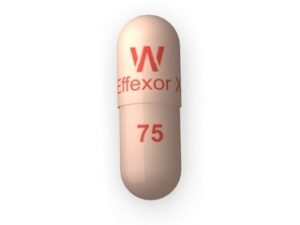
| Dosage form | Modified-release (extended release) capsules/tablets depending on presentation |
| How it works | Increases certain brain chemicals involved in mood and anxiety |
| Typical dosing frequency | Usually once daily with food |
| Common start-up period | Symptoms may improve within 1–2 weeks; full benefit often takes several weeks |
What is venlafaxine and how does Effexor XR work?
Effexor XR is an antidepressant belonging to the class often described as serotonin-noradrenaline reuptake inhibitors (SNRIs). It helps correct imbalances in neurotransmitters (chemical messengers) in the brain.
Mechanism of action (in simple terms)
- Serotonin (5-HT): Venlafaxine helps increase serotonin availability by reducing its reuptake.
- Noradrenaline (norepinephrine): At many doses, it also reduces noradrenaline reuptake.
- Combined effect: These actions may improve mood, anxiety symptoms, and overall wellbeing over time.
Effexor XR’s extended-release formulation releases medicine gradually. This can help reduce peaks and troughs compared with immediate-release forms, and supports once-daily dosing for many people.
Pharmacokinetics: how the body absorbs and handles Effexor XR
“Pharmacokinetics” describes what the body does to the medicine—absorption, distribution, metabolism, and elimination. The exact details can vary between individuals.
Absorption and release (extended-release)
- Modified release: The medicine is released slowly, which is why Effexor XR is usually taken once daily.
- Taking with food: Food may affect absorption slightly. In general, many patients find taking it with meals helps with tolerability.
Distribution
Venlafaxine and its main metabolite distribute throughout the body tissues. The medicine’s active metabolite contributes to overall effect.
Metabolism and elimination
- Metabolism: Venlafaxine is metabolised mainly in the liver.
- Active metabolite: The principal active metabolite is O-desmethylvenlafaxine (often called desvenlafaxine).
- Elimination: The body clears both the parent drug and metabolites, largely through the kidneys.
Because venlafaxine is metabolised in the liver and cleared through the kidneys, dose adjustments or extra monitoring may be needed in people with liver or kidney impairment.
What is Effexor XR used for?
In the UK, venlafaxine products are used for specific mental health conditions, including:
- Depression (including where symptoms include persistent low mood, loss of interest, and other related features)
- Generalised anxiety disorder (GAD)
- Social anxiety disorder (in appropriate cases)
- Other anxiety-related conditions depending on local guidance and individual assessment
Your prescriber/clinician decides whether Effexor XR is suitable based on the diagnosis, symptom severity, past treatment history, and your overall health and medicines list.
When to take Effexor XR (timing and routine)
Effexor XR is typically taken . Many people prefer a consistent time each day.
Practical timing tips
- Choose a regular time: e.g., morning or evening—whichever best suits you.
- Take with food: Often recommended for improved tolerability.
- Swallow whole: Do not crush, chew, or split modified-release capsules/tablets.
- Keep to schedule: Take your dose at roughly the same time each day.
How long until it works?
Antidepressant and anti-anxiety medicines may not produce immediate relief. Many people notice:
- Early changes: Some improvement may begin within 1–2 weeks.
- More complete response: Often takes several weeks (commonly 4–6 weeks or longer depending on the condition).
- Ongoing benefit: Response can continue to build over time with regular use.
If you’re concerned about how quickly it’s working, it’s best to speak with a healthcare professional before changing your regimen.
Dose guidance (how it’s commonly used)
Effexor XR dosing varies by condition, symptom severity, tolerability, and individual factors such as age, liver/kidney function, and interacting medicines. This section provides general educational information rather than exact instructions for any one person.
General starting approach
- Start low, go slow: Many clinicians begin with a lower dose to improve tolerability.
- Gradual adjustments: The dose may be increased gradually based on response and side effects.
Typical “once daily” pattern
Effexor XR is commonly taken once daily in the morning or evening. The exact strength (e.g., 37.5 mg, 75 mg, 150 mg depending on the product availability) and the target dose depend on the condition.
If you miss a dose
If you miss a dose, take it when you remember unless it is close to the next dose. Do not take a double dose to make up for the missed one. If unsure, check the patient information leaflet or seek advice.
Food interactions and “with food” advice
Food effects can vary with modified-release formulations. In general:
- Taking with food: Many people are advised to take Effexor XR with meals or soon after food to reduce stomach upset.
- Consistency helps: Try to keep your routine consistent (e.g., always with breakfast or always after dinner).
- Grapefruit and citrus: No specific universal requirement exists for grapefruit with venlafaxine, but it may interact with other medicines; if you take multiple medications, ask a clinician or pharmacist for advice.
Alcohol and medicine interactions
Alcohol
It’s generally advisable to limit or avoid alcohol while taking antidepressants, including venlafaxine. Alcohol can worsen depression/anxiety symptoms and may increase the likelihood of side effects such as sleepiness, dizziness, or impaired judgement.
Other medicines: important interaction themes
Venlafaxine can interact with other medicines—some interactions may increase side effect risk, while others may reduce effectiveness. Below are key categories to consider.
Medicines that increase serotonin risk
- Other antidepressants (especially MAOIs)
- Triptans (migraine medicines)
- Linezolid (an antibiotic)
- Serotonergic medicines such as certain cough preparations containing dextromethorphan
- St John’s wort (herbal preparation)
Combining serotonergic medicines may rarely contribute to serotonin syndrome, which can include agitation, sweating, fever, tremor, diarrhoea, and confusion. Seek urgent medical help if symptoms occur.
Medicines affecting blood pressure or heart rate
Venlafaxine can affect blood pressure in some people (especially at higher doses). Tell your clinician if you take:
- blood pressure medicines
- medicines for the heart rhythm
- stimulants (e.g., for ADHD)
Bleeding risk
Antidepressants in this class may increase bleeding risk when taken with medicines that also affect blood clotting. Discuss if you take:
- NSAIDs (e.g., ibuprofen, naproxen)
- aspirin (especially regularly/at higher doses)
- anticoagulants (e.g., warfarin, apixaban)
- antiplatelets (e.g., clopidogrel)
Metabolism interactions
Venlafaxine is metabolised by liver enzymes. Some medicines can change levels of venlafaxine or its metabolite, affecting tolerability and effectiveness. Examples of medicines that may be relevant include certain antifungals, antibiotics, and antiviral medicines.
Always provide a complete list of your current medicines and supplements (including “over-the-counter” products and herbal remedies) to a healthcare professional so interactions can be checked.
Safety profile: what to know before and during treatment
Like all medicines, Effexor XR can cause side effects. Many are mild to moderate and often improve after the first few weeks. However, some effects require urgent attention.
Common side effects
- Nausea or stomach upset
- Dry mouth
- Headache
- Sleep changes (insomnia or drowsiness)
- Dizziness
- Sweating (including increased night sweats)
- Reduced appetite
- Sexual side effects (e.g., reduced libido, difficulty achieving orgasm)
- Tiredness or fatigue
Less common but important side effects
- Changes in blood pressure (sometimes increases)
- Abnormal bleeding or unusual bruising (especially with blood thinners/NSAIDs)
- Weight changes
- Heart palpitations (in some people)
Seek urgent help if you notice
- Signs of serotonin syndrome: severe agitation, fever, sweating, tremor, diarrhoea, confusion
- Allergic reaction: swelling of face/lips, difficulty breathing, hives
- Severe worsening of mood or suicidal thoughts
- Fainting, severe dizziness, or chest pain
Withdrawal and stopping safely
Stopping venlafaxine suddenly can lead to discontinuation symptoms (often called “withdrawal” by patients), such as dizziness, “electric shock” sensations, nausea, headaches, anxiety, irritability, and sleep disturbance. To reduce this risk, clinicians usually taper gradually.
If you feel you need to stop or reduce your dose, do so only with medical guidance.
Who should use Effexor XR with extra caution?
Certain groups may need closer monitoring. Always discuss your medical history with a healthcare professional if any of the following apply:
- High blood pressure or heart conditions
- Liver disease or kidney impairment
- History of seizures or epilepsy
- Bipolar disorder (risk of mania/hypomania)
- Glaucoma or eye pressure problems
- Pregnancy or breastfeeding (the benefits and risks should be carefully considered)
- Age-related considerations (older adults may be more sensitive to side effects)
Practical use tips for a smoother start
- Plan for the first 1–2 weeks: Some people experience nausea, headache, or sleep changes at the start. These may ease as your body adjusts.
- Hydrate and eat regularly: If nausea occurs, small frequent meals can help.
- Track side effects and mood: A brief daily note (sleep, anxiety, mood, side effects) can help your clinician adjust the dose if needed.
- Don’t skip doses: Missing doses can increase the chance of breakthrough symptoms or discontinuation effects.
- Driving and machinery: If you feel dizzy or drowsy, avoid driving or operating machinery until you know how you respond.
- Manage sleep: If insomnia happens, consider taking the dose earlier in the day (only if advised by your clinician).
- Be cautious with new supplements: Herbal products (especially St John’s wort) may increase risk of interactions.
Alternative treatment options in the UK
Alternatives depend on your diagnosis, preferences, past response, and overall health. Possible options include:
- Other antidepressants (e.g., SSRIs such as sertraline or citalopram; other SNRIs such as duloxetine)
- Anxiety-focused treatments (e.g., other medicines and therapy approaches)
- Psychological therapies (for example, cognitive behavioural therapy (CBT) is widely used)
- Lifestyle and support strategies (sleep routine, exercise where appropriate, stress management, peer and community support)
Your healthcare team can help choose the best option. Sometimes switching medicines or combining treatment approaches provides the most benefit.
Market and legal context in the United Kingdom
Effexor XR is an established prescription-only medicine used in the UK for appropriate conditions, supplied under UK medicines regulation. In practice, availability may vary by strength and formulation at different times, and many pharmacies can source required packs through wholesalers.
Treatment decisions in the UK are guided by clinical practice, including the evaluation of benefit versus risk and consideration of individual factors. Patient information leaflets provide approved safety and usage details.
Recent guidance and clinical approach (UK context)
UK mental health services typically encourage a combination of:
- Careful diagnosis and monitoring of symptom severity and functioning
- Start low, assess regularly for side effects and effectiveness
- Review planned duration of treatment, particularly in depression
- Safety monitoring (for blood pressure changes and mental health risk factors)
- Gradual dose reduction when stopping
Guidance may evolve, and local services may follow national recommendations. Your clinician can explain the most relevant approach for your situation.
Delivery and availability (online pharmacy information)
Effexor XR availability can depend on the specific strength and pack size. Online pharmacies in the UK typically source stock through approved supply chains. Delivery times may vary depending on location, stock availability, and ordering cut-off times.
- Stock status: Strengths may sometimes be temporarily unavailable due to manufacturer or supply fluctuations.
- Packaging: Medicines are supplied in manufacturer packaging with patient information included.
- Order tracking: Many services provide updates once dispatched.
- Storage at home: Store as indicated on the pack (commonly at room temperature, away from moisture and out of reach of children).
Frequently Asked Questions (FAQ)
1) Is Effexor XR the same as venlafaxine?
Effexor XR is a brand of venlafaxine in an extended/modified-release form. The active ingredient is venlafaxine; the XR formulation releases it gradually.
2) How should I take Effexor XR?
Many people take it once daily with food at a regular time. Swallow capsules/tablets whole and do not crush or chew modified-release forms. If your healthcare professional gives different instructions, follow those.
3) What if I feel worse before I feel better?
Some people experience side effects early on, such as nausea, anxiety, or sleep changes. Worsening of mood that is severe or associated with unusual behaviour should be discussed urgently with a healthcare professional. If you have thoughts of self-harm or feel unsafe, seek immediate help.
4) Can I drink alcohol while taking Effexor XR?
It’s usually best to avoid or limit alcohol. Alcohol can worsen anxiety or depression and may increase drowsiness or dizziness. If you choose to drink, discuss safe limits with a clinician and avoid binge drinking.
5) Will Effexor XR affect driving?
Possible side effects include dizziness or sleepiness, especially when starting or adjusting the dose. Until you know how it affects you, avoid driving or operating machinery.
6) Are there restrictions on taking it with other medicines?
Yes. Interactions can occur, particularly with other serotonergic medicines, blood thinners, NSAIDs/aspirin (for bleeding risk), and medicines that affect liver metabolism. Tell your pharmacist or clinician about everything you take, including herbal supplements.
7) What should I do if I miss a dose?
Take it when you remember unless it’s close to the next dose. Do not take a double dose. If you’re unsure, refer to the patient information leaflet or ask a healthcare professional.
8) Can I stop Effexor XR suddenly?
It’s generally not recommended to stop venlafaxine suddenly. Stopping abruptly can cause discontinuation symptoms. Dose reductions should be gradual and guided by a clinician.
9) How will I know it’s working?
Many people notice gradual improvements in mood, anxiety, sleep, and ability to function. This typically occurs over several weeks. A review after dose adjustments helps confirm whether it’s effective.
10) What are common sexual side effects?
Sexual side effects can include reduced libido, delayed orgasm, or difficulties with sexual performance. If these occur, discuss them—there are strategies to manage side effects while maintaining treatment benefit.
Important notes
This webpage is for general information to support understanding of Effexor XR and venlafaxine. Individual suitability, dosing, and monitoring should always be determined by a healthcare professional based on your specific circumstances.
If you experience severe side effects, signs of allergy, symptoms suggestive of serotonin syndrome, fainting, or a marked deterioration in mental health, seek urgent medical attention.