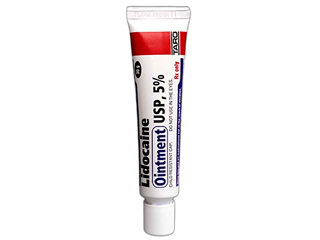
Xylocaine (Lidocaine)
Xylocaine is a brand name that contains the local anaesthetic medicine lidocaine. It is used to reduce pain and numb an area by blocking nerve signals. Depending on the product form (for example, gel, spray, injection, or patch), Xylocaine may be used for short-term relief of discomfort, during minor procedures, or as part of healthcare treatments.
This guide is written for people in the United Kingdom and focuses on how lidocaine works, how it is used, what to expect, and key safety information.
Basic product information
| Item | What you should know |
|---|---|
| Active ingredient | Lidocaine (local anaesthetic) |
| Brand name | Xylocaine |
| Typical forms | Gel, ointment/cream, spray, injection, patch (varies by product availability) |
| What it does | Numbs a local area by blocking nerve signals |
| Where used | Skin, mucous membranes, dental/medical procedures, pain-relief situations (depends on form) |
| How quickly it works | Often within minutes (varies by form and site) |
How Xylocaine (lidocaine) works (mechanism of action)
Lidocaine is a local anaesthetic. It works by temporarily blocking voltage-gated sodium channels in nerve cells. Without these channels working properly, nerves cannot send pain signals to the brain.
The result is numbness and reduced sensation in the treated area. This helps with discomfort from minor procedures, minor injuries, or as a supportive treatment in certain conditions—depending on the formulation and strength.
Pharmacokinetics (how the body handles it)
“Pharmacokinetics” describes what happens to a medicine in the body—how it is absorbed, distributed, metabolised, and eliminated. With lidocaine, the exact kinetics depend heavily on the route of administration (for example, topical skin use versus injection).
Absorption
- Topical use (skin/gels/sprays): Absorption is usually limited, but it can be higher if applied to large areas, broken skin, or mucous membranes.
- Injection or medical use: Systemic levels can be higher and are typically managed under clinical supervision.
Distribution
Lidocaine can bind to proteins in the blood and may distribute to tissues. Systemic exposure is one reason why the dose and application area are important.
Metabolism
Lidocaine is mainly metabolised by the liver. If liver function is reduced, the body may clear lidocaine more slowly.
Elimination
Metabolites are eliminated primarily through the kidneys. Clearance may vary between individuals.
Typical uses of Xylocaine
Xylocaine/lidocaine is used to numb an area to relieve pain or discomfort. The exact use depends on the form (for example, a topical gel versus a patch). Common categories include:
- Minor procedures: Numbing prior to or during short interventions (clinically guided depending on form).
- Dental and mouth-related discomfort: Some products are formulated for mucous membranes (follow the specific product instructions carefully).
- Local pain relief: Temporary reduction in discomfort associated with certain skin conditions or irritation (form-dependent).
- Nerve-related pain support: Some lidocaine products are used to help relieve pain in specific neuropathic conditions (for example, when a product is designed for that indication).
- Analgesia during minor medical treatments: Numbing for improved comfort (typically in healthcare settings).
If you are unsure which Xylocaine product is intended for your situation, check the product label and the instructions that come with it.
When to expect it to work (timing)
The onset and duration vary by formulation and where it is applied. In general:
- Topical gels/sprays: usually start working within minutes.
- Ointments/creams: often take some minutes to take effect.
- Patch forms: typically take effect over hours and are designed for longer, steadier relief.
The numbness may wear off after a period depending on the site and how much is applied. Do not repeatedly reapply more than recommended—especially if you’re using products on sensitive areas.
Food interactions
Lidocaine is most often used locally, and food interactions are generally not a major concern for topical use. However, some lidocaine products used in medical settings may involve systemic exposure, and those situations should be guided by the prescriber or clinician.
For home use of topical products, there are typically no specific food restrictions. Still, follow the individual product instructions.
Alcohol and medicine interactions
Lidocaine can affect the nervous system when systemic levels become high (for example, if too much is used, absorbed too rapidly, or applied incorrectly). Because of this, it’s sensible to consider interactions and overall safety.
Alcohol
- Topical use: Occasional small amounts of alcohol are not usually expected to cause problems, but avoid heavy drinking when using medicines that can affect the nervous system.
- General safety: Alcohol may worsen dizziness or drowsiness from other medicines you may be taking.
Other medicines (important examples)
Drug interactions depend on how lidocaine is absorbed and metabolised. Lidocaine is processed in the liver, so medicines that affect liver enzymes may alter lidocaine levels.
- Medicines affecting liver metabolism: some drugs can increase or decrease lidocaine breakdown, potentially affecting safety.
- Other local anaesthetics: combining products could increase the risk of toxic effects if systemic absorption occurs.
- Medicines that affect heart rhythm: lidocaine has effects at sodium channels in nerve and heart tissue. If you take antiarrhythmic or heart rhythm medicines, speak to a healthcare professional for tailored advice.
- CNS medicines: if you are taking medicines that cause drowsiness (for example, sedatives), any dizziness or unusual nervous system symptoms should be taken seriously.
If you are taking multiple medicines, it’s best to review them with a healthcare professional—especially if you have liver problems, heart rhythm issues, or are using lidocaine on large areas.
Indications (what lidocaine is used for)
“Indications” are the approved reasons a medicine may be used. For lidocaine-containing products, approved indications may vary by formulation (for example, patch versus gel versus injection). In the UK, lidocaine products are used for local anaesthesia and for relief of pain or discomfort in specific settings.
Common indication themes include:
- Local numbness to reduce pain during minor procedures and medical interventions.
- Short-term relief of discomfort related to irritation or minor painful conditions (depending on the product label).
- Neuropathic pain support (for products specifically formulated and indicated for that purpose, such as lidocaine patches in appropriate patients).
Always follow the specific product instructions and packaging guidance for the intended indication, dose, and application method.
Dosing and how to use Xylocaine safely
Dosing depends on the formulation (gel, spray, injection, patch) and the area to be treated. Because different Xylocaine products have different strengths, this guide provides general principles rather than a single “one-size-fits-all” dose.
General dosing principles
- Use the smallest effective amount.
- Do not apply more often than the instructions state.
- Avoid large areas unless the product instructions allow it.
- Avoid broken skin unless directed by the product instructions or a clinician.
- Wash hands before and after use (unless your product instructions say otherwise).
- Do not cover with tight dressings unless advised (covering can increase absorption).
How to apply (practical step-by-step)
- Read the label carefully to confirm the formulation and strength.
- Prepare the area: keep the skin or mucous membrane clean and dry unless instructed otherwise.
- Apply a thin layer (or a small measured amount) as directed.
- Allow time to work. Avoid touching the numb area unnecessarily.
- Monitor for irritation. If burning, severe redness, swelling, or worsening pain occurs, stop using and seek advice.
Special considerations
- Children: dosing and suitability vary. Use only if the product is indicated for children and follow age-based guidance exactly.
- Older adults: often use carefully due to sensitivity and increased likelihood of other health issues.
- Liver impairment: may increase risk of side effects because lidocaine is metabolised in the liver.
- Heart disease or rhythm issues: discuss with a healthcare professional if you have relevant cardiac conditions.
Safety profile and side effects
Lidocaine is generally well tolerated when used correctly at the recommended dose and on appropriate sites. However, side effects can occur, particularly if too much is used, used too frequently, or applied to areas that absorb more readily.
Common local side effects
- Mild burning or tingling at the application site (may be temporary)
- Redness or slight irritation
- Temporary numbness that may feel strange or reduce sensation
Serious but uncommon risks
Systemic toxicity is rare when used correctly, but it becomes more likely with overuse, improper application, or high absorption (for example, large areas, broken skin, or too frequent dosing).
Stop using and seek urgent medical help if you experience symptoms such as:
- Dizziness, confusion, or feeling faint
- Tinnitus (ringing in the ears)
- Numbness around the mouth or unusual taste
- Severe drowsiness or difficulty staying awake
- Shortness of breath, seizures, or irregular heartbeat
- Swelling of the face/lips or trouble breathing (possible allergy)
Allergic reactions
Allergic reactions can occur with any medicine. If you notice signs of allergy—such as rash, hives, swelling, or breathing difficulty—seek urgent help.
When to be extra careful
- If you have liver disease.
- If you have significant heart rhythm problems.
- If you are using multiple numbing products at the same time.
- If you have large wounds or need to apply to mucous membranes (follow product guidance strictly).
Practical use tips (to get the best results and stay safe)
- Use carefully on sensitive areas: genital or mouth areas require precise dosing and correct product selection.
- Avoid heat: heat pads or hot water bottles over numb skin may increase the risk of burns because you may not feel temperature.
- Don’t “test” with pressure: numbness can lead to injury—avoid cutting, biting, or scratching the area.
- Keep track of timing: note when you applied it so you don’t overuse.
- Wash hands after use: to avoid accidentally transferring medicine to eyes or mouth.
- Replace clothing appropriately: for patches or topical use, ensure coverings don’t interfere with how the medicine is designed to work.
Alternative options
Depending on your symptoms and the product form you’re considering, there may be other treatments. Alternatives can include:
Other local anaesthetics
- Prilocaine (often used similarly in certain formulations)
- Benzocaine (used in some topical products)
Non-local anaesthetic pain relief
- Paracetamol or ibuprofen for general pain (if suitable for you)
- Anti-inflammatory gels for some musculoskeletal discomfort
For nerve-related pain
For neuropathic pain, other options may include certain nerve-pain medicines or therapies. The best alternative depends on your diagnosis and symptom pattern.
If you’re considering switching, it’s wise to discuss with a healthcare professional, particularly if symptoms persist or worsen.
UK market and legal context (what to expect)
In the United Kingdom, medicines are regulated to ensure quality, safety, and proper use. Lidocaine products are available in different strengths and formulations, and their supply may vary depending on classification and intended use.
Key points for customers in the UK:
- Product labelling: You should see clear information on strength, dosing frequency (where relevant), and warnings.
- Safety guidance: The packaging and patient information help you avoid overuse and incorrect application.
- Pharmacy requirements: Some medicines may have restricted supply routes depending on the product and concentration.
- Pharmacovigilance: Any suspected side effects can be reported through appropriate UK channels (as advised on medicine information sources).
Recent guidance and updates (keeping safe)
Guidance around local anaesthetics generally emphasises correct dosing, avoiding use on large areas without supervision, and recognising signs of adverse reactions. Recent healthcare trends and safety messages include:
- Careful use on mucous membranes and broken skin, due to higher absorption risk.
- Avoiding multiple numbing agents simultaneously, to reduce risk of excessive systemic exposure.
- Being alert for neurologic symptoms that could indicate high systemic levels, particularly if dosing instructions were not followed.
If you’re using Xylocaine for an ongoing pain condition, regularly review whether it is still appropriate with a healthcare professional and stop if symptoms change significantly.
Delivery and availability in the United Kingdom
Xylocaine (lidocaine) availability may depend on the specific product form (gel/spray/patch/injection) and the strength. Online pharmacy availability can vary by supplier and stock levels.
When you order, you should typically expect:
- Clear product details on the page (form, strength, pack size).
- Packaging designed for safe transport.
- Delivery options with standard and sometimes express service, depending on the pharmacy.
Always check expiry dates and storage instructions on arrival. If a product looks damaged or has an expired date, do not use it—contact the supplier.
Frequently asked questions (FAQ)
Is Xylocaine the same as lidocaine?
Yes. Xylocaine is a brand name that contains the active ingredient lidocaine. Different Xylocaine products may have different forms and strengths.
How long does the numbness last?
It depends on the product form and application site. Gels and sprays often work within minutes, with effects that typically wear off after a period of hours or less. Patches may provide longer-lasting relief. Check the product instructions for the expected duration.
Can I use Xylocaine on broken skin?
Only use it on broken skin if the specific product instructions say it is suitable. Absorption can be higher, increasing the risk of side effects. If the instructions are unclear, seek advice from a pharmacist or healthcare professional.
What should I do if I apply too much?
Stop using the product. If you experience symptoms such as dizziness, ringing in the ears, confusion, severe drowsiness, breathing difficulties, or an irregular heartbeat, seek urgent medical help. When possible, have the product packaging available for medical staff.
Can I drive after using lidocaine?
With correct topical use, driving is usually not affected. However, if you feel dizzy, unwell, or unusually drowsy—do not drive and seek medical advice.
Are there any interactions with other creams or gels?
Using other topical products at the same time may affect absorption or irritate the skin. Avoid combining multiple numbing products unless the product guidance specifically allows it. If you use other medicines on the same area, ask a pharmacist for advice.
Can I drink alcohol while using Xylocaine?
Moderate alcohol intake is generally not expected to be a major issue for correct topical use, but avoid excessive drinking. If you take other medicines that cause drowsiness, alcohol may increase side effects.
Who should not use lidocaine without medical advice?
Extra caution is recommended if you have liver problems, significant heart rhythm issues, a history of allergy to local anaesthetics, or if you plan to apply to large areas or mucous membranes. Always follow the product label and safety information.
What if the pain gets worse?
If pain, swelling, redness, or irritation increases after using lidocaine—or if there is no improvement—stop using the product and seek advice. Persistent or severe pain may need assessment for an underlying cause.
Summary
Xylocaine (lidocaine) is a local anaesthetic used to provide temporary numbness and reduce discomfort. It works by blocking nerve signals and is generally safe when used correctly at the recommended amount and frequency. Pay close attention to dosing instructions, avoid applying to large areas or broken skin unless directed, and be alert to warning symptoms that could suggest excessive absorption or an allergic reaction.
If you have questions about suitability, correct use, or interactions with other medicines, a pharmacist can help you choose the safest approach.