
Zovirax (Acyclovir) — Patient-Friendly Guide (UK)
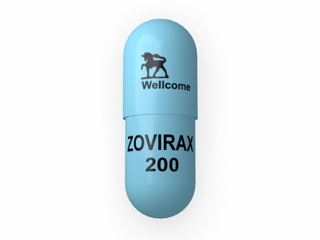
Zovirax is a well-known medicine containing acyclovir. It is used to treat viral infections, particularly those caused by herpes viruses. This guide explains how Zovirax works, how it is used, what to expect, and key safety information for people in the United Kingdom.
Always follow the instructions provided with your product and consult a healthcare professional if you have questions—especially if you are pregnant, breastfeeding, have kidney disease, or are taking other medicines.
Basic product information
| Feature | Details |
|---|---|
| Active ingredient | Acyclovir |
| Brand name | Zovirax |
| Medicinal form (common) | Tablets / suspension / capsules (depending on product pack); creams and other formulations may be available |
| Medicinal class | Antiviral (nucleoside analogue) |
| Primary use | Treatment of herpes virus infections (e.g., herpes simplex, shingles) |
| Who it is for | Adults and children, depending on the condition and formulation |
How Zovirax (acyclovir) works (mechanism of action)
Acyclovir is an antiviral medicine designed to target herpes viruses. It becomes active mainly inside virus-infected cells. The key steps are:
- Acyclovir is taken up by cells and is converted into an active form.
- The active form interferes with viral DNA production.
- This helps stop the virus from multiplying, which can reduce symptom duration and severity when started early.
Importantly, acyclovir works best when taken soon after symptoms begin—before the virus has built up significantly.
Pharmacokinetics (how the body handles the medicine)
Pharmacokinetics describes how acyclovir is absorbed, distributed, processed, and eliminated. While exact numbers can vary by formulation and patient factors, the general patterns include:
- Absorption: Acyclovir is absorbed from the gut, with bioavailability typically limited, meaning dosing schedules are designed to maintain effective levels.
- Distribution: It can distribute into body tissues including areas affected by viral infections.
- Metabolism: Acyclovir is not extensively metabolised.
- Elimination: Primarily excreted by the kidneys. Kidney function strongly influences how quickly it leaves the body.
Why this matters: people with impaired kidney function may need dose adjustments or extra monitoring to reduce the risk of side effects such as kidney-related problems.
Typical uses in the UK
Zovirax (acyclovir) is used to treat and, in some situations, prevent outbreaks caused by herpes viruses, including:
Common indications
- Herpes simplex (cold sores / genital herpes): treatment of active outbreaks and, in some cases, suppression to reduce frequency.
- Shingles (herpes zoster): treatment when started early to reduce duration and complications.
- Other herpes-related infections: based on clinician assessment and suitability of the specific formulation.
Your exact use depends on the infection type, severity, age, and kidney function. Different formulations (e.g., oral tablets versus topical preparations) are used for different conditions.
Timing: when to start and how to take it
Timing is critical for antiviral effectiveness.
For best results
- Start as early as possible after symptoms begin.
- If you are treating shingles, early treatment (often within 72 hours of rash onset, depending on the clinical situation) is commonly recommended.
- For cold sores or recurrent herpes simplex, taking treatment early can help reduce how long you feel unwell.
Do not stop early
Even if you feel better, complete the course as advised. Stopping early can allow the virus to rebound.
Food interactions
Acyclovir can generally be taken with or without food. Food may slightly affect absorption timing, but it usually does not significantly change the overall effectiveness for most people.
- If your medicine pack instructions suggest taking with food, follow those instructions.
- If you get nausea, taking with a meal may improve comfort for some people.
Hydration tip: drink adequate fluids during treatment, especially if you are taking oral acyclovir, since it is cleared through the kidneys.
Alcohol interactions and safety
There is no universal “hard” alcohol prohibition with acyclovir in every situation. However, alcohol can:
- worsen side effects such as dizziness, headache, or stomach upset,
- reduce sleep quality, which can slow recovery during infections,
- contribute to dehydration in some people (important because acyclovir is eliminated via the kidneys).
Practical approach: consider reducing or avoiding alcohol while you are unwell and taking acyclovir. If you do drink, do so moderately and remain well hydrated.
Medicine interactions (including important examples)
Many people can take acyclovir without major interaction issues. However, certain medicines can affect kidney function or influence drug levels. Always review your current medicines with a pharmacist or healthcare professional if you have any concerns.
Medicines that may increase kidney-related risk
- Other medicines cleared by the kidneys or those that can affect kidney function.
- Nephrotoxic medicines (medicines that can harm the kidneys) when used together.
- High-dose or multiple antiviral regimens may require extra caution.
If you have kidney impairment, your prescriber/pharmacist may choose a dose adjustment.
Probenecid and similar effects
Medicines such as probenecid can affect how acyclovir is eliminated from the body. This may increase acyclovir exposure and potentially raise the risk of side effects—so professional advice is important if you take such medicines.
Immunosuppression and complex regimens
If you have a weakened immune system or take immunosuppressive medicines, your clinician may monitor your infection more closely. Follow professional guidance carefully because infection severity and treatment needs can differ.
Dosing: typical adult and paediatric approaches (general guidance)
Doses vary depending on the infection being treated, the severity, age, and kidney function. The sections below provide general information so you know what to expect—always use the dose on your product packaging or as advised by your healthcare professional.
General principles
- Oral dosing schedules are often multiple times per day to maintain effective levels.
- Kidney impairment may require dose adjustments.
- Children have dosing based on age and/or weight and the specific formulation.
Common dosing examples (varies by condition and formulation)
The following are typical patterns used in practice; your exact regimen may differ:
- Herpes simplex: often a short course during outbreaks; in some people, regular daily suppression is used to reduce recurrence.
- Shingles: usually taken several times daily for a defined number of days, started early.
Important: Do not choose a dose by comparing to someone else’s regimen. Different products (tablets, suspension, creams) are not interchangeable dose-for-dose.
Safety profile: side effects and what to watch for
Like all medicines, acyclovir can cause side effects. Many people experience no problems or only mild effects. Serious reactions are uncommon but need prompt attention.
Common or mild side effects
- Nausea or stomach discomfort
- Headache
- Dizziness
- Diarrhoea (sometimes)
Less common but important effects
- Kidney-related effects (more likely if dehydrated or with existing kidney problems, or when dosing is not adjusted).
- Allergic reactions such as rash, itching, swelling, or breathing difficulties.
- Blood changes are rare but may occur.
- Neurological symptoms are uncommon and require medical advice if severe (e.g., confusion, unusual agitation).
Seek urgent medical advice if
- you develop signs of a serious allergic reaction (swelling of face/lips, difficulty breathing),
- you experience reduced urination, severe back pain, or signs of kidney trouble,
- you feel very unwell with severe rash, blistering, or widespread skin reactions.
Practical use tips (how to get the most benefit)
1) Start early
The most important step for effectiveness is starting treatment as soon as symptoms appear (for your condition and formulation).
2) Keep the dosing schedule
Try to take doses at consistent times. Setting reminders can help.
3) Drink plenty of fluids
Good hydration supports kidney clearance and may reduce the risk of dehydration-related side effects. If you have fluid restrictions (for example due to heart failure or kidney disease), follow your clinician’s instructions.
4) Avoid spreading infection
Antiviral treatment helps your symptoms, but it does not guarantee you cannot transmit the virus. Practical precautions include:
- avoid touching affected areas and wash hands after contact,
- for genital herpes, avoid sexual contact during outbreaks and consider condom use for risk reduction,
- do not share towels, razors, lip balms, or utensils during active outbreaks,
- cover lesions when possible.
5) If you miss a dose
If you miss a dose, take it when you remember unless it is close to the next dose. Do not take a double dose to make up for a missed dose.
Alternative options to Zovirax (acyclovir)
Several antiviral medicines may be used for herpes virus infections. The best option depends on your condition, formulation availability, kidney function, and treatment timing.
Common alternatives
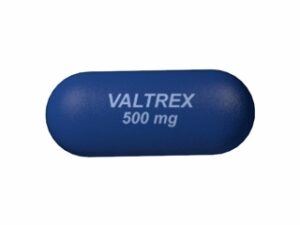
- Valaciclovir — another antiviral used for herpes simplex and shingles; sometimes requires fewer doses due to different dosing properties.
- Famciclovir — used for herpes zoster in certain circumstances and other herpes infections.
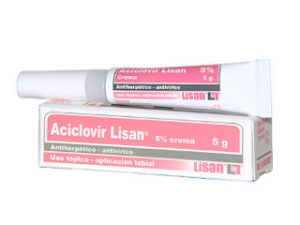
- Topical antivirals (where appropriate) — for certain cold sore situations, depending on product choice and clinical assessment.
- Supportive care — pain relief and skin care are often important alongside antivirals, especially for shingles.
A pharmacist can help compare options and select the most suitable product for your needs, including availability and suitability for your age and kidney function.
Market and legal context in the United Kingdom
In the UK, medicines like Zovirax are regulated under medicines legislation and authorised by the relevant authorities. Some presentations may be supplied for general use within NHS and community settings, while availability and restrictions may differ by product strength and formulation.
UK healthcare decisions commonly follow evidence-based guidance from professional bodies and public health organisations. For herpes viruses, treatment choice and timing are influenced by infection type, symptom duration, and patient risk factors.
Recent guidance and clinical approach (UK context)
Guidance for herpes infections generally emphasises:
- early initiation of antiviral therapy for shingles and other relevant herpes infections,
- consideration of risk factors such as age, immune status, and severity of symptoms,
- pain management as a key component of shingles care,
- dose adjustment in kidney impairment to improve safety.
Local NHS services may have specific pathways for rapid assessment, especially for shingles in higher-risk groups. If symptoms are severe or worsening, seeking timely medical advice is important.
Delivery and availability (online pharmacy)
Availability of Zovirax depends on the exact product presentation and local pharmacy stock. Many UK online pharmacies offer dispatch services to UK addresses.
What to expect when ordering
- Verification: you may be asked to confirm details relevant to safe supply (e.g., age, formulation, and suitability).
- Packaging: medicines are typically supplied in manufacturer-provided packaging with patient information.
- Delivery times: times vary by supplier and courier service; check the site’s delivery information at checkout.
- Cold-chain: acyclovir tablets generally do not require special temperature handling, but always follow the product’s storage instructions.
If you require an alternative formulation or strength, a pharmacist can advise on options that are appropriate for your condition.
Frequently asked questions (FAQ)
Is Zovirax the same as acyclovir?
Yes. Zovirax is a brand name that contains acyclovir, the active antiviral ingredient.
When should I take Zovirax?
For antivirals to work best, start as early as possible after symptoms begin. Follow the schedule on your pack (or the instructions given by a healthcare professional for your situation).
Can I take Zovirax with food?
Many people can take acyclovir with or without food. If your product instructions recommend taking with food, or if it helps reduce nausea, take it with a meal.
Can I drink alcohol while using Zovirax?
Moderate alcohol may not always be strictly contraindicated, but it can worsen side effects and dehydration risk. If you are unwell, consider avoiding alcohol and drink plenty of fluids.
Does Zovirax cure herpes?
Acyclovir helps control and shorten active outbreaks by reducing viral replication. It does not typically eradicate the virus from the body permanently, so recurrences can occur.
How long does it take to feel better?
Many people notice improvement within a few days, depending on the condition and how early treatment started. If symptoms worsen or do not improve, seek medical advice.
What should I do if I have kidney problems?
Kidney function can affect how acyclovir is cleared. Your dose may need adjustment and you may require monitoring. Speak with a pharmacist or clinician if you have known kidney impairment.
Are there any warning signs I should not ignore?
Seek urgent advice if you have signs of serious allergy (swelling or breathing difficulties), severe rash, or symptoms suggesting kidney problems (such as reduced urination or severe back pain).
Can children take Zovirax?
Children may use acyclovir depending on the infection type and the appropriate formulation and dose. Use only the correct product and dose for the child’s age and condition.
What are practical ways to prevent spreading herpes?
During outbreaks, cover lesions when possible, avoid skin contact with affected areas, wash hands frequently, and avoid sexual contact if the infection is genital. Condoms can reduce risk but do not eliminate it.
What if I’m taking other medicines too?
Many medicines can be taken alongside acyclovir, but some may increase kidney-related risks or affect clearance. If you are unsure, ask a pharmacist to check your medicine list for potential issues.
Summary
Zovirax (acyclovir) is an antiviral medicine commonly used in the UK to treat herpes virus infections such as herpes simplex and shingles. It works by interfering with viral DNA replication and is most effective when started early. Because acyclovir is cleared by the kidneys, hydration and dose suitability are important—particularly for people with kidney impairment.
If you have questions about which formulation is appropriate, how to take it, or whether it is safe alongside your other medicines, a pharmacist can help you choose the safest option.