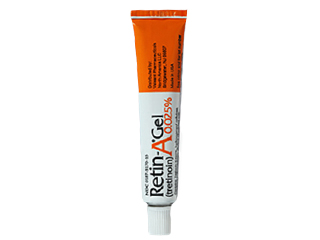
Retin-A Gel (Tretinoin) – Patient Information (UK)
Retin-A Gel contains tretinoin, a form of vitamin A used to improve skin conditions such as acne and certain types of photoageing. It works by changing how skin cells grow and mature, which helps to clear blocked pores, reduce the appearance of blemishes, and support smoother-looking skin over time.
This page is written to help you understand how Retin-A Gel works, how to use it safely, and what to expect. Always follow the instructions provided with your product and any advice from your healthcare professional.
Quick Product Overview
| Category | Details |
|---|---|
| Medicine | Retin-A Gel (tretinoin) |
| Active ingredient | Tretinoin |
| Medicinal class | Topical retinoid (vitamin A derivative) |
| Common uses | Acne (including comedonal and inflammatory acne); selected indications for photoageing |
| Form | Gel (topical) |
| How it works | Normalises skin cell turnover and reduces clogged follicles |
| Typical application frequency | Usually once daily at night (often started gradually) |
| Onset of effects | Early changes may begin in weeks; full benefit often takes several months |
How Retin-A Gel Works (Mechanism of Action)
Tretinoin is a topical retinoid. It affects the growth, differentiation, and shedding of skin cells within the follicle (pore). In acne, the follicle can become blocked by excess keratin and oil, leading to blackheads, whiteheads, inflamed spots, and sometimes deeper lesions.
- Unblocks pores by helping abnormal keratinisation normalise.
- Reduces formation of comedones (blackheads and whiteheads).
- Supports smoother, more evenly renewing skin over time.
- May reduce inflammation associated with acne lesions.
- For photoageing, it can contribute to improved skin texture and appearance by influencing skin renewal processes.
Important: Early in treatment, some people experience an “acne purging” period (temporary worsening). This can happen as clogged pores start to clear.
Pharmacokinetics (What the Body Does to Tretinoin)
When applied to intact skin as directed, tretinoin is absorbed in small amounts through the skin. Compared with many oral treatments, systemic exposure is usually low.
- Absorption: Predominantly local action in the skin; systemic absorption is limited.
- Distribution: Any absorbed fraction may distribute in the body but typically remains minimal.
- Metabolism & excretion: The small absorbed amount is processed by normal body pathways and eliminated.
Because absorption is low, most side effects relate to the area of application (skin irritation, redness, dryness).
Typical Uses in the UK
Retin-A Gel is used for conditions where topical retinoids may be beneficial. Availability and exact wording of indications can vary by product strength and local regulatory status. In general, tretinoin gel may be used for:
- Acne vulgaris (particularly comedonal acne; sometimes with inflammatory lesions as part of a broader regimen).
- Selected signs of photoageing (depending on formulation, strength, and prescriber guidance).
If you are using Retin-A Gel for a purpose other than acne, check the patient information leaflet provided with your product.
When to Apply It (Timing and Routine)
Retin-A Gel is typically applied at night because tretinoin can make skin more sensitive to sunlight, and night-time use helps reduce exposure to ultraviolet radiation.
- Best time: Evening or before bedtime.
- Frequency: Often once daily initially; many people start every other night for 1–2 weeks to reduce irritation.
- Start low, go slow: If your skin is sensitive, gradually increase frequency only if you tolerate it well.
- Keep a consistent routine for best results.
What to do on application nights:
- Cleanse your skin gently and pat dry.
- Wait until the skin is fully dry (tretinoin can be more irritating on damp skin).
- Apply a thin layer to the affected areas.
How long until you see improvement?
- First signs: Some improvement may appear in 2–4 weeks.
- More noticeable results: Commonly after 8–12 weeks.
- Full benefit: May take 3–6 months (or longer), depending on severity and skin response.
Food Interactions
Retin-A Gel is applied to the skin, and food interactions are not expected in the usual way medicines taken by mouth can have interactions with food. Tretinoin’s action is primarily local.
However, overall skin health may benefit from a balanced diet and hydration. If you are taking other medicines or supplements and have concerns, ask a healthcare professional.
Alcohol and Medicine Interactions
Alcohol
Because Retin-A Gel is a topical medicine with minimal systemic absorption, alcohol is not known to directly interact with tretinoin when used on the skin as directed. Still, alcohol can contribute to dehydration and may worsen skin dryness in some people.
- If you notice increased dryness or irritation, consider reducing alcohol intake and moisturising as advised.
Interactions with other medicines
There are two practical “interaction” situations to consider: (1) other products applied to the skin, and (2) medicines that may change skin sensitivity.
- Other topical products: Avoid using products that are strongly irritating or abrasive, such as harsh exfoliants (scrubs), strong acids (e.g., high-strength glycolic or salicylic peels), or other strong retinoids at the same time unless specifically advised.
- Combination acne treatments: Sometimes tretinoin is used alongside other acne therapies (for example, benzoyl peroxide or topical antibiotics). If you use multiple products, use them strategically to reduce irritation (for example, alternate nights).
- Photosensitising medicines: If you take medicines that increase sun sensitivity, extra sun protection is important.
Always tell your healthcare professional or pharmacist about all medicines and skincare products you use, including over-the-counter items.
Indications (What It Treats)
Retin-A Gel is indicated for conditions where topical tretinoin is appropriate. In many settings, tretinoin is used for:
- Acne vulgaris – particularly comedonal acne and as part of regimens for mixed acne.
- Some photoageing-related skin changes – based on product licensing and clinical judgement.
Because licensing and wording can differ by product strength, always refer to the leaflet supplied with your pack for the exact indication.
Dosing and How Much to Use
The correct dose is the amount that covers the affected area in a thin layer. More is not better with tretinoin; using too much increases irritation without improving results.
- Typical regimen: Apply once daily at night.
- Starting dose: Many people begin with a few times per week (e.g., every other night) and gradually move to daily use if tolerated.
- Amount: A small amount for the entire face is often enough; use your fingertips to spread thinly.
Missed dose: If you miss an application, apply it when you remember only if it is near the time of the next scheduled dose. Otherwise, skip and continue your normal routine. Do not apply extra gel to make up for a missed dose.
Do not apply to:
- Broken, infected, or very irritated skin
- Areas around the eyes, corners of the nose, and mouth (unless specifically advised)
- Large wounds or burns
Safety Profile (Side Effects and Warnings)
Like all medicines, Retin-A Gel can cause side effects. Most are due to skin irritation, especially when starting or when used too frequently.
Common skin side effects
- Dryness
- Redness (erythema)
- Peeling or flaking
- Burning or stinging sensation
- Itching
- Temporary increase in acne lesions early in treatment (purging)
Less common but serious reactions
Seek medical advice promptly if you experience signs of a severe reaction, such as:
- Severe swelling of the face or eyelids
- Blistering or ulceration
- Widespread rash or hives
- Persistent, intense pain or worsening that does not improve after reducing use
Special precautions
- Sun sensitivity: Use daily sun protection (broad-spectrum SPF) and avoid unnecessary sun exposure.
- Weather can affect tolerance: Wind, cold, and low humidity may increase dryness and irritation.
- Hairline and corners matter: Avoid getting gel into the eyes, mouth, or on sensitive areas.
- Skin barrier care: Using a gentle moisturiser can reduce irritation.
Pregnancy and breastfeeding (important note)
Retinoids are sometimes associated with risks in pregnancy. If you are pregnant, trying to conceive, or breastfeeding, discuss the safest approach with a healthcare professional before using tretinoin. This is especially important because retinoids are related to vitamin A derivatives.
Practical Tips for Using Retin-A Gel (Reduce Irritation)
Good technique can significantly improve comfort and results.
Before applying
- Use a mild cleanser (avoid abrasive scrubs).
- Pat skin dry; wait for complete dryness.
- Apply to clean, dry skin.
During application
- Use a pea-sized amount (or the smallest amount that covers the face area evenly).
- Spread thinly; avoid piling product on individual spots.
- Wash hands after applying (to prevent accidental contact with eyes).
Moisturising strategy
- Consider applying a moisturiser after the gel if irritation occurs.
- Some people do better with moisturiser on alternate days or using it after the gel has dried.
What to avoid while using tretinoin
- Harsh exfoliation or “peel” products (especially during the first weeks)
- Other strong actives at the same time (for example, high-strength acids), unless recommended
- Waxing or laser hair removal on treated areas until irritation settles
Managing purging and flare-ups
- If new acne worsens early on, continue unless irritation is severe.
- If your skin becomes too inflamed, reduce frequency (e.g., every other night) and moisturise.
- Contact a healthcare professional if symptoms are intense or persistent.
Alternative Options (If Retin-A Gel Isn’t Suitable)
Several alternatives may be considered depending on your skin type, acne severity, and tolerance. Choices may include:
- Other topical retinoids: Different strengths or formulations may be better tolerated.
- Benzoyl peroxide: Helps reduce acne-causing bacteria and can complement retinoids.
- Topical antibiotics: Often used short-term as part of combination acne therapy (where appropriate).
- Salicylic acid (BHA) or gentle exfoliants: May help with clogged pores (tolerance varies; avoid over-exfoliation).
- Non-comedogenic moisturisers and cleansers: Support skin barrier and reduce irritation.
- Oral treatments: For severe acne, clinicians may consider systemic options.
For best results, alternatives are often selected based on your current regimen, sensitivity, and how quickly you want to see improvement.
UK Market, Legal and Regulatory Context
In the United Kingdom, topical medicines like Retin-A Gel are regulated to ensure quality, safety, and performance. In addition to product licensing status, availability can vary by:
- Strength and formulation: Different strengths may be marketed for different uses.
- Packaging and product information: The patient leaflet and product summary will reflect licensed indications.
- Local pharmacy supply: Stock levels may differ between pharmacies and online suppliers.
When using online pharmacies, ensure the supplier is reputable and that the product packaging and leaflet match what you expect. For any uncertainty, consult your pharmacist.
Recent Guidance and Practical Recommendations (UK-Focused)
Recent dermatology practice consistently emphasises a few practical points when using topical retinoids:
- Start gradually: Reduce irritation by beginning with less frequent application.
- Use sunscreen daily: Tretinoin can increase sensitivity to sunlight.
- Maintain a gentle routine: Avoid harsh cleansers and aggressive exfoliation while skin adapts.
- Consistency over speed: Acne improvement often requires weeks to months.
- Barrier support matters: Moisturisers can improve tolerance without stopping treatment.
If your skin is very sensitive, your pharmacist or clinician may suggest a tailored plan.
Delivery, Availability and What to Expect from an Online Pharmacy
Availability of Retin-A Gel can depend on stock levels, strength, and the supplier’s supply chain. Reputable UK online pharmacies typically offer:
- Clear product pages showing strength and pack size
- Delivery options within the UK (times vary by courier and dispatch schedule)
- Sealed packaging and patient leaflets included in the box
Delivery tips:
- Check estimated delivery times before purchase.
- Be available for delivery where a signature may be required.
- Store the product as stated on the pack (often at controlled room temperatures, away from direct heat and light).
For local availability, compare pack sizes and strengths and check the product details provided at checkout.
How to Store Retin-A Gel
- Store as directed on the pack.
- Keep out of reach of children.
- Protect from excessive heat and direct sunlight.
- Do not use after the expiry date printed on the carton or tube.
FAQ – Retin-A Gel (Tretinoin)
1) Is Retin-A Gel only for acne?
It is commonly used for acne. Depending on the exact product strength and licensing, it may also be used for certain skin changes related to sun damage. Always read the leaflet supplied with your specific pack and follow professional advice.
2) When should I apply it?
Most people apply tretinoin at night. Cleanse the skin, pat dry, wait until fully dry, then apply a thin layer to the affected area.
3) Will it make my acne worse at first?
Some people experience temporary worsening early on as blocked pores start to clear. This can be normal. If irritation becomes too severe, reduce how often you apply it and consider moisturising more consistently.
4) How much should I use?
Use a thin layer over the affected area. Using more does not usually improve results and can increase irritation. A pea-sized amount is often enough for the whole face.
5) What moisturiser can I use?
Choose a gentle, fragrance-free, non-comedogenic moisturiser. Moisturising can reduce dryness and flaking. If you’re unsure, ask a pharmacist for recommendations.
6) Can I use sunscreen?
Yes, and it’s strongly recommended. Use broad-spectrum sun protection daily, and consider hats or shade. Avoid intentional sun exposure on treated skin.
7) Can I use other skincare products at the same time?
Be cautious with other strong actives (for example, exfoliating acids or other retinoids). Many people do well with a gentle moisturiser and cleanser, while avoiding harsh treatments during the first weeks.
8) Can I drink alcohol while using Retin-A Gel?
Alcohol isn’t known to directly interact with topical tretinoin. However, alcohol can make some people feel more dehydrated, which may worsen dryness. If you notice increased irritation, reduce alcohol intake and moisturise.
9) What if I get severe redness or burning?
Stop using it and seek advice if you have severe irritation, blistering, or a widespread rash. If symptoms are mild to moderate, reduce frequency and moisturise; contact a healthcare professional if you’re unsure.
10) Can I stop once my skin improves?
Retin-A Gel works over time. Acne control can require ongoing use. Stopping may lead to gradual return of symptoms. If you plan to stop, consider discussing a tapering approach with a pharmacist or clinician.
11) What should I do if I accidentally get it in my eyes or on my lips?
Rinse thoroughly with lukewarm water immediately. If irritation persists, seek medical advice.
12) How do I know which strength is right for me?
The best strength depends on your skin sensitivity, the severity of acne, and your response to treatment. Your pharmacist or clinician can help guide a suitable starting point.
Summary
Retin-A Gel (tretinoin) is a topical retinoid that helps improve acne and may support healthier-looking, smoother skin by normalising skin cell renewal and reducing pore blockages. It is usually applied once daily at night, with gradual introduction to limit irritation. Results typically take weeks to months, and daily sunscreen is important throughout treatment.
If you have questions about suitability, how to combine it with your current skincare, or how to manage side effects, speak to a pharmacist who can help tailor advice to your routine and skin type.