
Tacrolimus (UK) — Patient-Friendly Medicine Information
Tacrolimus is an immunosuppressant medicine used to help prevent the immune system from rejecting transplanted organs and to treat certain immune-related conditions. It is a potent medicine, so it must be taken carefully and consistently. This guide explains what tacrolimus is, how it works, what to expect, and how to use it safely in the United Kingdom.
1) Basic product information
Tacrolimus is available in different formulations. In the UK you may see:
- Capsules (including brands that contain tacrolimus)
- Prolonged-release capsules (often referred to as “modified-release” products)
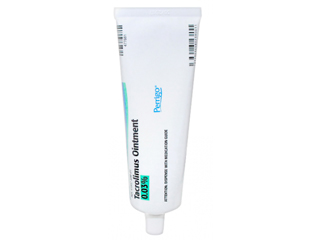
- Ointment for certain inflammatory skin conditions
Active ingredient: Tacrolimus
Medicine type: Immunosuppressant (calcineurin inhibitor)
Common strength: Varies by formulation and brand (your pharmacy label will show the exact strength)
Because tacrolimus has a narrow therapeutic range, the exact product (especially immediate-release vs prolonged-release), your dose, and your blood test results are all important.
2) How tacrolimus works (mechanism of action)
Tacrolimus suppresses immune activity by blocking a pathway inside immune cells. Specifically, it inhibits the calcineurin enzyme. This reduces the activation of T-lymphocytes (a type of white blood cell) and lowers immune responses that can damage transplanted tissue or contribute to inflammatory/immune-driven disease.
In practical terms, tacrolimus helps your immune system become less aggressive—reducing the risk of rejection and, in some conditions, calming inflammation.
3) Pharmacokinetics (how your body handles tacrolimus)
Tacrolimus is absorbed through the gut, then distributed throughout the body. Key points include:
- Variable absorption: Tacrolimus levels can differ between people and even from day to day.
- Narrow therapeutic range: Too little may be ineffective; too much may increase side effects.
- Blood level monitoring: Many patients require periodic blood tests to check tacrolimus concentration.
- Metabolism: It is mainly broken down in the liver (and partly in the gut) by enzymes such as CYP3A4/5.
- Drug interactions: Many medicines can raise or lower tacrolimus levels.
Important: If you switch formulations (e.g., immediate-release to prolonged-release) or brands, your dosing may need adjustment, and blood levels may need re-checking.
4) Typical uses in the UK
Tacrolimus is used for:
- Prevention of graft rejection in organ transplantation (commonly kidney, liver, and other solid organs).
- Treatment of certain immune-mediated conditions, depending on formulation and clinical judgement. (For example, tacrolimus ointment may be used for specific inflammatory skin problems such as atopic dermatitis.)
For skin conditions, tacrolimus ointment works locally and is not the same as oral tacrolimus. The instructions, frequency, and precautions differ by formulation.
5) Indications and choosing the right formulation
“Tacrolimus” can refer to different products. Your intended indication determines which formulation is used.
| Formulation | Typical indication examples | Where it acts |
|---|---|---|
| Oral capsules (immediate-release) | Prevention of organ rejection in transplant patients | Whole body (systemic) |
| Oral capsules (prolonged-release / modified-release) | Prevention of rejection in certain transplant regimens | Whole body (systemic), with steadier release |
| Tacrolimus ointment | Inflammatory skin conditions such as atopic dermatitis | Skin (local) |
If you are unsure which product you have, check the label on your pack. Always use the exact formulation you were started on.
6) Dosing guidance (general information for patients)
Dosing of tacrolimus depends on the formulation, your transplant type/clinical condition, other medicines, and (for oral tacrolimus) blood test results. Your healthcare team will set your dose and adjust it when needed.
Oral tacrolimus (capsules)
- Take at consistent times: Try to take it the same times each day.
- Do not change the dose without advice: Small changes can affect blood levels.
- Blood tests are common: Levels may be checked regularly, especially after starting or changing therapy.
- Missed dose: If you miss a dose, take it when you remember unless it is close to the time of the next dose. Do not double up.
Prolonged-release (modified-release) capsules
- Swallow whole: Typically, these capsules should not be crushed or split unless your product instructions say otherwise.
- Keep the regimen consistent: Switching timing (e.g., with or without food) can affect levels.
Tacrolimus ointment (skin)
- Apply as directed to the affected areas only.
- Use a thin layer unless advised otherwise.
- Wash hands after application (unless treating the hands).
For both oral and topical forms, follow the exact directions on your medicine label and any accompanying patient information leaflet.
7) Timing: when to take tacrolimus
Oral tacrolimus can interact with food and drink, which may change absorption. Some regimens ask patients to take tacrolimus with or without food to improve consistency.
- Consistency is key: If your regimen says “take with food” or “take on an empty stomach,” follow that instruction.
- Follow your local instructions: Different products and hospital regimens may use different timing.
If you are unsure how your specific product should be taken (with food vs without), check the medicine information leaflets or speak with your pharmacist.
8) Food interactions (what to avoid or be careful with)
Food can affect tacrolimus levels. The most important interactions include certain beverages and foods that influence enzymes involved in drug metabolism.
- Grapefruit and grapefruit juice: Generally avoid, as it can increase tacrolimus levels.
- Other fruit juices: Some may also affect metabolism—check with a pharmacist if you are unsure.
- High-fat meals: May alter absorption; aim for consistent meal patterns as directed.
If you have changed your diet (e.g., regularly switching from meals without to with food), inform your healthcare team, particularly if you are being monitored with blood tests.
9) Alcohol interactions and practical advice
Alcohol may not directly “block” tacrolimus in the way some foods do, but it can still affect your health and drug safety. In transplant or immunosuppressed patients, alcohol can increase risks through:
- Liver strain: Tacrolimus is metabolised in the liver; heavy drinking can worsen liver-related risk.
- Kidney concerns: Some side effects or dehydration can be more likely with heavy alcohol intake.
- Higher infection risk: Alcohol misuse can weaken immune function.
Practical approach: If you choose to drink alcohol, keep it moderate and consistent with any advice from your clinician. If you have liver disease or abnormal liver tests, discuss alcohol specifically with your healthcare team.
10) Medicine interactions (vitally important)
Tacrolimus interacts with many medicines that influence the CYP3A4/5 enzyme system (and transport proteins). These interactions can significantly change tacrolimus blood levels.
Medicines that may increase tacrolimus levels
- Some antibiotics (e.g., macrolides)
- Antifungal medicines (e.g., azoles)
- Some HIV medicines
- Some medicines for stomach acid (the effect can vary)
- Other drugs that inhibit CYP3A4/5
Medicines that may decrease tacrolimus levels
- Rifampicin and similar antibiotics
- Some anticonvulsants (anti-epileptics)
- St John’s wort (an herbal product)
- Some other medicines that induce CYP3A4/5
Always check
- Tell your pharmacist about all medicines you take, including OTC medicines, vitamins, and herbal products.
- If a new medicine is started, ask whether it affects tacrolimus levels and whether blood tests are needed.
11) Safety profile: what to watch for
Tacrolimus can cause side effects. Because it suppresses the immune system, it can increase vulnerability to infections. It can also affect the kidneys and other organs, especially at higher blood levels.
Common or important potential side effects
- Infection risk: more frequent infections or unusual infections
- Kidney effects: possible changes in kidney function (blood/urine tests may be used to monitor)
- High potassium or low magnesium: blood tests may detect electrolyte changes
- Nervous system effects: headache, tremor, dizziness (varies between people)
- Gastrointestinal effects: nausea, diarrhoea
- High blood sugar: tacrolimus can affect glucose levels in some patients
Serious symptoms — seek urgent medical help
Contact urgent medical services or seek prompt medical attention if you experience:
- Signs of serious infection (e.g., fever, chills, persistent severe cough, painful urination)
- Breathlessness or chest pain
- Severe or persistent diarrhoea or dehydration
- Allergic reaction (swollen face/lips, difficulty breathing, widespread rash)
- Unusual neurological symptoms (e.g., severe confusion, sudden weakness)
For skin ointment, stop and get advice if you develop a severe local reaction, worsening symptoms, or signs of infection in the treated skin.
12) Practical use tips for patients
- Take tacrolimus at the same times daily to maintain steadier levels.
- Don’t switch brands/formulations without checking with your pharmacist. Immediate-release and prolonged-release products are not always interchangeable.
- Keep up with blood tests if you are taking oral tacrolimus. Monitoring is a key part of safe use.
- Track your regimen (e.g., a pill organiser) to avoid missed doses.
- Hydration matters—follow any advice from your clinician, especially if you have kidney concerns.
- Infection prevention: practice good hand hygiene, avoid close contact with people who are seriously ill, and report infections early.
- Sun protection (topical tacrolimus): if you are using ointment, protect treated areas from excessive sunlight.
If you ever feel unwell, especially with fever or signs of infection, it is important to seek advice promptly. Do not stop tacrolimus suddenly unless a clinician instructs you to.
13) Alternative options
Tacrolimus is not the only immunosuppressant available. Alternatives depend on the condition being treated and your individual risk factors. Options commonly considered by clinicians include:
- Ciclosporin (another calcineurin inhibitor)
- Sirolimus/everolimus (mTOR inhibitors)
- Azathioprine or mycophenolate (often used in combination regimens)
- For skin conditions: topical therapies such as corticosteroids, and non-steroidal topical options (depending on severity)
Your clinician will select alternatives based on your diagnosis, transplant type (if applicable), overall health, drug interactions, and laboratory monitoring results. Switching between agents should always be managed carefully.
14) UK market and legal context
In the UK, medicines such as tacrolimus are regulated under the Medicines and Healthcare products Regulatory Agency (MHRA). Pharmacists and prescribers follow national medicines guidance, and products must have appropriate authorisation for sale and use.
Tacrolimus is considered a high-risk medicine requiring careful supply and patient counselling, particularly because:
- levels can vary and monitoring may be needed
- drug interactions are common and can be clinically significant
- consistent adherence is essential to reduce rejection risk (for transplant patients)
The exact regulatory status, brand availability, and formulation details can change over time. Your pharmacy can confirm what is available and suitable for your needs.
15) Recent guidance and monitoring themes (UK-focused)
While specific “recent guidance” can vary by year and by health service, the ongoing themes in UK practice typically include:
- Stricter emphasis on consistency of tacrolimus formulation and timing.
- Continued use of blood-level monitoring for oral tacrolimus, especially after dose changes or interacting medicines.
- Careful review of interactions with antibiotics, antifungals, HIV medicines, and herbal products (e.g., St John’s wort).
- Patient education on infection prevention, when to seek urgent help, and adherence strategies.
If you have recently changed your medicines, developed an infection, or started a new diet supplement, it’s especially important to update your pharmacist/clinical team so monitoring can be adjusted where necessary.
16) Delivery and availability in the UK
Availability depends on formulation (oral capsules, prolonged-release, or ointment), strength, and current stock levels. Many pharmacies in the UK can supply tacrolimus products, but specialist medicines may be subject to ordering schedules.
- Packaging: Tamper-evident packaging is common for prescription medicines.
- Cold chain: Tacrolimus is typically stored at controlled room temperature unless your specific product leaflet states otherwise.
- Delivery timelines: Vary by supplier and local logistics; your online pharmacy typically shows estimated delivery times at checkout.
- Substitution: Avoid brand/formulation switching without advice; your pharmacy may confirm substitution rules based on supply.
To help ensure you receive the correct product, check that the label matches the intended formulation and strength.
17) Storage information
Follow the storage instructions on your pack. In general:
- Keep out of sight and reach of children.
- Store at room temperature unless your leaflet specifies otherwise.
- Do not use after the expiry date shown on the pack.
18) FAQ — Frequently asked questions
How quickly does tacrolimus work?
For transplant-related use, tacrolimus is used long-term to prevent rejection, and effects occur as blood levels are established. For topical tacrolimus ointment, improvement in skin symptoms may take days to weeks, depending on condition severity. Your clinician can provide realistic expectations for your specific situation.
Can I take tacrolimus with food?
It depends on your exact product and your regimen. Some instructions advise taking it with food; others advise an empty stomach. Follow your label instructions and keep your routine consistent. If you change your usual meal timing, ask your pharmacist whether blood tests or adjustments are needed.
Do I need blood tests?
Often, yes for oral tacrolimus—especially after starting treatment, changing dose, switching brands/formulations, or starting interacting medicines. These tests help ensure your tacrolimus level stays within the safe and effective range for your situation.
What should I do if I miss a dose?
If you miss a dose, take it as soon as you remember unless it’s close to the next dose. Do not take a double dose. If you are unsure, consult your pharmacist. Do not stop tacrolimus suddenly without medical guidance.
Is grapefruit juice safe?
In general, it is advised to avoid grapefruit and grapefruit juice because they can increase tacrolimus levels. If you eat or drink fruit products regularly, check with your pharmacist.
Can I take over-the-counter medicines?
Some OTC products can interact with tacrolimus. Always tell your pharmacist what you are considering (including pain relief, cold/flu remedies, and herbal supplements). Avoid herbal products such as St John’s wort.
What infections should I be extra careful about?
Because tacrolimus suppresses the immune response, you should seek advice early for fever, persistent sore throat, urinary symptoms, unusual breathlessness, or infections that worsen quickly. Contact a healthcare professional promptly if you feel significantly unwell.
What about vaccinations?
Immunosuppressive medicines can affect vaccination plans. In many cases, live vaccines may be unsuitable. Ask your GP or transplant/infection team for personalised advice on which vaccines are appropriate.
Can I drink alcohol?
Moderate alcohol may be acceptable for some people, but heavy or frequent drinking can increase risks to your liver, kidneys, and overall health. If you have abnormal liver/kidney function or other complications, ask your pharmacist or clinician for specific guidance.
Is tacrolimus ointment different from tablets?
Yes. Tacrolimus ointment is applied to the skin and generally affects the local area. Oral tacrolimus works throughout the body and has different safety considerations, including the need for monitoring. Always use the correct formulation for your treatment plan.
Summary
Tacrolimus is a powerful immunosuppressant used in the UK for transplant care and certain immune-related conditions. It works by reducing T-cell activity via calcineurin inhibition. Because absorption can vary and blood levels are important for safety, oral tacrolimus often requires monitoring and careful attention to interactions—especially with other medicines and grapefruit. By following consistent timing, maintaining recommended blood tests, and reporting symptoms early, many patients can use tacrolimus safely.