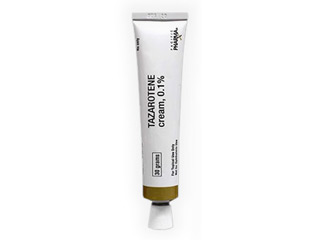
Tazarotene (Topical) – Patient-Friendly Guide (UK)
Tazarotene is a topical medicine used for certain skin conditions where improving skin cell turnover and reducing abnormal thickening and inflammation can help. This guide explains what tazarotene is, how it works, how to use it safely and effectively, and what to expect in the UK setting.
| Topic | What you should know |
|---|---|
| Generic name | Tazarotene (topical retinoid) |
| Common forms | Cream or gel (strength varies by product) |
| How it works | Normalises skin cell turnover and helps reduce inflammation |
| Typical directions | Usually applied once daily to affected areas, often in the evening |
| Common early effect | Dryness, redness, or mild irritation may occur at first |
| Key skin care tip | Moisturiser and gradual build-up can reduce irritation |
| UK availability | Availability can vary by brand/strength; check product listing and pharmacy advice |
Basic product information
What is tazarotene?
Tazarotene is a topical retinoid—a medicine related to vitamin A. Applied to the skin, it influences how skin cells grow and mature.
What is it used for?
In the UK, tazarotene is commonly prescribed/used for conditions such as:
- Plaque psoriasis (a chronic condition with thick, scaly patches)
- Acne vulgaris (in some strengths and product indications)
- Other retinoid-responsive skin concerns depending on the product’s licence and local guidance
Where do people apply it?
Usually to affected areas only. Do not apply to broken skin, eyes, lips, or inside the nostrils.
Mechanism of action (how it works)
Tazarotene helps by:
- Normalising skin cell turnover: It encourages more regular differentiation of skin cells.
- Reducing abnormal thickening: In conditions such as psoriasis, it can reduce scaling and plaque thickness.
- Anti-inflammatory effects: Retinoids can help calm inflammation in the skin over time.
- Improving clogged pores and acne-related changes: For acne, it can support changes in how pores and follicle lining cells behave.
It is not an instant “soother.” For many people, noticeable improvement takes weeks because skin renewal and scaling changes occur gradually.
Pharmacokinetics (absorption and what happens in the body)
Absorption through the skin:
Tazarotene is applied to the skin and is minimally absorbed compared with medicines taken by mouth. However, some absorption can occur, particularly if applied to large areas, on broken/irritated skin, or under conditions that increase penetration.
Metabolism:
Any absorbed tazarotene is mainly broken down in the body (metabolised) into compounds that have reduced or different activity compared with the parent drug.
Excretion:
Metabolites are eliminated primarily via urine and faeces after processing by the liver and other pathways.
Practical takeaway: Although systemic exposure is generally low, it is still important to use tazarotene exactly as directed and avoid applying more than recommended.
Typical use, timing, and how to apply
When to use:
Most people use tazarotene once daily, often in the evening (because it can be more convenient and some users prefer it when sun exposure is lower).
Step-by-step application (general guidance):
- Cleanse the skin gently and pat dry.
- Wait until the skin is completely dry before applying.
- Apply a thin layer to affected areas only.
- Wash your hands after application.
- Use moisturiser as advised (see “Practical use tips” below).
How much to use:
Follow the exact product instructions. As a general principle, you should use only enough to cover the treatment area thinly. Over-application increases irritation without usually improving results.
How long to expect results:
- Early changes (less roughness or reduced scaling): may start after 2–4 weeks.
- More visible improvement: often 4–8 weeks (varies by condition and skin type).
- Full benefit: may take several months, especially for plaque psoriasis.
If irritation becomes significant:
It is common to experience dryness or redness initially. If burning, swelling, or intense irritation occurs, you may need to reduce frequency, use moisturiser more often, or pause temporarily—then seek advice.
Food interactions
Food interactions are not typically relevant for topical tazarotene, because the medicine is applied to the skin and not taken as a systemic oral dose. Unlike tablets, your meals do not usually affect absorption in a meaningful way.
However: If you are using multiple topical products (for example, cleansers, exfoliants, or other acne treatments), the timing of those products matters more than food.
Alcohol and medicine interactions
Alcohol:
There are no widely established direct interactions between alcohol and topical tazarotene. That said, alcohol may affect your skin—especially if it contributes to dehydration—potentially making dryness worse.
Other medicines and skin products:
Tazarotene may interact with other topical treatments that irritate the skin. In particular, use caution with:
- Other retinoids (topical or, in some cases, systemic medicines)
- Strong keratolytics (e.g., high-strength salicylic acid or glycolic acid products)
- Exfoliating scrubs or strong chemical peels
- Products with significant alcohol content (can worsen dryness)
- Medicines or cosmetics that are known irritants
Oral medicines:
Because tazarotene is topical with low absorption, there is usually less concern than for oral retinoids. Still, always inform your healthcare professional about any retinoid-containing medicines you use.
Indications (what tazarotene is used to treat)
Indications depend on the product licence and the strength/vehicle (cream/gel). In the UK, tazarotene is used for conditions such as:
- Plaque psoriasis: Helps reduce scaling and thickness in selected areas of skin.
- Acne vulgaris: Helps improve lesions and reduce abnormal cell shedding within follicles.
Not for:
Tazarotene is intended for specific skin conditions and should not be used on unspecified rashes. If you are unsure whether your condition is appropriate, seek advice.
Dosing (how often and how much)
General dosing approach:
- Frequency: commonly once daily.
- Amount: a thin layer covering the affected area.
- Duration: continue for the period recommended for your condition; reassess if no improvement after the expected timeframe.
Starting schedule to reduce irritation:
Some people find it helpful to use tazarotene slightly less frequently at first (for example, alternate evenings) and then increase to daily as tolerated—especially if your skin is sensitive. Always follow the instructions provided with your product and medical advice.
Special situations:
- Facial application: often requires extra caution because facial skin may be more reactive.
- Skin folds or delicate areas: may be more easily irritated.
- Large body areas: may increase absorption and irritation risk—use with guidance.
Safety profile and side effects
Tazarotene’s most common effects are local skin reactions. Many improve as your skin adapts to the medication.
Common side effects
- Dryness or flaking
- Redness
- Burning or stinging
- Itching
- Peeling
- Skin irritation at the application site
Less common but important reactions
- Severe irritation or rash
- Swelling of the treated area
- Blistering or intense pain
When to seek urgent advice:
If you develop signs of a severe allergic reaction (such as widespread swelling, difficulty breathing, or severe rash), seek urgent medical help.
Sun sensitivity (photosensitivity)
Tazarotene can make skin more sensitive to sunlight. Protect treated areas by:
- Using a broad-spectrum sunscreen (SPF 30 or higher)
- Wearing protective clothing when outdoors
- Avoiding deliberate sunbathing or solariums
Practical use tips (to improve tolerance and results)
- Apply to dry skin: After washing, pat dry and wait a few minutes before applying.
- Start slowly: If you’re prone to irritation, begin with fewer nights per week and build up.
- Use moisturiser strategically:
- Apply moisturiser before tazarotene (“buffering”) or after it, depending on your tolerance.
- Choose bland, fragrance-free emollients.
- Use the “pea-sized” rule (as appropriate): For small areas, use a small amount and spread thinly.
- Avoid corners of eyes and mouth: Use care to prevent contact with sensitive areas.
- Be cautious with other actives: On days you use tazarotene, consider limiting other potentially irritating treatments (unless your clinician advised otherwise).
- Do not wash immediately after: Leave it undisturbed long enough to absorb; typical guidance is to avoid washing the treated area right away.
- Expect an adjustment period: Early dryness or redness does not always mean treatment failure.
What to do if you miss a dose
If you miss a dose, apply it when you remember unless it is close to your next dose. Do not apply extra to “catch up.” If you are unsure, follow the product instructions or seek advice from your healthcare professional or pharmacist.
Alcohol, smoking, and skin comfort (general considerations)
While alcohol is not a direct interaction, it may indirectly affect skin comfort through dehydration. If your skin becomes very dry or irritated, consider:
- Increasing moisturiser use (as tolerated)
- Ensuring good hydration
- Avoiding additional irritants (harsh cleansers, strong exfoliants)
Alternative options
If tazarotene is not suitable, or if irritation is too difficult to manage, alternative treatments may include:
For plaque psoriasis
- Topical corticosteroids (often used for flare control)
- Vitamin D analogues (to reduce scaling and slow abnormal cell growth)
- Coal tar preparations (where appropriate)
- Phototherapy or systemic treatments for more extensive disease
For acne vulgaris
- Topical benzoyl peroxide
- Topical antibiotics in selected cases (often combined strategies)
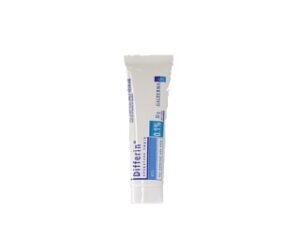
- Other retinoids (such as adapalene or tretinoin where available)
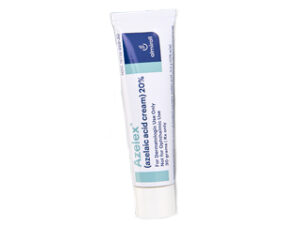
- Azelaic acid (for some people with sensitive skin)
Choosing an alternative: The best option depends on your skin type, severity, and tolerance. A clinician/pharmacist can help tailor treatment.
Market and legal context in the United Kingdom
In the UK, topical medicines are regulated through the Medicines and Healthcare products Regulatory Agency (MHRA) and must be appropriately authorised for their stated indications. Product availability may vary by brand, strength, and licensing.
Important notes for UK customers:
- Always check the product label for strength and indication.
- Follow the patient information leaflet included with the medicine.
- Pharmacy guidance may be required depending on the product and your situation.
- For skin conditions that affect large areas or cause significant distress, specialist advice may be recommended.
Recent guidance and practical expectations
UK practice has increasingly emphasised:
- Skin barrier support (moisturising and gentle cleansing)
- Gradual introduction of retinoid treatments to reduce irritation
- Sun protection and avoidance of unnecessary harsh actives during the adjustment period
- Clear patient counselling around what “normal early irritation” looks like versus when to stop and seek help
Local recommendations can also evolve for psoriasis and acne care pathways, including emphasis on appropriate use and safety monitoring.
Delivery and availability (UK)
Availability of tazarotene products can vary. When ordering online from a UK pharmacy, you should expect:
- Product confirmation at checkout (strength, form, and indication)
- Packaging suitable for medicines distribution
- Delivery estimates shown at purchase (times can vary by provider and location)
- Compliance with UK regulations for safe supply
Storage:
Store according to the label and leaflet. In general, keep medicines out of sight and reach of children and avoid excessive heat.
FAQ – Frequently asked questions
1) How fast will I see results?
Many people notice some improvement after 2–4 weeks, but clearer results often take 4–8 weeks or longer depending on the condition. If there is no improvement after the expected time, speak to a pharmacist or clinician.
2) Is tazarotene safe for sensitive skin?
Tazarotene can cause irritation, especially at the beginning. People with sensitive skin may benefit from gradual introduction, careful moisturising, and avoiding other irritating products. If you experience severe burning or swelling, seek advice promptly.
3) Can I use makeup or sunscreen?
Yes, often you can. Apply sunscreen during the day, especially since the skin may be more sun-sensitive. For makeup, choose non-irritating options and apply only once the skin is comfortable and products have fully absorbed.
4) Can I combine tazarotene with moisturisers?
Yes. Many users find moisturiser essential. You can apply moisturiser either before or after tazarotene depending on comfort. If you use a moisturiser that stings, try a different bland, fragrance-free product.
5) What should I avoid while using tazarotene?
- Avoid harsh cleansers, scrubs, and strong exfoliating acids on the treated area
- Avoid sun exposure and tanning beds; use sunscreen
- Avoid applying near the eyes, corners of the nose, or lips
6) What if my skin becomes very red or itchy?
Mild irritation can be expected initially. If symptoms are intense (significant burning, swelling, blistering, or worsening rash), stop and seek advice. A clinician or pharmacist may suggest reducing frequency, changing moisturiser strategy, or switching treatment.
7) Can I drink alcohol?
There are no widely recognised direct interactions between alcohol and topical tazarotene. If alcohol makes you feel dehydrated or worsens dryness, consider moderating intake and focusing on moisturising.
8) Does tazarotene interact with other medicines?
Topical interactions are usually the main concern—particularly with other retinoids or strongly irritating skincare actives. If you’re using other skin treatments, inform your pharmacist so they can advise on safe spacing and compatibility.
9) Is there any effect from food?
Food does not usually affect topical tazarotene, because it is applied to the skin. Food interactions are not typically expected.
10) What should I do if I get it in my eyes?
Rinse immediately with plenty of cool water and avoid further application until the area is comfortable. If irritation persists, seek medical advice.
11) Can tazarotene be used on broken skin?
No. Avoid applying to cuts, eczema flares, sunburn, or other broken/irritated skin unless your healthcare professional has specifically advised it.
Summary
Tazarotene is a topical retinoid that can help treat conditions such as plaque psoriasis and, depending on product licence and strength, acne. It works by influencing skin cell growth and differentiation and may reduce inflammation and scaling over time. The main challenge for many users is early dryness and irritation, which can often be managed with gradual introduction, moisturising, and careful avoidance of irritating skincare products.
If you are unsure which tazarotene strength or regimen is right for you, or if you experience significant side effects, consult a qualified healthcare professional or pharmacist for personalised guidance.