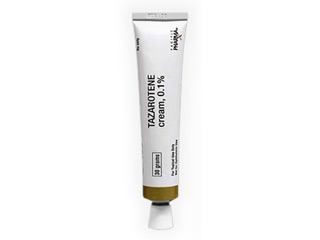
Tazorac (Tazarotene) – Patient Information for the UK
Tazorac is a brand of tazarotene, a topical medicine used to treat certain skin conditions, particularly acne and psoriasis. It belongs to a group of medicines called retinoids (vitamin A–related medicines). Tazorac works by helping skin cells renew in a more normal way and by reducing inflammation.
This guide is written to be patient-friendly and UK-focused. It explains how Tazorac works, how to use it safely, what to expect at the start of treatment, and where to get help if you have questions or concerns.
Basic product information
| Feature | Details |
|---|---|
| Active ingredient | Tazarotene |
| Medicine type | Topical retinoid (applied to the skin) |
| Common strengths | Often supplied as creams/gels in different strengths depending on the condition (your product pack will specify). |
| How it’s used | Usually applied once daily in the evening to the affected area |
| Typical skin effects | Reduces blockage of pores, smooths rough or scaly skin, and improves texture |
Note: Always check your specific pack for the exact strength and directions. Different conditions may require different products or usage patterns.
How Tazorac works (mechanism of action)
Tazarotene is a prodrug that is converted in the skin to its active form. It influences the way skin cells grow and mature.
- Normalises cell turnover: helps reduce excessive skin cell growth and shedding.
- Unclogs pores: may help reduce comedones (blocked pores) in acne.
- Anti-inflammatory effects: can reduce inflammation linked with acne and other inflammatory skin conditions.
- Improves skin texture: can help soften rough patches in conditions such as plaque psoriasis.
Because it works at a cellular level, results usually take time. Early side effects such as dryness and redness can happen as your skin adjusts.
Pharmacokinetics (how the body handles tazarotene)
Topical retinoids are designed to act mainly in the skin. With careful use, absorption through skin is generally limited.
- Absorption: Tazarotene is absorbed through the skin to a limited extent, depending on factors such as area treated, skin condition, and how often it’s applied.
- Conversion in the skin: it is metabolised to an active metabolite in the skin.
- Metabolism: further processed in the body after absorption.
- Elimination: metabolites are cleared mainly via urine and bile pathways.
In general, because systemic exposure is low when used correctly, most patients experience effects mainly at the site of application. However, it’s still important to use it as directed and avoid unnecessary use on large areas, broken skin, or with occlusive dressings unless advised.
Typical use and timing
Tazorac is typically used . Night-time use helps reduce exposure of treated skin to sunlight during the day (retinoids can make skin more sensitive to UV light).
- Best time: evening or bedtime.
- Consistency matters: use regularly for best outcomes.
- Start slowly: to reduce irritation, many people begin with a smaller amount or apply every other night for the first 1–2 weeks.
Indications (what Tazorac is used for)
In the UK, tazarotene-containing products may be used for conditions where retinoid therapy is helpful. The exact indication depends on the formulation and strength. Common uses include:
- Acne (selected presentations): helps reduce clogged pores and supports clearer skin over time.
- Plaque psoriasis (selected presentations): may reduce scaling and thickness of plaques.
- Other dermatological conditions: availability and licensing can vary, so always follow the guidance on your product packaging or local healthcare advice.
Important: Tazorac is for the skin. It should not be used on the eyes, lips, mouth interior, or inside the nostrils.
Dosing and how to apply
Use Tazorac exactly as directed on your medicine label or the written instructions provided with your product.
General dosing principles
- Once daily: for most regimens, apply once per day in the evening.
- Thin layer: apply a small amount to cover the affected area lightly.
- Avoid over-application: more is not necessarily better and may increase irritation.
- Hands: wash hands after applying (unless you’re using it to treat your hands).
Step-by-step practical application (patient-friendly)
- Wash and dry: cleanse the skin gently and pat dry completely.
- Wait if skin is damp: applying to slightly damp skin can increase irritation for some people.
- Apply thinly: use a small amount and spread evenly over the area to be treated.
- Avoid “problem zones”: avoid eyelids, corners of the nose and mouth, and any broken or irritated skin.
- Moisturiser: if you’re prone to dryness, you may use a moisturiser before or after (depending on tolerance). Many people benefit from applying moisturiser first (“sandwiching”).
- Let it absorb: allow it to dry before applying other skincare products.
What to do if you miss a dose
- If you forget a dose, apply it when you remember only if it’s close to the usual time.
- If it’s near the next scheduled dose, skip the missed one.
- Do not apply double to make up for it.
What to expect: irritation and early results
In the first weeks, many patients notice:
- Dryness or tightness
- Redness
- Peeling or mild burning/stinging
- Increased sensitivity
These effects often improve as your skin adjusts. If irritation is significant, you can discuss adjusting frequency (e.g., every other night) and using moisturisers.
Results timeline (typical):
- 2–4 weeks: early changes may appear; dryness may be most noticeable.
- 6–12 weeks: more noticeable improvement in texture and lesions for many people.
- 3–6 months: fuller benefit, especially for psoriasis-related plaque control.
Individual response varies.
Food interactions
Food interactions are generally not expected with a topical medicine like Tazorac. The active ingredient is applied to the skin and has limited systemic absorption when used as directed.
However, if you experience side effects (e.g., significant irritation) or take other medicines that affect the skin or immune system, it’s still worth discussing with a healthcare professional. Also, avoid “mixing” with other topical products that may increase irritation without advice.
Alcohol and medicine interactions
Alcohol
There is usually no direct interaction between topical tazarotene and alcohol. That said, alcohol can worsen dehydration and skin dryness, which may make retinoid irritation feel worse.
If you notice burning or excessive dryness after alcohol-containing drinks (or after going out in sun), consider reducing alcohol intake and increasing moisturising and sun protection.
Other medicine interactions (topical and systemic)
Because Tazorac is applied to the skin, interactions are mainly about local skin effects. Avoid combining with other products that may be harsh or drying on the same area unless advised.
- Other retinoids: combining with similar vitamin A–related products can increase irritation.
- Strong exfoliants: products like scrubs, chemical exfoliants (e.g., high-strength acids), or abrasive cleansers may cause excessive irritation.
- Other potentially irritating agents: some acne products (e.g., strong benzoyl peroxide regimens), may be tolerated but can also increase dryness—often best introduced gradually.
- Photosensitising products: medicines or skincare that increase sun sensitivity may add to UV risk.
Systemic retinoids: avoid using another retinoid medicine at the same time unless specifically instructed by a clinician, because of the potential for increased retinoid-related effects.
If you’re unsure about a specific cream, gel, or tablet you take, check the product labels or speak with a pharmacist.
Safety profile and side effects
Like all medicines, Tazorac can cause side effects. Most are due to irritation of the skin where it is applied.
Common side effects
- Skin redness, irritation, or burning
- Dryness and flaking
- Peeling or mild swelling
- Itching
- Skin sensitivity to sunlight
Less common or severe reactions (seek advice promptly)
- Severe rash or blistering
- Swelling of face, lips, or eyes
- Intense pain at the application site
- Signs of infection where skin is damaged
If you develop severe symptoms, stop using the product and seek medical advice immediately.
Warnings and key precautions
- Sun exposure: treated skin may burn more easily. Use daily sun protection (see tips below).
- Avoid broken skin: applying to cuts, eczema flare areas, or sunburn can increase burning and absorption.
- Do not apply to sensitive areas: eyes, mouth corners, eyelids, or genitals unless specifically directed.
- Pregnancy and breastfeeding: retinoids can be harmful in pregnancy. If you are pregnant, planning pregnancy, or breastfeeding, consult a healthcare professional before use. Use contraception advice from your healthcare team if relevant.
Hydration and barrier care are especially important when starting.
Practical use tips for better tolerance
- Start slowly: begin every other night if you’re prone to irritation, then increase as tolerated.
- Moisturise: use a gentle moisturiser. “Sandwiching” (moisturiser → Tazorac → moisturiser) can reduce dryness for some people.
- Gentle cleanser only: avoid harsh soaps. Choose a mild, fragrance-free cleanser.
- Use the right amount: a pea-sized amount is often enough for a small face area; use less than you think you need.
- Hands and hairline: wash hands after application; avoid getting product on hair or brows if it irritates your scalp.
- Watch the weather: wind/cold can increase dryness—apply moisturiser more frequently.
- Do not “double up” to compensate: irritation risk may rise without increasing benefit.
Sun protection advice (important)
- Apply a broad-spectrum SPF in the morning.
- Avoid prolonged direct sun exposure, especially during early treatment.
- If you use Tazorac at night, keep the treated area protected during daytime.
Alternative options for acne and psoriasis
If Tazorac is not suitable or causes unacceptable irritation, there are other treatment options available in the UK. Alternatives may include:
For acne
- Topical benzoyl peroxide
- Topical antibiotics (often combined with benzoyl peroxide)
- Topical salicylic acid or other keratolytics
- Azelaic acid
- For moderate-to-severe acne: systemic options may be considered by clinicians
For plaque psoriasis
- Topical corticosteroids
- Vitamin D analogues (e.g., calcipotriol-based therapies)
- Emollients and moisturisers
- For more extensive disease: phototherapy or systemic treatments through specialist care
The best option depends on the exact diagnosis, skin sensitivity, severity, and your other skincare routine.
Market and legal context in the United Kingdom
In the UK, medicines are regulated by the Medicines and Healthcare products Regulatory Agency (MHRA) and must be authorised for supply in line with UK medicine regulations. Products containing tazarotene are subject to regulatory controls based on their classification, indication, and safety considerations.
Availability may vary by strength and formulation. When buying online, choose a reputable UK-licensed pharmacy and check:
- That the product name and active ingredient match what you need
- That the strength is appropriate for your condition
- Clear product labelling and patient instructions
- Privacy and secure ordering
Recent guidance note: UK skincare and retinoid use continues to emphasise careful barrier care, sun protection, and appropriate counselling around pregnancy-related safety. Always follow the most current advice available from your healthcare professional and the medicine’s official leaflet.
Delivery and availability (UK online pharmacy)
Availability of Tazorac may depend on stock levels, the chosen strength, and packaging size. A reputable UK online pharmacy typically provides:
- Real-time stock status or clear “dispatch” estimates
- Multiple delivery options (e.g., standard and tracked delivery)
- Secure packaging to protect the product
- Tracking updates where available
Dispatch and delivery times: delivery schedules depend on local distribution and courier services. At checkout you should see estimated delivery times.
If you need urgent advice about how to use Tazorac or you have concerns about suitability, speak with a pharmacist before starting.
Frequently Asked Questions (FAQ)
1) What is Tazorac used for?
Tazorac contains tazarotene and is used to treat certain skin conditions such as acne and plaque psoriasis, depending on the specific licensed presentation and strength.
2) How do I apply Tazorac?
Apply a thin layer to the affected skin once daily, typically in the evening, onto clean and completely dry skin. Avoid eyes, mouth, and broken skin. Wash your hands after applying.
3) How long does it take to work?
Some people notice changes after a few weeks, but clearer results commonly appear over 6–12 weeks. For conditions like psoriasis, improvement may take longer (often several months).
4) Will I feel burning or irritation at first?
Some redness, dryness, or mild burning may occur, especially during the first 1–2 weeks. If irritation is severe, reduce frequency and moisturise, and seek advice from a pharmacist or clinician.
5) Can I use moisturiser with Tazorac?
Yes, moisturiser is often helpful. Many people apply moisturiser before and/or after Tazorac. If you get stinging, try using moisturiser first (the “sandwich” method) and ensure the skin is fully dry before applying.
6) Can I use Tazorac in the daytime?
It’s usually recommended in the evening. Night-time helps reduce sun sensitivity. If you apply during the day, use strict sun protection and follow advice on your product label.
7) Does food affect Tazorac?
No meaningful food interactions are expected with topical Tazorac. The key focus is skincare compatibility and sun protection.
8) Can I drink alcohol while using Tazorac?
There is typically no direct interaction. However, alcohol may worsen skin dryness in some people, which can make side effects feel worse.
9) What should I avoid using with Tazorac?
Avoid combining with other strong irritants or retinoids on the same area unless advised. This includes harsh exfoliants and other vitamin A–related products that could increase irritation. If you’re using acne treatments, introduce them carefully and consider spacing out application.
10) Is Tazorac safe in pregnancy?
Retinoids can be harmful in pregnancy. If you are pregnant, planning pregnancy, or breastfeeding, seek medical advice before using tazarotene. Discuss contraception and safety guidance with a healthcare professional.
11) What if I miss a dose?
Apply it when you remember if it’s close to the usual time. Otherwise, skip and continue with the next dose. Do not double up.
12) Where should I apply it?
Apply only to the affected skin areas as directed. Do not apply around the eyes, mouth corners, eyelids, or on inside mucous membranes unless a clinician has specifically advised.
Need personalised advice? If you’re unsure whether Tazorac is suitable for your condition, have significant skin irritation, or are concerned about interactions with your current skincare or medicines, contact a pharmacist or healthcare professional.