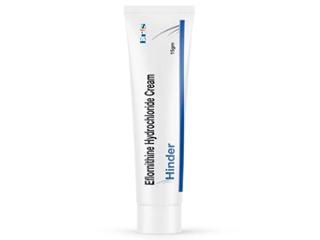
Vaniqa (Eflornithine) Cream — Patient Guide (UK)
Vaniqa is a prescription-only skin cream containing eflornithine, a medicine used to reduce unwanted facial hair in specific situations. This guide explains how it works, how to use it, what to expect, and important safety and interaction information.
This information is written for people in the United Kingdom and is intended to be patient-friendly. It does not replace advice from a healthcare professional.
Quick overview
- Medicine: Vaniqa (eflornithine)
- Form: Cream for topical use
- Typical goal: Reducing unwanted facial hair growth (not hair removal like shaving)
- Where it’s used: Facial hair (commonly women; use depends on individual assessment)
- How it works: Slows the production of hair growth signals in skin
- Typical results: Often after several weeks of consistent use
Basic product information
| Category | Details |
|---|---|
| Active ingredient | Eflornithine |
| Strength | Commonly supplied as 11.5% w/w cream (as per product formulation in many markets) |
| Route | Topical (applied to skin) |
| Common area | Facial skin where unwanted hair is present |
| How supplied | Tube/pack size varies by brand listing |
Note: Always confirm the exact strength and instructions on the package leaflet you receive.
What Vaniqa is used for (indications)
Vaniqa is used to help reduce the growth of unwanted facial hair in adults with appropriate indications, particularly when long-term hair reduction is desired rather than short-term removal.
It is designed to work on the growth process within hair follicles, helping hair become finer and grow more slowly over time.
- Common target area: Unwanted facial hair
- Not intended for: Removing hair immediately (e.g., it won’t replace shaving, waxing, or threading for instant results)
How it works (mechanism of action)
Eflornithine works by interfering with a key step in the production of polyamines, substances that support rapid cell growth. Hair follicles require growth-related chemical pathways to maintain active hair production.
By inhibiting the enzyme responsible for polyamine production, eflornithine helps slow down hair growth activity within treated skin, leading to reduced and/or slower growth of unwanted facial hair.
Pharmacokinetics (how the body handles it)
Because Vaniqa is applied to the skin, only small amounts of eflornithine are expected to enter the bloodstream. The systemic absorption is generally low when used as directed.
- Absorption: Limited systemic absorption via skin
- Distribution: Any absorbed amount is distributed through the body, but typical exposure is low
- Metabolism and excretion: Absorbed medicine is eliminated by the body, mainly through normal excretory processes
Individual absorption can be higher if the cream is applied to large areas, on broken/irritated skin, or under non-standard conditions. For this reason, follow application instructions carefully and avoid applying to irritated or damaged skin.
When to use it and expected timing
Vaniqa is a maintenance-style treatment. If you stop, hair growth usually gradually returns to prior levels. Consistent use is important for meaningful reduction.
- Start-up period: Allow time for hair cycle changes
- Typical improvement: Many people notice gradual improvement over several weeks
- Best assessment: Results are usually evaluated after a course of consistent use (commonly around 4–8 weeks)
Important: Do not judge early results after only a few days. The hair growth process takes time.
How to apply Vaniqa (dosing and practical use)
The usual regimen is designed for topical use on facial skin. Follow the instructions supplied by your pharmacist/healthcare professional. The guidance below is typical.
Typical dosing
- Frequency: Apply a thin layer to the affected facial area
- Spacing: Commonly twice daily (about 12 hours apart)
Aim for an even, thin layer over the unwanted hair-bearing areas. Avoid applying to the eyes, lips, nostrils, or any mucous membranes.
Step-by-step instructions
- Clean and dry the skin before applying. Use a gentle cleanser and pat dry.
- Apply a thin layer of cream to the areas with unwanted facial hair. Rub in lightly and evenly.
- Wash your hands after application (unless your hands are the treated area, which is not typical).
- Allow to dry on the skin before covering with cosmetics.
- Continue regularly as directed to maintain effects.
What about shaving, waxing, or hair removal?
Vaniqa works to reduce hair growth over time, but it does not remove hair instantly. Many people shave or use other hair removal methods to manage appearance while using the cream.
- Shaving: Usually compatible, but wait for the skin to be calm before applying cream after shaving.
- Waxing/depilatory creams: May irritate skin; if you plan to use them, consider timing carefully and avoid applying Vaniqa on irritated skin.
- Threading/plucking: Avoid applying cream to broken or inflamed skin.
Food interactions
There are no known clinically important food interactions for Vaniqa because it is applied to the skin and systemic absorption is limited. However, if you have digestive or medication concerns, discuss them with a healthcare professional.
Alcohol and medicine interactions
Alcohol
No specific alcohol interaction is expected from topical eflornithine, as absorption into the bloodstream is low. Still, if alcohol-based products irritate your skin (e.g., aftershaves or strong toners), you may experience greater local dryness or irritation.
Other medicines
Significant interactions are not expected in most people when Vaniqa is used as directed on intact skin. However, skin reactions can occur when multiple topical products are used together.
- Topical products: Be cautious with strong exfoliants, retinoids, acids (e.g., glycolic/salicylic), or medicated creams that may irritate.
- Skin irritation: If you develop burning, redness, or rash, stop and seek advice before continuing.
- Other systemic medicines: If you take medicines that affect your skin or immune system, it’s sensible to discuss with a clinician.
If you’re using other creams or treatments on your face, keep a note of what you use and ask your pharmacist whether any adjustment is recommended during treatment.
Safety profile and side effects
Most people tolerate Vaniqa well, but like all medicines it can cause side effects. Because it is applied to skin, the most common reactions involve the treated area.
Common side effects (local skin effects)
- Burning or stinging sensation
- Redness
- Dryness or irritation
- Itching
- Follicle-related reactions such as mild skin discomfort
Less common / serious reactions
Seek prompt medical advice if you experience signs of a severe reaction, including:
- Swelling of the face, lips, or eyelids
- Hives or widespread rash
- Severe blistering or skin peeling
- Breathing difficulties (call emergency services)
Who should be extra cautious?
- Sensitive or easily irritated skin
- People with eczema or frequent facial irritation
- Anyone who develops significant redness/burning during treatment
Pregnancy and breastfeeding
If you are pregnant, trying to conceive, or breastfeeding, you should discuss use with a healthcare professional. They will assess the potential benefits and risks for your situation.
Practical use tips for the best results
- Be consistent: Use twice daily as directed rather than “when you remember.”
- Use a thin layer: More cream is not usually better and may increase irritation.
- Avoid irritated skin: Do not apply to broken skin or areas that are actively inflamed.
- Keep away from eyes and lips: If it gets into eyes, rinse thoroughly with water and seek advice.
- Moisturise if needed: If dryness occurs, choose gentle, non-irritating moisturisers and apply at a different time if recommended.
- Consider your routine: On days you use strong skincare actives, irritation risk may increase—discuss scheduling with a pharmacist.
- Track progress: Take photos under similar lighting about once a month to objectively monitor changes.
Stopping and switching treatments
If Vaniqa is stopped, hair growth typically returns gradually to previous levels. If you want to stop or switch to another method (for example, laser or electrolysis), speak to a professional about the safest way to transition, especially if you have skin sensitivity.
If you want to combine Vaniqa with other hair-reduction strategies, a tailored plan can help minimise irritation and improve outcomes.
Alternative options for unwanted facial hair (UK)
Several approaches can help manage unwanted hair. Which option is best depends on your skin type, hair thickness, cost, and how quickly you want results.
Non-medicine and cosmetic options
- Shaving: Quick, temporary; may need frequent repeat.
- Waxing and depilatory creams: Can irritate some skin types.
- Threading: Temporary; avoid applying products on irritated skin.
Procedural options
- Laser hair reduction: Often effective for many skin/hair colour combinations; usually requires multiple sessions.
- Electrolysis: Can target individual follicles; typically involves multiple treatments.
Other medical approaches
Your healthcare professional may consider hormonal evaluation or other treatments in certain cases of persistent unwanted facial hair. The right approach depends on the underlying cause.
Vaniqa is specifically focused on slowing hair growth in treated skin rather than immediate hair removal.
Market and legal context in the UK
In the United Kingdom, Vaniqa is regulated under medicines law and is supplied via appropriate channels. Medicines classification, prescribing requirements, and availability can change over time based on regulatory decisions.
Online pharmacies in the UK typically operate under strict standards for:
- Genuine stock and supply chain checks
- Correct product information and patient guidance
- Compliance with UK medicines regulation
- Appropriate safeguarding for patient safety
If you’re using an online pharmacy, look for clear information about registration, delivery coverage, and how to access patient advice.
Recent guidance and practical updates (what to watch for)
Guidance for managing unwanted facial hair can evolve, especially around:
- Skin safety recommendations (e.g., irritation management, sunscreen use, and skincare compatibility)
- Appropriate patient selection (who benefits most and who may need alternative approaches)
- Product availability and packaging updates
For the most current advice, refer to the leaflet provided with your medicine and consult a healthcare professional if you have concerns.
Delivery and availability (UK online pharmacy)
Availability can vary by supplier, especially for prescription-only medicines. When ordering online in the UK:
- Stock checks: Many pharmacies check availability before dispatch.
- Delivery times: Depend on the carrier and whether stock is ready.
- Package integrity: Medicines are typically shipped in protective packaging to maintain product quality.
To ensure a smooth delivery, double-check your address details and contact number (if provided). If you have allergies or specific product requirements, confirm them with the pharmacy before you order.
FAQ (Frequently asked questions)
1) How long does Vaniqa take to work?
You usually need to use Vaniqa consistently for several weeks before you see clear improvements. Many people evaluate results after around 4–8 weeks, but individual response varies.
2) Will Vaniqa remove hair immediately?
No. Vaniqa helps reduce hair growth over time. It doesn’t act like a one-off removal method such as shaving or waxing.
3) Can I apply makeup after using Vaniqa?
Generally, you should allow the cream to dry fully before applying cosmetics. Choose gentle products that don’t irritate the skin. If you notice increased redness or burning, simplify your routine and ask a pharmacist for advice.
4) What should I do if my skin burns or becomes very red?
Stop using the cream and seek medical advice if symptoms are significant. Mild temporary tingling can occur for some people, but persistent burning, intense redness, or a rash should be assessed.
5) Can I use Vaniqa with other facial treatments?
You can sometimes combine Vaniqa with other skincare, but irritation risk may increase with strong exfoliants, acids, or retinoid products. It’s best to discuss your current skincare routine with a pharmacist for personalised scheduling advice.
6) Are there any food or alcohol interactions?
Food interactions are not expected. Alcohol isn’t expected to interact through the medicine itself, but alcohol-based skincare products may irritate the skin. If your face feels dry or irritated, consider switching to gentler products.
7) What happens if I stop using Vaniqa?
Hair growth usually returns gradually after stopping, because the underlying hair growth cycle resumes. If you’re considering stopping or changing treatments, ask a professional for guidance.
8) Can men use Vaniqa?
Vaniqa is intended for specific indications. Use in men may depend on the clinical scenario and local guidance. If you are unsure whether it’s appropriate for you, speak to a clinician.
9) Is Vaniqa safe for sensitive skin?
Some people tolerate it well, but others may experience irritation. If you have a history of sensitive skin or eczema, be especially cautious and seek guidance if you develop significant symptoms.
10) How should I store Vaniqa?
Store according to the instructions on the packaging. Keep the cream tightly closed, and avoid extreme temperatures. Keep out of reach of children.
Always read the patient information leaflet supplied with your medicine and follow the advice of your healthcare professional. If you have questions about how to use Vaniqa safely in your particular situation, contact a pharmacist for support.