Bupropion + Naltrexone (Combination Medicine) — Patient Guide (UK)
Bupropion + Naltrexone is a medicines combination used to support weight management in adults who meet certain criteria. It works by affecting brain pathways involved in appetite and reward (including cravings). Many people find that it helps reduce appetite and support adherence to a healthier eating and activity plan.
This guide explains what the medicine is, how it may work, how it is used, safety considerations, and practical tips to get the best from treatment. It is written in a patient-friendly way for users in the United Kingdom.
Basic product information
- Generic name: Bupropion + Naltrexone
- What it contains: Two active ingredients working together:
- Bupropion
- Naltrexone
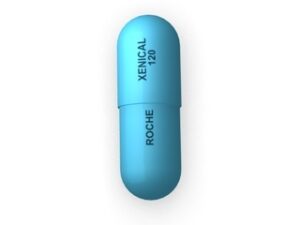
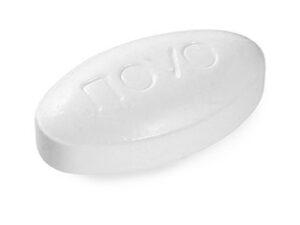
- Common presentation: Tablets taken by mouth in a planned schedule (the exact strengths and brand naming can vary by product in the UK market).
- Who it is for: Adults with overweight/obesity who meet UK eligibility criteria and where it is considered appropriate alongside lifestyle changes.
- Key benefits: Helps support weight loss and weight management when combined with diet and physical activity.
How it works (mechanism of action)
The combination targets two different processes in the brain that influence eating behaviour:
- Bupropion (an antidepressant-type medicine) increases signalling of certain neurotransmitters involved in appetite control and energy balance. In particular, it may increase norepinephrine and dopamine activity.
- Naltrexone blocks opioid receptors. This can reduce the “reward” response some people experience from eating (and may reduce cravings).
Overall effect: Together, bupropion and naltrexone may help reduce appetite and food cravings, supporting a reduction in calorie intake and helping with weight loss over time.
Typical use in the UK
In clinical practice within the UK, bupropion + naltrexone is considered for weight management in adults when:
- They have overweight or obesity, and
- It is appropriate to use medicine alongside dietary changes and increased physical activity, and
- They meet locally applied eligibility criteria (often based on BMI and related health risks).
It is important to understand that weight management medicines work best as part of a broader plan. Many people are advised to use structured lifestyle support, which may include calorie awareness, portion control, healthier food choices, and regular physical activity.
Indications (what it is used for)
Depending on the specific UK product authorisation and prescribing guidance, bupropion + naltrexone is indicated for:
- Weight management in adults with obesity or overweight with weight-related comorbidities, as part of a comprehensive programme.
Note: Medicines indications can depend on the authorised product and local clinical policies. Your healthcare professional will confirm whether the medicine is suitable for you based on your individual circumstances.
Dosing and timing
Starting dose: Treatment is typically started at a low dose and increased gradually to reduce side effects (especially nausea and headaches). The exact schedule depends on the strength and the product you receive.
General principle: Follow the specific titration plan provided with your medicine. Do not change the dose schedule without clinical advice.
How to take it
- Take by mouth with water.
- Swallow whole (do not crush or chew unless the product information specifically says otherwise).
- Consistent timing helps maintain steadier effects.
Typical titration and timing (example structure)
Most regimens follow a staged increase over several weeks. A typical pattern is:
- Start with a low dose once daily.
- Increase to twice daily at a later stage if tolerated.
- Continue incremental increases until the target maintenance dose is reached (if appropriate and tolerated).
Timing with meals: Some people prefer taking doses with food if they experience nausea. Your product leaflet will provide exact recommendations.
If you miss a dose
- If you miss a dose, take it when you remember unless it is close to the next dose.
- Do not double up to make up for a missed dose.
If you are unsure, check the patient information provided with your medicine or ask a healthcare professional or pharmacist.
Food interactions and eating considerations
Food effects: Bupropion and naltrexone absorption may be affected by food depending on the formulation. In practice, many people find side effects such as nausea are easier to manage by taking the medicine with food or at a time of day when they are less likely to be nauseated.
Practical advice:
- If you experience nausea, try taking your dose with a meal (unless your product instructions say otherwise).
- Stay hydrated and eat smaller meals if your appetite decreases significantly.
Consistency matters: Try to keep your routine similar day-to-day (e.g., same meal pattern and timing), especially during titration.
Alcohol interactions
Alcohol caution is important. Both active ingredients require careful consideration with alcohol because of potential effects on the brain and liver, and because bupropion may increase seizure risk in certain circumstances.
- Avoid heavy or binge drinking.
- If you choose to drink alcohol, keep it moderate and discuss it with your pharmacist or prescriber.
- Do not abruptly change your usual alcohol intake without advice.
Do not use alcohol to “treat” side effects (for example, using alcohol to manage anxiety or insomnia). Alcohol can worsen sleep and appetite-related symptoms and may increase adverse effects.
Medicine interactions (including common categories)
Bupropion + naltrexone can interact with other medicines. Interaction risk depends on your health history, dose, and which other drugs you take.
Medicines that may be relevant
- Other medicines that increase seizure risk (for example, some antidepressants, antipsychotics, and certain stimulants). Combination with factors that predispose to seizures should be avoided or carefully managed.
- Opioid medicines (painkillers and cough suppressants containing opioids). Naltrexone can block opioid effects, which may lead to reduced pain control or precipitate withdrawal in people dependent on opioids.
- Medicines affecting liver enzymes (the liver helps process these medicines). Some drugs can increase or decrease levels, affecting effectiveness and side effects.
- Drugs that raise blood pressure or heart rate. Bupropion can increase blood pressure in some people, so monitoring may be needed.
- Other antidepressants. There may be additive side effects such as insomnia or risk factors depending on the combination.
Vitamins and supplements: Herbal products and supplements can also interact (for example, St John’s wort). Tell your pharmacist about anything you take regularly.
Always seek advice if you take opioids
If you use opioid pain relief (including tramadol or codeine-containing products), it is crucial to discuss with a healthcare professional. Naltrexone may block their effect and can complicate pain management.
Pharmacokinetics (how the body handles the medicine)
“Pharmacokinetics” describes absorption, distribution, metabolism, and elimination. Exact values depend on the formulation and individual factors.
Absorption
- After oral dosing, both bupropion and naltrexone are absorbed into the bloodstream.
- Bupropion is extensively metabolised in the liver and has active metabolites (notably hydroxybupropion and erythrohydrobupropion) that contribute to overall effect.
Distribution
- Both medicines distribute through body tissues. Their distribution can influence both desired effects and side effects.
Metabolism
- Bupropion is primarily metabolised by hepatic pathways into active metabolites.
- Naltrexone is metabolised in the liver, forming 6β-naltrexol (a major metabolite).
Elimination
- Metabolites are eliminated primarily via the kidneys and/or through bile pathways depending on the compound.
- Because these medicines are metabolised by the liver, severe liver impairment can significantly affect drug levels.
Clinical relevance: Steady drug exposure over time is one reason titration is used, helping patients tolerate side effects while reaching maintenance levels.
Safety profile and key side effects
As with all medicines, bupropion + naltrexone can cause side effects. Many are mild to moderate and improve as your dose stabilises, particularly after the titration period.
Common side effects
- Nausea
- Headache
- Dry mouth
- Dizziness
- Constipation
- Insomnia or sleep disturbance
- Increased heart rate or increased blood pressure in some people
Less common but important risks
- Seizures: Rare but serious. Risk may be higher in people with certain conditions or risk factors.
- Allergic reactions (seek urgent care if there is swelling of the face/lips, trouble breathing, or widespread rash).
- Mood changes, including worsening depression or new/worsening suicidal thoughts in susceptible individuals. Any concerning changes should be addressed urgently with a healthcare professional.
- Liver problems: Seek medical advice if you develop yellowing of the skin/eyes (jaundice), dark urine, or severe fatigue.
Who should be cautious
Your healthcare professional may avoid or carefully assess use if you have:
- A history of seizures or conditions that increase seizure risk
- Significant liver impairment
- Current or prior opioid dependence or use of opioid medicines
- Some eating disorders such as bulimia or anorexia nervosa (depending on clinical judgement and product-specific information)
- Uncontrolled hypertension or significant cardiovascular disease
Practical use tips (to improve results and reduce side effects)
1) Follow the titration schedule
Many side effects are most likely early on. The gradual increase is intended to improve tolerability. Do not rush dose increases.
2) Manage nausea and appetite changes
- Take doses with food if your instructions allow and nausea occurs.
- Eat smaller meals and choose gentle foods if your stomach feels unsettled.
- Stay hydrated.
3) Protect sleep
- If the medicine affects sleep, consider whether timing can be adjusted within your prescriber’s plan.
- Avoid taking late in the day unless your regimen is specifically designed for that timing.
- Maintain a consistent bedtime routine.
4) Monitor blood pressure where appropriate
Because bupropion may affect blood pressure, some people are advised to monitor at home or attend periodic checks.
5) Keep lifestyle changes “on”
The medicine is most effective when paired with:
- Reduced calorie intake through sustainable meal changes
- Regular physical activity (including walking, strength work, or aerobic exercise)
- Behaviour changes such as limiting high-calorie snacks and planning meals
Pharmacological counselling: what to watch for
Contact urgent medical help if you experience:
- Signs of an allergic reaction (swelling, breathing difficulty)
- A seizure
- Severe or persistent vomiting, or severe abdominal pain
- Symptoms suggesting liver problems (jaundice)
- Significant mood changes, agitation, or suicidal thoughts
For mild side effects that persist, speak to your pharmacist or clinician—dose timing, supportive care, or adjustments may be possible.
Alternative options
Weight management can involve several medicine options alongside lifestyle support. Alternatives may include:
- Other weight-loss medicines used for appetite suppression or metabolic effects (depending on UK availability and eligibility).
- Referral-based programmes such as structured diet and behaviour plans.
- Diabetes-focused weight management strategies when relevant (for example, in people with type 2 diabetes, where some treatments can also support weight).
- Optimisation of existing conditions such as hypothyroidism or medication-induced weight gain, where appropriate.
A healthcare professional can advise which option fits your needs, medical history, and risk profile.
Market and legal context for the UK
In the United Kingdom, medicines are regulated by the Medicines and Healthcare products Regulatory Agency (MHRA) and may also be supported by guidance from the National Institute for Health and Care Excellence (NICE) and other clinical bodies. Availability in the pharmacy supply chain depends on manufacturer supply, licensing, and commissioning arrangements.
When weight management medicines are considered, UK clinicians typically apply:
- Eligibility criteria based on BMI and associated health risks
- Review of suitability, safety profile, and interacting medicines
- Ongoing monitoring and treatment review after an initial period to check response and tolerability
Recent guidance (high level)
Across recent UK years, guidance has increasingly emphasised:
- Combining medication with lifestyle and behavioural support
- Regular review of effectiveness and side effects
- Appropriate patient selection and safety screening
For the most up-to-date local recommendations, clinicians may use the latest NICE technology guidance, MHRA updates, and local obesity pathways. Your pharmacist can also help you check product-specific information.
Delivery and availability (UK)
Availability of bupropion + naltrexone can vary based on supply, manufacturer stocking, and pharmacy location. When ordering through an online pharmacy, delivery options and dispatch times typically depend on:
- Stock availability at the dispensing site
- Delivery service selected at checkout
- Local address and timing (for example, next-day or standard delivery)
What to expect:
- Secure packaging to protect tablets during transit
- Clear labelling and instructions in the parcel
- Patient information leaflets included with your medicine
If you need the medicine urgently for travel or an upcoming appointment, contact customer support so they can confirm dispatch and delivery estimates.
FAQ
1) How long does it take to see results?
Many people notice appetite changes early, but meaningful weight loss typically takes weeks to months. Clinical plans usually include a review at an appropriate timepoint (as advised by local guidance) to assess effectiveness and tolerability.
2) Can I take bupropion + naltrexone with other diet pills?
Do not combine weight-loss products without advice. Many “diet pills” contain stimulants or other ingredients that may increase side effects or interact with your medicine. Always check the full ingredient list and speak to a pharmacist.
3) What if I feel anxious or my mood changes?
Report mood changes promptly to your healthcare professional. If you develop severe agitation, depression worsening, or suicidal thoughts, seek urgent medical help.
4) Can I drink coffee or energy drinks?
Moderation is recommended. Stimulants (including high caffeine intake) can worsen insomnia, anxiety, or heart rate/blood pressure effects. If you experience sleep disturbance or palpitations, reduce caffeine and discuss with a clinician.
5) Will it affect driving or operating machinery?
Most people can drive normally, but some experience dizziness, headache, or sleep disturbance. If you feel unwell, avoid driving or hazardous tasks until you know how the medicine affects you.
6) What should I do if I miss a dose?
Follow the instructions in your medicine leaflet. In general, if you miss a dose, take it when you remember unless it is near the next dose; do not take a double dose.
7) Can I use opioid painkillers if I’m taking naltrexone?
Naltrexone can reduce or block the effects of opioid medicines. This can also complicate pain management. Discuss any opioid use with a healthcare professional before starting or while on treatment.
8) Is it safe if I have liver problems?
Because the medicines are metabolised in the liver, significant liver impairment may make it unsuitable. Your clinician will assess your liver function and advise accordingly.
9) What if I get nausea during the titration period?
Nausea is common early on. Taking the dose with food (if appropriate), eating smaller meals, and ensuring hydration can help. If nausea becomes severe or persistent, seek pharmacy or clinical advice—dose adjustments may be considered.
Summary
Bupropion + naltrexone is a weight management medicine combination that may help reduce appetite and cravings by acting on brain signalling pathways. It is usually started with a gradual dose increase to improve tolerability. As part of a comprehensive approach—including diet, activity, and behaviour support—it can help support sustainable weight changes.
Always check the product leaflet for exact dosing instructions, and speak to a pharmacist or clinician if you have concerns about side effects, alcohol use, opioid medicines, or other drug interactions.