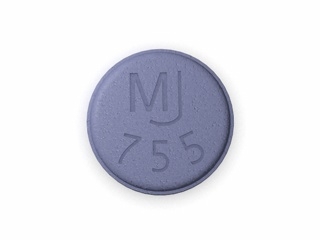


Estrace (Estradiol) – Patient Guide (UK)
Estrace is a brand of estradiol, a form of the female sex hormone oestrogen. Estradiol helps replace oestrogen in the body when levels are low, such as during menopause or after certain medical treatments.
This guide is written to help you understand how Estrace works, what it’s used for, and what to consider for safe, practical use in the United Kingdom. Always follow the instructions provided with your product and speak to a healthcare professional if you have any concerns.
Quick Facts
- Active ingredient: Estradiol (oestrogen)
- What it’s used for: Relief of menopausal symptoms and treatment of specific oestrogen-deficiency conditions
- Common forms: Depending on product presentation (e.g., tablets), use may vary—check your specific pack
- Key safety topics: Oestrogen exposure may increase risks for certain people (e.g., blood clots, breast cancer, endometrial problems when used without adequate progestogen)
- UK availability: Marketed through UK medicines channels; supply and formulation depend on current product listings
What is Estrace?
Estrace contains estradiol, the main natural oestrogen in premenopausal women. In the menopause transition and after the final menstrual period, natural oestrogen production decreases. This can lead to symptoms such as hot flushes, night sweats, vaginal dryness and discomfort, and changes in sleep and mood.
Estrace provides oestrogen to help reduce these symptoms and support tissues that rely on oestrogen for normal function.
How Estrace Works (Mechanism of Action)
Estradiol works by binding to oestrogen receptors in target tissues. Once bound, it influences gene activity and helps regulate:
- Thermoregulation: helps reduce hot flushes and night sweats
- Vaginal and urinary tissues: supports lubrication and tissue thickness
- Bone metabolism: helps slow bone loss and reduces fracture risk over time in appropriately selected patients
- Endometrial (womb) lining: can stimulate growth—this is why a progestogen is often needed if you have a uterus
Important: Oestrogen alone can increase the risk of endometrial hyperplasia and endometrial cancer if you still have your womb. Treatment plans typically include a progestogen for endometrial protection where appropriate.
Pharmacokinetics (How the Body Processes Estradiol)
Pharmacokinetics describes what the body does to the medicine. With estradiol:
- Absorption: Estradiol is absorbed from the site of administration into the bloodstream.
- Distribution: Estradiol circulates partly bound to proteins in the blood.
- Metabolism: The liver metabolises estradiol into other compounds.
- Elimination: Metabolites are removed mainly through the kidneys and bile.
The exact rate and extent of absorption can vary based on the specific product formulation, dosing schedule, and individual factors such as liver function, other medications, and age.
Typical Uses in the UK
In clinical practice, estradiol is used for oestrogen replacement and symptom control in suitable patients. Common indications include:
- Menopausal symptoms: such as hot flushes, night sweats, and vaginal discomfort due to low oestrogen
- Oestrogen deficiency states: including after certain ovarian failure or treatment-related menopause in specific groups
- Prevention of bone loss in selected postmenopausal women at risk of osteoporosis (where appropriate)
Note: The exact licensed indications and product-specific information can vary by formulation. Always check the leaflet inside your pack for details tailored to your specific product.
Timing & How to Use Estrace
How you take Estrace depends on the strength and formulation you have. Follow your pack instructions and the plan agreed with your healthcare professional.
When to start
- Often used for menopause-related symptoms after the onset of symptoms.
- In some cases, it may be started earlier based on clinical circumstances.
Consistency
For many hormone therapies, consistent daily or scheduled use helps maintain stable hormone levels. If you miss a dose, do not double up unless your leaflet specifically advises it.
Follow-up
- Menopausal hormone therapy should be reviewed regularly (commonly at least yearly) to ensure the lowest effective dose and the continued need for treatment.
- Your clinician may adjust the dose based on symptom relief and side effects.
Dosing – General Principles
Dosing is individual. The dose may depend on:
- your age and how long it has been since menopause
- your symptom type and severity
- whether you still have a uterus
- your overall health and risk factors
- other medicines you take
Because Estrace has multiple strengths and possibly different presentations, dosing guidance must be confirmed with your product leaflet. Your pharmacist can also help you check what your specific pack instructions mean.
Key safety reminder: If you have a uterus, your regimen will often include a progestogen to reduce the risk of endometrial overgrowth. Do not stop or change the progestogen component without advice.
Food Interactions
Food may affect how oral medicines absorb. For estradiol, the practical advice usually includes:
- Follow the pack instructions on whether to take with or without food.
- If you notice changes in symptoms or stomach upset after a change in eating pattern, discuss it with a healthcare professional.
In general, consistent routines (taking your dose at a similar time each day with a consistent relation to meals) can help reduce variability in hormone levels.
Alcohol Interactions
Moderate alcohol consumption may not directly “react” with estradiol in a way that prevents it from working, but alcohol can influence health in ways that matter for hormone therapy.
- Liver health: estradiol is metabolised in the liver; heavy or regular alcohol intake may affect liver function.
- Side effects: both alcohol and hormone therapy can contribute to headaches, dizziness, or nausea in some people.
If you drink alcohol, consider keeping it moderate and report any unusual symptoms (e.g., persistent nausea, yellowing of skin/eyes, severe headaches) to a healthcare professional.
Medicine Interactions (Other Drugs)
Some medicines can change estradiol levels in the body, either increasing or decreasing the effect. This may affect symptom control and side-effect risk.
Examples of medicine categories that may interact
- Enzyme-inducing medicines (can lower estradiol levels), such as some anti-epileptic medicines and certain treatments for infections (e.g., some antivirals or antibiotics used in specific circumstances).
- Herbal products (notably St John’s wort) which may lower effectiveness.
- Some antibiotics/antifungals that can alter metabolism (the clinical significance depends on the specific product).
- Medicines for blood clot prevention or anticoagulants: hormone therapy can influence clotting risk, and regimens should be reviewed carefully.
Practical advice
- Tell your pharmacist or prescriber about all medicines you take, including over-the-counter products and supplements.
- If you start or stop any new medicine, ask whether it could affect estradiol.
Safety Profile – What to Know
Like all medicines, estradiol has potential side effects. Many people tolerate it well, but it’s important to understand warning signs and who may need extra caution.
Common side effects
- breast tenderness or swelling
- headache
- nausea
- fluid retention or bloating
- changes in bleeding pattern (especially during the first months)
Serious risks (seek urgent medical advice if needed)
Stop and seek medical help immediately if you develop signs suggestive of serious conditions, including:
- Blood clot symptoms:
- pain, swelling, or warmth in one leg
- sudden shortness of breath
- chest pain
- sudden weakness or numbness (possible stroke symptoms)
- Unusual vaginal bleeding that is heavy, persistent, or occurs after the treatment period agreed with your clinician
- Jaundice (yellow skin/eyes) or severe persistent abdominal pain
- Severe allergic-type reactions such as facial swelling, difficulty breathing, or widespread rash
Who needs extra caution?
Estradiol may not be suitable or may require careful monitoring if you have a history of:
- breast cancer or known or suspected oestrogen-dependent cancer
- previous blood clots (venous thromboembolism) or stroke
- unexplained vaginal bleeding
- certain liver disorders
- untreated endometrial hyperplasia
- risk factors for cardiovascular disease as determined by your clinician
Your clinician may assess personal and family history before starting and decide on the best balance between benefits and risks.
Practical Use Tips
- Use a routine: taking your dose at the same time each day can improve consistency.
- Keep track of symptoms: note changes in hot flushes, sleep, and vaginal symptoms, especially in the first 1–3 months.
- Monitor bleeding: any new or unexpected bleeding should be discussed promptly.
- Do not adjust without advice: do not change the dose or stop/start suddenly unless instructed.
- Attend reviews: periodic review helps ensure the lowest effective dose is used.
- Oral hygiene and comfort: for vaginal symptoms, additional measures (e.g., lubricants/moisturisers) may complement therapy.
- Report side effects early: early discussion can help adjust treatment and minimise discomfort.
Alternative Options
If Estrace isn’t suitable, isn’t fully effective, or causes side effects, alternatives may include:
Non-hormonal options
- Lifestyle measures (cooling strategies, exercise, avoiding triggers)
- Non-hormonal medicines for hot flushes where appropriate (availability and suitability vary)
- Vaginal lubricants and moisturisers for dryness and discomfort
Other hormone options
- Different oestrogen formulations (e.g., varying routes such as transdermal preparations) that may affect overall exposure and side-effect profile for some people
- Different dosing regimens combined with a progestogen when you have a uterus
A clinician can help decide what option fits your symptoms, medical history, and risk factors.
UK Market & Legal/Guidance Context
Menopausal hormone therapy in the UK is monitored under the medicines licensing and safety frameworks run by the Medicines and Healthcare products Regulatory Agency (MHRA). Safety information, product availability, and prescribing standards can be updated over time.
Clinical practice in the UK generally emphasises:
- using hormone therapy for the shortest duration consistent with treatment goals
- using the lowest effective dose
- performing regular review of benefits and risks
- ensuring endometrial protection when the patient has a uterus
Recent guidance (high-level themes)
While exact wording depends on the guideline or publication, recent UK and European safety communications for menopausal hormone therapy have commonly highlighted:
- the importance of individual risk assessment (clots, stroke, cardiovascular disease, breast cancer risk)
- consideration of route and regimen choices (where relevant to product type and patient risk)
- prompt investigation of unexpected bleeding
- shared decision-making, including discussion of alternatives
For the most current advice, you can check NHS and MHRA safety updates or ask your healthcare professional.
Delivery & Availability in the UK
Availability may vary depending on current supply, formulation, and market listing. When ordering online, ensure you select the correct strength and formulation matching your use.
What to expect
- Packaging: medicines are typically supplied in original manufacturer packaging.
- Delivery times: delivery speed depends on your postcode, courier service, and stock status.
- Cold chain: estradiol products usually do not require refrigeration unless specified for a particular formulation (check your pack).
If your order is delayed or a product is temporarily out of stock, a reputable UK pharmacy should notify you and offer an alternative where appropriate.
FAQ – Estrace (Estradiol)
1) What is Estrace used for?
Estrace is used to treat symptoms related to oestrogen deficiency, most commonly around menopause. It can also be used for other conditions where replacement of oestrogen is appropriate, depending on your individual clinical situation.
2) How long does it take to work?
Some people notice improvement in hot flushes and night sweats within the first few weeks. Vaginal discomfort may take longer. It’s often recommended to review symptom response after an initial period and adjust treatment if needed.
3) Will I still have bleeding?
After menopause, bleeding should be unusual. If you experience bleeding, especially if it’s heavy or persistent, you should discuss it promptly. Your regimen may include a progestogen component to protect the womb.
4) Can I take Estrace with other medicines?
Many medicines can be taken alongside estradiol, but some can affect hormone levels or clot risk. Tell your pharmacist about all medicines and supplements you use before starting or if anything changes.
5) What should I do if I miss a dose?
Follow the instructions in your pack leaflet for missed doses. In general, do not double up unless advised. If you’re unsure, ask your pharmacist for guidance specific to your product.
6) Are there foods I should avoid?
There are no universal food restrictions for estradiol, but absorption can vary by formulation. Use a consistent routine and follow your product instructions.
7) Is it safe to drink alcohol while taking Estrace?
Moderation is generally reasonable for many people, but heavy or regular alcohol intake may affect liver function and increase the likelihood of side effects. If you have liver problems or notice worsening side effects, seek advice.
8) Who should not use estradiol?
Estradiol may be unsuitable for some people with certain medical histories such as hormone-dependent cancers, previous blood clots, or unexplained vaginal bleeding. Your clinician should assess suitability based on your personal risk factors.
9) What are the most important warning signs?
Seek urgent medical help if you develop symptoms of a blood clot (e.g., sudden breathlessness, chest pain, one-sided leg swelling), signs of stroke, severe or persistent abdominal pain, yellowing of the skin/eyes, or unusual heavy vaginal bleeding.
10) What alternatives exist if I can’t take Estrace?
Alternatives may include non-hormonal treatments for hot flushes and vaginal lubricants/moisturisers for dryness. Another option may be a different oestrogen formulation or a different route of administration, chosen based on your health profile.
Summary
Estrace (estradiol) is an oestrogen medicine used to help manage symptoms of oestrogen deficiency, especially around menopause. It works by acting on oestrogen receptors in multiple tissues, improving symptoms such as hot flushes and supporting vaginal comfort. Like all hormone therapies, it requires careful individual assessment due to possible risks, including blood clots and endometrial effects when used without appropriate progestogen protection for people with a uterus.
If you have questions about suitability, interactions, or how to take your specific Estrace product, speak to a qualified healthcare professional or your pharmacist.