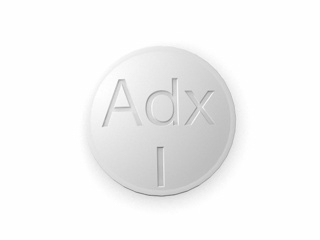


Arimidex (Anastrozole) – Patient-Friendly Guide (UK)
Arimidex is a brand of anastrozole, a medicine used to treat certain types of hormone-receptor positive breast cancer. It belongs to a group of medicines called aromatase inhibitors. Arimidex works by lowering the amount of oestrogen in the body, which helps slow the growth of oestrogen-dependent breast cancer cells.
This guide explains how Arimidex works, how it is typically used, what to expect, important safety information, and practical tips for everyday use in the United Kingdom.
Basic product information
| Product | Details |
|---|---|
| Brand name | Arimidex |
| Generic name | Anastrozole |
| Medicinal group | Aromatase inhibitor (hormonal therapy) |
| Common formulation | Tablets (strength often used: 1 mg) |
| Who it is for | Often used in postmenopausal women; also may be used in specific clinical situations as directed by a healthcare professional |
| How it works | Reduces oestrogen production |
What is Arimidex and how does it work?
Mechanism of action
Arimidex (anastrozole) is an aromatase inhibitor. In the body, an enzyme called aromatase helps convert androgens into oestrogen. By blocking this enzyme, Arimidex can significantly reduce oestrogen levels.
Many breast cancers depend on oestrogen to grow. Lowering oestrogen can help reduce tumour growth, reduce recurrence risk, and support long-term treatment goals, depending on the stage and planned treatment approach.
Why it is used long-term
Hormone levels and cancer cells can be affected over time. Arimidex is commonly taken for months to years as part of an overall care plan. Continuing the medicine as advised is important.
Pharmacokinetics (how the body handles it)
Pharmacokinetics describes how the body absorbs, distributes, metabolises, and eliminates a medicine.
- Absorption: Anastrozole is absorbed from the gut after oral dosing.
- Onset: Oestrogen suppression begins shortly after taking a dose.
- Peak levels: Blood levels typically peak a few hours after a dose.
- Metabolism: It is metabolised primarily in the liver.
- Elimination: The medicine and its breakdown products are removed from the body mainly via the kidneys (in urine).
- Half-life: Anastrozole has a prolonged duration of action, supporting once-daily use.
Individual absorption and metabolism can vary between people. Your doctor or clinical team will tailor your regimen to your circumstances and monitor response and side effects.
Typical uses (indications) in the UK
Arimidex is used in the treatment of certain types of oestrogen receptor positive breast cancer. Typical indications in clinical practice include:
- Adjuvant treatment (after surgery) for hormone-receptor positive early breast cancer to reduce recurrence risk.
- Advanced (metastatic) or locally advanced breast cancer in hormone-receptor positive cases.
- Postmenopausal women with oestrogen receptor positive tumours (clinical eligibility depends on the specific diagnosis and treatment history).
Exact eligibility and regimen length depend on factors such as menopausal status, cancer stage, tumour characteristics, and previous treatments.
Dosing and timing
The commonly used dose of Arimidex is 1 mg by mouth once daily.
How to take it
- Try to take your dose at the same time each day.
- Swallow the tablet whole with water.
- Use your routine (e.g., after breakfast or at bedtime) to help you remember.
If you miss a dose
- If you remember the same day, take it as soon as you can.
- If you are close to the next dose, skip the missed dose and continue with your regular schedule.
- Do not double up to make up for a missed tablet.
If you have frequent missed doses or are unsure what to do, contact your clinical team for advice on how to restart safely.
Food interactions and what to expect
Arimidex can generally be taken with or without food. Food does not typically require dose adjustment.
- No specific food restrictions are usually needed.
- If stomach upset occurs, some people find taking the tablet with a meal helps.
As with any long-term medicine, maintaining a balanced diet and managing treatment-related symptoms (such as appetite changes) can improve overall wellbeing.
Alcohol and medicine interactions
Alcohol
There is no universal “absolute” rule that alcohol must be avoided with anastrozole. However, alcohol may worsen side effects such as fatigue, hot flushes, headaches, or nausea in some people.
If you drink alcohol, consider:
- Keeping intake modest
- Avoiding heavy drinking, especially if you feel unwell or have liver-related concerns
- Monitoring your symptoms after drinking
Other medicine interactions (general)
Arimidex can interact with other medicines in some situations. Tell your healthcare team about all medicines you take, including:
- Prescription medicines
- Over-the-counter products
- Herbal supplements
- Vitamins or mineral preparations
Particularly important interactions can involve:
- Medicines that affect liver enzymes (as anastrozole is metabolised in the liver)
- Hormonal therapies (for example, therapies that also affect oestrogen pathways)
- Anti-cancer medicines given concurrently (your oncology team will coordinate safely)
If you are considering starting a new medication or supplement, ask a pharmacist for interaction advice.
Safety profile and side effects
Like all medicines, Arimidex can cause side effects. Not everyone experiences them. Many side effects are manageable, and your care team can help you address them early.
Common side effects
- Hot flushes
- Headache
- Muscle and joint pain (arthralgia, stiffness)
- Fatigue
- Nausea or mild stomach upset
- Vaginal dryness and changes in vaginal comfort
- Skin rash (less commonly)
Bone health (important)
Because Arimidex reduces oestrogen, it may contribute to bone thinning (osteopenia) and osteoporosis over time. This can increase fracture risk.
- Bone density testing may be recommended.
- Calcium and vitamin D intake may be advised where appropriate.
- Your clinician may discuss bone-protecting treatments if needed.
- Report new bone pain or sudden fractures promptly.
Less common but serious side effects
Seek urgent medical help if you develop signs of a serious reaction, such as:
- Swelling of the face, lips, tongue, or throat
- Severe rash or blistering skin
- Breathing difficulties
- Severe allergic reactions
Also contact your healthcare team promptly if you notice symptoms such as persistent severe pain, unusual bleeding, or symptoms suggesting liver problems (e.g., yellowing of the skin/eyes, dark urine), especially if you have liver conditions or are on other medicines that affect the liver.
Who may need extra monitoring
- People with a history of osteoporosis or fragility fractures
- People with liver impairment
- People taking multiple medicines (to support interaction checks)
Practical use tips (getting the best experience)
- Set a daily routine: Choose a time you can reliably remember.
- Track side effects: Note hot flushes, joint pain, mood changes, and sleep quality so your clinician can adjust support.
- Stay active: Gentle strength and mobility exercises can help with joint stiffness.
- Bone support: If advised, ensure adequate calcium/vitamin D and consider weight-bearing exercise.
- Manage vaginal dryness: Non-hormonal moisturisers or lubricants may help; discuss options with your healthcare team.
- Hydration and clothing layers: For hot flushes, keep hydrated and use breathable layers.
- Don’t stop suddenly: If side effects are troubling, seek advice before stopping.
Alternative options
Depending on the cancer type, menopausal status, and treatment plan, other hormonal therapies may be used instead of or alongside anastrozole. Potential alternatives include:
- Other aromatase inhibitors (different medicines in the same class), such as letrozole or exemestane.
- Tamoxifen (a different hormonal approach that blocks oestrogen effects at the receptor).
- Ovarian suppression therapies (in premenopausal or perimenopausal scenarios, as guided by a specialist).
Switching between options may be considered if side effects are difficult to manage or if treatment goals change. Your clinical team can guide the safest choice for your circumstances.
Market and legal context in the United Kingdom
Arimidex (anastrozole) is widely recognised as a treatment for hormone-receptor positive breast cancer and is used across the UK healthcare system under standard clinical pathways. In the United Kingdom, medicines like Arimidex are supplied under UK medicines regulations and must be appropriately labelled and stored in line with the product’s instructions.
The availability of brand and generic medicines can vary. Many patients access anastrozole via either branded products or equivalent formulations, depending on supply and prescribing decisions. Always ensure you receive the correct strength and formulation.
Recent clinical practice: Guidelines emphasise individualised selection of endocrine therapy based on tumour characteristics, stage, prior treatments, and patient factors such as bone health risk. Healthcare teams may consider bone monitoring and supportive interventions early in treatment.
Recent guidance and monitoring (what is commonly recommended)
In modern UK practice, endocrine therapy plans typically include monitoring for:
- Effectiveness: Follow-up visits and scans/tests where appropriate.
- Side effects: Pain, fatigue, cardiovascular risk factors (as relevant), and quality-of-life impacts.
- Bone health: Bone density assessment (e.g., DXA) especially for people at higher risk.
- Lifestyle support: Guidance on diet, exercise, smoking cessation, and alcohol moderation where appropriate.
Your clinician may also review other medicines you take and advise on supplements only if appropriate for your health profile.
Delivery and availability
Online pharmacy services in the UK typically supply Arimidex in line with regulatory requirements and standard healthcare governance. Availability may vary by strength and brand/generic formulation.
- Stock status: Some online listings show whether items are currently in stock.
- Dispatch: Orders are usually dispatched on working days (delivery timelines can vary by carrier and location).
- Tracking: Many services provide tracking updates.
- Cold-chain: Arimidex tablets do not normally require cold storage; follow the packaging instructions.
If you need help with delivery times, product variants, or checking the correct strength, our customer support team can usually assist.
How to store Arimidex
- Store tablets at room temperature, away from excessive heat and moisture.
- Keep in the original packaging to protect from light if instructed.
- Keep out of reach of children.
- Do not use after the expiry date on the carton or blister.
FAQ – Frequently asked questions
1) Is Arimidex the same as anastrozole?
Yes. Arimidex is a brand name; anastrozole is the active ingredient.
2) How long does it take to start working?
Oestrogen reduction begins soon after taking the medicine. Clinical benefits are assessed over weeks to months through follow-up appointments and, where relevant, imaging or blood tests.
3) Can I take Arimidex with food?
Yes. Arimidex can generally be taken with or without food. Choose what suits your routine and comfort.
4) What should I do if I miss a dose?
Take it when you remember if it is the same day. If it is near your next dose, skip the missed tablet and resume your regular schedule. Do not double doses.
5) What side effects are most common?
Common side effects include hot flushes, headache, joint and muscle pain, fatigue, and vaginal dryness. Bone thinning is an important longer-term risk.
6) Does Arimidex cause weight gain?
Weight changes can occur with many cancer treatments and may not be due solely to Arimidex. If you notice rapid or worrying changes, discuss them with your healthcare team.
7) Can I drink alcohol while taking Arimidex?
Moderate alcohol may be acceptable for some people, but alcohol can worsen fatigue or other symptoms. If you have liver issues or notice symptoms after alcohol, seek medical advice.
8) Are there any medicines or supplements I should avoid?
Interaction risk depends on what you take. Tell your pharmacist or clinical team about all medicines and supplements, especially hormonal treatments and products that affect the liver.
9) How will my bone health be monitored?
Your clinician may request bone density testing and may recommend calcium/vitamin D and, if needed, bone-protecting treatments. Report bone pain or fractures promptly.
10) What if my joint pain or stiffness becomes severe?
Don’t stop suddenly without advice. Many people benefit from supportive measures such as exercise, pain management strategies, and reviewing other medicines. Your healthcare team can also consider switching endocrine therapy if appropriate.
Important: This website information is intended to support understanding and does not replace advice from a qualified healthcare professional. If you experience any concerning symptoms, allergic reactions, or severe side effects, seek medical attention promptly.