

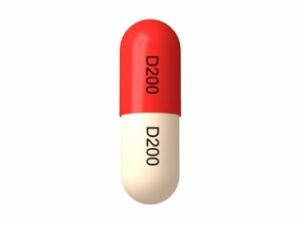

Femara (Letrozole) – Patient-Friendly Guide (United Kingdom)
Femara is a brand of letrozole, an aromatase inhibitor used in the treatment of certain hormone-dependent cancers, most commonly breast cancer. This page explains what Femara is, how it works, how it is taken, what to expect, and key safety and interaction information relevant to people in the UK.
This information is intended to support discussions with your healthcare professional. It does not replace individual advice for your particular condition.
Key product details
| Item | Details |
|---|---|
| Brand name | Femara |
| Generic name | Letrozole |
| Medicine type | Aromatase inhibitor (anti-hormonal therapy) |
| Common form | Film-coated tablets |
| Typical strength | 2.5 mg tablets (varies by presentation) |
| How it’s used | Oral tablet, usually once daily |
| Main target | Decreases oestrogen production in the body |
What is Femara used for?
Femara (letrozole) is used to treat and help prevent hormone receptor–positive breast cancer in post-menopausal women, and in some specific circumstances it may be used in combination with other treatments under specialist guidance.
Common indications (UK context):
- Early breast cancer: adjuvant (after surgery) to reduce risk of recurrence.
- Advanced (metastatic) breast cancer: for treatment when the cancer is hormone-dependent.
- Extended adjuvant therapy: in some patients after an initial course of treatment to further lower recurrence risk.
- Neoadjuvant setting (before surgery): in selected cases to shrink tumours prior to surgery, depending on the treatment plan.
Not everyone with breast cancer can use letrozole. Use depends on tumour characteristics (such as hormone receptor status) and your menopausal status and overall treatment plan.
How Femara works (mechanism of action)
Oestrogen can help some breast cancers grow. Letrozole works by blocking a key enzyme called aromatase. Aromatase is responsible for converting androgens into oestrogen (especially in body tissues outside the ovaries).
By inhibiting aromatase, letrozole:
- reduces oestrogen levels in the body
- helps slow or stop the growth of hormone-dependent cancer cells
- reduces the chance of recurrence in appropriate early-stage situations
Pharmacokinetics (how the body handles Femara)
Understanding pharmacokinetics can help explain timing, consistency, and why regular dosing matters. In general:
- Absorption: Letrozole is absorbed after oral dosing.
- Time to peak: Peak levels in the blood are typically reached about 1–2 hours after taking a dose.
- Distribution: It distributes throughout the body and is protein-bound in plasma.
- Metabolism: Letrozole is metabolised mainly in the liver via CYP pathways (including CYP3A4 and CYP2A6).
- Elimination: The medicine is cleared from the body predominantly through metabolism and excretion of metabolites.
- Half-life: The effective half-life is around ~2 days, supporting once-daily dosing.
Because steady suppression of oestrogen depends on consistent daily dosing, taking your tablets at the same time each day can help maintain reliable effects.
Typical dosing and timing
Letrozole is usually taken as one tablet once daily. The most common strength is 2.5 mg.
General guidance on timing:
- Choose a time of day that you can manage consistently.
- Swallow the tablet with water.
- You may take it with or without food.
- If you forget a dose, follow the advice below under “Missed doses”.
Missed dose advice (practical and safe)
- If you miss a dose, take it as soon as you remember on the same day.
- If it is nearly time for your next dose, skip the missed dose.
- Do not take a double dose to make up for a missed tablet.
- If you are unsure what to do, seek advice from your pharmacist or prescriber.
Food interactions
Letrozole can generally be taken with or without food. There is no commonly expected need to avoid specific foods.
However, food may affect how comfortable the tablet feels in the stomach for some people. If you experience nausea or stomach upset, taking Femara after a meal may help.
Alcohol and medicine interactions
Alcohol
Moderate alcohol is not usually reported as a direct interaction with letrozole, but individual risk can vary based on liver health, other medicines, and side effects.
If alcohol makes side effects (such as fatigue or dizziness) worse for you, consider reducing your intake and discuss your situation with your healthcare team.
Drug interactions
Letrozole is metabolised by liver enzymes. Some medicines can affect these enzymes and may alter letrozole levels, increasing side effects or reducing effectiveness.
Tell your healthcare professional if you take:
- Medicines that affect liver enzyme activity (including some antibiotics and antifungals).
- Medicines that may interact with CYP3A4/CYP2A6 pathways.
- Other cancer therapies or hormone treatments.
- Herbal products (especially those that may influence metabolism).
Always provide your pharmacist with a complete list of your medicines, including over-the-counter products and herbal remedies. They can check for potential interactions.
Indications in more detail (what clinicians consider)
In clinical practice, the suitability of Femara depends on factors such as:
- Hormone receptor status (oestrogen receptor and progesterone receptor)
- Menopausal status (post-menopausal is the most common scenario)
- Disease stage (early, locally advanced, or metastatic)
- Prior treatments (for example, tamoxifen or chemotherapy)
- Risk assessment (recurrence risk, tumour characteristics)
If you are pre-menopausal or perimenopausal, letrozole may be considered only with additional measures under specialist supervision, because ovarian oestrogen production can continue.
Safety profile and side effects
Like all medicines, Femara can cause side effects. Not everyone will experience them. Many people find that side effects become easier to manage over time, especially with proactive care.
Common side effects
- Joint and muscle pain (arthralgia/myalgia)
- Hot flushes or sweating
- Fatigue
- Headache
- Nausea
- Reduced appetite
- Vaginal dryness or changes in sexual wellbeing
- Skin rash (occasionally)
- Increased cholesterol may be seen in some patients during treatment
Important longer-term risks
Because letrozole lowers oestrogen, it can affect bone health.
- Bone thinning (osteopenia/osteoporosis) and increased fracture risk
- Higher risk of bone-related pain or stiffness over time
Your healthcare team may monitor bone density and recommend lifestyle changes and/or bone protective treatment when appropriate (for example, calcium and vitamin D or other medicines).
When to seek urgent medical advice
Contact urgent medical care immediately if you experience signs of a serious reaction, such as:
- Severe allergic symptoms (swelling of face/lips, trouble breathing, widespread rash)
- Chest pain, sudden shortness of breath, or signs of a blood clot
- Unexplained severe weakness or neurological symptoms
- Severe persistent vomiting or inability to keep fluids down
Pregnancy and breastfeeding (UK guidance context)
Letrozole can affect hormone levels and may cause harm to a developing foetus. It is generally used in post-menopausal situations. Women who could become pregnant should discuss contraception and suitability with their healthcare professional before starting.
Breastfeeding is not recommended while taking letrozole.
Practical tips for day-to-day use
Many people do well with letrozole once a routine is established. These tips can help you stay comfortable and consistent:
- Choose a consistent dosing time: mornings or evenings—pick what suits you.
- Hydration: stay well hydrated; it can help with headaches and fatigue.
- Manage joint stiffness: gentle stretching, low-impact exercise (e.g., walking), and heat may help. Report persistent or severe pain early.
- Bone health: ask about bone density scans and whether calcium/vitamin D are appropriate.
- Vaginal dryness: consider discussing non-hormonal moisturisers or suitable products.
- Track side effects: note severity and timing; it helps clinicians adjust supportive care.
- Keep follow-up appointments: monitoring supports early management of risks.
Alternative options
Depending on your cancer type, stage, previous treatments, and other health factors, doctors may consider alternative hormone therapies. Options can include:
Other aromatase inhibitors
- Anastrozole
- Exemestane
Selective oestrogen receptor modulators (SERMs)
- Tamoxifen
Oestrogen receptor down-regulators (in selected situations)
- Fulvestrant (an injection, depending on the treatment plan)
Switching between therapies may occur if side effects are significant or if the treatment strategy changes. Any changes should be guided by your specialist team.
Market and legal context in the UK (what patients should know)
In the United Kingdom, medicines like Femara are supplied under regulatory frameworks overseen by the Medicines and Healthcare products Regulatory Agency (MHRA) and within prescribing and supply rules set for each medicine’s legal classification.
Online pharmacies in the UK typically require appropriate patient information to be completed and pharmacy checks to be performed before supplying medicines, including identity and medicine-safety checks.
If you are buying online, ensure you use a registered, reputable UK pharmacy service and that the product is sourced legally and labelled correctly.
Recent guidance and monitoring (UK-relevant themes)
While exact recommendations may differ by cancer type and individual risk, several themes are commonly emphasised in modern UK practice for people taking aromatase inhibitors:
- Bone health monitoring: assessing fracture risk and considering bone-protective steps.
- Management of musculoskeletal symptoms: early reporting to support symptom control.
- Lipid and metabolic monitoring: cholesterol may be monitored as part of routine care.
- Review of drug interactions: checking all current medicines, including over-the-counter and herbal products.
- Support for quality of life: addressing hot flushes, vaginal symptoms, fatigue, and sleep.
Your specialist team may also tailor follow-up to your stage of disease, planned duration of treatment, and overall health.
Delivery and availability (UK online pharmacy considerations)
Availability of Femara can vary depending on pharmacy stock and supplier deliveries. In the UK, reputable online pharmacies typically offer:
- Clear product information including strength and pack size.
- Delivery options such as standard and tracked services (depending on location and carrier).
- Packaging designed to protect tablets from moisture and damage.
- Practical support via pharmacy helpdesks if you have questions about your order.
If you need your medicine urgently or are concerned about stock availability, contact the pharmacy customer service to discuss options such as alternative pack sizes or dispatch timelines.
Storage and handling
- Store tablets according to the package instructions, typically at room temperature.
- Keep out of sight and reach of children.
- Do not use after the expiry date on the pack.
- Keep in the original packaging to protect from moisture and light (as directed).
FAQ – Femara (Letrozole)
1) How long does Femara treatment usually last?
Duration depends on your cancer stage and treatment plan. For early breast cancer, aromatase inhibitors are often taken for multiple years as part of adjuvant therapy. Your specialist will provide a schedule tailored to you.
2) What should I do if I miss a dose?
Take it as soon as you remember on the same day. If it is almost time for the next dose, skip the missed tablet. Do not take a double dose.
3) Can I take Femara with food?
Yes. Femara can generally be taken with or without food. If you experience nausea, taking it after a meal may help.
4) Will Femara cause weight gain?
Weight changes can happen with cancer treatment for many reasons, including fatigue, activity changes, and other medications. Letrozole does not reliably cause weight gain in every person, but individual experiences vary. If you notice rapid changes, discuss them with your healthcare team.
5) How soon can I expect side effects?
Side effects can start soon after beginning treatment, but many develop gradually. Joint pain and hot flushes are commonly reported within the first weeks to months. Monitoring early and reporting symptoms can improve management.
6) Can I drive or operate machinery?
Some people experience fatigue, dizziness, or headaches. If you feel unwell or unusually tired, avoid driving or activities requiring full attention until you feel better.
7) Are there foods or drinks I should avoid?
There are no specific foods that are commonly required to be avoided with letrozole. Alcohol moderation is generally sensible, especially if it worsens fatigue or other side effects.
8) Does Femara interact with other medicines?
Yes, potential interactions can occur because letrozole is metabolised in the liver. Always tell your pharmacist about all medicines and supplements you take, including over-the-counter and herbal products.
9) How can I protect my bones while taking Femara?
Bone health strategies often include bone density monitoring, weight-bearing exercise as tolerated, avoiding smoking, moderating alcohol, and ensuring adequate calcium and vitamin D if recommended for you. Your clinician may suggest additional bone-protective medication based on risk.
10) What are practical ways to manage joint pain?
Gentle regular exercise, stretching, heat packs, and discussing pain relief options with your healthcare team can help. If pain is persistent or severe, report it early—supportive management may be adjusted.
If you have any concerns about how Femara is affecting you—especially new or worsening symptoms—seek advice from a healthcare professional.