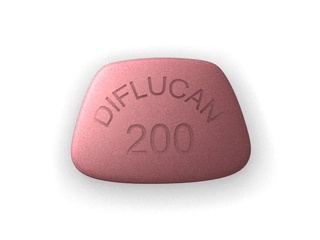


Diflucan (Fluconazole) — Patient Guide (UK)
Diflucan is a brand name for fluconazole, an antifungal medicine used to treat infections caused by yeasts and other fungi. This guide explains what Diflucan is, how it works, how it is taken, key safety information, and what to expect in the UK.
If you are unsure whether your symptoms are fungal, or if you have recurrent infections, it is important to speak to a healthcare professional for advice. This information is for general guidance and is not a substitute for personalised medical care.
Basic product information
| Item | Details |
|---|---|
| Medicine | Diflucan (fluconazole) |
| Type | Antifungal (triazole) |
| Common strengths | Tablets and oral suspension (available strengths vary by product) |
| How it is taken | By mouth (tablets or oral suspension) |
| Typical dosing pattern | Often single-dose or short course, depending on the infection |
| Who it is for | Adults and, in selected situations, children (dosing depends on age/weight and indication) |
How Diflucan works (mechanism of action)
Fluconazole belongs to the triazole antifungal group. It works by blocking an enzyme called lanosterol 14-α-demethylase (part of the fungal cytochrome P450 system).
In practical terms, this reduces the production of ergosterol, an essential component of fungal cell membranes. Without proper cell membrane structure, the fungal cell cannot grow or multiply effectively, leading to clearance of the infection.
Pharmacokinetics: what the body does to fluconazole
Fluconazole is well absorbed when taken by mouth. It distributes throughout the body, including tissues where fungal infections may occur. Key features include:
- Absorption: Generally good and not significantly affected by food.
- Distribution: Reaches body tissues and fluids; useful for treating infections beyond the surface of the skin.
- Half-life: Fluconazole has a relatively long half-life, allowing for convenient dosing regimens (e.g., single-dose or once-daily courses depending on indication).
- Elimination: Mainly by the kidneys. Kidney function may affect how quickly it clears from the body.
Your prescriber/pharmacist may adjust dosing if you have kidney disease or if you are taking other medicines that interact with fluconazole.
Typical uses of Diflucan
Diflucan is used to treat a variety of fungal infections. The exact use depends on the condition, severity, and the type of fungus. Common indications include infections caused by Candida (yeast) and other susceptible fungi.
Common clinical indications in adults
- Vaginal thrush (candidiasis): Often treated with a single dose in uncomplicated cases.
- Oral thrush (oral candidiasis): Including in some adults, particularly when recurrent or widespread.
- Oesophageal candidiasis: Usually requires a longer course and medical assessment.
- Systemic or invasive candidiasis: More serious infections; treatment often needs specialist care.
- Other fungal infections: Depending on local guidance and susceptibility (for example, some types of fungal skin infections).
Note: Not all fungal infections respond equally to fluconazole, and some infections may require different antifungals or additional evaluation.
When to take Diflucan (timing and missed doses)
Timing depends on your prescribed regimen and the infection being treated. General advice:
- Single-dose regimens: Take the dose at the time advised. You may take it at any time of day, with or without food.
- Once-daily or multi-day regimens: Take each dose at roughly the same time every day to help you remember.
- If you miss a dose: Take it as soon as you remember unless it is close to your next dose. Do not take a double dose.
For the best outcome, complete the course exactly as advised, even if symptoms improve early.
Food interactions
Fluconazole can usually be taken with or without food. Food is not expected to significantly reduce absorption. This makes Diflucan convenient when you have an upset stomach or prefer to take medication with meals.
However, if you are experiencing nausea or vomiting, it can affect how much medicine stays in your body. If you vomit shortly after taking a dose, speak to a healthcare professional for guidance.
Alcohol and medicine interactions
Alcohol
There is no universal rule that you must completely avoid alcohol with fluconazole, but alcohol can increase the risk of side effects—particularly stomach irritation and, in some people, liver-related problems.
- Best approach: Keep alcohol minimal while taking Diflucan, and seek advice if you plan to drink heavily.
- Stop and get medical advice: If you develop symptoms such as yellowing of the skin/eyes, dark urine, unusual fatigue, or persistent nausea.
Medicine interactions (important)
Fluconazole can interact with other medicines because it may affect enzymes involved in drug metabolism. Some interactions can be serious, including changes in heart rhythm, blood levels, or bleeding risk.
Tell a healthcare professional or pharmacist if you take any of the following:
- Warfarin and other anticoagulants (may increase bleeding risk)
- Medicines that affect heart rhythm (some antiarrhythmics and certain other drugs)
- Oral antidiabetic medicines (some interactions may change glucose control)
- Immunosuppressants (e.g., tacrolimus, ciclosporin in certain contexts)
- Anti-epileptic drugs (some can alter fluconazole levels)
- Rifampicin or similar antibiotics that can reduce antifungal levels
- Other medicines that have known interaction profiles (your pharmacist can check your specific regimen)
Also consider over-the-counter medicines and supplements, including herbal products. A pharmacist can help you check compatibility before you buy or take Diflucan.
Dosing: typical regimens
Fluconazole dosing varies widely by the type of infection, severity, age, kidney function, and clinical judgement. Below are common dosing patterns. Always follow the directions provided with your Diflucan product or by a healthcare professional.
Examples of common adult regimens
- Vaginal candidiasis (thrush): Often treated with a single dose in uncomplicated cases.
- Oral thrush: Usually taken once daily for a short course (often several days), depending on response.
- Oesophageal candidiasis: Typically requires a longer course with daily dosing.
- More severe or systemic candidiasis: Dosing is more intensive and usually managed with clinical supervision.
Kidney impairment: Because fluconazole is cleared largely by the kidneys, dosing may need adjustment if you have reduced kidney function. Discuss this with a healthcare professional if you have chronic kidney disease.
Paediatric dosing (general note)
In children, dosing is often based on body weight and the infection type. Because dosing differs from adult schedules, it should be directed by a clinician or according to product guidance.
Safety profile: who should be careful
Diflucan is generally well tolerated, but like all medicines it can cause side effects. Most people do not experience serious problems, especially with short courses.
Common side effects
- Headache
- Nausea
- Abdominal discomfort or upset stomach
- Diarrhoea
- Rash (occasionally)
Serious side effects (seek urgent advice)
- Signs of severe allergic reaction such as swelling of the face/lips, difficulty breathing, or severe rash.
- Liver problems: yellowing of the skin/eyes, dark urine, severe fatigue, or persistent vomiting. The risk is higher with prolonged treatment and in people with underlying liver disease.
- Heart rhythm issues: fainting, severe dizziness, or palpitations—especially if you take interacting medicines.
When to avoid or discuss first
- Liver disease or previous abnormal liver blood tests
- Kidney impairment
- Use of interacting medicines (see interactions section)
- Pregnancy and breastfeeding: This depends on the infection being treated and medical risk–benefit assessment. Speak to a healthcare professional for tailored advice.
Practical tips for using Diflucan effectively
- Complete the course: Even if symptoms improve, finish the regimen you were advised. Stopping early can contribute to recurrence.
- Consider hygiene and transmission factors: For recurrent vaginal thrush, lifestyle measures can help reduce triggers (e.g., avoiding irritant soaps, keeping the area dry, wearing breathable underwear).
- Avoid sexual activity if advised during symptoms (it can worsen irritation and may delay recovery). If your partner has symptoms, they should also seek advice.
- Track symptoms: If symptoms do not improve within the expected timeframe, or they worsen, seek further medical advice.
- Do not use multiple antifungals at the same time unless a clinician advises it, as this can complicate treatment.
What to expect: symptom improvement
Improvement is often noticed within a few days, but complete resolution may take longer depending on the infection site and severity. Persistent symptoms may be due to:
- Incorrect diagnosis (symptoms may mimic other conditions)
- Non-yeast causes (e.g., bacterial vaginosis, dermatitis, sexually transmitted infections)
- Antifungal resistance or need for a different antifungal
- Ongoing triggers (e.g., uncontrolled diabetes, recent antibiotics, immune suppression)
If you have recurrent thrush (for example, several episodes in a year) or you are not responding to treatment, you should seek medical advice for review and potential testing.
Alternative options
Depending on the infection, alternatives may include other antifungal medicines or different routes of administration. Your choice may depend on the site of infection, previous responses, and interaction risk.
Common alternative antifungal approaches
- Topical antifungals: For some mild, localised infections (e.g., vaginal or skin-related yeast infections).
- Other oral antifungals: Depending on the suspected organism (selection should be guided by clinical advice).
- Longer-term management strategies: For recurrent infections, clinicians may consider preventative regimens and addressing underlying factors (e.g., diabetes control, medication review).
If symptoms are severe, complicated, or recurrent, it’s best to get expert guidance rather than switching treatments repeatedly.
Market and legal context in the United Kingdom
In the UK, the availability of antifungals and how they are supplied depends on classification and product regulation. Fluconazole products may be available through different routes depending on strength and formulation, including pharmacy supply pathways.
Online pharmacy suppliers commonly provide medicine after appropriate checks to help confirm suitability, reduce interaction risk, and ensure correct use. This may include symptom and medical history screening and interaction checks with other medicines.
For your safety, always provide accurate information about current medicines, allergies, and relevant medical conditions.
Recent guidance and clinical considerations (UK context)
Clinical management of fungal infections in the UK typically follows evidence-based guidelines and local service pathways. Key themes in modern guidance include:
- Right diagnosis first: Thrush symptoms can overlap with other conditions, so persistent or atypical symptoms should be reviewed.
- Antifungal stewardship: Use appropriate antifungals for the correct organism and avoid unnecessary repeated courses.
- Risk assessment for interactions: Fluconazole has potential interactions, so medication review is essential.
- Evaluation of recurrent infection: Recurrent episodes often warrant assessment for underlying factors and may require different strategies.
Guidance can evolve, so for ongoing symptoms or recurrent infections it’s wise to follow up with a healthcare professional for the most up-to-date advice.
Delivery, availability, and how to order online (UK)
Diflucan (fluconazole) may be available from online pharmacies in the UK depending on current supply and product range. Availability can vary by formulation (tablet versus oral suspension) and strength.
When ordering:
- Check product format and strength: Ensure it matches what you intend to use.
- Allow for delivery time: If your treatment is time-sensitive, order early.
- Packaging and storage: Follow the storage instructions on the pack. Keep out of sight and reach of children.
Delivery options and dispatch times differ between suppliers. Where available, choose standard or express delivery according to your needs.
FAQ — Diflucan (Fluconazole)
1) What is Diflucan used for?
Diflucan (fluconazole) is used to treat fungal infections, commonly caused by Candida (yeast), such as vaginal thrush, oral thrush, and certain deeper fungal infections depending on severity and clinical assessment.
2) How quickly does Diflucan work?
Many people notice symptom improvement within a few days. Complete clearing can take longer depending on the infection and where it occurs. If there is no improvement within the expected timeframe, you should seek medical advice.
3) Can I take Diflucan with food?
Yes. Diflucan can generally be taken with or without food.
4) Is alcohol allowed while taking fluconazole?
It’s usually best to keep alcohol minimal while taking Diflucan. Avoid heavy drinking, and seek urgent advice if you develop symptoms that could indicate liver problems.
5) What medicines can interact with Diflucan?
Fluconazole can interact with several medicines. Particularly important examples include warfarin, certain medicines affecting heart rhythm, some anti-diabetic medicines, immunosuppressants, and certain anti-epileptic medicines. Always check with your pharmacist or healthcare professional.
6) What if my symptoms come back?
Recurrent symptoms may indicate triggers, an incomplete course, a different diagnosis, or resistance. If you have repeated episodes, seek medical advice for review.
7) Can I use Diflucan if I have liver or kidney problems?
Fluconazole may require caution and possible dose adjustment depending on the condition. Speak to a healthcare professional if you have liver disease, abnormal liver tests, or kidney impairment.
8) Are there any warning signs that mean I should get help urgently?
Yes. Seek urgent medical advice for symptoms of severe allergy (swelling, difficulty breathing), severe rash, fainting/persistent palpitations, or signs of liver problems (yellow skin/eyes, dark urine, severe fatigue, persistent vomiting).
9) Does fluconazole work for all fungal infections?
Fluconazole is effective against many susceptible fungi, but not all infections respond in the same way. If symptoms persist or are unusual, you may need testing or a different treatment.
10) How should I store Diflucan?
Store according to the instructions on the pack. Keep out of the sight and reach of children and avoid storing in places with excessive heat or moisture.
Summary
Diflucan (fluconazole) is an oral antifungal used to treat a range of fungal infections, including yeast infections. It works by disrupting essential fungal cell membrane processes. It is generally convenient to take (with or without food) and can be used in regimens ranging from single doses to longer courses depending on the infection.
Because fluconazole can interact with other medicines and may affect the liver or be impacted by kidney function, it’s important to check suitability, complete the correct course, and seek medical advice if symptoms persist, recur, or you notice warning signs.