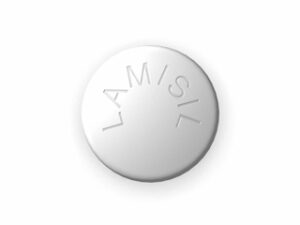
Grifulvin V (Griseofulvin) – Patient Guide (UK)
Grifulvin V contains griseofulvin, an antifungal medicine used to treat certain fungal infections of the skin, hair and nails. This guide explains how it works, how to take it, what to expect, and important safety information for people in the United Kingdom.
Always follow the instructions provided by your healthcare professional or the medicine label. If you are unsure about your specific situation, ask your pharmacist.
1. Basic product information
| Category | Details |
|---|---|
| Medicine | Grifulvin V |
| Active ingredient | Griseofulvin |
| Type | Oral antifungal (systemic) |
| Common uses | Fungal infections affecting skin/hair/nails (e.g., dermatophytes) |
| How it’s taken | By mouth (tablets or oral formulation depending on brand/strength) |
| Onset | Improvement can take days to weeks; complete clearing may take longer |
2. How Grifulvin V works (mechanism of action)
Griseofulvin belongs to the group of systemic antifungals that target dermatophytes—fungi that cause ringworm (tinea), athlete’s foot, and fungal infections of the nails (onychomycosis).
It works mainly by interfering with the fungus’s ability to form and multiply. Specifically, griseofulvin:
- Disrupts fungal cell division by affecting microtubule formation within the fungus.
- Helps the infected skin, hair or nail to be replaced by healthy tissue over time.
Because nails and hair grow slowly, treatment often needs to continue long enough for new, uninfected keratin to grow in.
3. Pharmacokinetics (how the body handles it)
Understanding how griseofulvin moves through the body can help explain why timing and food matter.
- Absorption: Griseofulvin is absorbed from the gut. Absorption can be improved when taken with food, particularly foods with fat.
- Distribution: It accumulates in tissues where keratin is formed (including skin, hair and nails), which is important for treating dermatophyte infections.
- Metabolism: It is metabolised mainly by the liver.
- Elimination: Breakdown products are removed from the body, largely via the urine and faeces.
Practical takeaway: For many people, consistent dosing with the same routine (including timing with meals where advised) improves results and reduces missed-dose effects.
4. Typical uses and indications in the UK
Griseofulvin is used for dermatophyte infections where oral treatment is appropriate, such as:
- Ringworm of the skin (tinea corporis)
- Athlete’s foot (tinea pedis)
- Jock itch (tinea cruris)
- Fungal infections of the scalp (tinea capitis), particularly in situations where oral therapy is needed
- Fungal infections of the nails (onychomycosis), depending on severity and type
- Fungal infections involving hair (tinea barbae, and related conditions)
Note: The most appropriate treatment can vary depending on the fungus species, location, and extent of disease. Some nail infections may respond better to alternative medicines depending on clinical assessment.
5. Timing and how to take Grifulvin V
How you take your dose can affect effectiveness. Always follow your product instructions and local guidance from your healthcare team.
General timing tips
- Take regularly at the times prescribed to maintain steady antifungal activity.
- Take with food, ideally with or after a meal (often with some fat) to support absorption.
- Do not skip doses. If you miss one, follow the advice in the leaflet or ask your pharmacist for guidance.
How long treatment may take
Antifungal treatment duration depends on the site:
- Skin infections: Improvement may be seen within days to weeks, but treatment often continues to ensure the fungus is fully cleared.
- Scalp and hair infections: Usually require longer courses.
- Nail infections: Often take months because the nail must regrow.
If symptoms improve but do not fully clear, it may be because infected nail or hair is still being replaced; this does not always mean treatment has failed.
6. Food interactions and absorption
Food can influence how much griseofulvin is absorbed.
- Take with meals: Taking griseofulvin with food is commonly recommended to improve absorption.
- Be consistent: If you normally take it with a meal, try to keep that routine.
Avoid: There is no single universally “forbidden” food, but extremes in diet or taking it on an empty stomach may reduce absorption for some people.
7. Alcohol and medicine interactions
Alcohol
There is no universal rule that you must completely avoid alcohol with griseofulvin, but caution is advised because:
- Griseofulvin is processed by the liver.
- Alcohol can also affect the liver and may increase the risk of liver-related side effects in susceptible individuals.
Practical advice: If you drink alcohol, keep it moderate. If you have liver problems, hepatitis, or you experience symptoms such as unusual fatigue, yellowing of the eyes/skin, or dark urine, seek medical advice promptly.
Other medicines
Griseofulvin can interact with other medicines. This is especially important because it may affect the way the liver handles drugs.
Tell your pharmacist or healthcare professional about all medicines you take**, including:
- Prescription medicines
- Over-the-counter products (e.g., cold/flu remedies)
- Herbal products (e.g., St John’s wort)
- Vitamins and supplements
Common interaction themes to be aware of:
- Hormonal contraception: Some antifungal medicines can affect contraceptive reliability. Griseofulvin may reduce the effectiveness of certain hormonal methods. If you use contraception, discuss options with a healthcare professional.
- Warfarin (blood thinner): Antifungal medicines can change bleeding risk in some circumstances. Monitoring may be required if you take anticoagulants.
- Other medicines metabolised by the liver: Drug levels can change, leading to reduced effect or increased side effects.
Because interaction risk depends on the exact medicines and doses, always check with a pharmacist for your personal medication list.
8. Dosing (how much to take)
Your dose depends on your age, weight, infection type, and severity. Doses can differ between adults and children. Use the strength and schedule provided with your specific product.
Typical approach
- Weight-based dosing is common, especially in children.
- Doses may be adjusted according to response and tolerance.
What not to do
- Do not increase or decrease your dose without advice.
- Do not stop early just because symptoms improve—nails and hair may still harbour fungus.
Important: If you have kidney disease, liver disease, or you take other medicines, dose and monitoring may require extra attention.
9. Safety profile (side effects and precautions)
Like all medicines, griseofulvin can cause side effects. Many people experience none or only mild effects, but it’s important to know what to watch for.
Common side effects
- Headache
- Nausea, indigestion or stomach discomfort
- Diarrhoea or abdominal upset
- Dizziness
- Skin sensitivity in some people
Less common but important side effects
- Liver problems: symptoms may include yellowing of the eyes/skin (jaundice), dark urine, severe fatigue, or persistent nausea.
- Blood cell changes: unusual bruising or infections may occur.
- Severe skin reactions: blistering, peeling, mouth ulcers or widespread rash.
- Allergic reactions: swelling of the face/lips, breathing difficulty, or widespread hives.
Seek urgent help if
- You develop signs of an allergic reaction (swelling, breathing problems)
- You develop a severe skin rash or blistering
- You develop symptoms suggesting liver injury
Precautions
- Liver disease: Extra caution is needed. Your clinician may monitor liver function.
- Blood disorders: People with relevant history may need monitoring.
- Pregnancy and breastfeeding: Use may depend on the clinical situation; discuss risks and benefits with a healthcare professional.
- Children: Dose and suitability depend on age and weight; follow the clinician’s instructions carefully.
10. Practical use tips for better results
Taking griseofulvin correctly is only part of success. Treating fungal infections often requires a combined approach to prevent persistence and reinfection.
Improve effectiveness
- Take with food as advised to support absorption.
- Use good adherence: set reminders so you don’t miss doses.
- Complete the course: continue for the full duration even if you feel better.
Prevent reinfection
- Keep skin clean and dry, especially between toes and skin folds.
- Change socks regularly and use breathable footwear.
- Do not share towels, hats, or hair tools.
- Wash bedding and clothing that contact the affected area.
- If treating nails, consider footwear and personal care items that may be contaminated.
Follow-up
- Expect gradual improvement—particularly for nails and scalp.
- If there’s no improvement after an appropriate time, or if symptoms worsen, ask your pharmacist or GP for review.
11. Alternative treatment options
For fungal infections, alternative antifungal therapies may be used depending on the site and severity. Options can include topical treatments (creams, lotions, sprays) and other oral antifungals.
Topical antifungals (often for limited skin disease)
- Terbinafine creams/sprays
- Clotrimazole creams
- Miconazole/other imidazoles
Oral alternatives (commonly considered for some nail/scalp cases)
- Terbinafine
- Itraconazole
- Fluconazole (in selected situations)
Why alternatives matter: Different medicines have different interaction profiles, durations, and suitability. The “best” option depends on your diagnosis, fungal type, and your overall health and medicines.
12. UK market and legal context
Grifulvin V is an established antifungal medicine in the UK. In practice, availability and prescribing decisions can vary over time due to supply, local clinical policies, and formulary recommendations.
UK regulation and guidance:
- Medicines in the UK are regulated by the Medicines and Healthcare products Regulatory Agency (MHRA).
- Clinical use is supported by evidence and is aligned with national and local guidance used by GPs, dermatology services and pharmacists.
- Supply issues can occasionally affect stock levels; online pharmacies may list alternatives or different formulations if a product is temporarily unavailable.
Recent guidance (high-level): UK antifungal management increasingly emphasises:
- Confirming the diagnosis (especially for scalp and nail conditions)
- Using the most appropriate antifungal based on likely organism and infection site
- Considering drug–drug interactions and liver safety for oral antifungals
- Supporting adherence and infection control to reduce recurrence
13. Delivery and availability (UK online pharmacy)
Availability can depend on whether Grifulvin V is currently in stock at the supplier and the delivery location. When ordering from an online pharmacy in the UK:
- Check stock status before completing your order.
- Delivery times may vary depending on service level and courier.
- Some services offer standard or express options.
- If your preferred strength/form is unavailable, the pharmacy may offer equivalent alternatives where appropriate.
Storage: Store tablets according to the product label. Keep out of sight and reach of children. Protect from excessive heat and moisture.
14. FAQ
Can I take Grifulvin V with food?
Yes. Taking griseofulvin with food is often recommended to improve absorption. Follow the specific advice on your product packaging and any instructions you’ve been given.
How long will it take to work?
Some skin symptoms may start improving within days to weeks, but complete clearing—especially for nails and scalp—can take longer. Treatment often needs to continue long enough for healthy tissue to grow in.
What should I do if my skin looks better but the infection is not fully gone?
Do not stop early. Residual infection may still be present, particularly with nails and hair. Seek advice if there is no further improvement after a reasonable time or if symptoms worsen.
Can I drink alcohol while taking Grifulvin V?
Moderation is advised. Because griseofulvin can affect the liver, heavy alcohol intake may increase risk. If you have liver problems, avoid alcohol and seek medical advice.
Will Grifulvin V interact with other medicines?
It can. Griseofulvin may interact with medications that are metabolised by the liver and with products affecting hormonal contraception reliability. Always check your full medicine list with a pharmacist.
Is Grifulvin V suitable for children?
It may be used for children in certain fungal infections, but dosing and suitability depend on age, weight and diagnosis. Always use the dose directed for your child.
What side effects should I watch for?
Watch for signs of liver problems (yellowing of eyes/skin, dark urine), severe skin reactions, and allergic symptoms (swelling, breathing difficulty). If these occur, seek urgent medical help.
What if I miss a dose?
Check the patient leaflet for advice. In general, don’t take double doses. Contact your pharmacist if you’re unsure.
Can I use topical antifungal treatments as well?
Often yes, particularly for skin infections, but it depends on the condition and diagnosis. Using both topical and oral therapy may improve outcomes—ask your healthcare professional for the most suitable plan.
Summary
Grifulvin V (griseofulvin) is an oral antifungal used for certain fungal infections, especially those caused by dermatophytes affecting skin, hair and nails. It works by interfering with fungal growth and supports replacement of infected tissue with healthy keratin over time. Taking it with food, maintaining consistent dosing, and completing the full course are important for best results. Because it can interact with other medicines and affect the liver, it’s essential to discuss your medication list and report any concerning symptoms promptly.