
Valacyclovir: Uses, How It Works, Safety and Practical Advice (UK)
Valacyclovir is an antiviral medicine used to treat and prevent certain infections caused by viruses in the herpes family (including herpes simplex and varicella-zoster viruses). In the UK, it is commonly prescribed for conditions such as cold sores (herpes labialis), genital herpes (herpes simplex), and shingles (herpes zoster), and in some cases to help reduce the frequency of recurrent episodes.
Basic product information
Valacyclovir belongs to the class of antivirals known as nucleoside analogues. It is converted in the body into an active antiviral substance.
- Active ingredient: Valacyclovir (often supplied as valacyclovir hydrochloride)
- Medicine type: Antiviral
- Common uses in adults: Cold sores, genital herpes, shingles, and prevention strategies in specific situations
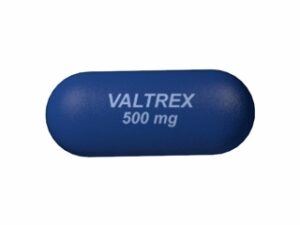
- Forms: Tablets (strengths commonly available include 500 mg and 1 g, depending on local availability)
- How it’s taken: By mouth with water
This page provides patient-friendly information to help you understand valacyclovir. Your clinician may tailor dosing to your condition, kidney function, age, and other medicines you use.
Mechanism of action (how valacyclovir works)
Valacyclovir is a prodrug, meaning it is converted in the body into its active form. After you take it by mouth, the active antiviral substance interferes with how the virus replicates.
In simple terms, valacyclovir helps to:
- Block viral DNA replication: it targets viral enzymes involved in copying the virus’s genetic material.
- Reduce viral spread: fewer new virus particles are made, which can shorten symptoms and lower shedding.
- Support faster healing: in conditions like shingles and cold sores, earlier treatment can help lesions heal sooner.
Valacyclovir does not cure viral infections permanently. Herpes viruses can remain in the body and may reactivate later. However, treatment can control outbreaks and reduce the likelihood or severity of future episodes when used as directed.
Pharmacokinetics (how your body absorbs and clears it)
Understanding pharmacokinetics can help explain why timing and dose adjustments (especially with kidney problems) matter.
Absorption and conversion
Valacyclovir is absorbed from the gut and rapidly converted to acyclovir, the active antiviral. The drug then circulates in the bloodstream and reaches tissues where the virus is active.
Distribution
Acyclovir distributes to body fluids and tissues where herpes viruses may cause symptoms, including skin and mucosal surfaces.
Metabolism and elimination
Acyclovir is mainly eliminated by the kidneys. This is why kidney function can affect blood levels and influence dosing.
Half-life (general concept)
The medication’s effects depend partly on how long active drug persists in the body. People with reduced kidney function may have longer exposure, increasing risk of adverse effects—so dose adjustments may be necessary.
Typical use: what valacyclovir is indicated for
Valacyclovir is used to treat and, in some circumstances, prevent infections due to herpes viruses. The specific indication depends on the condition, your age, and your medical history.
Common indications
- Herpes simplex (cold sores / herpes labialis): treatment of outbreaks and, in some cases, episodic or preventive strategies.
- Genital herpes (herpes simplex): treatment of initial episodes and recurrent outbreaks; prevention of recurrence may be advised for some people.
- Herpes zoster (shingles): treatment of shingles, particularly when started early to improve outcomes.
- Prevention in specific situations: in certain adults with a high risk of recurrent outbreaks or immunosuppression, clinicians may use antiviral strategies to reduce frequency or complications.
If you are unsure whether your symptoms match an indication, seek medical advice promptly—especially for painful rashes (possible shingles) or new genital symptoms.
Timing: when to start and how to take it
Timing is one of the most important factors for effectiveness. Antivirals work best when started early—often at the first signs or symptoms of an outbreak.
Best time to begin
- Cold sores: ideally begin at the earliest tingling, burning, or prodromal stage, or as soon as sores appear.
- Genital herpes: start as soon as possible after symptoms begin. For first episodes, earlier treatment is particularly important.
- Shingles: start as soon as possible, typically within the first 72 hours of rash onset. Earlier treatment may reduce symptom duration.
How to take it
- Take with water.
- Follow the schedule provided with your medicine.
- Finish the course unless your clinician instructs otherwise.
- If you miss a dose, do not take a double dose to make up for it—take the next dose when due.
Dosing: typical regimens (adults)
Dosing varies by the condition being treated, severity, and kidney function. The information below is presented to help you understand typical patterns; your clinician may prescribe a different regimen. Always follow the dosing instructions provided with your medicine.
Kidney function matters: If you have reduced kidney function, your prescriber may lower the dose or adjust the dosing frequency.
| Condition | Typical adult approach | How it’s usually taken | Notes |
|---|---|---|---|
| Cold sores (herpes labialis) | Short course | Often taken multiple times daily | Best started early when symptoms begin. |
| Genital herpes (initial episodes) | Treatment course | Multiple daily doses over several days | Early treatment can reduce duration of symptoms. |
| Genital herpes (recurrent episodes) | Episodic treatment or prevention | Either short “at-outbreak” dosing or daily prevention dosing | Prevention strategies may reduce outbreak frequency. |
| Shingles (herpes zoster) | Curative treatment course | Multiple daily doses over several days | Start as soon as possible—often within 72 hours of rash onset. |
Children: dosing depends strongly on age and weight and should be determined by a qualified clinician. This article focuses on general adult information.
Missed dose
If you miss a dose, take it as soon as you remember unless it is close to your next dose. In that case, skip the missed dose and continue as normal. Do not take a double dose.
Food interactions and alcohol
Food
Valacyclovir can generally be taken with or without food. However, if food helps you remember doses or improves tolerability, you may take it with meals. The key practical point is consistency and adherence to your prescribed schedule.
Hydration: drink adequate fluids. Because the medication is cleared by the kidneys, maintaining normal hydration is a sensible supportive measure.
Alcohol
Alcohol is not known to directly “cancel out” the antiviral effect. However, alcohol can:
- Increase dehydration risk in some people
- Worsen side effects such as dizziness or nausea for some users
- Make it harder to follow dosing schedules
For best results and comfort, consider limiting alcohol during treatment. If you have liver disease, kidney disease, or take other medicines, check with a healthcare professional.
Medicine interactions
Some medicines may affect kidney function or compete for kidney elimination pathways. This can increase the chance of side effects in certain individuals. Always tell your clinician or pharmacist about all medicines you use, including:
- Medicines that affect the kidneys (for example, some high-dose or long-term treatments)
- Other antivirals or medications used in immunosuppression
- Cimetidine (commonly used for reflux/ulcer symptoms) may affect drug handling in some cases
- Probenecid (a medicine affecting uric acid pathways) may affect acyclovir clearance
- Nephrotoxic medicines (medicines that can be harmful to kidneys)
If you take medicines that influence kidney function, you may need monitoring or dose adjustments. Never stop or start medicines without professional advice.
Safety profile: side effects and when to seek help
Like all medicines, valacyclovir can cause side effects. Many people experience none or only mild effects. The overall safety profile is generally good when used at appropriate doses, especially with correct kidney-based dosing.
Common side effects
- Headache
- Nausea
- Stomach discomfort
- Dizziness
Less common but important effects
- Allergic reactions (rash, itching, swelling)
- Kidney-related problems—risk may be higher if dehydrated or if higher doses are used without kidney adjustments
- Neurological symptoms (confusion, agitation, hallucinations) have been reported, particularly in people with kidney impairment
Seek urgent medical advice if you develop signs of a serious allergic reaction (such as swelling of the face/lips, difficulty breathing), severe confusion, or reduced urination.
Who should take extra care?
- People with kidney problems or those at risk of dehydration
- Elderly patients (kidney function may decline with age)
- People with weakened immune systems (dosing and monitoring may differ)
- Pregnancy and breastfeeding: risks and benefits should be discussed with a clinician, who can tailor treatment to your situation.
Driving and using machines
Valacyclovir may cause dizziness or headache in some people. If you feel unwell or dizzy, avoid driving or operating machinery until you feel normal again.
Practical use tips
Small habits can improve comfort and support the effectiveness of treatment. Consider the following practical advice:
Start early
If you recognise the early warning signs of your outbreak, don’t wait for symptoms to worsen. Early start is often associated with better outcomes.
Stay well hydrated
- Drink plenty of water during treatment (unless you’ve been told to restrict fluids).
- Stay alert to signs of dehydration, especially if you have vomiting, diarrhoea, or fever.
Follow your dosing schedule
- Use alarms or a medication organiser to reduce missed doses.
- Complete the course even if you feel better early.
Reduce transmission (if you have herpes simplex)
Valacyclovir helps control viral activity but does not eliminate transmission risk completely. When relevant to your condition:
- Avoid sexual contact during active outbreaks or when you have symptoms.
- Consider barrier protection methods (such as condoms) and follow public health advice.
- If you are pregnant or your partner is pregnant, seek specific guidance promptly.
For shingles: protect skin and manage pain
- Keep the rash clean and covered if advised.
- Use soothing measures and follow pain advice from your healthcare team.
- Contact a clinician urgently if you develop eye involvement, facial rash, or severe pain.
Alternative options
Depending on your diagnosis, severity, and kidney function, clinicians may consider other antiviral options. Availability can vary across the UK.
Other antivirals used for herpes viruses
- Acyclovir: an antiviral often used for similar herpes infections; dosing may be more frequent.
- Famciclovir: another prodrug antiviral used for herpes simplex and shingles in certain regimens.
- Topical options for cold sores: some mild cases may be treated with topical antivirals, though oral treatment is often needed for broader or severe episodes.
Your prescriber may choose the most suitable option based on tolerability, dosing convenience, drug interactions, and kidney function. If you are considering switching, seek professional advice before changing treatment.
UK market and legal context (general)
In the UK, prescription medicine supply routes and availability can vary depending on the product and whether it is classified as prescription-only medicine (POM) or another category. Antiviral treatments for herpes infections are commonly available through NHS services and private healthcare pathways as clinically indicated.
Online pharmacies may stock certain strengths and pack sizes depending on licensing, regulations, and local supply arrangements. Always ensure that you purchase medicines from a reputable supplier with appropriate regulatory safeguards.
If you have questions about suitability, side effects, or interactions, a healthcare professional or pharmacist can help you decide whether valacyclovir is the right choice.
Recent guidance and best-practice points
Across UK clinical practice, the main themes for herpes virus antiviral therapy include:
- Prompt treatment: start early for shingles and outbreak episodes where it’s expected to help most.
- Kidney-aware dosing: adjust doses in kidney impairment and ensure adequate hydration.
- Assess complications risk: consider urgent evaluation if symptoms suggest complications (for example, eye involvement in shingles, severe disease, or immunocompromise).
- Adherence: complete courses and take medicines on schedule to reduce symptom duration and viral activity.
- Public health considerations: for genital herpes, counselling about transmission and prevention is an important part of care.
Guidance may be updated over time by health authorities and clinical bodies. If your condition is complex (immunosuppression, pregnancy, recurrent severe episodes), consult healthcare professionals for up-to-date advice.
Delivery and availability
Availability of valacyclovir can vary by strength and pack size. Some online pharmacies may offer:
- UK-wide delivery to most postcodes
- Standard or tracked delivery options (delivery times can vary)
- Discreet packaging to protect privacy
- Clear product labelling showing the strength and dosing instructions
When ordering, check:
- That the strength matches the prescribed plan you have been advised to use
- Expiry dates (most reputable suppliers handle this automatically)
- Whether you need a full course or repeat supply for prevention strategies
FAQ: Valacyclovir (UK)
1) How quickly does valacyclovir work?
Many people notice improvement within a few days, but timing depends on how early treatment starts and the type of infection. For shingles, starting early (often within 72 hours of rash appearance) is particularly important.
2) Can I take valacyclovir with food?
Yes, valacyclovir can generally be taken with or without food. Taking it with meals may help if you experience nausea.
3) Should I avoid alcohol completely?
You don’t usually need to avoid alcohol entirely, but it’s sensible to keep it to a minimum while taking valacyclovir. Alcohol can worsen nausea or increase dehydration risk, which may contribute to side effects in some people.
4) What if I have kidney disease?
Kidney function is important for safe dosing. Your clinician may prescribe a reduced dose or adjusted schedule. Tell your pharmacist if you have kidney impairment, reduced urine output, or dehydration risk.
5) What side effects are most common?
Common side effects include headache, nausea, and dizziness. If you experience severe or unexpected symptoms, contact a healthcare professional.
6) Are there any signs I should stop and get help?
Seek urgent advice for symptoms of serious allergy (swelling, breathing difficulty) or severe confusion, or if you notice reduced urination. For milder concerns, contact a pharmacist or clinician promptly.
7) Will valacyclovir cure herpes?
It does not cure herpes viruses permanently. However, it helps control outbreaks and reduce viral replication, which can shorten symptoms and reduce recurrence in some treatment plans.
8) How should I store valacyclovir?
Store according to the instructions on the package (typically at room temperature, away from excessive heat and moisture). Keep medicines out of sight and reach of children.
9) Can I take other medicines at the same time?
Many medicines can be taken together, but some can affect kidney handling or increase side-effect risk. Always inform your pharmacist about all medicines and supplements you take.
10) What should I do if I miss a dose?
Take it when you remember unless it is close to the next scheduled dose. Do not take a double dose. Continue your usual schedule.