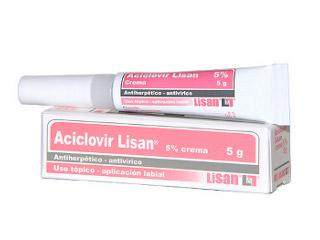

Acyclovir 5% Cream (Acyclovir) – Patient Information (UK)
Acyclovir cream 5% is a skin treatment used for certain viral infections, most commonly cold sores (herpes labialis). It works by helping to stop the virus from multiplying, which can help reduce the length and severity of outbreaks when used correctly and early.
This page explains what Acyclovir 5% cream is, how it works, how to use it, what to expect, and important safety information. It is written for patients in the United Kingdom.
Basic product information
| Feature | Information |
|---|---|
| Active ingredient | Acyclovir |
| Strength | 5% w/w (usually indicated as “5% cream”) |
| Dosage form | Topical (skin) cream |
| Common indications | Cold sores (herpes labialis). Sometimes used for other local herpes simplex lesions as advised. |
| How it is used | Applied to affected skin areas (e.g., lips/around mouth) |
| Key benefit | May shorten symptoms if started early |
How Acyclovir 5% cream works (mechanism of action)
Acyclovir is an antiviral medicine. It targets the herpes simplex virus (HSV), which causes cold sores. Once the drug is taken up by infected skin cells, it is converted into an active form. This active form interferes with the virus’s ability to replicate.
In practical terms, Acyclovir helps to:
- Reduce viral multiplication within the affected area
- Limit spread of the infection in nearby tissue
- Support faster healing when used at the earliest sign of an outbreak
Pharmacokinetics (what happens in the body)
When applied to the skin, Acyclovir is generally absorbed into the body only to a limited extent. Most of the medication remains at the site of infection and works locally in the skin cells.
Key points relevant to patients include:
- Local action: the cream is designed to act where the virus is causing symptoms.
- Limited systemic absorption: only small amounts typically enter the bloodstream when used as directed.
- Metabolism and elimination: any absorbed drug is processed by the body and eliminated mainly through the kidneys.
Because absorption is limited, systemic side effects are uncommon when used properly on the skin. However, if large areas are treated, if the skin barrier is extensively damaged, or if use is prolonged, absorption may increase.
What it is used for (indications)
Acyclovir 5% cream is used to treat herpes simplex infections of the skin, with the most common use being:
- Cold sores (herpes labialis) – sores around the mouth/lips, often preceded by tingling or burning.
Depending on the product guidance and clinical judgement, topical acyclovir may also be considered for other localised HSV skin lesions. If your symptoms are not typical of a cold sore, get professional advice.
When to start: timing for best results
The success of treatment strongly depends on starting early. Acyclovir works best when applied at the first signs of an outbreak.
For cold sores, early symptoms can include:
- Tingling, itching, or burning sensation on the lip
- Redness or tenderness developing
- Possible “prodrome” feeling before a blister appears
If you wait until the sore is fully blistered or crusted, the benefit may be smaller. Even so, using the cream as advised can still be helpful in many cases.
Dosing and how to apply (typical regimen)
Follow the instructions on the product label or any accompanying patient information. Below is a common approach used for topical acyclovir for cold sores:
- Adults and children (as stated for the product): typically apply a thin layer to the affected area
- Frequency: commonly five times daily (e.g., roughly every 4 hours while awake)
- Duration: usually for 4 days; if not fully healed, treatment may be extended to up to 10 days as needed, but seek advice if not improving
How to use:
- Wash your hands before applying.
- Clean the area gently if needed and pat dry.
- Apply a thin layer of cream to the affected skin and possibly a small surrounding area. Avoid getting it inside the mouth or eyes.
- Wash your hands again after application.
- Try to maintain consistent timing between doses, especially during waking hours.
Important: Don’t cover the treated area with airtight dressings unless specifically instructed. Avoid sharing towels or lip products during an outbreak to reduce spread.
Food interactions
Because Acyclovir cream is used on the skin and is generally absorbed only in small amounts, it has no known clinically significant food interactions. You can take your usual meals and drinks as normal.
Alcohol and medicine interactions
For Acyclovir cream, no specific alcohol interaction is typically expected because systemic exposure is low. However, alcohol can trigger outbreaks in some people by affecting immunity, sleep quality, hydration, or stress levels.
Also consider that during outbreaks, you may be more likely to develop irritation around the mouth. Alcohol-containing products (such as some mouthwashes) can sometimes worsen local discomfort.
If you are using other medicines on the same area (e.g., moisturisers, sunscreens, or other topical treatments), avoid applying them at the exact same time. Ask a pharmacist if you are unsure.
Safety profile and side effects
Most people tolerate Acyclovir 5% cream well. Like all medicines, it can cause side effects, although not everyone will experience them.
Common side effects
- Mild skin irritation (e.g., burning or stinging where the cream is applied)
- Dryness or slight redness
- Flaking or mild discomfort
Less common or allergic reactions (seek advice urgently)
- Rash that spreads beyond the treatment area
- Swelling, blistering, or severe redness
- Breathing difficulties (seek emergency help)
When to stop and seek medical help
Contact a healthcare professional if:
- Your symptoms are worsening instead of improving
- Your cold sore lasts longer than expected (often should improve within about a week)
- You develop eye pain, redness, or blurred vision (this may indicate herpes infection of the eye)
- You have a weakened immune system (e.g., due to certain illnesses or medicines), as treatment strategy may differ
- You experience signs of severe allergic reaction
Special precautions
- Avoid eyes and inside the mouth: the cream is for the skin around the mouth/lips, not the eye.
- Infected skin can spread: try not to touch the sore and wash hands frequently.
- Consider contagiousness: cold sores can spread even before you see blisters.
Practical use tips (to get the most from treatment)
- Start at the first tingling sensation for the best chance of benefit.
- Apply a thin layer: too much cream can be messy and may increase irritation.
- Be consistent: try to space doses evenly while you’re awake.
- Keep the area clean: gently wash with water if needed; pat dry.
- Do not pick the sore: this slows healing and increases the risk of secondary infection.
- Use lip protection: an appropriate lip balm can reduce discomfort and protect from sun exposure, but apply it at a different time than the acyclovir cream.
- Sunscreen matters: UV light can trigger outbreaks. Protect your lips when outdoors.
- Reduce transmission during outbreaks: avoid kissing and oral sex, do not share cups/utensils, and avoid sharing lip products.
Alternative options for cold sores (what else may help)
Treatment for cold sores depends on severity, frequency, and personal health circumstances. Options include:
- Other topical antivirals: some products may contain different antiviral agents or formulations.
- Oral antiviral medicines: in more severe cases, recurrent outbreaks, or in people with higher risk of complications, healthcare professionals may consider tablets rather than cream.
- Pain relief: over-the-counter pain relief may help symptoms while the sore heals.
- Barrier/soothing treatments: some gels and dressings can protect the sore and reduce discomfort.
- Preventive strategies: identifying triggers (sunlight, stress, illness) and using lip protection can reduce outbreak frequency.
If your outbreaks are frequent, unusually severe, or you have concerns about recurrence, consider discussing options with a pharmacist or clinician.
Market and legal context in the United Kingdom
In the UK, many antiviral treatments for cold sores are available through different routes such as pharmacy supply or clinician-led care, depending on formulation and strength. Patient-facing topical antivirals like acyclovir cream are commonly used for localized herpes simplex infections of the skin.
Key UK considerations include:
- Regulation: medicines are authorised and regulated under UK pharmacy and medicines frameworks.
- Product leaflets: guidance and dosing can vary by brand and formulation, so always check the specific pack instructions.
- Medicines optimisation: clinicians and pharmacists aim to use appropriate therapy based on severity and patient risk.
For personalised advice, a pharmacist can help you choose the most suitable approach for your symptoms and medical history.
Recent guidance and clinical approach (what matters most)
Across recent clinical practice for cold sores, common themes include:
- Early treatment is important: start promptly when tingling or redness begins.
- Assess severity and recurrence: frequent outbreaks may require a different plan.
- Be alert to red-flag symptoms: eye involvement, severe immunosuppression, or complications need professional review.
- Focus on symptom relief and transmission prevention alongside antiviral therapy.
Because cold sores vary between individuals, the best strategy is often the one that matches your outbreak pattern and personal risk factors.
Delivery and availability (UK)
Acyclovir 5% cream is widely available through UK online pharmacies and in some cases may be supplied through pharmacy channels, depending on current local availability and product range.
Typical delivery information you can expect when ordering online may include:
- Dispatch times: often within 24 hours on working days, depending on stock and cut-off times.
- Delivery options: standard and express services may be offered.
- Packaging: medicines are usually supplied in sealed packaging with patient information included.
Always check the product page for the most up-to-date stock status, delivery estimates, and courier service details.
FAQ: Common questions about Acyclovir 5% cream
1) How fast will Acyclovir cream work?
Many people notice some improvement over the next 1–3 days when started early. Overall healing time can still vary, and you may not see a dramatic change immediately, especially if you start later in the outbreak.
2) Can I use Acyclovir cream for a cold sore on my lip?
Yes—Acyclovir cream 5% is commonly used for cold sores (herpes labialis) on the lip or around the mouth, following the dosing instructions on the pack or provided guidance.
3) Can I apply makeup or sunscreen on top of the cream?
You should apply the cream first and allow it to absorb. If you want to use cosmetics, choose products that won’t rub off easily and avoid getting them into the sore. Consider applying cosmetics later in the day after the cream has dried. If you’re unsure, ask a pharmacist.
4) Is Acyclovir cream safe for children?
Use in children depends on the product label and the child’s age. If you are treating a child, check the pack instructions carefully and ask a pharmacist if you’re uncertain.
5) What should I do if I accidentally get cream in my eye?
Rinse the eye with clean water or saline and seek medical advice if you have pain, persistent redness, or vision changes. Avoid future contact by washing hands thoroughly after applying.
6) Should I stop treatment once the sore crusts over?
Generally, continue the course as directed even if the sore begins to crust, unless advised otherwise. Stopping early may reduce the chance of full benefit.
7) Can I still spread the virus when using the cream?
Yes. Cold sores are contagious during an outbreak, and transmission can occur even before blisters appear. Acyclovir may reduce viral activity locally, but it does not eliminate contagiousness entirely. Avoid kissing and oral sex, and don’t share personal items during outbreaks.
8) Can I use Acyclovir cream more often than recommended?
Follow the stated frequency. Using more frequently than advised does not usually improve outcomes and may increase irritation. If you feel you need more guidance, consult a pharmacist.
9) What if my cold sore keeps coming back?
Recurrent cold sores are common. If outbreaks are frequent (for example, several times a year), are severe, or affect quality of life, discuss options with a healthcare professional. Prevention strategies and alternative treatments (including other formulations or tablets) may be appropriate.
10) Are there any food or alcohol restrictions?
There are typically no food restrictions for the cream. Alcohol-specific interactions are not generally expected, but alcohol may trigger outbreaks in some people or worsen irritation. Use personal judgement and seek advice if you have concerns.
Summary
Acyclovir 5% cream is a topical antiviral used for cold sores caused by herpes simplex. It works by interfering with viral replication, and it is most effective when applied early—at the first signs of tingling, burning, or redness. Used correctly, it can help speed healing and reduce the severity of outbreaks.
If you experience eye symptoms, worsening infection, or have immune system concerns, seek professional medical advice promptly. For daily use, keep the area clean, apply a thin layer consistently, and wash your hands before and after treatment.