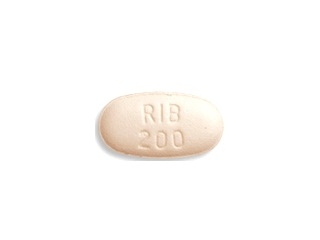
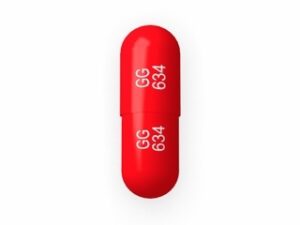
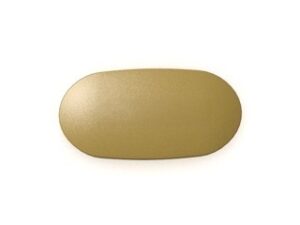
Copegus (Ribavirin) – Patient Information
Copegus is a brand of ribavirin, an antiviral medicine used in combination treatments for certain viral infections. This page explains how Copegus works, how it is used, common practical considerations, and important safety information for people in the United Kingdom.
Important: Always follow the advice given by your healthcare professional and the instructions supplied with your medicine. Information below is general and may not apply to every person.
1) Basic product information
| Feature | Details |
|---|---|
| Medicine name | Copegus |
| Active ingredient | Ribavirin |
| Medicine type | Antiviral (nucleoside analogue) |
| How it is taken | By mouth (tablets/capsules depending on local presentation) |
| Common use context | Typically used with other antiviral medicines in combination regimens |
| ATC/therapeutic area | Antivirals for systemic use |
2) How Copegus works (mechanism of action)
Ribavirin is a synthetic nucleoside analogue. It targets viruses by interfering with viral replication. While the exact mechanisms can vary across viruses, ribavirin is thought to:
- Disrupt viral RNA/DNA synthesis by acting as a false building block.
- Alter intracellular nucleotide pools (the “building blocks” used to replicate viral genetic material).
- Increase viral mutation rates, making it harder for the virus to maintain viable strains.
- Support antiviral immune effects in combination regimens.
Because ribavirin is usually used with other medicines, its effectiveness depends on the overall treatment plan.
3) Pharmacokinetics (what the body does with ribavirin)
Pharmacokinetics describes how the body absorbs, distributes, metabolises, and eliminates a medicine.
- Absorption: Ribavirin is absorbed after oral dosing. Food can influence uptake (see “Food interactions”).
- Distribution: It distributes into tissues, and importantly it can persist in the body for a long time.
- Metabolism: Ribavirin is metabolised primarily in the body through pathways that do not rely on complex liver enzyme systems in the same way as some other medicines.
- Elimination: The medicine is cleared largely via the kidneys. This means kidney function matters.
- Long half-life: Ribavirin can remain in the body for weeks after treatment ends, which contributes to the need for careful contraception planning.
Because it stays in the body longer than many antivirals, your healthcare team may check blood tests during and after treatment and may advise precautions even after stopping.
4) Typical use and timing
Copegus (ribavirin) has been used in combination antiviral regimens, most commonly in treatment plans for certain types of chronic viral infection (for example, hepatitis C) depending on the patient’s situation and the regimen used by the prescriber.
Key principle: Ribavirin is generally not used alone. It is most effective when combined with other antiviral medicines in a tailored regimen.
When to take it
- Take ribavirin at the times your schedule advises (often morning and evening).
- Try to take doses at consistent intervals each day.
- If you miss a dose, follow the guidance from your healthcare professional or the patient information leaflet provided with your medicine.
Duration of treatment: This depends on the infection type, the treatment combination, and your response. Your care plan will specify the length and how monitoring will be done.
5) Food interactions
Food can affect ribavirin absorption. To help maintain consistent blood levels, it is generally advised to:
- Take ribavirin with food where instructed by the medicine leaflet or your healthcare professional.
- Keep your routine consistent: if you take it with meals on some days, try not to switch to an empty stomach on others.
If you have swallowing difficulties or are unsure how to take your specific formulation, ask a pharmacist for guidance.
6) Alcohol and medicine interactions
Alcohol
Alcohol may worsen liver-related health and can make side effects more difficult to manage. If ribavirin is being used for a liver condition (such as chronic hepatitis), it is generally recommended to avoid or minimise alcohol and to follow your clinician’s advice.
- Avoid binge drinking and do not use alcohol as “self-medication.”
- If you drink alcohol, consider discussing an appropriate limit with your healthcare professional, especially if you have liver impairment.
Medicine interactions
Ribavirin can interact with some medicines and may also be affected by kidney function. Tell your healthcare professional and pharmacist about all medicines you take, including:
- Prescription medicines
- Over-the-counter products (including cold/flu remedies)
- Herbal remedies and supplements
- Antacids or medicines for indigestion
Specific interaction risks may include:
- Kidney-impacting medicines (because ribavirin is eliminated by the kidneys).
- Medicines that affect blood cells or haemoglobin (ribavirin can cause anaemia in some people).
- Vaccination and immune-related considerations depending on your condition and immune status (ask your clinician).
For the safest approach, review your medication list with a pharmacist before starting. If you develop new symptoms after starting Copegus, contact your healthcare professional promptly.
7) Indications (what Copegus is used for)
Ribavirin is an antiviral medicine used as part of combination therapy for certain viral infections. In the UK context, ribavirin is most associated with treatment pathways for chronic hepatitis C in specific regimens and patient groups, particularly where it is included based on genotype, prior treatment history, severity, or other clinical factors.
Note: Modern direct-acting antivirals have changed treatment options over time. Your healthcare team will decide the best regimen for you based on current guidance and your medical history.
8) Dosing (general guidance)
Dose and schedule must be individualised. Ribavirin dosing can depend on factors such as:
- Body weight
- Kidney function
- Planned combination regimen
- Type of infection and treatment duration
- Haemoglobin and other blood results during therapy
Common dosing approaches (may vary by regimen and formulation) include weight-based total daily doses split into two divided doses (morning and evening) to improve tolerability.
Adjustments during treatment
- If side effects occur—especially anaemia—your clinician may adjust dose, pause treatment, or use supportive measures.
- Kidney impairment may require dose reduction and closer monitoring.
Do not change your dose without medical advice.
9) Safety profile and side effects
Like all medicines, Copegus (ribavirin) can cause side effects. Some are mild and improve as your body adjusts; others require urgent medical attention.
Common side effects
- Anaemia (low red blood cells), which may cause tiredness, weakness, shortness of breath, or dizziness
- Headache
- Nausea or stomach discomfort
- Fatigue
- Rash or skin irritation
- Difficulty sleeping or mood changes in some people (especially in combination regimens)
Other possible effects include lab changes and less common reactions. Your healthcare provider may schedule blood tests to monitor safety.
Serious side effects – seek urgent medical help
Contact urgent medical services or seek prompt medical advice if you experience:
- Severe breathlessness, chest pain, fainting, or sudden severe weakness (possible severe anaemia or cardiovascular issues)
- Signs of an allergic reaction: swelling of the face/lips, severe rash, wheezing
- Severe depression, suicidal thoughts, or significant behavioural changes (particularly important if ribavirin is used with other medicines that can affect mood)
- Severe abdominal pain, persistent vomiting, or yellowing of the skin/eyes
Pregnancy and contraception (very important)
Ribavirin can be harmful to an unborn baby. For this reason, strict precautions are required:
- Do not use ribavirin during pregnancy.
- Contraception is required for people who could become pregnant and their partners during treatment and for a defined period after stopping (the specific duration will be provided by your healthcare team).
- Because ribavirin remains in the body for a long time, the “after stopping” period is crucial.
If you are planning a pregnancy, are unsure about contraception, or have questions about timing, speak with your healthcare professional immediately.
10) Practical use tips
- Build a routine: Choose times that fit your day (e.g., breakfast and evening meal) and set reminders.
- Take with consistent food: Follow the leaflet instructions about food to keep absorption steady.
- Attend monitoring: Follow the blood test schedule (commonly including full blood count and kidney function) so dose adjustments can be made early.
- Manage anaemia symptoms: If you feel unusually tired or breathless, report it promptly. You may need dose adjustment or supportive treatment.
- Keep a medication list: Bring it to appointments and show it to pharmacists to check for interactions.
- Avoid alcohol or limit: Especially if you have liver disease.
- Store properly: Keep your medicine in a safe place, away from moisture and out of reach of children. Follow package instructions.
11) Missed dose guidance (general)
If you miss a dose, the correct action depends on how long ago it was. In general:
- Check the patient information leaflet for your specific product for “missed dose” instructions.
- Do not double up unless instructed.
- If you’re uncertain, ask your pharmacist for advice before taking extra tablets.
12) Alternative options
Depending on your diagnosis and clinical circumstances, alternatives may include:
- Other antiviral medicines used in combination regimens (often direct-acting antivirals for conditions such as hepatitis C)
- Regimens without ribavirin, where appropriate under current treatment pathways
- Supportive care for symptom management if side effects occur
Your clinician will consider factors such as genotype, prior treatment, liver function, kidney function, co-morbidities, and potential drug interactions.
13) United Kingdom market and legal context (patient-friendly)
In the UK, medicines are regulated to ensure safety, quality, and appropriate use. For many antiviral treatments, including ribavirin-containing products, medicines may be supplied under specific prescribing and supply routes depending on the regimen. Your healthcare professional will determine the appropriate treatment plan and monitoring schedule.
When using online pharmacy services, only buy from reputable suppliers and ensure you receive the correct product with clear labeling and patient information. If a medicine does not match the packaging or the dosage form you were expecting, do not take it—contact the pharmacy for clarification.
Recent guidance (high-level overview)
In recent years, treatment approaches for hepatitis C have increasingly used direct-acting antivirals with high cure rates and shorter regimens. Ribavirin may still be used in some scenarios where it is considered beneficial, but your clinician will apply the latest UK clinical guidance and evidence available at the time of treatment.
Because guidance changes, always rely on your healthcare team’s current recommendations for your specific condition.
14) Delivery and availability in the UK
Online pharmacy availability can vary by stock and supplier. When ordering, typical practical points include:
- Check product details (strength, formulation, quantity).
- Confirm delivery timing and whether cold-chain or special handling is required (ribavirin products usually follow standard storage, but check the label).
- Ensure safe delivery (use a reliable address where someone can receive the parcel).
- Keep original packaging for expiry and batch information.
If a product is temporarily unavailable, your pharmacy may offer an alternative supply route or advise on the next steps.
15) FAQ
What is Copegus used for?
Copegus (ribavirin) is an antiviral medicine used as part of combination treatment for certain viral infections. In the UK, it is most commonly associated with specific regimens for chronic hepatitis C, depending on clinical factors and current treatment pathways.
Can I take Copegus alone?
Ribavirin is generally used with other antiviral medicines. Your treatment plan will specify the combination and schedule. Do not use ribavirin without the full regimen unless your healthcare team instructs otherwise.
How should I take it—with or without food?
Food can affect absorption. Follow the instructions provided with your specific product. In many regimens, ribavirin is taken with meals to improve tolerability and consistency.
What are the most common side effects?
The most commonly reported effects include fatigue, headache, nausea, and anaemia (which can cause tiredness or breathlessness). If you experience significant symptoms, contact your healthcare professional promptly.
Will ribavirin affect my blood tests?
Yes. Ribavirin can lower haemoglobin and affect blood counts. This is why blood monitoring is often part of treatment.
Is it safe to drink alcohol while taking Copegus?
Alcohol can worsen liver health and may increase complications, especially if you have liver disease. It is generally advised to avoid or minimise alcohol and follow your clinician’s advice.
Are there pregnancy risks?
Yes. Ribavirin can harm an unborn baby. Pregnancy must be avoided during treatment, and strict contraception is required during treatment and for a defined period after stopping.
What if I have kidney problems?
Ribavirin is eliminated by the kidneys. Kidney impairment may require dose changes and closer monitoring. Discuss your kidney function with your healthcare professional before starting.
What should I do if I miss a dose?
Check the patient information leaflet for your specific product for missed-dose instructions. In general, do not double doses unless told to do so. If unsure, ask your pharmacist.
Can Copegus interact with my other medicines?
Yes. Some medicines may increase the risk of side effects or affect how ribavirin behaves in the body. Provide a complete list of your medicines (including supplements and herbal products) to your pharmacist or healthcare professional.
How long does ribavirin stay in the body?
Ribavirin can remain in the body for weeks after treatment ends due to a long half-life. This is why contraception precautions continue after stopping, as directed by your healthcare team.
Disclaimer: This information is intended to support patient understanding and does not replace advice from a clinician or the information leaflet supplied with your medicine.