
Rebetol (Ribavirin) — Patient Information (UK)
Rebetol is a brand of ribavirin, an antiviral medicine used in combination with other treatments for certain viral infections. This page explains what Rebetol is, how it works, how it is used, and the key safety points to help you use it as safely and effectively as possible.
Important: Ribavirin can cause serious side effects and is not suitable for everyone. Always follow the instructions given by your healthcare team and read the packaging and patient information leaflet (PIL) carefully. This information is designed to be patient-friendly and does not replace professional medical advice.
1) Basic product information
- Medicinal product: Rebetol
- Active ingredient: Ribavirin
- Medicinal type: Antiviral medicine (nucleoside analogue)
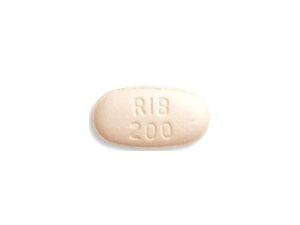
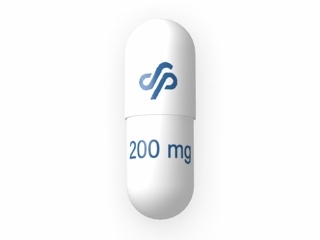
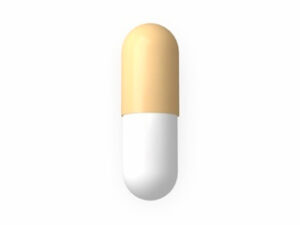
- Common forms: Capsules or oral tablets depending on availability
- Branding: Rebetol is a well-known brand name; ribavirin is also available under other brand/generic names in some markets
- Use in the UK: Typically used as part of combination regimens for specific viral infections, based on clinical guidance
2) What Rebetol does (mechanism of action)
Ribavirin works by interfering with the replication of viruses. Although the exact mechanisms can vary by virus, ribavirin is thought to:
- Disrupt viral RNA/DNA replication by interfering with nucleoside pathways
- Increase errors during viral genome copying, reducing the ability of the virus to multiply
- Alter immune signalling, which may help the body’s response to infection
Because ribavirin is usually used together with other medicines, its effectiveness depends on the full regimen.
3) Pharmacokinetics (how your body handles it)
Pharmacokinetics describes how the body absorbs, distributes, metabolises, and eliminates a medicine. Ribavirin has some features that are important for safe use:
- Absorption: Taken by mouth; absorption can vary between individuals.
- Distribution: It distributes widely into tissues, including red blood cells.
- Half-life: Ribavirin is known for a long persistence in the body, particularly due to slow release from red blood cells.
- Metabolism: Ribavirin is metabolised via phosphorylation and other pathways, with metabolites excreted mainly via the kidneys.
- Elimination: It is cleared largely through renal excretion. Kidney function can therefore affect levels.
Practical implication: because ribavirin can remain in the body for some time, your prescriber may require safety measures that continue after treatment stops.
4) Typical use in the UK (indications and treatment context)
Rebetol (ribavirin) has been used most commonly in combination therapy for chronic hepatitis C in certain historical and specific clinical contexts. In the UK, modern treatment pathways often rely on direct-acting antivirals (DAAs), and ribavirin may be used where appropriate depending on the regimen and patient factors.
Your healthcare team will decide whether ribavirin is suitable based on:
- the specific infection/viral type
- treatment history
- existing liver disease and overall health
- risk factors for side effects
- the full combination regimen
Indications may vary depending on current clinical guidance and approved regimens. Always follow the plan provided for you.
5) Timing and how to take Rebetol
Correct timing can help you keep consistent drug levels and improve tolerance. Use the dosing schedule your healthcare team has provided.
- Take at the same times each day to maintain steady exposure.
- With food where recommended by your regimen/pack instructions (see “Food interactions” below).
- Swallow whole if capsules/tablets are prescribed; do not crush or chew unless the PIL specifically allows it.
- Do not stop early even if you feel well, unless your prescriber advises you to stop.
Missed dose: If you miss a dose, take it as soon as you remember on the same day. If it is near the time of the next dose, skip the missed dose and continue your schedule. Do not take extra doses to make up for a missed one. If you are unsure, ask your pharmacist or refer to the patient leaflet for your exact presentation.
6) Dosing (general principles)
Ribavirin dosing is individualised based on factors such as:
- the viral infection being treated and the specific combination regimen
- body weight (commonly used in ribavirin dosing strategies)
- treatment response and blood test results
- kidney function
- the presence of anaemia or other blood-count changes
Because dosing varies, the exact regimen must be determined by your clinician. Below is a typical weight-based approach used in many ribavirin-containing protocols (for educational purposes only). Your dose may differ.
| Body weight (typical approach) | Typical ribavirin total daily dose (conceptual) | Notes |
|---|---|---|
| < 60 kg | Lower dose range | Dose is commonly reduced if anaemia occurs or kidney function is reduced |
| 60–75 kg | Mid dose range | Divided into multiple daily administrations in many regimens |
| > 75 kg | Higher dose range | Upper limits may depend on regimen and tolerability |
Adjustments: If blood tests show anaemia or other significant lab abnormalities, dose reduction or temporary treatment interruption may be required. Kidney impairment often leads to lower dosing and closer monitoring.
7) Food interactions
Food can affect ribavirin absorption. In many ribavirin regimens:
- Taking with food may improve absorption and reduce variability.
- Try to keep to a consistent pattern (e.g., always with breakfast and dinner) to help maintain stable levels.
If your specific regimen differs, follow the guidance in the PIL or your clinician’s instructions.
8) Alcohol and medicine interactions
Alcohol
During antiviral treatment, it is strongly recommended to avoid or minimise alcohol. Alcohol can worsen liver inflammation and may increase the risk of complications in people with chronic liver disease. It can also make side effects (such as tiredness, nausea, dizziness) harder to tolerate.
Interactions with other medicines
Ribavirin may interact with several medicines. Some interactions can increase the risk of side effects or alter how well treatment works. Tell your pharmacist or healthcare team about all medicines you take, including:
- prescription medicines
- over-the-counter medicines (e.g., painkillers, cold remedies)
- herbal products
- vitamins and supplements
Notable interaction areas often include:
- Medicines that affect blood counts (ribavirin can cause anaemia)
- Medicines affecting the kidneys (since ribavirin is cleared renally)
- Antivirals used in combination regimens (your clinician will select compatible combinations)
Your pharmacy team can check interactions using your medicine list before you receive your supply.
9) Safety profile (important risks and side effects)
Ribavirin’s safety profile requires careful monitoring. One of the most important risks is anaemia (a reduction in red blood cells), along with other blood-related effects.
Common side effects
- Anaemia (tiredness, weakness, breathlessness)
- Headache
- Fatigue
- Nausea or reduced appetite
- Insomnia or sleep disturbance
- Skin reactions (rash or itching in some people)
Serious side effects — seek medical advice promptly
- Severe anaemia: worsening breathlessness, dizziness, chest pain, fainting
- Chest pain or symptoms suggesting heart problems
- Severe allergic reactions: swelling of face/lips, difficulty breathing, sudden rash
- Worsening depression or mood changes (especially relevant when used with other medicines that may affect mood)
- Worsening liver function or signs of significant illness
- Pregnancy-related risks (see below)
Pregnancy and fertility — critical warning
Ribavirin is known to cause serious birth defects and may be harmful to an unborn baby. It must be used with strict precautions to prevent pregnancy in both women and men taking ribavirin.
- Women: must not become pregnant while taking ribavirin and for a period after stopping.
- Men: must take pregnancy prevention precautions because ribavirin can be present in semen.
- Contraception: reliable contraception is typically required for both partners during therapy and after stopping, as advised by your clinician.
- Testing: pregnancy tests are commonly required before and during treatment in appropriate cases.
If pregnancy is possible for you or your partner, discuss contraception and timelines with your healthcare team immediately.
10) Practical use tips (to help you stay on track safely)
- Keep all appointments for blood tests. Monitoring is essential to detect anaemia and other changes early.
- Plan for side effects: hydration, rest, and symptom tracking can help manage fatigue and headaches.
- Know your warning signs: contact your healthcare team promptly if you develop chest pain, severe breathlessness, fainting, or severe mood changes.
- Avoid alcohol during treatment, particularly if you have liver disease.
- Use consistent food timing (if instructed to take with food) to reduce absorption variability.
- Do not share medication with anyone else.
- Store safely: keep in the original packaging, protect from excess moisture/heat, and keep out of reach of children.
11) Monitoring and when treatment may need adjustment
During ribavirin-containing regimens, clinicians typically monitor:
- Full blood count (especially haemoglobin/anaemia)
- Renal function (creatinine/eGFR)
- Liver function tests
- Virological response (for the underlying infection, depending on the regimen)
If significant abnormalities occur, the prescriber may reduce the dose, interrupt treatment, or stop therapy. This is not unusual and aims to balance benefits and risks.
12) Alternative options
The “best” alternative depends on what infection you are treating and which regimen your clinician has recommended. For hepatitis C, many patients in the UK are treated with direct-acting antivirals (DAAs) that may not require ribavirin. Other alternatives may include:
- Ribavirin alternatives: other ribavirin formulations/brands may exist, but the active ingredient remains ribavirin.
- Non-ribavirin regimens: DAA combinations approved for your viral genotype and disease stage
- Supportive management: treatment strategies to manage anaemia and improve tolerability (e.g., adjusting dose schedule)
Discuss alternatives with your healthcare team; they can explain what is appropriate based on your viral status, liver health, and previous treatment history.
13) Market and legal context in the United Kingdom
In the UK, medicines are regulated by the Medicines and Healthcare products Regulatory Agency (MHRA). Availability and use must follow:
- UK-approved product information (SmPC/PIL)
- Current clinical guidance used by NHS services and specialist care
- Pharmacovigilance requirements to report suspected adverse reactions
Treatment recommendations can change over time as new therapies and evidence become available. Your clinician’s plan should reflect up-to-date UK guidance for your condition.
Recent guidance (general overview)
In hepatitis C care, UK guidance has increasingly favoured modern DAA-based regimens. Ribavirin is often reserved for specific scenarios (depending on regimen, prior treatment, viral characteristics, and risk/benefit considerations). Always rely on advice from your healthcare team for what applies to your situation.
14) Delivery and availability (UK online pharmacy)
Availability of ribavirin products can vary due to supply, packaging, and local stocking. When you order through an online pharmacy, we aim to:
- dispatch your medicine promptly (subject to stock availability)
- use secure, temperature-appropriate packaging where required
- provide clear delivery updates
Delivery timelines can differ by location within the UK. You can check estimated delivery times at checkout. If stock is temporarily unavailable, customer service can advise on alternatives and expected restock dates where permitted.
15) Safety checklist before starting
Before starting Rebetol, it helps to ensure your healthcare team knows:
- Your medical history (especially anaemia, heart disease, kidney problems, or mental health conditions)
- All current medicines and supplements
- Any history of allergic reactions to medications
- Your pregnancy prevention needs (for both women and men of childbearing potential)
- Whether you have had recent blood tests or kidney/liver tests
16) FAQ — Rebetol (ribavirin)
How long does ribavirin stay in the body?
Ribavirin can persist for a long time, especially because it accumulates in red blood cells and clears slowly. For pregnancy prevention and safety planning, follow the specific timeframes given by your healthcare team.
Can I drink alcohol while taking Rebetol?
It is strongly advised to avoid or minimise alcohol during treatment, particularly if you have liver disease. Alcohol may worsen liver health and make side effects harder to tolerate.
What are the most common side effects?
Common side effects include tiredness, headache, nausea, sleep problems, and anaemia. Some side effects can become serious, so monitor your symptoms and seek advice promptly if they worsen.
Why do I need regular blood tests?
Ribavirin can affect blood counts (especially haemoglobin) and kidney function may influence drug levels. Blood tests help detect issues early so the dose can be adjusted if needed.
What should I do if I miss a dose?
Take it when you remember on the same day. If it’s close to the next dose, skip the missed dose. Do not take double doses. If unsure, contact your pharmacist or check the PIL.
Should I take Rebetol with food?
Many ribavirin regimens recommend taking with food to improve absorption and reduce variability. Follow your regimen instructions and the patient leaflet for your specific product.
Can I take Rebetol with other medicines?
Some medicines may interact with ribavirin or increase the risk of side effects. Inform your pharmacist about all medicines and supplements you use, including over-the-counter products and herbal remedies.
Is Rebetol suitable for everyone?
No. Ribavirin is unsuitable for some people due to risks such as severe anaemia, significant kidney impairment, or pregnancy-related risk. Your clinician will assess whether it is appropriate for you and may adjust dosing or monitoring.
What should I do about pregnancy prevention?
Ribavirin can cause serious harm to an unborn baby. Strict contraception measures are required during treatment and for a period after stopping, as advised by your healthcare team. If pregnancy is possible, discuss contraception urgently.
Are there alternatives to ribavirin?
Depending on the condition being treated, alternatives may include non-ribavirin regimens (often DAA-based in hepatitis C care) or other supported strategies. Your healthcare team can advise what’s suitable based on your individual situation.
17) Summary
Rebetol (ribavirin) is an antiviral medicine used as part of combination treatment for specific viral infections. It interferes with viral replication and remains in the body for a long time, which is why careful monitoring and strict safety precautions—especially around pregnancy prevention—are essential. Take it exactly as directed, keep to consistent timing (often with food), avoid alcohol, and attend all blood-test appointments.
If you have questions about your dose schedule, side effects, or medicine interactions, speak to your pharmacist or healthcare team.