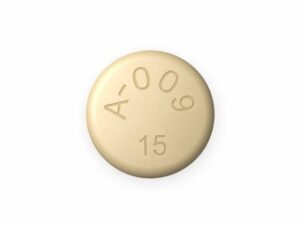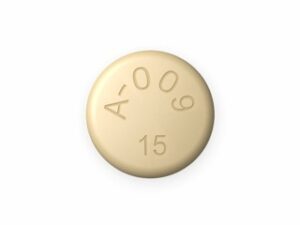
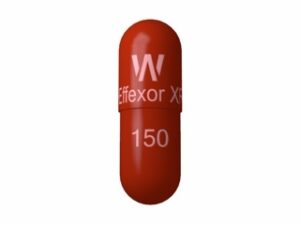

Fludac (Fluoxetine) – Patient Information (UK)
Fludac contains the active ingredient fluoxetine, a medicine in the antidepressant class known as Selective Serotonin Reuptake Inhibitors (SSRIs). It is used to treat a range of mood and anxiety conditions in adults and, for some indications, in children and adolescents. This guide is designed to help you understand what the medicine does, how to take it, what to expect, and when to seek medical advice.
Always read the leaflet inside your pack and follow the advice given by your healthcare professional.
1. Basic product information
- Medicine name: Fludac
- Active ingredient: Fluoxetine
- Class: SSRI antidepressant
- Common forms: Capsules/tablets (strengths vary by product/market availability)
- How it is supplied in the UK: Pharmacy supply as per UK medicines classification; availability may vary by strength and presentation
What fluoxetine does not do: It is not a sedative and it is not used for immediate relief of panic or stress in the same way as short-acting medicines. Improvement typically develops gradually over days to weeks.
2. How Fludac works (mechanism of action)
Fluoxetine increases the availability of serotonin in the brain by blocking its reuptake into nerve cells (it inhibits the serotonin transporter). By helping serotonin activity remain higher in the synaptic space, SSRIs can improve mood, anxiety, obsessive-compulsive symptoms, and related patterns of thinking and behaviour.
Over time, brain signalling adapts to the change, which is one reason why many people do not feel the full effect straight away.
3. Pharmacokinetics (how the body processes it)
Pharmacokinetics describes how the body absorbs, distributes, metabolises, and clears the medicine.
- Absorption: Fluoxetine is absorbed after oral dosing (exact speed can vary).
- Metabolism: Mainly processed in the liver.
- Active metabolite: Fluoxetine is converted to norfluoxetine, which also has antidepressant activity.
- Long half-life: Fluoxetine and norfluoxetine can remain in the body for weeks after stopping, which may influence side effects and how long “washout” takes.
- Implications: Because of the long half-life, some discontinuation symptoms may be less pronounced than with shorter-acting SSRIs, but stopping abruptly can still cause problems.
4. Typical uses in the UK
Fludac (fluoxetine) may be used for:
- Depression (including major depressive episodes)
- Obsessive-compulsive disorder (OCD)
- Panic disorder (with or without agoraphobia)
- Bulimia nervosa (episodes of binge eating and purging)
- Some anxiety-related conditions depending on age group and local guidance
Children and adolescents: Fluoxetine has specific licensed use in younger people (for example, for depression and OCD in certain age groups). Dosing and monitoring should be closely tailored by a clinician for young patients.
5. When it starts working and timing tips
Many people notice partial improvement within 1–2 weeks, but the full effect can take 4–6 weeks (sometimes longer) depending on the condition, dose, and individual response.
How to take it during the first weeks
- Keep taking it consistently, even if you don’t feel better immediately.
- Expect possible early changes (for example, sleep, appetite, or anxiety may shift slightly before mood improves).
- If anxiety or agitation initially worsens, contact a clinician promptly for advice.
Morning or evening?
Many people take fluoxetine in the morning because it can be mildly activating for some. Others prefer evening if it suits their routine and doesn’t affect sleep. Choose what works best for you and try to take it at a similar time each day.
6. Food interactions
Fluoxetine can generally be taken with or without food. Food does not typically require special timing adjustments.
- If it upsets your stomach, taking it with a meal may help.
- If it affects your appetite, monitor eating patterns and discuss concerns with your clinician.
7. Alcohol interactions and precautions
It’s usually recommended to limit or avoid alcohol while taking antidepressants, because alcohol can:
- worsen mood and anxiety
- reduce judgement and increase risk-taking
- increase dizziness or drowsiness in some people
- interfere with recovery and sleep quality
Occasional small amounts may be tolerated by some people, but it is safest to discuss alcohol use with your pharmacist or clinician, especially if you are receiving fluoxetine for a severe or complex condition.
8. Medicine interactions (important)
Fluoxetine can interact with other medicines. Some interactions can be serious and may require dose adjustment, extra monitoring, or avoiding certain combinations.
Avoid or use extra caution with
- Monoamine oxidase inhibitors (MAOIs) (and recent use of MAOIs)
- Other serotonergic medicines such as triptans (for migraine), linezolid (antibiotic), and some opioids (risk of serotonin syndrome)
- Medications that increase bleeding risk (e.g., anticoagulants like warfarin, antiplatelets like clopidogrel, or NSAIDs like ibuprofen/naproxen in some situations)
- Other drugs that affect serotonin (st John’s wort, certain cough medicines, and some supplements may also interact)
- Medicines affecting liver metabolism (which may raise or lower fluoxetine levels)
- QT prolongation risk medicines (in certain susceptible people)
Common medication types to discuss
- migraine treatments
- pain relief (especially NSAIDs)
- sleeping tablets
- stimulants or attention medicines
- antipsychotics
- herbal preparations (particularly St John’s wort)
Practical reminder: Before starting Fludac, tell your healthcare professional about all medicines you take, including over-the-counter products and herbal remedies. If you start another medicine while on fluoxetine, ask whether it’s safe to combine.
9. Indications and decision-making (what it is used for)
Fludac is typically chosen when symptoms relate to disrupted serotonin pathways and when an SSRI is appropriate for your diagnosis. Clinicians may also consider your previous treatment response, side effect profile, other health conditions, and potential drug interactions.
Examples of situations where fluoxetine may be considered:
- Persistent low mood or depressive symptoms
- Recurrent unwanted thoughts and compulsive behaviours (OCD)
- Panic attacks with or without avoidance behaviours
- Bulimia nervosa patterns, alongside psychological treatment
10. Dosing: how much and how often
Dose varies by diagnosis, age, and individual response. Your prescribed regimen is the most important guide.
Typical dosing principles (general guidance):
- Fluoxetine is usually taken once daily.
- Doses may be adjusted gradually depending on effect and tolerability.
- For some conditions, the effective dose may be higher than for depression.
- Young people require careful monitoring and age-appropriate regimens.
Important: If you miss a dose, take it when you remember unless it’s close to the next scheduled dose. Do not take a double dose. Because fluoxetine has a long-lasting effect, occasional missed doses may not have the same impact as with short half-life medicines, but you should still aim to take it as directed.
Do not stop suddenly without advice, particularly if you have been taking it regularly for weeks or months.
11. Safety profile and possible side effects
Like all medicines, Fludac can cause side effects. Many are mild and improve as your body adjusts, but some require prompt attention.
Common side effects
- Headache
- Nausea, stomach discomfort
- Sleep disturbance (insomnia or sleepiness)
- Dry mouth
- Reduced appetite or weight change
- Tremor
- Increased sweating
- Sexual dysfunction (e.g., reduced libido, delayed orgasm)
- Feeling more restless or “activated” early on
Less common but important side effects
- Serotonin syndrome: symptoms may include agitation, confusion, fever, sweating, diarrhoea, fast heart rate, muscle stiffness, and tremor.
- Mania/hypomania: unusually elevated mood, increased energy, reduced need for sleep, racing thoughts, risky behaviour.
- Abnormal bleeding: especially if taking blood thinners or NSAIDs.
- Low sodium (hyponatraemia): more likely in older adults or those taking diuretics—symptoms may include headache, weakness, confusion.
- Severe allergic reactions: swelling of face/lips, rash, breathing difficulty.
When to get urgent medical help
Seek urgent help if you develop:
- Signs of serotonin syndrome (especially after combining with other serotonergic medicines)
- Severe agitation, confusion, or high fever
- Thoughts of self-harm or feeling unsafe
- Symptoms of an allergic reaction
- Uncontrolled bleeding or black/tarry stools
Suicidal thoughts in younger people
SSRIs have warnings about an increased risk of suicidal thinking and behaviour in some children, adolescents, and young adults, particularly early in treatment or after dose changes. Close monitoring and prompt support are essential during these times.
12. Practical use tips for best results
- Take it at the same time each day to maintain stable levels.
- Give it time: antidepressant effects usually build gradually.
- Track symptoms (sleep, mood, anxiety, side effects) to help you and your clinician judge progress.
- Don’t skip psychological support: for conditions like depression, OCD, and bulimia, therapy often improves outcomes.
- Manage early activation: if you feel more restless or anxious early on, contact your clinician—sometimes timing or dose adjustment helps.
- Hydrate and eat regularly: nausea and appetite changes are sometimes easier with simple routines.
- Be cautious driving if you feel dizzy or your sleep is affected.
Stopping or changing dose: Because fluoxetine and norfluoxetine linger in the body, changes to dose may not immediately “kick in” or “fade out.” Always follow a tapering plan provided by your clinician.
13. Alternative options
Depending on your symptoms, treatment history, and tolerance, clinicians may consider other therapies, including:
Other antidepressants (examples)
- Other SSRIs (e.g., sertraline, citalopram, escitalopram, paroxetine)
- SNRIs (e.g., venlafaxine, duloxetine)
- Other classes in some cases (e.g., mirtazapine)
Non-medicine approaches
- Psychological therapies such as CBT (Cognitive Behavioural Therapy)
- Exposure and Response Prevention (ERP) for OCD
- Support for lifestyle factors: sleep, routine, exercise, and stress management
What matters most: The best alternative is the one that fits your diagnosis, side effect tolerance, and safety profile given your other medicines.
14. UK market and legal context (what to expect)
In the UK, antidepressants including SSRIs are regulated medicines and are supplied in line with legal requirements and classification (which can vary by product form and strength). Pharmacists and healthcare professionals help ensure safe use, including confirming suitability, reviewing interactions, and providing counselling.
Availability: Fluoxetine is widely used and is commonly available through standard pharmacy supply channels. Stock availability can vary by dose or formulation, so it’s helpful to keep flexibility with strength when appropriate.
Guidance and monitoring: National and local clinical guidance emphasises careful assessment, risk monitoring (especially early treatment), and follow-up to review response and side effects.
15. Recent guidance and safety monitoring (UK context)
Clinical practice in the UK commonly includes:
- Careful assessment before starting SSRIs, including screening for bipolar disorder risk
- Monitoring for early worsening of anxiety or agitation
- Close observation for mood changes and any emergence of suicidal thoughts in younger people
- Reviewing drug interactions, especially with other serotonergic medicines or blood-thinning drugs
- Structured follow-up after initiation and after dose changes
If you are starting fluoxetine or increasing the dose, ask your clinician or pharmacist when follow-up is recommended and what symptoms to watch for.
16. Delivery and availability (online pharmacy)
Online pharmacies in the UK typically deliver medicines to the address you choose, subject to availability, service coverage, and local regulations. Delivery options may include standard and express services, with confirmation of dispatch timing once the order is processed.
- Availability: Fluoxetine products may be stocked in common strengths more reliably than less common presentations.
- Packaging: Medicines are usually delivered in protective packaging to maintain integrity.
- Cold chain: Fluoxetine tablets/capsules generally do not require refrigeration.
- Check your order: Verify strength and form match what you need before use.
If you have a time-sensitive need, check delivery estimates at checkout or contact customer support.
17. FAQ – Fludac (Fluoxetine)
1) How long does it take to feel better?
Some people notice changes within 1–2 weeks, but full benefit often takes 4–6 weeks (sometimes longer). Continue taking it as directed and attend follow-up appointments.
2) What if I feel worse at the beginning?
Early side effects or increased restlessness can occur. If you feel significantly worse, develop severe agitation, or have new worrying symptoms, contact your clinician promptly for advice—don’t stop suddenly unless you’ve been told to.
3) Can I take Fludac with other medicines?
Some combinations are unsafe. Tell your pharmacist or clinician about all medicines, supplements, and herbal products—especially migraine treatments, other antidepressants, blood thinners, NSAIDs, and St John’s wort.
4) Can I drink alcohol?
It’s generally best to avoid or limit alcohol. Alcohol can worsen mood and anxiety and may increase side effects like dizziness. Ask your pharmacist if you plan to drink.
5) Will it make me sleepy?
Fluoxetine can affect sleep differently in different people. Some experience insomnia; others feel tired. If sleep is affected, you may need to adjust timing (for example, taking it in the morning) after discussing with a professional.
6) How should I take it—morning or evening?
Many take it in the morning, but the best time is the one that suits your body. Choose a consistent time and discuss with your clinician if sleep or restlessness becomes problematic.
7) What should I do if I miss a dose?
Take it when you remember unless it’s near the next dose. Do not take a double dose. If you’re unsure, ask your pharmacist.
8) Can I stop Fludac suddenly?
It’s usually not recommended to stop suddenly. Fluoxetine and norfluoxetine remain in the body for a long time, but stopping abruptly can still cause symptoms. Follow a planned approach with your clinician.
9) What side effects are “normal” versus “serious”?
Common effects (such as nausea, headache, or sleep changes) may be expected early on. Seek urgent help for serious symptoms such as signs of serotonin syndrome, severe allergic reaction, bleeding problems, or symptoms of mania/hypomania.
10) Is fluoxetine used for OCD and panic disorder?
Yes, fluoxetine is used for conditions including OCD and panic disorder. The dose and duration can differ from depression, so treatment must be tailored to the diagnosis.
18. Summary table (at a glance)
| Topic | Key points for Fludac (Fluoxetine) |
|---|---|
| What it is | SSRI antidepressant (fluoxetine) |
| What it’s for | Depression, OCD, panic disorder, bulimia nervosa (and other licensed uses depending on age) |
| How it works | Increases serotonin activity by inhibiting reuptake |
| When it works | Some improvement may appear in 1–2 weeks; full effect often 4–6 weeks or longer |
| With food | Can usually be taken with or without food |
| Alcohol | Generally avoid or limit; can worsen mood/anxiety and increase side effects |
| Interactions | Important interactions with MAOIs, other serotonergic drugs, blood thinners/NSAIDs, and some supplements (e.g., St John’s wort) |
| Side effects | Common: headache, nausea, sleep changes, sweating, sexual side effects. Serious: serotonin syndrome, mania, bleeding problems |
| Stopping | Do not stop abruptly without advice; fluoxetine has a long-lasting effect in the body |
Need more help? If you have questions about your specific symptoms, dose, timing, side effects, or interactions, speak with a qualified healthcare professional or your pharmacist. If you feel unsafe or at risk of harming yourself, seek urgent help immediately.