Cefixime (Cefixime) – Patient Guide (UK)
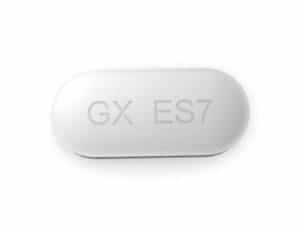
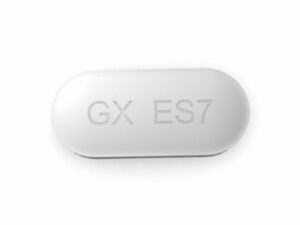
Cefixime is an antibiotic medicine used to treat certain bacterial infections. This guide explains how cefixime works, how it is used, what to expect, and important safety information for people in the United Kingdom.
| What it is | Cefixime (an oral cephalosporin antibiotic) |
|---|---|
| Common forms | Capsules, tablets and/or oral suspension (depending on brand) |
| How it works | Stops bacteria from building their cell walls |
| Typical conditions | Selected infections such as some chest, ear, sinus, and urinary infections |
| Key timing tips | Take regularly at the same time(s) each day; finish the course |
| Food interactions | Generally can be taken with or without food |
| Alcohol | Usually not an absolute restriction, but it may worsen side effects |
Basic product information
Cefixime is an antibiotic belonging to the cephalosporin group (third generation). It is used against a range of bacteria. Like all antibiotics, cefixime works only for infections caused by bacteria, not viruses.
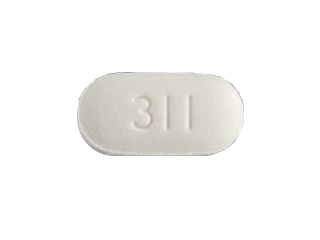
In the UK, cefixime products may be supplied as tablets/capsules or as an oral suspension (liquid). The exact strength and dosing schedule can vary between brands and between adults and children.
How cefixime works (mechanism of action)
Cefixime works by interfering with bacterial cell wall formation. Bacteria need a strong cell wall to survive and multiply. Cefixime targets enzymes involved in building the cell wall, leading to weakness and cell death.
As a result, cefixime helps the immune system clear the infection more effectively. It is important to keep taking the medicine for the full recommended course, even if you start feeling better early.
Pharmacokinetics (how the body handles cefixime)
Understanding the way cefixime behaves in the body can help with correct timing and expectations.
- Absorption: Cefixime is absorbed after being taken by mouth. Absorption can occur whether you take it with food or on an empty stomach.
- Distribution: It reaches therapeutic levels in various body tissues/fluids, depending on the infection site.
- Metabolism: Cefixime is not extensively metabolised in the body.
- Elimination: The majority is eliminated through the kidneys in urine.
Because cefixime is cleared mainly by the kidneys, people with reduced kidney function may need dose adjustments. If you have any kidney problems, discuss this with a healthcare professional before starting treatment.
Typical uses in the UK
Cefixime may be used to treat selected bacterial infections. Common indications (where cefixime may be considered) can include:
- Ear infections (otitis media), in appropriate cases
- Sinus and upper respiratory tract infections caused by bacteria, depending on local guidance
- Chest infections such as certain types of bacterial bronchitis (where appropriate)
- Urinary tract infections (UTIs) caused by susceptible bacteria
- Other infections depending on bacterial susceptibility and clinical judgement
Cefixime is most useful when the likely bacteria are sensitive to it. In many situations, antibiotics are selected based on: local antimicrobial guidance, the likely cause of infection, allergy history, severity, and sometimes culture results.
Indications and what cefixime can/can’t treat
- Can help: infections caused by susceptible bacteria.
- Won’t help: viral illnesses such as common colds, most sore throats, flu, and many coughs.
- May not be appropriate: infections caused by bacteria resistant to cefixime.
If symptoms do not improve, or worsen, seek medical advice promptly. Persistent fever, severe pain, shortness of breath, or signs of allergic reaction require urgent assessment.
When to take cefixime (timing)
Correct timing helps maintain effective drug levels. Follow the schedule provided for your specific product. In general:
- Take at regular intervals (for example, twice daily or once daily depending on the dose regimen).
- Try to take doses at the same times each day to avoid missed doses.
- Finish the full course, even if you feel better.
Practical example timing
- If twice daily: consider morning and evening (e.g., 8am and 8pm).
- If once daily: choose a consistent time (e.g., every evening).
If you miss a dose, take it as soon as you remember unless it is close to the next dose. Do not take a double dose to make up for the missed one.
Food interactions (can you take cefixime with food?)
Cefixime can generally be taken with or without food. Food does not usually prevent it from working effectively. However, some people find that taking it with food reduces stomach discomfort or nausea.
- If you experience stomach upset, try taking your dose with a meal or snack.
- If you are using an oral suspension, ensure correct preparation and measure carefully (see “Practical use tips”).
Alcohol and medicine interactions
Cefixime does not have a well-known “disulfiram-like” reaction with alcohol. However, alcohol may:
- increase the likelihood of side effects such as stomach upset, dizziness, or fatigue
- reduce your ability to rest properly while your body fights infection
As a general precaution, it is sensible to limit or avoid alcohol during treatment, particularly if you are feeling unwell. If you are taking other medicines, always check interaction information or ask a pharmacist for advice.
Other medicine interactions (important)
Interactions can occur with certain medicines. Inform a healthcare professional or pharmacist about all medicines you take, including over-the-counter products and herbal remedies.
- Probenecid: may reduce the kidney elimination of cephalosporins, potentially raising levels.
- Anticoagulants (e.g., warfarin): antibiotics can affect clotting control in some people. Monitoring may be needed.
- Kidney-related medicines: if your kidneys are affected, dosing may need review.
- Other antibiotics: combining antibiotics is sometimes done, but it is not automatic and should be guided by clinical need.
If you use a long-term medicine (for example, for epilepsy, diabetes, blood thinning, or inflammatory conditions), ask your pharmacist whether any specific interaction checks are recommended for your regimen.
Dosing information (general guidance)
Dosing depends on the infection type, severity, and patient factors such as age and kidney function. The correct dose will be shown on your product label or as advised by a healthcare professional.
Important: The following is general information and not a substitute for instructions specific to your product.
Adults (typical patterns)
- Dosing regimens commonly range from once daily to twice daily depending on strength and indication.
- The duration of treatment is usually several days, tailored to your diagnosis and response.
Children
- In children, dose is often based on weight.
- Oral suspension dosing should be measured precisely using the provided syringe or measuring device.
Kidney impairment
If you have reduced kidney function, the dose may need adjustment. Do not change dosing without advice.
Safety profile (what to know before and during treatment)
Like all medicines, cefixime can cause side effects. Most people experience mild or moderate effects. However, some reactions can be serious. Stop taking the medicine and seek urgent help if you develop signs of a severe allergic reaction.
Common side effects
- Diarrhoea
- Nausea or upset stomach
- Headache
- Skin rash (sometimes mild)
Serious side effects (seek medical help urgently)
- Allergic reactions such as swelling of the face/lips, difficulty breathing, or severe rash
- Severe or persistent diarrhoea, particularly if watery, bloody, or accompanied by fever (possible antibiotic-associated colitis)
- Severe skin reactions (for example, blistering or peeling skin)
- Unusual bruising/bleeding or yellowing of the eyes/skin (rare; requires urgent medical review)
Allergy considerations
Cefixime belongs to the cephalosporin class. If you have a history of allergy to cephalosporins—or severe allergy to penicillins—tell your pharmacist or clinician. Cross-reactions can occur, though they vary by person.
Practical use tips (how to take cefixime correctly)
How to take tablets or capsules
- Swallow with water.
- Do not crush or split tablets unless the product instructions specifically allow it.
- If you struggle swallowing pills, ask whether an oral suspension version is available for your dose.
How to prepare and store oral suspension (if supplied)
- Use the exact method described in the leaflet for your brand.
- Measure water and shake well as directed.
- Refrigeration vs room temperature storage depends on the product—follow label instructions.
- Use the suspension within the stated shelf life after preparation.
Completing the course
- Complete the full course, even if you feel better.
- Stopping early can increase the risk of relapse and antibiotic resistance.
Managing common side effects
- Diarrhoea: drink fluids and consider advice from a pharmacist. Avoid stopping the antibiotic without guidance.
- Stomach upset: taking with food may help.
- Rash: mild rashes may occur, but any rash should be reported promptly, especially if it spreads or comes with other symptoms.
What to expect during treatment
- Early improvement: many bacterial infections start to improve within a couple of days.
- No improvement: if symptoms are not improving after the expected time, contact a clinician or pharmacist for review.
- Worsening: worsening pain, breathlessness, severe fatigue, or high fever needs assessment urgently.
Alternative antibiotic options
Alternatives depend on the infection type, bacterial sensitivity, and your medical history (including allergies and kidney function). Options may include different antibiotic classes or agents used locally for the suspected infection.
Common alternatives that may be considered (examples, not a full list):
- Other cephalosporins (for some indications)
- Penicillins or beta-lactamase inhibitor combinations (where appropriate)
- Macrolides or tetracyclines (for selected infections and circumstances)
- Other urinary antibiotics depending on local resistance patterns
Your pharmacist can explain which alternatives might be used for your specific situation and why cefixime was chosen or not. Never swap antibiotics without professional advice.
UK market and legal context (overview)
In the United Kingdom, antibiotics are regulated medicines and are supplied under specific legal and prescribing frameworks. Cefixime is an antibiotic used according to clinical need and antimicrobial stewardship principles—meaning antibiotics should be chosen carefully, taken appropriately, and not used for viral illnesses.
Ongoing guidance in the UK emphasises:
- using narrow-spectrum antibiotics where possible
- considering local resistance patterns
- reviewing treatment if symptoms do not improve
- avoiding unnecessary antibiotic use
Clinicians and pharmacists may reference national and local antimicrobial guidance (for example, from bodies such as NICE and local antimicrobial formularies), alongside susceptibility data where available.
Recent guidance and antimicrobial stewardship (what it means for you)
UK antimicrobial guidance encourages the right antibiotic for the right infection—at the right dose and for the right duration. For patients, the practical messages are:
- Don’t use antibiotics for colds or flu.
- Take antibiotics exactly as directed.
- Don’t share antibiotics with others.
- Contact a clinician if you’re not improving or if side effects are significant.
This approach helps reduce antibiotic resistance and improves outcomes for everyone.
Delivery, availability and ordering in the UK
Availability of cefixime products can vary by manufacturer and formulation (capsule/tablet versus suspension). Delivery options, timelines and stock status depend on the online pharmacy you choose and the product strength.
- Stock checks: reputable pharmacies may confirm availability before dispatch.
- Packaging: medicines are typically shipped in protective packaging to help prevent damage.
- Cold storage: only applicable if a specific suspension brand requires refrigeration—follow the product instructions.
- Delivery timelines: vary by service level and distance within the UK.
If you need a liquid preparation (suspension), confirm that the product is the correct formulation and strength for your dosing instructions.
FAQ – Frequently asked questions
1) What infections is cefixime used for?
Cefixime is used for specific bacterial infections, such as some ear, sinus/upper respiratory, chest, and urinary tract infections, depending on the cause and local antimicrobial guidance. It does not treat viral infections like most colds and flu.
2) How quickly should I feel better?
Many people begin to feel better within 24–48 hours, depending on the infection and severity. If you are not improving after a few days, or if symptoms worsen, seek medical advice.
3) Can I take cefixime with food?
Yes. Cefixime is generally taken with or without food. Taking it with food may help if you get nausea or stomach upset.
4) Is alcohol allowed?
There is usually no strict prohibition, but alcohol may worsen side effects and can delay recovery. It’s best to avoid or limit alcohol while you are unwell.
5) What should I do if I miss a dose?
Take it as soon as you remember unless it is close to the next dose. Do not take a double dose. If you are unsure, ask a pharmacist for advice.
6) Can I stop taking cefixime once I feel better?
It is important to complete the full course as advised. Stopping early can allow the infection to return and may contribute to antibiotic resistance.
7) What side effects are common?
Common side effects include diarrhoea, nausea, headache and mild skin reactions. Contact a healthcare professional if side effects are severe, persistent, or include signs of allergy.
8) When should I seek urgent help?
Seek urgent help if you develop symptoms of a serious allergic reaction (swelling, breathing difficulty, severe rash), severe/persistent diarrhoea (especially bloody), or severe skin reactions.
9) Can cefixime be used in children?
Cefixime can be used in children in appropriate situations, but dosing is weight-based and depends on the child’s age and kidney function. If giving liquid, measure doses carefully using the correct device.
10) Are there interactions with other medicines?
Yes, interactions can occur—especially with medicines that affect kidney function or clotting (such as warfarin), and with medicines like probenecid. Always tell your pharmacist about all medicines you are taking.
Summary
Cefixime is an oral cephalosporin antibiotic used for certain bacterial infections in the UK. It works by stopping bacteria from building their cell walls. It is generally taken once or twice daily depending on the regimen, can usually be taken with or without food, and should be completed exactly as directed. If you experience severe allergic symptoms or significant diarrhoea, seek urgent medical advice. For the best outcome, take cefixime consistently, support your recovery with fluids and rest, and consult a pharmacist or clinician if you are unsure or not improving.