
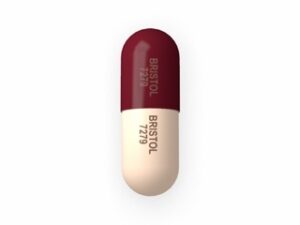

Nitrofurantoin: Patient-Friendly Guide (UK)
Nitrofurantoin is an antibiotic medicine used mainly to treat certain bacterial infections of the bladder (urine infections). It works by stopping bacteria from growing, helping your body clear the infection safely and effectively when the infection is in the lower urinary tract.
This guide explains how nitrofurantoin works, how it behaves in the body, typical uses and timing, food and alcohol considerations, safety information, and practical tips for getting the best outcome. It also includes UK-specific context, delivery/availability information, and frequently asked questions.
Basic product information
- Medicine name: Nitrofurantoin
- What it’s used for: Treatment of uncomplicated bladder (lower urinary tract) infections
- Common form: Capsules or tablets (including modified-release formulations in some products)
- How it’s taken: By mouth
- Class: Nitrofurans (antibiotic)
Important: Nitrofurantoin is generally not used for kidney infections (pyelonephritis) or more severe infections that require a different antibiotic strategy. If you have fever, back/flank pain, or feel very unwell, you should seek urgent medical advice.
How nitrofurantoin works (mechanism of action)
Nitrofurantoin works in bacteria by interfering with essential processes. Inside susceptible bacteria, it is converted into reactive intermediates that damage bacterial components.
- Multiple targets: The activated drug can damage cell membranes and other bacterial structures.
- Reduced bacterial survival: By disrupting key bacterial functions, nitrofurantoin prevents the bacteria from multiplying.
- Why urine treatment suits it: Nitrofurantoin concentrates in urine, which supports its effectiveness against bladder bacteria.
In general, nitrofurantoin has activity against common urinary pathogens such as E. coli. Local resistance patterns can vary, which is why it’s important that your course is aligned with UK clinical guidance and your individual situation.
Pharmacokinetics: what the body does to nitrofurantoin
Pharmacokinetics describes how the body absorbs, distributes, metabolises, and excretes a medicine.
Absorption
Nitrofurantoin is absorbed after oral dosing. The exact absorption profile can differ between formulations (for example, immediate-release vs. modified-release products).
Distribution
Because nitrofurantoin is primarily intended for urinary tract action, it is designed to achieve useful levels in the bladder/urine rather than high concentrations in body tissues.
Metabolism
It is partially metabolised in the body. The details of metabolism can vary between individuals.
Excretion
Nitrofurantoin is eliminated mainly through the kidneys, meaning it relies on adequate kidney function to reach effective urine concentrations and to clear the medicine from the body.
Kidney function matters: If kidney function is reduced, nitrofurantoin may not reach effective levels in urine and may increase the chance of side effects. UK prescribers assess kidney function before recommending it.
Typical use in the UK
Nitrofurantoin is commonly used for uncomplicated lower urinary tract infections in adults. It may be used when a bladder infection is suspected and when the bacteria causing infection are likely to be sensitive to it.
Indications (when it is used)
- Acute uncomplicated cystitis (a typical bladder infection)
- Prevention of recurrent infections in some situations, where clinicians consider long-term low-dose regimens
It is not typically the right option for:
- Kidney infections (pyelonephritis)
- Sepsis or serious systemic infection
- Complicated urinary tract infections (e.g., obstruction, significant urinary tract abnormalities), where different treatment is often needed
Timing: how to take nitrofurantoin
Timing can depend on the specific product and dosing schedule. Always follow the instructions provided with your medicine.
General practical timing tips
- Try to take doses at regular intervals (for example, morning and evening, or morning, afternoon, and evening depending on your schedule).
- Complete the course even if you feel better early.
- Use a reminder (phone alarm, pill box) to avoid missed doses.
When you should start to feel better
Many people notice improvement within 24–48 hours. If symptoms do not improve, or they worsen, contact a healthcare professional for review. Persistent symptoms may mean the diagnosis is different, the bacteria are resistant, or the infection is more complicated than expected.
Food interactions (and how to take it with meals)
Nitrofurantoin is often recommended to be taken with food or after food to improve absorption and reduce stomach upset.
- Take with food (unless your specific product instructions say otherwise).
- If you are taking it with modified-release formulations, follow the product instructions carefully about timing and whether the capsule/tablet should be swallowed whole.
Gentle reminder: If you miss a dose, do not double up—take the next dose at the correct time.
Alcohol and medicine interactions
Alcohol
There is no universal “absolute” prohibition on alcohol with nitrofurantoin, but alcohol can worsen dehydration and may make side effects such as nausea or dizziness more noticeable. If you choose to drink, consider keeping alcohol minimal and ensure you remain well hydrated.
Seek advice promptly if you develop unusual symptoms such as severe vomiting, rash, breathing problems, or signs of liver injury (e.g., yellowing of eyes/skin, dark urine, severe fatigue).
Other medicine interactions
Drug interactions depend on your full list of medicines, including over-the-counter products and herbal remedies. Common considerations include:
- Medicines that affect urine tests: Some urine testing methods can be affected by antibiotics; tell your healthcare professional about your current antibiotics if a test is planned.
- Kidney-related medicines: Because nitrofurantoin relies on kidney elimination, medicines that affect kidney function may require review.
- Medicines that change gut absorption: If you take antacids or other gut-active products, check whether timing separation is recommended for your specific formulation.
Always check for interactions based on your exact brand/formulation and your medication list. If you’re unsure, ask a pharmacist.
Dosing: typical adult regimens
Dosing depends on the indication, your kidney function, the formulation (immediate-release vs modified-release), and local guidance. Below are common patterns used in practice for adult lower urinary tract infections.
Note: Always use the dose and schedule stated for your specific product.
Common adult dosing patterns
| Use | Typical dosing schedule (adult) | Duration (typical) |
|---|---|---|
| Acute uncomplicated cystitis | Often taken 2–4 times daily depending on formulation | Often 3–7 days (varies by regimen and guidance) |
| Prevention of recurrent infections (selected cases) | Lower daily dose schedules may be used | Longer-term preventive plans are clinician-led and reviewed regularly |
Kidney function and age: If you have impaired kidney function, nitrofurantoin may not be suitable. In the UK, clinicians often assess estimated glomerular filtration rate (eGFR) before use.
Missed dose
- Take it as soon as you remember unless it is nearly time for the next dose.
- Do not take a double dose to make up for a missed one.
Safety profile: what to watch for
Like all medicines, nitrofurantoin can cause side effects. Many people tolerate it well, but you should be aware of potential reactions and what to do if they occur.
Common side effects
- Nausea
- Vomiting
- Diarrhoea
- Loss of appetite
- Headache
Serious side effects (seek urgent medical advice)
Contact a healthcare professional urgently if you experience signs of serious allergic reaction or severe adverse effects, such as:
- Allergic reaction: rash, hives, swelling of the face/lips, or difficulty breathing
- Lung problems: persistent cough, shortness of breath, chest pain, or fever
- Severe liver problems: yellowing of the skin/eyes, dark urine, severe tiredness, or severe abdominal pain
- Unexplained numbness/tingling or significant weakness (especially with longer exposure)
Longer courses require closer monitoring: Nitrofurantoin used for prevention or long durations may carry a higher risk of certain rare toxicities. UK clinicians will review ongoing suitability periodically.
Who should be particularly cautious
- Reduced kidney function
- History of lung disease or prior nitrofurantoin-related reactions
- Liver disease
- Pregnancy: suitability depends on timing and clinical judgement (discuss risks and benefits with a healthcare professional)
- Children: dosing and suitability depend on age and local guidance
Practical use tips for better outcomes
These tips can help you manage symptoms and reduce the chance of complications during treatment.
- Stay hydrated: drink water regularly unless you’ve been advised to restrict fluids.
- Complete the full course: stopping early can allow infection to return.
- Monitor symptoms: note changes in urgency/frequency, pain on passing urine, and any fever or back pain.
- Seek help if red flags appear:
- fever or chills
- pain in the side/back (possible kidney involvement)
- vomiting that prevents you from keeping tablets down
- blood in urine that is heavy or worsening
- no improvement after 48 hours
- Avoid sex if it worsens symptoms during an acute infection, or consider lubrication if dryness contributes to irritation.
Urine tests and pregnancy testing: If you’re pregnant or could be pregnant, discuss your situation promptly. For people who have recurrent infections, cultures may be considered to guide which antibiotic is most appropriate.
Alternative options for bladder infections (UK)
Alternative antibiotics or approaches may be considered depending on allergy history, local resistance patterns, kidney function, symptom severity, pregnancy status, and whether infection is uncomplicated.
Possible alternative antibiotics
- Trimethoprim (where appropriate and if resistance and suitability allow)
- Amoxicillin or similar options (selected cases)
- Cephalosporins (selected situations)
- Fosfomycin (in some cases, depending on availability and guidance)
For recurrent infections, additional strategies may be considered such as behavioural measures and, in some selected cases, prevention regimens tailored by a clinician.
Note: The “best” alternative depends on your specific circumstances and the most up-to-date UK guidance at the time.
Market and legal context in the UK
Nitrofurantoin is an established antibiotic medicine in the UK and is regulated under medicines legislation and safety monitoring systems.
- National guidance: UK treatment of urinary tract infections is influenced by advice from bodies such as the National Institute for Health and Care Excellence (NICE) and antimicrobial stewardship recommendations, aiming to preserve antibiotic effectiveness and reduce resistance.
- Antimicrobial stewardship: Clinicians aim to use the narrowest effective antibiotic for the shortest appropriate duration.
- Safety monitoring: Adverse reactions are monitored through the UK pharmacovigilance system.
- Local protocols: Choice of antibiotic can depend on local resistance patterns (microbiology data) and patient factors such as kidney function.
If you are shopping online for medicines in the UK, reputable suppliers will follow required checks and processes. Always ensure you are buying from a legitimate pharmacy service that complies with UK law and pharmacy standards.
Recent guidance and antimicrobial considerations
In recent years, UK guidance has continued to emphasise the principle of using antibiotics appropriately for confirmed or strongly suspected bacterial bladder infections, avoiding unnecessary treatment, and reviewing therapy when cultures or clinical assessment suggest a different cause.
- Confirming uncomplicated vs complicated infection: Nitrofurantoin is generally reserved for lower urinary tract infections where it is suitable.
- Duration matters: Short, effective courses help reduce side effects and resistance pressure.
- Review if not improving: If symptoms don’t improve within about 48 hours, reassessment is recommended.
Because recommendations can be updated, the exact preferred antibiotic options and durations may vary by the most current clinical pathway used in your area.
Delivery and availability in the UK
Nitrofurantoin may be available through UK pharmacies and online pharmacy services, subject to availability, stock management, and compliance requirements.
Typical availability
- Commonly stocked due to frequent use for bladder infections
- Formulation differences: some products may be immediate-release, others modified-release
- Stock levels can vary by pharmacy and location
Delivery expectations
- Dispatch times depend on order processing and stock.
- Delivery options and timeframes vary by supplier and service area.
- Keep packaging and patient information provided with the medicine.
Tip: If you need treatment urgently due to worsening symptoms, contact the pharmacy service to confirm delivery timelines or local alternatives.
Frequently asked questions (FAQ)
1) Is nitrofurantoin used for kidney infections?
Nitrofurantoin is generally intended for bladder (lower urinary tract) infections. Kidney infections usually require different antibiotics and urgent assessment.
2) When should I seek medical help during treatment?
Seek advice urgently if you develop fever, back/flank pain, severe vomiting, difficulty breathing, facial/lip swelling, widespread rash, or signs of liver/lung problems. If you’re not improving after about 48 hours, request review.
3) Can I take nitrofurantoin with food?
Yes—taking it with food (or after food) is commonly advised to improve absorption and reduce stomach upset. Follow your specific product instructions.
4) What if I miss a dose?
Take it when you remember unless it’s almost time for the next dose. Do not double up.
5) Can I drink alcohol while taking nitrofurantoin?
Moderate alcohol is not always strictly forbidden, but alcohol may worsen dehydration and can make side effects more noticeable. If in doubt, keep alcohol minimal and stay hydrated.
6) Will nitrofurantoin affect urine tests?
It can sometimes influence certain urine-related investigations. If a test is planned, inform the healthcare professional that you are taking an antibiotic.
7) Who should not take nitrofurantoin?
People with significantly reduced kidney function, those with a history of severe reactions to nitrofurantoin, or those with certain medical conditions may need to avoid it or receive specialist advice. A pharmacist can help you check suitability based on your situation.
8) Are there long-term risks if used for prevention?
When used for prevention over longer periods, clinicians review ongoing need and monitor for rare but serious side effects. Long-term use should be supervised.
9) Can nitrofurantoin be used in pregnancy?
Suitability depends on gestational age and individual factors. If you are pregnant or planning pregnancy, seek tailored advice from a healthcare professional.
10) What can I do to reduce the chance of recurrent bladder infections?
Helpful measures may include adequate hydration, not delaying urination, discussing triggers (such as sexual activity and hygiene factors), and considering whether recurrent infection evaluation (including urine cultures) is appropriate.
Disclaimer: This information is intended to support patient understanding and does not replace advice from a healthcare professional or the instructions provided with your specific medicine. If you have any concerns about side effects, interactions, or suitability—especially if symptoms are severe or persistent—contact a pharmacist or clinician for guidance.