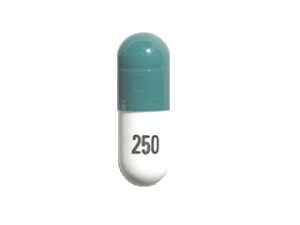
Levaquin (Levofloxacin) – Patient Guide (UK)
Levaquin is the brand name for levofloxacin, a prescription medicine in the fluoroquinolone antibiotic family. It is used to treat certain bacterial infections where it is appropriate based on the type of infection, local guidance, and individual patient factors.
This guide is designed to be clear and patient-friendly. It explains how Levaquin works, how it is used, what to expect, and important safety considerations relevant to people in the United Kingdom.
Basic product information
| Item | Details |
|---|---|
| Medicine | Levaquin |
| Active ingredient | Levofloxacin |
| Medicine class | Fluoroquinolone antibiotic |
| What it treats | Selected bacterial infections |
| Common strengths | Available in oral tablets and other formulations (strengths vary) |
| Where it fits | Often considered when specific bacteria are suspected/confirmed and other options are not suitable |
Note: Brand availability and pack sizes can vary. Your pharmacy will provide the specific product details for the exact strength you receive.
How Levaquin works (mechanism of action)
Levofloxacin works by interfering with bacterial DNA processes. It inhibits two key bacterial enzymes:
- DNA gyrase (topoisomerase II)
- Topoisomerase IV
By blocking these enzymes, Levaquin prevents bacteria from replicating and repairing their DNA, leading to bacterial death. In general, it is considered a bactericidal antibiotic (it kills bacteria rather than only stopping growth).
Levofloxacin is active against many susceptible Gram-positive and Gram-negative organisms, though resistance varies by region and infection type.
Pharmacokinetics (how the body handles it)
Pharmacokinetics describes what happens to a medicine after you take it—how it is absorbed, distributed, metabolised, and excreted.
- Absorption: Oral levofloxacin is generally well absorbed. Peak blood levels are reached relatively quickly after dosing.
- Distribution: It distributes into body tissues and fluids, including respiratory tract tissues, depending on the infection site.
- Metabolism: Only a small portion is metabolised in the body.
- Excretion: Most of the drug is eliminated largely unchanged by the kidneys.
- Half-life: The drug remains in the body long enough to allow once-daily or twice-daily regimens depending on the indication and dose.
Because levofloxacin is cleared mainly by the kidneys, dose adjustments may be necessary for people with reduced kidney function.
Typical uses and indications
In the UK, levofloxacin is used for specified bacterial infections when it is clinically appropriate. It should not be used for viral infections such as common colds or flu.
Indications can vary with product licence and local guidance. Common examples include:
- Respiratory tract infections (e.g., certain types of community-acquired pneumonia)
- Urinary tract infections (UTIs) when caused by susceptible bacteria and when other options are not suitable
- Prostatitis due to susceptible organisms
- Other bacterial infections based on clinical judgement and antimicrobial stewardship principles
Your clinician will consider:
- The likely bacteria and their resistance patterns
- Your medical history and risk factors
- Previous antibiotic use
- Local and national guidance (including stewardship efforts to preserve antibiotic effectiveness)
When to take Levaquin (timing and missed doses)
Levaquin can be taken at times that suit your routine. Keep consistent timing to maintain steady antibiotic levels.
- Once daily: Try to take it at the same time each day.
- Twice daily (if prescribed): Space doses evenly, e.g., morning and evening.
Do not double up:
- If you miss a dose, take it when you remember unless it is close to the next dose.
- Then skip the missed dose and continue as scheduled.
- If you are unsure, contact your pharmacist for advice.
Complete the course as advised. Stopping early can allow the infection to return or worsen, and can contribute to antibiotic resistance.
Food interactions and what to eat
Levofloxacin is usually not required to be taken strictly with food. However, food may affect stomach comfort and tolerance.
General guidance:
- You may take it with or without food.
- If it upsets your stomach, taking it with a meal may help.
The most important food-related interactions involve certain minerals that can reduce absorption of levofloxacin. These minerals are often present in:
- Antacid products containing aluminium or magnesium
- Iron supplements
- Zinc supplements
- Multivitamin/mineral preparations
- Some medicines for indigestion and heartburn
To avoid reduced effectiveness, you may need to separate levofloxacin from these products by several hours. Your pharmacist can advise the best spacing based on your exact regimen.
Alcohol and medicine interactions
Most people can avoid or limit alcohol while on antibiotics, primarily because illness itself may affect energy levels, hydration, and recovery. Alcohol may also worsen side effects such as dizziness, headache, or stomach upset in some individuals.
- Alcohol: Not always strictly prohibited, but it is generally safer to limit alcohol and focus on hydration.
- Driving/operating machinery: If you feel dizzy or unwell, avoid activities that require concentration.
Important medicine interactions
Levofloxacin can interact with other medicines. Tell your pharmacist or healthcare professional about everything you take, including over-the-counter products and supplements.
Examples of clinically relevant interactions include:
- Medicines containing iron, zinc, magnesium, or aluminium (may reduce absorption)
- Anticoagulants (blood thinners) such as warfarin: may increase bleeding risk in some people
- Medicines for irregular heartbeat or that affect heart rhythm: QT prolongation risk may be a consideration
- Diabetes medicines (e.g., insulin or sulfonylureas): may affect blood sugar levels
- Non-steroidal anti-inflammatory drugs (NSAIDs) (some people take these for pain): can potentially increase risk of central nervous system effects in susceptible individuals
- Corticosteroids: combined use with fluoroquinolones has been associated with increased risk of tendon disorders
- Probenecid or cimetidine: may influence drug levels
This is not a complete list. Your pharmacist can check for interactions with your exact medicines and strengths.
Dosing: typical regimens and how dosing is determined
Dosing depends on:
- The infection being treated
- The likely or confirmed bacteria
- Your kidney function
- Severity of symptoms
- Any previous treatment and local antimicrobial guidance
Common adult regimens can include once-daily or twice-daily dosing, with treatment durations varying widely from a few days to longer courses depending on the infection type.
Key patient-friendly dosing principles:
- Take exactly as directed. Do not adjust your own dose.
- Kidney function matters: if you have kidney impairment, your dose or interval may be modified.
- Complete the course: even if you feel better early.
- Do not stop early due to mild improvement without checking—unless advised due to side effects.
If you have questions about the dose written on your label, your pharmacy staff can help explain it.
Safety profile and important precautions
Like all medicines, Levaquin can cause side effects. Many people experience no serious problems, but some effects require prompt medical attention.
Common side effects
- Nausea
- Diarrhoea
- Headache
- Dizziness
- Stomach discomfort
- Difficulty sleeping or altered sleep patterns (in some people)
Seek urgent advice if you experience these warning signs
Contact a healthcare professional promptly or seek urgent care if you develop:
- Tendon pain, swelling, or inflammation, especially the Achilles tendon (stop and seek advice promptly if this occurs)
- Severe or persistent diarrhoea (particularly if watery or with blood)
- Allergic reaction such as facial swelling, breathing difficulty, or widespread rash
- Symptoms of nerve problems such as tingling, numbness, burning pain, or weakness
- Severe dizziness, confusion, hallucinations, or agitation
- Chest palpitations, fainting, or severe shortness of breath (may signal a heart rhythm issue)
- Muscle weakness or worsening difficulty breathing
Who needs extra caution?
- People with a history of tendon disorders related to quinolones/fluoroquinolones
- People with myasthenia gravis (can worsen muscle weakness)
- People with known kidney problems
- People taking medicines that can affect heart rhythm
- Older adults and those with serious co-morbidities (higher risk of adverse effects)
- People with diabetes (higher risk of blood sugar changes)
Managing side effects
- Stomach upset: taking with food may help.
- Hydration: drink fluids normally; follow advice if you are unwell.
- Stop and seek advice for serious symptoms—do not “wait it out” if red flags appear.
Practical tips for using Levaquin safely
- Read your label carefully for the exact strength and dosing frequency.
- Keep a medicines list (including supplements) and check interactions.
- Separate mineral products: if you take iron, zinc, magnesium, or antacids, ask your pharmacist about spacing.
- Stay alert to tendon symptoms: avoid strenuous exercise if you notice pain, and contact a clinician if symptoms start.
- Watch blood sugar: if you have diabetes, monitor as instructed.
- Don’t use for viral illnesses: it only helps bacterial infections.
- Report severe diarrhoea immediately—antibiotic-associated diarrhoea can sometimes be serious.
If you experience any unexpected reactions, it’s reasonable to contact your pharmacist for guidance on what to do next.
Alternative options
Antibiotic choice depends on the infection site and suspected bacteria. Alternatives may include other classes of antibiotics or different agents within the same class, depending on local resistance patterns and the patient’s health status.
Common alternative approaches (examples):
- For respiratory infections: clinicians may consider other antibiotic options based on severity, age, comorbidities, and likely pathogens.
- For urinary tract infections: options may include different antibiotics chosen according to urine culture results where available.
- For prostatitis: longer-course antibiotic regimens may be used, tailored to likely bacteria.
Only a healthcare professional can determine the most appropriate alternative for your situation. If Levaquin is not suitable (for example due to side effect risk or interactions), they can discuss other antibiotic strategies or supportive care measures.
UK market and legal context (overview)
In the United Kingdom, levofloxacin is regulated as a prescription-only antibiotic medicine. It is subject to national antimicrobial stewardship efforts intended to:
- Preserve the effectiveness of antibiotics
- Reduce antibiotic resistance
- Ensure antibiotics are used appropriately for bacterial infections
NHS and professional bodies emphasise careful selection of antibiotics based on infection severity, likely pathogens, and patient risk factors. Fluoroquinolones are often reserved for situations where benefits outweigh risks.
The online pharmacy context typically involves controlled processes to ensure correct medicine supply, patient eligibility checks, and safe use information.
Recent guidance and antimicrobial stewardship (high-level)
UK practice aligns with ongoing stewardship principles promoted by organisations and guidance such as:
- Antibiotics should be chosen based on local antimicrobial resistance patterns.
- Whenever possible, antibiotic selection should be supported by clinical assessment and, when appropriate, microbiological testing.
- Fluoroquinolones may be considered when first-line therapies are unsuitable, ineffective, or not appropriate due to bacterial resistance or patient factors.
Safety communications and risk-benefit discussions for fluoroquinolones continue to be part of routine UK clinical awareness, particularly regarding tendon, nerve, and other rare but serious adverse effects.
Delivery, availability, and what to expect
Availability depends on supplier stock and the specific formulation/strength you request. Most pharmacies aim for prompt dispatch, but delivery times vary by service level and location.
- Processing time: Orders are typically processed on business days.
- Delivery estimates: Provided at checkout or in your order confirmation.
- Pack and strength: You may receive the branded pack size available for that strength.
- Storage: Follow the storage instructions on the packaging (commonly at room temperature, away from excess heat and moisture).
If you need the medicine urgently, contact customer service to discuss expected dispatch and delivery options.
Levaquin FAQ
1) What is Levaquin used for?
Levaquin (levofloxacin) is an antibiotic used to treat certain bacterial infections, such as specific respiratory tract infections, urinary tract infections, and other infections caused by susceptible bacteria—based on clinical judgement and local guidance.
2) How quickly should I feel better?
Some improvement is often seen within a few days, depending on the infection and severity. If symptoms are not improving, worsen, or you develop new symptoms, contact a healthcare professional for review.
3) Can I take it with food?
Yes. You can generally take Levaquin with or without food. If you get nausea, taking it with a meal may be easier.
4) Can I take antacids, iron, or vitamins at the same time?
Not usually. Minerals such as iron, zinc, magnesium, and aluminium may reduce absorption. Ask your pharmacist about timing and spacing with your specific products.
5) Is it safe to drink alcohol while taking Levaquin?
Alcohol is not always strictly prohibited, but it may increase risk of side effects or worsen how you feel while you’re unwell. The safest approach is to limit alcohol and prioritise hydration.
6) What should I do if I miss a dose?
Take it when you remember unless it is close to the next dose. Do not take two doses together. If you are unsure, contact your pharmacist for advice.
7) What are the most important serious side effects to watch for?
Seek prompt medical advice if you experience tendon pain/swelling, severe or persistent diarrhoea, signs of an allergic reaction, symptoms of nerve problems (such as tingling or numbness), or significant changes in mood or mental state.
8) Who should take extra caution with Levaquin?
Extra caution may be needed for people with kidney disease, those with a history of tendon injury, those with myasthenia gravis, older adults, and people taking certain medicines (for example, blood thinners, diabetes medicines, or medicines affecting heart rhythm).
9) Can Levaquin be used for viral infections like colds?
No. Levaquin is an antibiotic and does not treat viral infections.
10) Are there alternatives to Levaquin?
Yes. Other antibiotics (or sometimes supportive care) may be appropriate depending on the infection. Your healthcare professional can advise alternatives if Levaquin is unsuitable.
Important: Always follow the instructions provided by your healthcare professional and the medicine packaging. If you have questions about interactions, dosing, or side effects, speak to your pharmacist.