
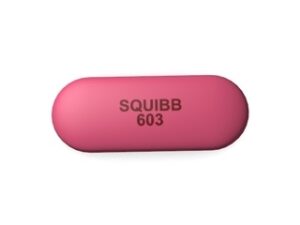
Cephalexin (Cephalexin Tablets / Capsules) — UK Patient Guide
Cephalexin is a commonly used antibiotic medicine in the UK. It belongs to the cephalosporin family and is used to treat certain bacterial infections. This guide explains how cephalexin works, how it is used, what to expect, and important safety information. It is written for patients and carers.
Always follow the instructions given with your medicine and the advice of your healthcare professional. If you are unsure about your dose or how long to take it, seek medical advice.
Basic product information
| Category | Details |
|---|---|
| Medicine | Cephalexin |
| Group | Antibiotic (cephalosporin; beta-lactam) |
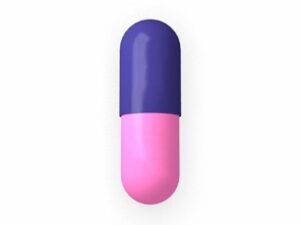
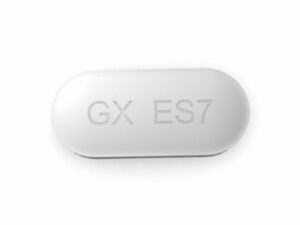
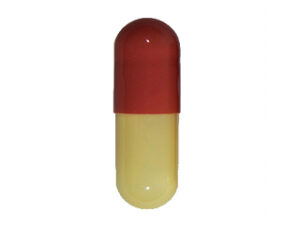
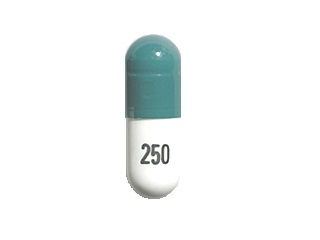
| Common forms in the UK | Tablets, capsules, and sometimes oral suspensions (availability may vary) |
| Strengths | Different strengths are available depending on the manufacturer |
| How it is taken | Oral (by mouth) |
| Target | Bacteria causing specific infections (not viruses) |
How cephalexin works (mechanism of action)
Cephalexin is a bactericidal antibiotic. It works by interfering with the bacteria’s ability to build and maintain their cell walls.
In simple terms:
- Cephalexin binds to penicillin-binding proteins (PBPs).
- This blocks the final steps of cell wall synthesis.
- Bacteria become unable to grow and multiply and may die.
Because it is targeted at bacteria, cephalexin does not treat colds, flu, most sore throats, or other viral illnesses.
Pharmacokinetics: what the body does with cephalexin
Pharmacokinetics describes how the body absorbs, distributes, metabolises, and eliminates a medicine. While exact values can vary by person and formulation, typical patterns include:
- Absorption: Cephalexin is generally well absorbed after oral dosing.
- Distribution: It distributes to various tissues and body fluids, including areas relevant to common bacterial infections.
- Metabolism: Cephalexin is not extensively metabolised; it is largely eliminated unchanged.
- Elimination: Mainly through the kidneys (renal excretion).
- Half-life: Often around 1–2 hours in adults with normal kidney function (may be longer with reduced kidney function).
Why this matters: Because cephalexin is cleared by the kidneys, people with kidney impairment may need dose adjustments and closer monitoring.
Typical uses and when it is considered
Cephalexin is used for susceptible bacterial infections where it is expected to be effective. In UK practice, it is often used for infections affecting:
- Skin and soft tissue infections (for example, certain bacterial skin infections)
- Respiratory tract infections (when bacterial cause is likely and cephalexin is appropriate)
- Ear infections (in some cases)
- Urinary tract infections (UTIs) (depending on local guidance, culture results, and susceptibility)
Important: Treatment choice depends on the likely bacteria, local antibiotic resistance patterns, patient factors (such as allergies), and whether a culture or test has identified the organism.
Indications: what infections it may treat
Cephalexin is indicated for bacterial infections due to organisms susceptible to cephalexin. Specific indications may include:
- Infections due to streptococci (where susceptible)
- Some infections caused by staphylococci (depending on susceptibility)
- Some cases of tonsillitis or throat infections due to bacteria when appropriate
- Some cases of uncomplicated skin infections
- Some urinary or respiratory infections where cephalexin is suitable
Not for: Viral infections (e.g., flu), fungal infections, and infections where resistant bacteria are likely.
How to take cephalexin: timing and dosing approach
Correct dosing is essential for the medicine to work. The exact dose and duration will depend on the infection type, severity, age, kidney function, and whether symptoms are improving.
Typical adult dosing pattern
In many cases, cephalexin is taken two to four times a day depending on the prescribed schedule. A common approach is:
- Twice daily (every ~12 hours) for some infections
- Four times daily (every ~6 hours) for other situations
Note: Only use the dose written for you on your label or advised by a healthcare professional.
Children and dosing
In children, cephalexin dosing may be based on body weight and the infection being treated. Liquid formulations may be used for younger children.
Timing tips
- Try to take doses at even intervals (for example, morning and evening for twice daily).
- If you miss a dose, take it as soon as you remember unless it is close to the next dose. Do not take a double dose.
- Finish the course as directed, even if you feel better early.
Can you take cephalexin with food? (food interactions)
Cephalexin can usually be taken with or without food. Taking it with food may help reduce stomach upset or nausea for some people.
Food considerations:
- General: Food does not typically “cancel” cephalexin’s effect.
- Practical: If you experience indigestion, consider taking it with a meal.
- Consistency: Take it in a consistent way each day (e.g., always with breakfast and dinner) to make timing easier.
Alcohol and medicine interactions
Cephalexin is not known for a specific severe interaction with alcohol. However, drinking alcohol while you are unwell may:
- Worsen dehydration
- Increase nausea or dizziness
- Make it harder to monitor how you are improving
Patient-friendly recommendation: It’s best to avoid or limit alcohol while you have an infection and are taking antibiotics.
If you take other medicines alongside cephalexin, always check possible interactions. If you are unsure, ask a pharmacist.
Medicines that may interact with cephalexin
Most people can take cephalexin safely with their usual medicines, but interactions can occur. Tell your healthcare professional about all medicines you use, including:
- Other antibiotics
- Probenecid (used for gout)
- Warfarin or other anticoagulants (blood thinners)
- Other medicines that affect kidney function
- Oral contraceptives (“the pill”) — most antibiotics do not reliably reduce effectiveness, but severe diarrhoea/vomiting may affect absorption
Blood thinning medicines (warfarin): Antibiotics can sometimes affect blood clotting control in susceptible people. If you take warfarin, you may need additional INR checks.
Diarrhoea and vomiting: If you develop significant diarrhoea or vomiting, it may reduce absorption of oral medicines (including contraceptives). Seek advice if this happens.
Safety profile: key side effects and warnings
Like all antibiotics, cephalexin can cause side effects. Many are mild and improve as the body adjusts.
Common side effects
- Nausea
- Diarrhoea (mild)
- Stomach upset
- Headache
- Rash
Allergy and serious reactions (seek urgent help)
You should get urgent medical help if you experience signs of a serious allergic reaction, such as:
- Swelling of the face, lips, tongue, or throat
- Difficulty breathing
- Widespread rash with blistering or skin peeling
- Severe dizziness or collapse
Cephalosporin allergy: If you have ever had an allergic reaction to cephalosporins (or have a history of severe beta-lactam allergy), talk to a healthcare professional before using cephalexin.
Severe diarrhoea warning
While antibiotics can cause mild diarrhoea, seek medical advice urgently if you develop:
- Watery diarrhoea that is severe
- Diarrhoea with blood or mucus
- Fever and worsening abdominal pain
These symptoms may indicate a more serious intestinal condition that requires assessment.
Who needs extra caution?
- People with kidney impairment (dose may need adjustment)
- Those with a history of allergy to penicillins/cephalosporins
- Older adults (may be more likely to have kidney changes)
- People with a history of gastrointestinal disease
Practical use tips for best results
- Take it regularly: Setting phone alarms can help you keep to the schedule.
- Complete the course: Finishing your antibiotic helps reduce the risk of relapse.
- Hydrate: Drink fluids, especially if you have fever or diarrhoea.
- Monitor progress: Many bacterial infections start improving within 48–72 hours. If not improving, contact a clinician.
- Don’t save leftovers: Antibiotics are for specific infections and doses.
- Storage: Store tablets/capsules as stated on the outer pack (typically at room temperature, away from moisture and heat).
When to seek medical advice during treatment
Contact a healthcare professional if:
- Your symptoms are not improving after 2–3 days
- You develop a new rash or symptoms of allergy
- You have severe or persistent diarrhoea
- You are significantly unwell, confused, very sleepy, or have trouble breathing
- You have worsening pain, fever, or spread of redness/swelling
- You are pregnant, breastfeeding, or planning pregnancy
Dosing details (what your prescription label may say)
Because cephalexin doses vary by infection and patient factors, dosing should always follow the directions on the product label.
When you look at your medicine label, you may see information such as:
- Strength (e.g., number of mg per tablet/capsule)
- How many times per day (e.g., twice daily)
- Duration (e.g., number of days)
Missed dose guidance:
- If you miss a dose, take it when you remember.
- If it is near the time for the next dose, skip the missed dose and continue normally.
- If you have missed multiple doses, ask a pharmacist or clinician for advice.
Alternative options to consider
Alternative antibiotics may be considered depending on the suspected bacteria, infection site, allergy status, and local resistance patterns. Examples of antibiotics that might be considered by clinicians include:
- Amoxicillin (penicillin-type antibiotic; suitability depends on allergy history)
- Co-amoxiclav (amoxicillin plus clavulanic acid)
- Clindamycin (for specific bacterial types or when beta-lactams cannot be used)
- Macrolides such as azithromycin/clarithromycin (depending on infection type and local guidance)
- Other cephalosporins for certain cases
Why alternatives vary: The best choice depends on the infection and whether the organism is likely to be sensitive to the antibiotic. Never switch antibiotics without clinical advice.
Market and legal context in the UK
In the UK, antibiotics are regulated medicines and are used under national antimicrobial stewardship principles. The National Institute for Health and Care Excellence (NICE) and the UK’s antimicrobial resistance strategy encourage appropriate antibiotic prescribing to help reduce resistance and protect individual and public health.
Community prescribing is typically guided by local antimicrobial formularies, infection severity, patient factors, and whether a bacterial diagnosis is likely.
Cephalexin availability can vary by brand/manufacturer and presentation (for example, tablets vs. capsules vs. suspensions). Pharmacies also need to ensure medicines meet UK regulatory requirements for quality and supply.
Recent guidance and stewardship (what patients should know)
Current UK practice emphasises:
- Using antibiotics only when bacteria are likely and the benefit outweighs risks.
- Choosing the narrowest effective antibiotic whenever possible.
- Reviewing treatment if symptoms do not improve or worsen.
- Finishing the planned course unless advised otherwise by a clinician.
If you are given antibiotics, it’s common to be advised to seek further advice if symptoms don’t improve within a couple of days.
Delivery and availability (UK)
Availability depends on stock levels, formulation (tablets/capsules/suspension), and strength. Online pharmacies in the UK typically supply cephalexin in manufacturer packs.
Delivery information you may see at checkout:
- Estimated delivery time based on your postcode
- Discreet packaging
- Options for standard or express delivery (where available)
- Tracking details (depending on the courier)
Out-of-stock situations: If a product is temporarily unavailable, pharmacies may contact you with alternatives (such as a different brand or formulation) or arrange resupply. Always follow product directions carefully if the formulation changes.
FAQ: Common questions about cephalexin
1) What is cephalexin used for?
Cephalexin is an antibiotic used to treat certain bacterial infections such as some skin, throat/respiratory, ear, and urinary infections—depending on susceptibility and clinical assessment.
2) How quickly will I feel better?
Many people start to feel some improvement within 48–72 hours. If you are not improving or symptoms worsen, seek medical advice.
3) Can I stop cephalexin early if I feel better?
It’s usually important to complete the full course as directed. Stopping early can lead to the infection returning or not fully clearing.
4) What if I miss a dose?
Take it when you remember unless it’s close to the next dose. Do not take a double dose. If you miss several doses, ask a pharmacist for advice.
5) Can I take cephalexin with food?
Yes. It can generally be taken with or without food. Taking it with food may reduce stomach upset.
6) Is alcohol allowed?
There is no widely recognised severe interaction with alcohol, but alcohol can worsen dehydration and stomach upset. It’s best to avoid or limit alcohol while you’re unwell and on antibiotics.
7) What should I do if I develop diarrhoea?
Mild diarrhoea can occur. However, seek urgent medical advice if diarrhoea is severe, persistent, or contains blood/mucus, or if you have fever and significant abdominal pain.
8) What if I have an allergy to penicillin?
Some people allergic to penicillin may also react to cephalosporins. If you have a history of severe allergy, consult a healthcare professional before taking cephalexin.
9) Can cephalexin affect the contraceptive pill?
Antibiotics generally do not reduce pill effectiveness. However, vomiting or severe diarrhoea can affect absorption. If you experience these, follow contraceptive advice and seek guidance from a pharmacist or clinician.
10) Who should be extra careful with cephalexin?
People with kidney problems, a history of severe allergic reactions, or significant gastrointestinal history may need additional caution and monitoring.
Summary
Cephalexin is an oral antibiotic used to treat certain bacterial infections. It works by disrupting bacterial cell wall formation. Most people tolerate it well, but it can cause side effects such as nausea or mild diarrhoea, and—rarely—serious allergic reactions or severe diarrhoea. Taking the medicine at the right times, with or without food, and completing the course as directed improves the chance of successful treatment. If symptoms do not improve within a couple of days or you experience concerning side effects, seek medical advice promptly.