
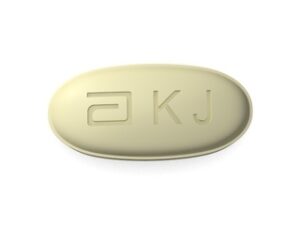
Avelox (Moxifloxacin) – Patient-Friendly Guide (UK)
Avelox is the brand name of moxifloxacin, an antibiotic belonging to the fluoroquinolone group. It is used to treat certain bacterial infections where a clinician considers it appropriate. This page explains how Avelox works, how it is used, key safety information, and practical considerations for people in the United Kingdom.
Important: Antibiotics only work against bacterial infections. They do not treat viral infections such as colds or flu.
Basic product information
- Medicine: Avelox
- Active ingredient: Moxifloxacin
- Group: Fluoroquinolone antibiotic
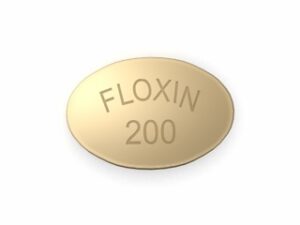
- Common forms: Tablets (strengths may vary by presentation)
- Who supplies it in the UK: Pharmacy supply through regulated medicines channels
Brand availability and pack sizes may differ. Your pharmacy or leaflet supplied with your medicine will confirm the exact strength and formulation you have.
How Avelox works (mechanism of action)
Moxifloxacin works by interfering with bacterial enzymes that are essential for bacterial DNA replication and repair. Specifically, it inhibits:
- DNA gyrase (topoisomerase II)
- Topoisomerase IV
By blocking these processes, Avelox helps stop bacteria from multiplying and can lead to bacterial death, depending on the organism and the infection site.
Moxifloxacin has activity against a range of bacteria. However, susceptibility varies by infection type and local resistance patterns.
Pharmacokinetics (how the body handles moxifloxacin)
Pharmacokinetics describes absorption, distribution, metabolism and elimination. While individual results vary, key points for moxifloxacin include:
| Topic | What to expect |
|---|---|
| Absorption | Oral absorption is generally reliable. Moxifloxacin is absorbed from the gut and achieves therapeutic levels in the bloodstream. |
| Food effects | Food may slightly affect the timing of absorption, but it usually does not significantly reduce overall exposure for most people. Many people can take it with or without food, but follow your instructions. |
| Distribution | It distributes into body tissues, helping it reach infection sites depending on the condition being treated. |
| Metabolism & elimination | Metabolised to some extent and mainly eliminated via the body’s clearance processes (including renal and non-renal routes). Kidney function may be relevant for dose decisions. |
| Half-life | Designed for dosing intervals that help maintain effective levels throughout the day. |
Your healthcare professional may adjust treatment based on your medical history, kidney function, and the infection being treated.
Typical use in the UK: what it may treat
Avelox is used for specific bacterial infections. Common categories include:
- Community-acquired pneumonia and other lower respiratory tract infections (where appropriate)
- Acute bacterial sinusitis in selected circumstances
- Complicated skin and soft tissue infections (when considered suitable)
- Other infections depending on clinical assessment and local guidance
Because fluoroquinolones can have important side effects, they are generally reserved for situations where they are expected to provide benefit and where other options may not be suitable. Local antimicrobial stewardship guidance in the UK influences prescribing practice.
When to take Avelox: timing and missed doses
Follow the instructions on the label or the advice provided by your prescriber. In many regimens, Avelox is taken at a consistent time each day.
Timing tips
- Take it at about the same time each day to maintain steady medicine levels.
- Swallow the tablet whole with water unless you are advised otherwise.
- Complete the full course even if you start to feel better, unless you are told to stop.
If you miss a dose
If you miss a dose, take it as soon as you remember. If it is close to the time of your next dose, skip the missed dose and continue as normal. Do not take a double dose to make up for the missed tablet.
If you are unsure, consult a pharmacist for advice.
Food interactions: what to consider
Unlike some antibiotics, moxifloxacin can usually be taken with or without food. However, to maximise tolerability:
- If it upsets your stomach, consider taking it with food (unless your leaflet says otherwise).
- Stay well hydrated.
Special note: Certain supplements and products containing minerals can affect some antibiotics. While the most well-known chelation interactions apply strongly to some fluoroquinolones (and vary by specific product), it is safest to follow your medicine’s specific instructions and avoid taking moxifloxacin at the same time as mineral supplements unless advised.
If you take any of the following, ask your pharmacist for specific timing advice:
- Iron
- Zinc
- Magnesium
- Aluminium (antacids)
- Calcium supplements
Alcohol and medicine interactions
Alcohol
There is no universal “safe” amount of alcohol while taking antibiotics. Alcohol can make side effects such as dizziness, drowsiness, nausea, diarrhoea and upset stomach more noticeable. It may also affect recovery if you become dehydrated.
Practical recommendation: Try to avoid alcohol during treatment, or keep it minimal and monitor how you feel.
Other medicine interactions
Moxifloxacin may interact with other medicines. Tell your pharmacist about all current medicines, including over-the-counter products and herbal remedies.
Key interaction areas may include:
- Medicines that affect heart rhythm (QT prolongation): Moxifloxacin can increase the risk of an abnormal heart rhythm in susceptible people. Caution is important if you take other medicines known to affect heart rhythm.
- Warfarin and other anticoagulants: Antibiotics can affect bleeding risk in some situations. Monitoring may be needed.
- Oral diabetes medicines/insulin: Fluoroquinolones can sometimes affect blood sugar levels.
- Non-steroidal anti-inflammatory drugs (NSAIDs): In some people, combining with certain medicines may increase risk of central nervous system side effects.
- Corticosteroids: Using together has been associated with increased tendon injury risk (see safety section).
- Multivitamins/minerals and antacids: May reduce absorption if taken too close together.
If you provide a list of your medicines, a pharmacist can help check whether any timing or monitoring is needed.
Indications: when Avelox is considered appropriate
In the UK, Avelox is generally used when a bacterial cause is likely and when fluoroquinolone therapy is considered suitable based on clinical factors and resistance patterns. Indications commonly align with:
- respiratory tract infections where other options are not appropriate
- selected skin/soft tissue infections
- other specific bacterial infections as determined by local antimicrobial guidance
Healthcare assessment matters: The best antibiotic depends on the suspected infection, severity, allergy history, prior antibiotic use, kidney function, and risk of adverse effects.
Dosing information
Always follow the exact instructions given with your medicine. Dose depends on the infection being treated, your age, kidney and liver function, and other medicines you take.
Typical dosing regimens used in clinical practice often involve once-daily dosing for certain infections, but duration varies widely (for example from several days to longer courses depending on diagnosis and severity).
Important dosing points
- Do not adjust the dose yourself.
- Use the exact strength from the package provided.
- Finish the planned course unless told to stop early due to side effects.
- If you have kidney impairment or liver problems, dosing may require adjustment or extra caution.
If you have questions about your dose or how long you are expected to take Avelox, speak with a pharmacist or refer to the patient information leaflet supplied with your medicine.
Safety profile: side effects and when to seek help
Like all medicines, Avelox can cause side effects. Many people experience none or mild effects, but it is important to know the warning signs.
Common side effects
- Nausea
- Diarrhoea
- Headache
- Stomach discomfort
- Dizziness
- Vomiting (less commonly)
Serious side effects – seek urgent medical advice
Stop the medicine and seek prompt medical attention if you experience symptoms that may indicate serious reactions, such as:
- Allergic reaction: swelling of face/lips, difficulty breathing, wheezing, severe rash or hives
- Severe or persistent diarrhoea (especially if watery or with blood), or abdominal pain/fever
- Tendon pain or inflammation (e.g., Achilles pain), difficulty walking, or tendon rupture symptoms—particularly if you are older or taking corticosteroids
- Numbness, tingling, or burning pain in hands/feet, weakness, or other nerve-related symptoms
- Changes in heart rhythm symptoms: palpitations, fainting, severe dizziness
- Severe central nervous system symptoms: confusion, tremor, hallucinations, seizures
- Signs of severe skin reactions: blistering or widespread rash
This list is not exhaustive. If you are worried about any symptom, contact a healthcare professional without delay.
Who should use extra caution?
Discuss your individual risk factors with a clinician or pharmacist if any apply:
- history of heart rhythm problems or risk of QT prolongation
- low potassium or magnesium levels
- elderly age or significant frailty
- history of tendon disorders
- diabetes or conditions affecting blood sugar stability
- myasthenia gravis (a condition affecting muscles)
- previous serious reactions to fluoroquinolones
- current use of medicines that may interact (see interactions section)
Practical use tips for getting the most from treatment
Support your recovery
- Drink fluids to reduce the chance of dehydration, especially if you have diarrhoea or fever.
- Rest and follow your overall treatment plan for the infection.
- Do not share antibiotics with others or keep leftover tablets for later.
Manage common stomach side effects
- Take with food if nausea occurs.
- Avoid alcohol during treatment.
- If diarrhoea occurs, monitor severity. Seek advice if it becomes severe, watery, or persistent.
Reduce interaction risk
- Keep a list of all medicines and supplements and review it with a pharmacist.
- Separate moxifloxacin from mineral-containing products if you are advised to do so.
- Tell your pharmacist about any recent antibiotic courses.
Consider driving and alertness
Moxifloxacin can cause dizziness in some people. Until you know how it affects you, be cautious with driving, cycling, or operating machinery.
Alternative options (discuss with a clinician)
In the UK, antibiotic choice depends on the infection type, likely bacteria, severity, allergies, resistance patterns, and patient-specific risk factors. Depending on the diagnosis, possible alternatives may include:
- Other antibiotics such as beta-lactams (e.g., amoxicillin/clavulanate in appropriate cases) or macrolides (depending on the infection and local resistance)
- Targeted treatment based on culture/susceptibility results when available
- Supportive care in some conditions where antibiotics may not be needed
Fluoroquinolones are not always first choice. Your healthcare professional will weigh benefits against potential risks, particularly in groups with higher adverse-effect susceptibility.
Market and legal context in the United Kingdom
In the UK, antibiotics are classed as prescription-only medicines and are supplied via regulated pharmacy channels under national medicines regulation. Medicines such as Avelox are monitored for quality, safety and effectiveness through established pharmacovigilance systems.
Antimicrobial stewardship: UK health services encourage appropriate antibiotic use to help reduce antimicrobial resistance. This affects which infections are treated and which antibiotic class is chosen.
Medicines information: The patient information leaflet (PIL) included with the product provides official details about indications, dosing, contraindications, interactions and side effects.
Recent guidance and safety communications (UK context)
Since fluoroquinolones have been associated with certain important risks (for example tendon problems, nerve effects and central nervous system effects), UK and European medicines regulators have issued safety communications over time. Clinicians are advised to:
- use fluoroquinolones carefully and only when appropriate
- consider alternatives where benefits do not clearly outweigh risks
- monitor patients for warning signs of serious adverse reactions
- advise patients to seek medical help if specific symptoms occur
Safety information and local prescribing policies may be updated. If you have concerns based on newer communications, speak with a pharmacist for the most current advice for your situation.
Delivery and availability (UK)
Availability of Avelox may vary by pack size and supplier. Our online pharmacy service may offer home delivery to eligible UK addresses where supported by regulations and operational capacity.
What to expect from delivery
- Packaging: The medicine will be supplied in appropriate protective packaging.
- Timeframes: Delivery times depend on the courier service and your location.
- Tracking: Many deliveries include tracking confirmation.
- Availability: If stock is limited, we may contact you if an alternative pack or sourcing arrangement is needed (subject to legal requirements).
Always check the label when your medicine arrives to ensure the strength and dosage match your instructions.
FAQ
1) What is Avelox used for?
Avelox (moxifloxacin) is an antibiotic used to treat certain bacterial infections. The exact choice depends on the suspected infection type, severity, and whether a fluoroquinolone is appropriate compared with alternatives.
2) How quickly should I feel better?
Many people start to notice improvement within a few days, but it depends on the infection and your overall health. If symptoms worsen or do not improve, contact a clinician promptly for review.
3) Can I take Avelox with food?
In general, moxifloxacin can be taken with or without food. If it upsets your stomach, taking it with food may help. Follow the specific instructions for your product.
4) What should I avoid while taking Avelox?
Avoid alcohol where possible, and be cautious with activities requiring full alertness if you feel dizzy. Also follow guidance on separating from mineral-containing supplements or antacids if advised.
5) Are there people who should not take Avelox?
Some conditions and situations increase risk or require careful assessment (for example, certain heart rhythm risks, tendon disorders, or previous serious reactions to fluoroquinolones). A clinician or pharmacist can help determine suitability.
6) What if I get diarrhoea?
Mild diarrhoea can occur. However, seek medical advice urgently if diarrhoea is severe, watery, persistent, or includes blood, especially if accompanied by fever or significant abdominal pain.
7) Can Avelox interact with my other medicines?
Yes. Interactions are possible, including with medicines that affect heart rhythm, anticoagulants, diabetes medicines, corticosteroids, and certain antacids/minerals. Share your full medicine list with a pharmacist.
8) What should I do if I experience tendon pain?
Stop the medicine and seek prompt medical advice if you develop tendon pain, swelling, or weakness—particularly if you are at higher risk or taking corticosteroids. Early action is important.
9) Is it safe to drive while taking Avelox?
If you feel dizzy or unwell, avoid driving and seek advice. Everyone’s response differs.
10) What are the alternatives to Avelox?
Alternatives depend on the specific infection and your personal risk factors. Common options may include different antibiotic classes or targeted therapy based on test results.
Always consult a healthcare professional if you are unsure about side effects, interactions, or whether Avelox is appropriate for your situation.