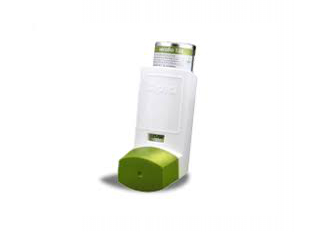
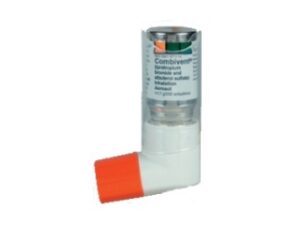
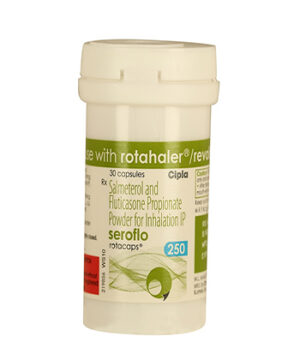
Fluticasone + Salmeterol (Fluticasone + Salmeterol) – Patient Guide (UK)
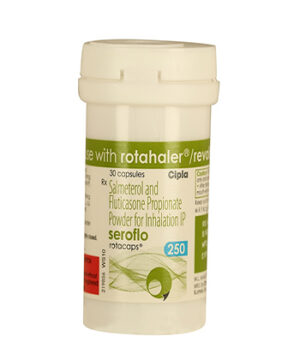
Fluticasone + Salmeterol is a combination inhaler medicine used to help control asthma and long-term breathing conditions such as chronic obstructive pulmonary disease (COPD). It contains:
- Fluticasone: an inhaled corticosteroid (anti-inflammatory)
- Salmeterol: a long-acting beta2-agonist (bronchodilator)
This guide explains what the medicine does, how it works in the body, typical uses, how and when to take it, important interactions and safety advice, and practical tips for best results. It is written for people in the United Kingdom.
Basic product information
| Category | Details |
|---|---|
| Medicine | Fluticasone + Salmeterol (combination inhaler) |
| Active ingredients | Fluticasone + Salmeterol |
| Typical dosing form | Inhaler device (varies by brand/type and strength) |
| Main uses | Asthma control; COPD symptom control (as advised) |
| How it helps | Reduces inflammation (steroid) and keeps airways open (LABA) |
Different inhaler brands and strengths may be available. Always check the strength on your inhaler and follow the specific instructions provided with your device.
How it works (mechanism of action)
Fluticasone + Salmeterol works in two complementary ways:
- Fluticasone (inhaled corticosteroid) reduces swelling and inflammation in the airways. It helps prevent symptoms and flare-ups by improving the underlying inflammation.
- Salmeterol (long-acting beta2-agonist) relaxes the muscles around the airways, helping them stay open for a prolonged period and making breathing easier.
Together, the combination helps you breathe more comfortably and can reduce the frequency of symptom flare-ups in conditions where both airway inflammation and bronchoconstriction are present.
Pharmacokinetics (what the body does to the medicine)
Understanding pharmacokinetics can help explain why you may not feel immediate relief from the steroid component, and why correct technique and regular use matter. Key points include:
- Absorption: After inhalation, a proportion of the dose reaches the lungs; some may be swallowed and absorbed through the gastrointestinal tract.
- Distribution: The active components act primarily in the respiratory tract, while a smaller amount circulates systemically.
- Metabolism: Both components are metabolised mainly by the liver (notably via the CYP3A4 enzyme for corticosteroid metabolism).
- Elimination: Metabolites are cleared through normal body processes, primarily via bile and the gut, and partly via the kidneys.
Onset and duration: Salmeterol has a bronchodilator effect that starts relatively quickly, while fluticasone’s full anti-inflammatory benefit typically builds over days to weeks. That is why this combination is generally used regularly to control long-term symptoms.
Typical use in the UK
Fluticasone + Salmeterol is commonly used for:
- Asthma: For ongoing control in people whose asthma is not adequately controlled with a lower step of therapy.
- COPD: In selected patients for symptom control when appropriate for their condition.
It is not intended to treat sudden breathlessness during an asthma attack or sudden worsening of symptoms. For those situations, a fast-acting reliever inhaler (often a short-acting beta2-agonist) is typically used, depending on your individual plan.
Indications (when doctors recommend it)
In the UK, inhaled corticosteroid/long-acting bronchodilator combinations are prescribed when ongoing control is needed. Indications generally include:
- Asthma (maintenance treatment): Helps reduce symptoms and prevent exacerbations for patients requiring both an inhaled steroid and a long-acting bronchodilator.
- COPD (maintenance treatment): Helps improve symptoms and reduce exacerbations in people with moderate to severe COPD when suitable for their treatment plan.
Whether you need fluticasone + salmeterol depends on your symptoms, lung function, past exacerbations, and current response to other therapies. Your clinician may review and adjust therapy over time.
How to take it: timing and routine
Many combination inhalers are used twice daily. The most important rule is to follow the schedule on your inhaler label or treatment plan.
- Typical timing: For example, morning and evening, roughly 12 hours apart.
- Consistency matters: Regular use helps maintain control; missing doses may lead to worsening symptoms.
- Reliever vs controller: This combination works as a controller medicine. Use a reliever as advised for sudden symptoms.
If you have trouble remembering doses, setting alarms or linking doses to daily routines (such as brushing teeth) can help.
Dosing (general guidance)
Dosing depends on:
- The strength of your specific inhaler
- Your condition (asthma vs COPD)
- Your age and severity
- How well symptoms are controlled
Important: Always use the dose prescribed for your inhaler device and strength. Do not change the number of puffs or the frequency without medical advice.
If you miss a dose, take it when you remember unless it is close to the time of your next dose. If you are unsure, follow the advice provided with your inhaler or ask your pharmacist or GP practice.
Food interactions
Because fluticasone + salmeterol is inhaled, it generally has limited food-related interactions. However, there are practical considerations:
- Swallowed portion: Some inhaled medicine may be swallowed. In most people, this does not cause clinically significant problems with food.
- Upset stomach: Rarely, swallowing medication could cause mild throat irritation or stomach discomfort. If this happens, taking your doses at a time that suits your routine (for example, after a light meal) may help.
In general, there is no need to avoid specific foods with fluticasone + salmeterol.
Alcohol interactions and precautions
There are no commonly expected direct alcohol interactions with fluticasone + salmeterol in typical use. However, alcohol may indirectly affect breathing in some people by:
- Worsening reflux in some individuals (which can aggravate asthma symptoms)
- Reducing awareness of early symptoms
- Increasing dehydration or sleep disruption
If you choose to drink alcohol, consider doing so in moderation and monitor how your breathing feels. Seek advice if you notice alcohol-related worsening.
Medicine interactions (including important medicines to mention)
Fluticasone + salmeterol can interact with other medicines, especially those affecting the liver enzyme system and heart rhythm. Tell your pharmacist or GP about all medicines you take, including over-the-counter products and herbal remedies.
- CYP3A4 inhibitors (strongly important for fluticasone): Some medicines can increase corticosteroid levels, potentially raising the risk of steroid-related side effects. Examples include certain antifungals and some antibiotics.
- Other medicines that affect the heart rhythm: Some drugs can increase the risk of an irregular heartbeat when combined with beta2-agonists.
- Beta-blockers: Non-selective beta-blockers may reduce the effect of salmeterol. Selective beta-blockers may be preferred in some circumstances, but this should be managed by a clinician.
- Diuretics (water tablets) and certain other medicines: These can lower potassium levels, and potassium changes can be relevant for people taking beta2-agonists.
- Other inhalers/bronchodilators: Using multiple bronchodilators should be coordinated in your asthma/COPD plan.
If you develop palpitations, chest discomfort, fainting, or feel significantly unwell, contact urgent medical care.
Safety profile: common and important side effects
Like all medicines, fluticasone + salmeterol may cause side effects. Some are mild and improve with time, while others require prompt medical attention.
Common side effects
- Throat irritation or hoarseness
- Cough or mild throat discomfort after inhalation
- Oral thrush (fungal infection in the mouth)
- Headache
- Muscle cramps (occasionally)
- Palpitations (awareness of heartbeat) in some people
How to reduce thrush risk
- Use correct inhaler technique.
- Rinse your mouth (and gargle if advised) after each dose. Spit out the rinse—do not swallow it.
- Check for white patches in the mouth or a sore tongue.
Seek urgent medical help if you have
- Severe or worsening breathing difficulty
- Allergic reactions such as swelling of face/lips, sudden rash, or difficulty breathing
- Chest pain, fainting, or significant irregular heartbeat
- Severe asthma flare symptoms that are not responding to your reliever
Long-term safety considerations
Because fluticasone is a corticosteroid, long-term use may rarely cause systemic effects, especially at higher doses or in more vulnerable individuals. Clinicians aim to use the lowest effective dose to maintain control. Regular reviews help ensure appropriate step-up/step-down when needed.
Practical use tips for best results
Inhaler technique strongly affects how much medicine reaches the lungs. Poor technique can reduce benefit and increase side effects such as thrush.
- Check your device type: Pressurised metered-dose inhalers, breath-actuated devices, and dry powder inhalers all require different techniques.
- Use the correct steps in the right order: Timing of inhalation relative to triggering varies by device.
- Inhale steadily and deeply: Where appropriate, a slow, deep inhalation helps delivery to the lungs.
- Hold your breath briefly after inhalation: If your device instructions advise it, this can improve lung deposition.
- Use a spacer (if recommended): Spacers can improve delivery and reduce throat deposition for some inhaler types.
- Rinse your mouth after steroid inhalation: This helps reduce thrush and hoarseness.
- Keep track of dose: If you are advised to take multiple puffs, wait the recommended interval between puffs.
If you are unsure how to use your inhaler, ask your pharmacist, practice nurse, or respiratory nurse for a technique check.
What to expect: controlling symptoms and flare-ups
Many people notice salmeterol’s bronchodilator effect within a short time, but fluticasone’s anti-inflammatory benefit may take longer to build. For that reason:
- Do not stop abruptly if you feel better—your clinician will advise any changes.
- Continue regular use to maintain control.
- Review your plan if you need your reliever more often than usual.
If symptoms worsen quickly or you experience signs of a severe attack (for example, difficulty speaking in full sentences, blue lips, or drowsiness), seek urgent medical care.
Alternative options (in case of suitability changes)
Treatment plans vary, but there are several alternative therapy approaches for asthma and COPD. Your clinician will choose based on severity and response:
- Different inhaled steroid strengths or stepping between low-, medium-, and high-dose regimens.
- Single-inhaler combinations with other long-acting bronchodilators (e.g., different LABA options or LAMA for COPD).
- Inhaled steroid alone in some asthma situations.
- Other controller medicines (for some patients, add-ons may include leukotriene receptor antagonists or biologic therapies under specialist care).
- Device alternatives if a person struggles with technique or inspiratory flow (for example, switching inhaler types may improve control).
Never change medicines on your own. If you think a different option is needed, discuss it with your GP or respiratory specialist.
Market and legal context in the United Kingdom
In the UK, inhaled medicines for asthma and COPD are widely available through NHS services and community pharmacies. Supply and use are regulated under UK medicines legislation, and products may have:
- Brand-specific licensing details (strengths, device types, and indications)
- Safety warnings and patient instruction leaflets
- Guidance from NHS and clinical bodies on stepwise management
For long-term conditions, ongoing review is important. UK clinical practice typically follows stepwise asthma and COPD management pathways, aiming for the lowest effective treatment that keeps symptoms controlled and reduces exacerbations.
Recent guidance (overview)
UK guidance for asthma and COPD management emphasises:
- Regular review of symptom control, inhaler technique, and adherence.
- Use of controller medicines to reduce exacerbations rather than relying on reliever treatment alone.
- Correct inhaler technique and use of spacers where appropriate.
- Appropriate step-up/step-down based on control over time.
Exact recommendations may vary by guideline update and individual patient circumstances. Your healthcare team can interpret current guidance for your situation.
Delivery and availability (online pharmacy)
Availability of fluticasone + salmeterol products may depend on:
- The specific inhaler brand and device type
- The required strength
- Current stock levels and pharmacy supply chains
When ordering online in the UK, delivery times can vary by location and courier services. You will typically receive a confirmation and tracking details if provided by the pharmacy. If your item is temporarily out of stock, the pharmacy may offer alternatives that match your strength and device type (or notify you of delays).
Safety checklist before you start or continue
- Confirm you know the exact inhaler strength and device type.
- Check how many puffs you should take and how often.
- Ask about whether you should use a spacer for your device.
- Know your reliever and when to use it.
- Report medicines you take that could interact (especially antifungals, antibiotics, or heart medicines).
- Plan a review if symptoms worsen or you frequently need your reliever.
FAQ
1) Is fluticasone + salmeterol a reliever inhaler?
No. It is a controller medicine. It helps with long-term control by reducing inflammation and keeping airways open. For sudden symptoms, you should use your reliever inhaler as advised in your asthma/COPD plan.
2) How long does it take to work?
You may notice improved breathing from the bronchodilator component relatively quickly. However, the full benefit of the steroid component often takes several days to weeks. Regular use is important even if you feel better at first.
3) Can I stop using it once I feel well?
Do not stop on your own. If you have questions about stepping down therapy, discuss them with your GP or respiratory clinician. Stopping suddenly may worsen control in some people.
4) What should I do if I miss a dose?
Take it when you remember unless it is near the time of your next dose. If unsure, follow the guidance provided with your medicine or ask your pharmacist.
5) How can I prevent thrush?
Rinse your mouth after each dose and use correct inhaler technique. If you develop mouth pain, white patches, or a sore tongue, speak to a pharmacist or clinician promptly.
6) Are there any food restrictions?
Generally, there are no special food restrictions with fluticasone + salmeterol. It is inhaled, so interactions with food are usually minimal.
7) Can I drink alcohol?
Moderate alcohol use is usually not a direct interaction problem for most people, but alcohol may indirectly worsen breathing for some. If you notice symptoms worsen after drinking, discuss it with your clinician.
8) Which medicines should I mention before starting?
Mention all medicines, especially:
- Antifungals and certain antibiotics
- Medicines that affect heart rhythm
- Beta-blockers
- Diuretics (“water tablets”)
9) What if my symptoms keep coming back?
If you frequently need your reliever or your symptoms worsen, you may need a review of your inhaler technique, adherence, triggers, or treatment step. Contact your GP or respiratory team for advice.
10) When should I seek urgent help?
Seek urgent medical help if you have severe breathlessness, chest pain, fainting, signs of an allergic reaction, or a severe asthma/COPD flare not improving with your reliever.
Note: This information is intended for general education and patient support. Always check the specific Patient Information Leaflet (PIL) supplied with your product for device-specific instructions and the full list of side effects and warnings.