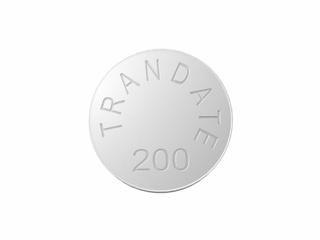
Trandate (Labetalol) — Patient Information Guide (UK)
Trandate contains labetalol, a medicine used to treat high blood pressure and certain types of hypertension-related emergencies. This guide explains how Trandate works, how it is used, what to expect, and important safety information for people in the United Kingdom.
Always follow the instructions given by your healthcare professional or the patient information leaflet supplied with your medicine. If you are unsure about anything, speak to a pharmacist.
1. Basic product information
| Item | Details |
|---|---|
| Medicine name | Trandate |
| Active ingredient | Labetalol |
| Medicine type | Beta-blocker with alpha-blocking activity |
| Common routes | Oral tablets are widely used for long-term control; hospital/urgent settings may use IV forms depending on product/setting |
| Therapeutic uses | Hypertension (high blood pressure); some urgent situations where rapid blood pressure control is needed |
| ATC (general classification) | C07FA (beta-blocking agents with additional alpha-blocking activity) |
Important note: Formulations and strengths can vary. Your specific product strength and how it is taken will depend on your prescribed plan and local product availability.
2. How Trandate works (mechanism of action)
Labetalol lowers blood pressure through two complementary effects:
- Beta-blockade (mainly beta-1 and beta-2): It reduces the heart’s workload by slowing heart rate and decreasing the force of contraction. This can reduce the amount of blood pumped per minute.
- Alpha-blockade (alpha-1): It relaxes blood vessel walls, helping them widen (vasodilation), which lowers resistance to blood flow.
The combination typically results in a controlled reduction in blood pressure without the same degree of reflex fast heartbeat that some single-action drugs can cause.
3. What to expect: pharmacokinetics (how the body handles it)
“Pharmacokinetics” describes how the medicine is absorbed, distributed, metabolised, and removed from the body.
- Absorption: Labetalol is absorbed after oral administration. Food can influence how quickly it is absorbed for some people, which may slightly affect the onset of action.
- Distribution: It distributes through the body and acts on blood vessel and heart receptors to lower blood pressure.
- Metabolism: Labetalol is metabolised mainly in the liver.
- Elimination: It is cleared from the body via metabolism and excretion (largely through the kidneys and bile pathways).
- Half-life: The effective duration can vary by person and formulation; dosing schedules aim to maintain blood pressure control over the day.
Your clinician may adjust dosing in people with significant liver impairment or other conditions where metabolism or drug clearance may be affected.
4. Typical use in the UK
Trandate (labetalol) is used to manage high blood pressure (hypertension). It may be chosen when a patient needs both heart-rate reduction and blood vessel relaxation effects.
In UK healthcare settings, labetalol is also commonly used where rapid blood pressure control is needed, depending on the clinical scenario and formulation available.
It may be used in:
- Chronic management of hypertension
- Situations requiring controlled blood pressure lowering under medical supervision
- Some patients who cannot tolerate alternative blood-pressure medicines
Whether Trandate is suitable for you depends on your medical history (for example, asthma/COPD, heart rhythm issues, heart failure, liver function, and other medicines you take).
5. Timing and how to take Trandate
Timing can make a difference for blood pressure control and side effects. Follow your individual instructions.
General timing tips
- Take at the same times each day to maintain steady control.
- If you take it twice daily, try spacing doses evenly (e.g., morning and evening).
- If it is three or four times daily, aim for regular intervals as directed.
- Do not stop suddenly unless advised by a clinician—sudden withdrawal of beta-blockers can worsen angina or raise blood pressure in some people.
Missed dose
If you miss a dose:
- Take it when you remember if it is not close to the next dose.
- Skip it if it is almost time for the next dose.
- Do not take a double dose to make up for a missed one.
If you frequently miss doses, ask your pharmacist for practical ways to fit it into your routine.
6. Food interactions (what you should know)
Many people wonder whether to take Trandate with food. In general:
- Food may affect absorption for some beta-blockers. With labetalol, this can mean timing matters for how quickly it starts working.
- If you experience nausea or stomach discomfort, taking your dose with food may help.
- Try to be consistent: if you take it with breakfast on one day, take it similarly on most days.
Specific dietary restrictions are not typically required. However, maintaining a heart-healthy diet and limiting excess salt supports blood pressure control.
7. Alcohol and medicine interactions
Alcohol
Alcohol can sometimes:
- Lower blood pressure further
- Increase dizziness, especially when standing up
- Worsen tiredness or reduce alertness
If you drink alcohol, do so cautiously and monitor how you feel. If you notice light-headedness or faintness, you may need to reduce alcohol intake and speak to a healthcare professional.
Medicine interactions to watch for
Trandate can interact with other medicines, potentially affecting blood pressure, heart rate, or liver metabolism. Always inform your pharmacist about all medicines and supplements you take.
- Other blood pressure medicines: Combining drugs may increase the risk of low blood pressure (hypotension).
- Other heart-rate slowing medicines: Examples include some calcium-channel blockers (verapamil/diltiazem) and medicines such as digoxin. Together they can reduce heart rate too much in susceptible people.
- Anti-arrhythmics: Certain rhythm medicines can have additive effects on heart conduction.
- Diabetes medicines: Beta-blockers may mask some warning signs of low blood sugar (like fast heartbeat). They may also affect glucose control indirectly.
- Medicines that affect liver enzymes: Because labetalol is metabolised in the liver, some drugs may increase or decrease labetalol levels.
- NSAIDs (e.g., ibuprofen, naproxen): In some people, frequent NSAID use can reduce the blood-pressure lowering effect of certain medicines.
- Asthma/COPD medicines: Non-selective beta-blockers can sometimes worsen breathing. Labetalol has beta-blocking activity, so caution is needed in asthma or significant airway disease.
This is not a complete list. Your pharmacist can check interactions based on your exact medicines and doses.
8. Indications (when Trandate is used)
“Indications” means the medical reasons a medicine is recommended. Trandate is used for:
- Hypertension: to lower high blood pressure and reduce long-term cardiovascular risk.
- Blood pressure crises or urgent blood pressure control (in appropriate clinical settings, depending on the formulation and local protocols).
Your healthcare team will consider factors such as your age, comorbidities (like asthma, heart conditions, liver disease), and other treatments before choosing labetalol.
9. Dosing guidance (general information)
Dosing depends on the person, the severity of hypertension, the formulation, and how the body responds. Always use the instructions on your label.
Important principles
- Start low and adjust gradually if needed to reach the target blood pressure while minimising side effects.
- Dosing schedules are often split through the day (e.g., twice daily) to keep blood levels more stable.
- Monitor blood pressure and pulse. A slower heart rate is an expected effect, but it should not become too slow.
Typical dosing pattern (non-prescriptive overview)
Many beta-blockers are prescribed in a stepwise pattern. Some patients start with a lower dose and increase based on response. Your clinician will determine the exact starting and maximum doses for your situation.
- Long-term hypertension control: often taken in divided doses (commonly twice daily, but may vary).
- Urgent hospital settings: dosing may differ and may require close monitoring of blood pressure and heart rhythm.
Special populations
- Liver impairment: caution is required; dosage may need adjustment.
- Older adults: dosing may be more cautious due to sensitivity to dizziness or slower heart rate.
- Kidney impairment: may require review, depending on overall health and other medicines.
If you experience persistent dizziness, fainting, unusually slow pulse, wheezing, or swelling, seek advice promptly.
10. Safety profile and side effects
Like all medicines, Trandate (labetalol) can cause side effects. Not everyone gets them.
Common side effects
- Tiredness or feeling weak
- Dizziness (sometimes due to lower blood pressure)
- Nausea or stomach discomfort
- Headache
- Slow heart rate (bradycardia)
- Cold hands and feet
Less common but important side effects
- Worsening breathing problems, especially in asthma or severe COPD
- Light-headedness on standing (postural hypotension)
- Abnormal heart rhythm or palpitations in rare cases
- Skin reactions (rash) or itching
Seek urgent medical help if you have
- Fainting or severe dizziness
- Swelling of the face/lips or difficulty breathing (possible allergic reaction)
- Severe chest pain or signs of a serious heart problem
- Severe wheezing or shortness of breath
Blood pressure and pulse monitoring
Many people benefit from home blood pressure monitoring. Check:
- Your blood pressure at regular intervals
- Your heart rate if your device provides it
- How you feel after doses (especially when standing up)
11. Practical use tips for everyday life
- Rise slowly: If you feel dizzy when standing, sit for a moment before standing, especially during the first days after starting or adjusting dose.
- Check your pulse: If you regularly feel faint or unusually tired, check your pulse and seek advice if it is very slow.
- Use reminders: Pill organisers or phone alarms can improve consistency and effectiveness.
- Keep appointments: Blood pressure targets and side effects are assessed during reviews.
- Stay alert to “masked” symptoms: If you have diabetes, beta-blockers can hide some signs of low blood sugar (like a fast heartbeat).
- Lifestyle supports medicines: Reducing salt intake, maintaining a healthy weight, exercising safely, limiting alcohol, and stopping smoking can enhance blood pressure control.
12. Alternative options (what might be used instead)
High blood pressure can be treated with several medicine groups. Alternatives depend on your medical history and how well you tolerate each option. Examples commonly considered in the UK include:
- ACE inhibitors (e.g., ramipril, lisinopril)
- Angiotensin-II receptor blockers (ARBs) (e.g., losartan, candesartan)
- Calcium-channel blockers (e.g., amlodipine)
- Thiazide/thiazide-like diuretics (e.g., indapamide)
- Other beta-blockers when appropriate
In some situations, combination therapy may be used (for example, a beta-blocker plus an ACE inhibitor/ARB). Your clinician chooses based on blood pressure level, side effect risk, and existing conditions.
13. Market and legal context for the UK
In the United Kingdom, medicines are regulated and supplied according to UK law and pharmacy standards. The classification, supply conditions, and product availability depend on the specific formulation and strength.
Availability can vary by:
- Formulation type (e.g., oral tablets vs. other clinical preparations)
- Manufacturer and strength
- National supply status and prescribing patterns
For online purchasing, reputable pharmacies must follow UK regulatory requirements, including identity and safety checks where appropriate.
14. Recent guidance and monitoring (UK context)
Blood pressure management in the UK commonly follows guidance from organisations such as National Institute for Health and Care Excellence (NICE) and relevant clinical bodies. While exact details can vary by patient group, recent overall themes include:
- Accurate measurement of blood pressure (including proper cuff size and repeat readings)
- Personalised target setting based on overall cardiovascular risk
- Medication optimisation by reviewing adherence, side effects, and interaction risks
- Structured follow-up after starting or changing treatment
If you have newly started Trandate or your dose has changed, it is especially important to monitor your blood pressure and report side effects.
15. Delivery and availability (online pharmacy)
Availability of Trandate may vary depending on:
- Current stock levels from suppliers
- Strengths and pack sizes requested
- Any temporary supply changes
When you order online, your pharmacy will typically:
- Confirm the correct product and strength
- Process your order using standard UK distribution practices
- Provide estimated delivery times
Delivery times can depend on your location and the delivery service used. If an item is temporarily unavailable, the pharmacy may offer alternatives in line with regulatory requirements and stock availability.
16. FAQ (Frequently asked questions)
Is Trandate used for high blood pressure only?
Trandate (labetalol) is mainly used to treat hypertension (high blood pressure). It may also be used in selected urgent situations under medical supervision, depending on the clinical setting and product formulation.
How quickly does Trandate start working?
Many people notice blood pressure changes within hours, but the full benefit and stable control can take longer. If you are checking readings at home, compare them over days rather than expecting immediate long-term targets after the first dose.
Can I stop Trandate if my blood pressure improves?
Do not stop suddenly on your own. Even if your blood pressure improves, treatment often needs to continue to prevent it from rising again. If discontinuation is considered, it is usually done gradually with clinical advice.
What should I do if I feel dizzy after taking Trandate?
Sit or lie down and avoid sudden standing. Check your blood pressure if you can. If dizziness is severe, persists, or you faint, seek urgent medical advice. Your prescriber may need to adjust the dose.
Does Trandate affect my pulse?
Yes. A slower heart rate can be an expected effect. However, if your pulse becomes very slow or you feel unwell (faintness, breathlessness, chest discomfort), contact a healthcare professional promptly.
Can I take Trandate with other heart medicines?
Some combinations are used, but others may be unsafe. For example, certain rate-slowing medicines can increase the risk of excessive heart slowing. Always confirm your full medication list with a pharmacist.
Is it safe to drink alcohol while taking Trandate?
Alcohol can increase the chance of dizziness and may lower blood pressure further. If you drink, do so moderately and monitor for symptoms such as light-headedness.
What if I miss a dose?
Take it when you remember unless it is close to the next dose. Do not take a double dose. If you miss multiple doses or are unsure what to do, ask a pharmacist.
Can Trandate worsen asthma or breathing problems?
It can, especially in people with asthma or certain airway conditions, because labetalol has beta-blocking activity. If you have asthma/COPD, discuss your history with a clinician before taking Trandate and seek help if breathing symptoms worsen.
Are there lifestyle steps that help blood pressure control?
Yes. Helpful measures include reducing salt, maintaining a healthy weight, engaging in regular physical activity suited to your health, avoiding smoking, limiting alcohol, and managing stress. These steps can work alongside your medicine.
Summary
Trandate (labetalol) is a beta-blocker with alpha-blocking activity used to treat hypertension. It lowers blood pressure by reducing the heart’s workload and relaxing blood vessels. Like other medicines, it can cause side effects such as tiredness, dizziness, and a slower pulse. Monitoring blood pressure, moving slowly when standing, and keeping an up-to-date list of your medicines can help you use Trandate safely.
If you have questions about suitability, interactions, or how to take your specific product, consult a pharmacist.