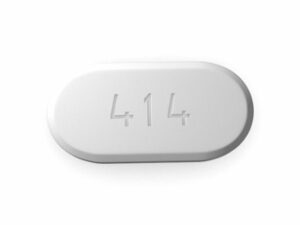
Tricor (Fenofibrate) — Patient Information
Tricor is a medicine used to help improve cholesterol and triglyceride levels in the blood. It belongs to a group of medicines called fibrates (fenofibrate). In the UK, Tricor is used alongside advice on diet and lifestyle to reduce the risk of complications related to abnormal fats in the blood.
This page explains how Tricor works, how it is usually taken, important safety information, interactions (including with alcohol and other medicines), and practical tips for everyday use.
1) Basic product information
- Brand name: Tricor
- Active ingredient: Fenofibrate
- Medicine type: Fibrate (lipid-regulating medicine)
- Common availability in the UK: Various strengths and formulations may be available depending on supply and local brand/product presentation.
- Who it may suit: People with raised triglycerides and/or specific mixed lipid problems, typically under clinical supervision.
Note: Your exact strength and form may vary. Always follow the instructions provided with your specific product.
2) How Tricor works (mechanism of action)
Fenofibrate helps to improve blood fat levels mainly by activating a protein called PPAR-α (peroxisome proliferator-activated receptor alpha). This action leads to several changes in how the body handles fats:
- Reduces triglycerides: It increases fatty acid breakdown and alters production/clearance of triglyceride-rich particles.
- Improves HDL cholesterol: Often increases “good” cholesterol (HDL).
- May reduce LDL cholesterol: In some people with mixed dyslipidaemia, LDL may fall, but the effect can be variable.
Because Tricor targets triglycerides particularly well, it is especially relevant where triglycerides are significantly raised.
3) Pharmacokinetics (how the body processes fenofibrate)
Understanding pharmacokinetics can help you appreciate why dosing schedules and monitoring matter.
- Absorption: Fenofibrate is absorbed from the gut and converted mainly to its active form (fenofibric acid).
- Distribution: The active metabolite circulates in the bloodstream and can bind to plasma proteins.
- Metabolism & activation: Fenofibrate is metabolised to fenofibric acid, which is the biologically active component.
- Excretion: The active metabolite is cleared primarily via the kidneys.
- Half-life (general concept): Fenofibric acid has an elimination half-life that supports once- or multiple-daily dosing depending on the product type/strength.
Kidney function matters: Because clearance is largely renal, clinicians may adjust the dose or choose a different approach in people with reduced kidney function.
4) What Tricor is typically used for (indications)
Tricor is used to treat abnormal blood lipid levels, most commonly:
- High triglycerides (hypertriglyceridaemia), particularly when triglycerides are significantly elevated.
- Mixed dyslipidaemia (when both triglycerides and other lipid levels are abnormal), where appropriate.
- To reduce risk of complications associated with abnormal lipid profiles, as part of overall cardiovascular risk management.
Tricor is not intended as a “quick fix.” Benefits are typically assessed with regular blood tests for lipid levels and safety markers.
5) How and when to take Tricor (timing)
Always follow the instructions for your specific Tricor product strength and formulation. In general, fenofibrate is taken at consistent times each day.
Typical timing approaches:
- Once-daily dosing: Often used with specific formulations. Take at the same time each day.
- With meals (common guidance): Many fenofibrate regimens are designed to work best when taken with food, because absorption can improve.
If you miss a dose:
- Take it when you remember if it is not too close to the next dose.
- If it is near the next scheduled dose, skip the missed dose.
- Do not double up to make up for a missed dose.
6) Food interactions and taking with meals
Fenofibrate absorption can be influenced by food. As a practical approach in everyday use:
- Take with a meal if your product information advises this or if you were told to take it with food.
- If you consistently take it on an empty stomach but were advised to take with food, ask a pharmacist or prescriber for guidance.
Alcohol and dehydration: Heavy alcohol intake may worsen triglycerides in some people and can stress the liver and pancreas. It is discussed further below.
7) Alcohol and medicine interactions
Alcohol
Alcohol can affect triglyceride levels and may increase risk of side effects such as liver irritation. In people with high triglycerides, regular alcohol intake may make triglycerides harder to control.
Practical advice:
- Keep alcohol intake low or avoid it if advised by your healthcare professional.
- If you are being treated for very high triglycerides, discuss safe alcohol limits with your clinician.
- Seek advice promptly if you develop symptoms such as severe upper abdominal pain, nausea, or vomiting.
Medicine interactions (important)
Tricor can interact with certain medicines. Some combinations require dose adjustments or extra monitoring.
| Medicines/agents | Why it matters | What to do |
|---|---|---|
| Statins (e.g., atorvastatin, simvastatin, rosuvastatin) | May increase risk of muscle-related side effects (e.g., myopathy/rhabdomyolysis), though the risk depends on the specific statin, dose, kidney function, and patient factors. | Ensure your healthcare professional knows all medicines. Report unexplained muscle pain, weakness, or dark urine urgently. |
| Anticoagulants (e.g., warfarin) | Fenofibrate may increase the effect of warfarin, raising bleeding risk. | Extra INR monitoring may be needed and dose adjustments could be required. |
| Immunosuppressants (e.g., ciclosporin/tacrolimus) | Some lipid-lowering combinations can affect kidney function. | Your clinician may monitor kidney function more closely or consider alternative strategies. |
| Other lipid medicines (e.g., bile acid sequestrants, omega-3 products) | May change overall lipid control and may require timing adjustments (especially if bile acid binders are used). | Ask how to space doses if your regimen includes medicines that bind bile in the gut. |
| Diabetes medicines | Lipid changes can coincide with changes in metabolic control. In some people, glucose control may be affected indirectly. | Monitor glucose as advised and report unexpected changes. |
| Kidney-affecting medicines (varies) | Because fenofibrate is cleared by the kidneys, anything that affects kidney function may increase fenofibrate exposure. | Tell your healthcare team about all medicines, including “as-needed” and over-the-counter products. |
Always check: including herbal products and supplements (especially those marketed for cholesterol or “fat metabolism”), as they may influence bleeding risk, liver function, or muscle risk.
8) Dosing in adults (general guidance)
Dosing can vary by product, strength, and individual factors such as kidney function and whether other lipid medicines are used.
General principles:
- Take once daily if that matches your prescribed regimen and product formulation.
- Kidney impairment: Dose may be reduced or fenofibrate may not be appropriate if kidney function is significantly reduced.
- Monitoring: Lipid levels and certain blood tests are usually checked to guide ongoing treatment.
Do not adjust your dose without speaking to a healthcare professional. If you think your dose is too strong or too weak, discuss it rather than stopping or changing it yourself.
9) Safety profile and side effects
Like all medicines, Tricor can cause side effects. Many are mild, but some require prompt medical attention.
Commonly reported effects (examples)
- Changes in liver blood tests
- Stomach-related effects such as nausea, indigestion, or abdominal discomfort
- Headache
Serious or urgent side effects — seek medical advice promptly
Contact medical help urgently if you experience:
- Muscle problems: unexplained muscle pain, tenderness, weakness, or cramps—especially if accompanied by fever or feeling unwell.
- Signs of liver issues: yellowing of the skin/eyes (jaundice), dark urine, unusual fatigue, or persistent upper right abdominal discomfort.
- Pancreatitis symptoms: severe abdominal pain (often upper abdomen), with or without vomiting.
- Allergic reaction: swelling of the face/lips, rash, wheezing, or difficulty breathing.
Monitoring recommendations (typical)
- Liver function tests (blood tests)
- Kidney function (especially for people at risk of reduced kidney function)
- Lipid levels to assess response
- Blood counts may be monitored depending on your overall health and clinician preference
Seek advice early if you have symptoms that could relate to liver, muscle, or pancreas.
10) Practical use tips for everyday life
- Keep to a routine: Taking your medicine at the same time each day helps effectiveness and reduces missed doses.
- Plan around meals: If your product guidance is “take with food,” take it with a consistent meal (breakfast or dinner, for example).
- Continue lifestyle measures: Diet, weight management, exercise, and reducing refined sugars can make triglyceride treatment more effective.
- Review alcohol habits: If you drink alcohol, consider discussing reduction with your clinician—particularly if triglycerides are high.
- Know which symptoms to watch: muscle pain/weakness, dark urine, abdominal pain, and jaundice should not be ignored.
- Keep an up-to-date medicine list: Include all prescriptions, over-the-counter products, vitamins, and supplements.
11) Alternative options for raised triglycerides and abnormal lipids
Depending on your lipid pattern and risk profile, your healthcare professional may consider alternative treatments. Options can include:
- Statins (particularly when LDL cholesterol is a major concern)
- Omega-3 fatty acids (certain formulations can reduce triglycerides)
- Other fibrates (e.g., bezafibrate, gemfibrozil) in selected cases
- Niacin (less commonly used in current practice due to side effects and evolving guidance)
- Combination strategies tailored to your lipid measurements and overall cardiovascular risk
Lifestyle measures remain essential and may significantly improve triglycerides—especially:
- Reducing sugar and refined carbohydrates
- Limiting alcohol (if advised)
- Increasing physical activity (as appropriate for your health)
- Achieving a healthy weight
Your best alternative depends on why triglycerides are raised and your other medical conditions, including kidney and liver health.
12) UK market and legal/regulatory context
In the UK, lipid-lowering medicines are regulated to help ensure consistent quality, safety, and appropriate use. Tricor (fenofibrate) falls under medicines regulation administered in the UK, and availability may be influenced by:
- Product licensing and formulation: Different strengths or modified-release versions may exist.
- Prescribing practices: Clinical guidance and local protocols may influence which lipid-lowering options are preferred for particular patient groups.
- Safety monitoring requirements: For fibrates, kidney and liver monitoring are a key part of safe use.
Changes in practice: Treatment decisions commonly consider both lipid values and overall cardiovascular risk, and may adjust over time as evidence and national guidance evolve.
13) Recent guidance (what matters for patients)
Lipid management recommendations in the UK evolve through clinical evidence, national guidance, and safety updates. In recent years, key themes that often influence fibrate use include:
- Prioritising cardiovascular risk reduction with a patient-specific approach.
- Emphasising safety monitoring, particularly where combining medicines (e.g., fibrate + statin) may raise muscle risk.
- Focusing on triglyceride causes (e.g., diabetes control, alcohol intake, hypothyroidism, certain medicines) in addition to prescribing therapy.
If your treatment plan changes, it may be due to improved triglyceride results, safety monitoring, kidney/liver blood test findings, or shifts in your overall cardiovascular risk profile.
14) Delivery and availability in the UK
Online pharmacies in the UK typically aim to provide medicines reliably and safely. Availability for Tricor may vary by:
- Strength and formulation (once-daily vs other forms)
- Manufacturer supply and warehouse stock
- Seasonal or system-wide supply pressures
Delivery expectations: Delivery times vary by supplier and service level. Many UK online pharmacies offer options such as standard and tracked delivery. You’ll typically receive dispatch updates and tracking information where applicable.
Packaging: Medicines are generally supplied in their original packaging and with patient information leaflets.
Storing your medicine: Keep Tricor in a dry place at room temperature, protect from excessive heat, and store out of sight and reach of children. Check your specific leaflet for any special storage instructions.
15) FAQ — Frequently asked questions
How long does it take for Tricor to work?
Lipid-lowering effects may be seen within weeks, but the overall response is usually assessed with follow-up blood tests. Your clinician may schedule repeat tests after starting or changing dose to confirm effectiveness and safety.
Can I take Tricor with food?
Many people are advised to take fenofibrate with meals to support absorption. Follow the instructions for your particular product and strength. If you are unsure, ask a pharmacist.
What blood tests are monitored while taking Tricor?
Commonly monitored measures include lipid levels (cholesterol/triglycerides), kidney function, and liver blood tests. Additional monitoring may be recommended depending on your health and other medicines.
Is Tricor safe to take with statins?
Tricor is sometimes used alongside statins in selected people, but the combination can increase the risk of muscle-related side effects. If you are taking both, you should report muscle pain or weakness promptly and attend monitoring appointments.
What should I do if I miss a dose?
Take it when you remember if it is not too close to the next dose. Otherwise skip it. Do not take a double dose.
Can I drink alcohol while taking Tricor?
Alcohol may affect triglycerides and can increase strain on the liver and pancreas. If you have high triglycerides, it’s best to keep alcohol low or avoid it if advised. Seek medical advice if you develop severe abdominal pain or other concerning symptoms.
Does Tricor affect the liver?
Some people experience increases in liver enzymes on blood tests. Serious liver injury is uncommon, but symptoms such as jaundice or persistent upper abdominal pain should be reported urgently.
Who should be extra careful with fenofibrate?
Extra caution is often needed if you have kidney disease, liver disease, a history of muscle problems, heavy alcohol use, uncontrolled diabetes, or you take certain interacting medicines (particularly statins or warfarin).
Are there alternatives if Tricor doesn’t lower my triglycerides enough?
Yes. Alternatives may include other lipid-lowering strategies (such as omega-3 fatty acids, statins, or different fibrates) and, importantly, treating underlying causes like diabetes, hypothyroidism, medication-related triglyceride rises, and lifestyle factors.
Should I stop Tricor if my blood tests improve?
Do not stop without medical advice. Ongoing therapy is often needed to maintain lipid improvements, and your clinician will guide whether adjustments are appropriate.
Important reminder: This information is intended to help you understand Tricor and how it is commonly used. Always follow the advice provided by your healthcare professional and the instructions that come with your specific medicine. If you experience side effects or have concerns, seek medical advice promptly.