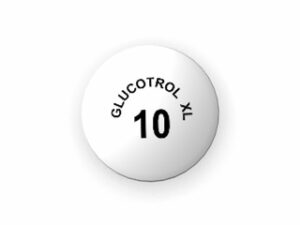

Actoplus Met (Metformin Hydrochloride) — Patient-Friendly Guide
Actoplus Met contains metformin hydrochloride, a medicine widely used to help manage type 2 diabetes. It works by lowering blood glucose levels and improving how your body uses insulin. Many people take metformin as part of a wider diabetes care plan that may also include diet, exercise, weight management, and other medicines.
This guide explains how Actoplus Met works, how it’s usually taken, what to expect, and key safety and interaction information. It is written for patients in the United Kingdom and aims to be easy to follow. If you have questions about your personal situation, speak to a healthcare professional.
Basic Product Information
| Item | Details |
|---|---|
| Medicine name | Actoplus Met |
| Active ingredient | Metformin hydrochloride |
| Medicinal purpose | Helps control blood glucose in type 2 diabetes |
| Typical formulation | Oral tablets (strength may vary by product presentation) |
| Common dosing schedule | Usually once or twice daily with food (or as directed) |
| Availability (UK) | Widely available through pharmacies and NHS services |
How Actoplus Met Works (Mechanism of Action)
Metformin mainly helps to reduce glucose production by the liver and improve insulin sensitivity. In practical terms, it helps lower blood sugar without directly forcing the pancreas to release more insulin.
Key actions include:
- Decreases hepatic (liver) glucose output (less sugar released into the blood).
- Improves insulin sensitivity in muscle and other tissues.
- May reduce intestinal glucose absorption in some people.
The result is generally a steadier reduction in blood glucose levels, helping reduce the risk of diabetes-related complications over time when combined with lifestyle management.
Pharmacokinetics (What the Body Does to Metformin)
“Pharmacokinetics” describes how the body absorbs, distributes, metabolises, and eliminates a medicine. While exact values can vary between individuals, the key points for metformin are:
- Absorption: Absorbed from the gastrointestinal tract after oral dosing; taking with food often helps reduce stomach side effects.
- Distribution: Metformin distributes into body tissues; it is not extensively metabolised.
- Metabolism: Metformin is not significantly broken down in the liver.
- Elimination: Primarily removed by the kidneys via the urine.
- Accumulation risk: If kidney function is reduced, metformin can build up—this is why dose adjustments and monitoring are important.
Because metformin is cleared by the kidneys, kidney function tests are a key part of safe prescribing and ongoing monitoring in the UK.
What Actoplus Met is Used for (Indications)
Actoplus Met is used to manage type 2 diabetes mellitus. It may be used:
- As first-line treatment in appropriate adults when diet and exercise alone are insufficient.
- In combination therapy with other diabetes medicines when additional glucose control is needed.
Your clinician will tailor therapy based on your blood glucose results, overall health, and risk factors. Some people take metformin long term as part of their diabetes management plan.
When to Take Actoplus Met (Timing and How to Take)
Take Actoplus Met exactly as advised by your healthcare professional or as stated on your prescription label. The common approach is:
- With or just after food to help reduce stomach side effects such as nausea, diarrhoea, or stomach upset.
- Split dosing (e.g., once or twice daily) may be recommended depending on the strength and how your body tolerates it.
- Try to take it at the same times each day to help you remember and maintain consistent effect.
If you miss a dose, follow the guidance provided by your healthcare professional or the product instructions. In general, do not take a double dose to make up for a missed tablet.
Food Interactions and Practical Eating Guidance
Metformin is generally taken with meals. Food can improve tolerability by reducing gastrointestinal upset. There are no major “forbidden” foods for metformin, but these tips may help:
- Take with your largest meal if you find your stomach is sensitive.
- Stay consistent with carbohydrate intake as advised in your diabetes diet plan.
- Be cautious with very low-calorie diets or prolonged fasting unless your clinician has advised it.
If you experience persistent stomach symptoms, do not stop the medicine without advice—speak to a clinician. They may adjust the dose, timing, or consider an alternative formulation.
Alcohol and Medicine Interactions
Alcohol interaction is important. While moderate alcohol may be allowed in some circumstances, combining alcohol with metformin can increase the risk of rare but serious complications, particularly when drinking heavily or when your liver is affected.
- Avoid binge drinking and keep alcohol intake modest.
- Be extra cautious if you drink alcohol when you are unwell, dehydrated, have reduced food intake, or have kidney problems.
- If you have liver disease or are prone to low blood sugar, ask your healthcare professional for personalised advice.
In addition to alcohol, tell your healthcare professional about all medicines you take, including:
- Other diabetes medicines (to check for overall glucose-lowering effects and risk of side effects).
- Medicines that affect kidney function (e.g., certain diuretics, NSAIDs used frequently, or medications that may reduce blood flow to the kidneys).
- Medicines containing cimetidine (may increase metformin levels in some cases).
- Contrast agents for scans (iodinated contrast). Clinicians may temporarily pause metformin in some patients to reduce risk if kidney function is at risk.
This is not an exhaustive list. Always check with a pharmacist or clinician if you are unsure.
Dosing: Typical Starting and Maintenance Approach
Dosing depends on your kidney function, current blood glucose levels, and how well you tolerate the medicine. A common approach is:
- Start low, then increase gradually to improve stomach tolerance.
- Adjust based on response (blood sugar monitoring and HbA1c targets).
- Review kidney function regularly, as metformin is cleared by the kidneys.
Your tablet strength and the frequency you take it (for example once or twice daily) may differ between products. Use your package instructions or label as the most accurate guide for your specific Actoplus Met presentation.
Important: Do not change your dose without medical advice. If you are having frequent side effects, ask about dose adjustments or alternative formulations.
Safety Profile and Side Effects
Most people tolerate metformin well, especially when taken with food and increased gradually. However, like all medicines, it can cause side effects in some individuals.
Common side effects
- Gastrointestinal symptoms: nausea, diarrhoea, abdominal discomfort, bloating, or vomiting.
- Metallic taste in some people.
These effects often improve after the first days to weeks, particularly if your dose is increased gradually and you take it with meals.
Less common but important risks
- Vitamin B12 deficiency over long-term use. This can contribute to anaemia or nerve symptoms. Regular monitoring may be recommended, especially if you develop symptoms.
- Lactic acidosis (rare, serious). The risk is higher in certain situations such as severe kidney impairment, dehydration, excessive alcohol use, severe infection, or conditions causing low oxygen levels.
Seek urgent medical advice if
Contact urgent care or a healthcare professional immediately if you develop symptoms that may indicate serious complications, such as:
- Severe or persistent vomiting
- Severe weakness or feeling very unwell
- Deep, rapid breathing or shortness of breath
- Unusual drowsiness or muscle pain
- Signs of dehydration (e.g., dizziness, very low urine output)
If you are unwell (e.g., with vomiting/diarrhoea, serious infection, or reduced fluid intake), ask your healthcare professional whether you should temporarily pause metformin—this is often discussed as part of “sick day” planning.
Practical Use Tips (To Improve Tolerability and Results)
- Take with meals: This is one of the most effective ways to reduce stomach side effects.
- Be consistent: Taking it at the same times each day helps you keep to the schedule.
- Increase gradually if advised: Many people feel better after slow dose titration.
- Monitor blood glucose as instructed: Your clinician may recommend home testing or periodic lab checks.
- Stay hydrated: Particularly during hot weather, exercise, or illness.
- Know your kidney function status: Ask how often you should have tests.
- Watch for symptoms of B12 deficiency: Fatigue, tingling, numbness, or balance issues should be discussed with a clinician.
Alternatives and Options in the UK
If metformin is not suitable or not tolerated, clinicians may recommend alternatives. Options depend on your needs, kidney function, weight considerations, cardiovascular risk, and other factors.
Possible alternatives include:
- Other metformin formulations (e.g., modified release versions) to improve gastrointestinal tolerability.
- Other glucose-lowering medicines, such as sulfonylureas, DPP-4 inhibitors, GLP-1 receptor agonists, SGLT2 inhibitors, thiazolidinediones, or insulin (depending on individual circumstances).
In the UK, treatment choices often consider:
- Whether there is established cardiovascular disease
- Risk of hypoglycaemia
- Kidney function
- Body weight goals
- Individual side effect profiles
Do not switch treatments without clinician guidance. If you are considering alternatives due to side effects, discuss options that best match your medical history.
Market and Legal Context (United Kingdom)
In the UK, diabetes medicines are supplied through community pharmacies, and access pathways may involve NHS prescriptions and medicine reviews. Pharmacies commonly support patient education, side effect management, and adherence to treatment plans.
Medicines available in the UK are regulated under the Medicines and Healthcare products Regulatory Agency (MHRA). Product information (such as the Summary of Product Characteristics and Patient Information Leaflet) provides details on: approved indications, contraindications, dosing, and safety information.
Ongoing clinical guidance and local prescribing policies help standardise diabetes care. Always rely on the most current advice from your healthcare professional and the official documentation for your specific product strength and formulation.
Recent Guidance and Clinical Approach (General Overview)
UK diabetes care is continuously updated based on evidence and safety monitoring. While specific recommendations can change, a widely adopted approach in recent years has included:
- Metformin as a foundational option for many adults with type 2 diabetes when tolerated and appropriate (particularly considering kidney function).
- Individualised escalation based on patient risk profiles (e.g., cardiovascular and kidney risk), weight considerations, and hypoglycaemia risk.
- Regular monitoring of kidney function, and consideration of vitamin B12 levels during long-term use.
- Sick day advice for people at risk of dehydration or acute illness, to reduce risk of complications.
If you want to understand the latest treatment targets in your care plan, ask your clinician or diabetes nurse for your personalised goals (such as HbA1c targets) and monitoring schedule.
Delivery and Availability (UK Online Pharmacy Information)
Actoplus Met is generally available through UK pharmacies and online pharmacy services depending on supply and your required strength. Delivery options vary by retailer, and typical factors affecting delivery times include:
- Stock availability for your exact strength and quantity
- Order processing time and cut-off times for dispatch
- Courier service and delivery region
Before ordering, check:
- The strength you need (mg per tablet)
- The pack size and dosing frequency
If you have a prescription/medicine authorisation requirement, follow the supplier’s process for verification and safe dispensing. For any urgent medication needs, contact the pharmacy directly.
FAQ — Actoplus Met (Metformin Hydrochloride)
1) How long does Actoplus Met take to work?
Many people notice blood sugar improvements within days to a couple of weeks, but optimal results are usually judged over longer periods through HbA1c and clinician review. It may take time to find the best dose that you tolerate.
2) What should I do if I get diarrhoea or nausea?
These are common early side effects. Taking the tablets with food, avoiding large sudden increases in dose, and staying hydrated often helps. If symptoms are persistent, severe, or you feel unwell, contact a healthcare professional.
3) Can I take Actoplus Met if I have kidney problems?
Metformin is cleared by the kidneys, so kidney function matters. Some people may still be able to use metformin with a modified dose and more frequent monitoring, while others may need a different treatment. Your clinician will advise based on your test results.
4) Is Actoplus Met safe to take long term?
For many people, metformin is used long term. Long-term use may require periodic monitoring, including kidney function and possibly vitamin B12 levels. Discuss ongoing monitoring plans with your clinician.
5) Can I drink alcohol while taking metformin?
Keep alcohol modest and avoid binge drinking. If you are unwell, dehydrated, or have conditions affecting liver/kidney function, alcohol can increase risk. Ask your healthcare professional for personalised advice if you are unsure.
6) Will metformin cause weight gain?
Metformin is generally considered weight-neutral or may cause mild weight loss for some people. Individual responses vary.
7) What medicines interact with metformin?
Tell your pharmacist or clinician about all medicines you take. Particular attention is often given to drugs that can affect kidney function, cimetidine, and situations involving iodinated contrast for scans. Always check before starting a new medicine.
8) What is lactic acidosis and how common is it?
Lactic acidosis is a rare but serious condition. Risk increases when metformin levels build up due to severe kidney impairment, dehydration, heavy alcohol use, severe infection, or low oxygen states. Seek urgent help if you develop severe symptoms such as deep rapid breathing, severe weakness, or persistent vomiting.
9) Can I stop Actoplus Met suddenly?
Do not stop without advice. Stopping can cause blood glucose to rise again. If you want to stop, change dose, or switch treatment due to side effects, speak to a healthcare professional first.
10) How should I store Actoplus Met?
Store your tablets according to the instructions on the packaging—typically at room temperature, protected from moisture and out of reach of children. Check the pack for the exact storage instructions.
When to Talk to Your Healthcare Professional
Speak to your healthcare professional promptly if you:
- Develop persistent or worsening stomach symptoms
- Experience symptoms that could suggest low B12 (e.g., tingling, numbness, unusual fatigue)
- Have reduced kidney function or new kidney-related symptoms
- Plan surgery or a scan involving contrast dye (ask about medication adjustments)
- Become severely unwell with dehydration, vomiting, or diarrhoea
Actoplus Met can be an effective part of type 2 diabetes management. With the right dose, timing, and monitoring, many people use it safely and comfortably as part of their long-term care.