Desmopressin: Patient-Friendly Guide (UK)
Desmopressin is a medicine used to treat several conditions where the body either makes too much urine or needs help with certain hormone-related processes. It is a synthetic (man-made) version of a natural hormone called vasopressin (also known as ADH, antidiuretic hormone). Depending on the condition, desmopressin can help the kidneys make less urine and concentrate it, reducing fluid loss.
This guide explains how desmopressin works, what it’s used for, how to take it safely, what to watch for, and where to find practical information relevant to the United Kingdom.
Basic Product Information
- Generic name: Desmopressin
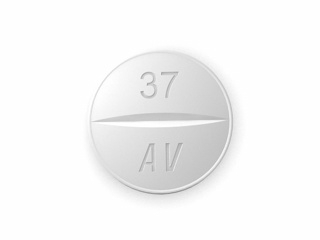
- Common forms: Tablets, orodispersible tablets (melt-in-the-mouth), nasal spray, and in some cases other formulations depending on brand/supply.
- Brand examples: Varies by formulation and manufacturer in the UK.
- ATC group (general): Antidiuretics (where applicable)
- Availability: Supplied through UK pharmacies and dispensed through normal pharmacy routes for eligible uses.
Note: Different formulations have different dosing schedules. Always follow the directions provided for the specific product you receive.
How Desmopressin Works (Mechanism of Action)
Desmopressin acts by mimicking the action of vasopressin, but it is designed to have a stronger effect on the kidneys and a weaker effect on blood vessel tightening.
Key mechanism:
- Reduces urine production: It increases water reabsorption in the kidney’s collecting ducts.
- Concentrates urine: Less water is lost in urine, making urine more concentrated.
- Helps hormone-related bleeding disorders (in certain uses): Desmopressin can increase levels of clotting factors such as von Willebrand factor (vWF) and factor VIII, which may help reduce bleeding in selected patients.
Because it can cause the body to retain water, the main safety concern is too much water in the body (hyponatraemia). This is why fluid management and correct dosing are essential.
Pharmacokinetics (How the Body Handles It)
Pharmacokinetics describe how desmopressin is absorbed, distributed, metabolised, and eliminated.
- Absorption: Depends on the formulation. Tablets and orodispersible forms are absorbed through the gut; nasal spray is absorbed through the nasal mucosa.
- Onset and effect duration: Typically, desmopressin starts working within a short period after dosing, with a measurable effect lasting several hours.
- Half-life: The effective duration can vary by person and formulation; it is generally long enough to require careful timing and monitoring to avoid water imbalance.
- Elimination: Desmopressin is mainly eliminated by the kidneys.
Clinical implication for patients: Your doctor will select the form and schedule that best fit your condition. Changing formulation or dose without guidance can increase the risk of side effects.
Typical Uses in the UK
Desmopressin is used in several conditions. The exact indication depends on the formulation and local prescribing practices.
Common indications
- Diabetes insipidus (including central diabetes insipidus): A condition where the body produces large amounts of dilute urine due to insufficient ADH activity.
- Nocturnal enuresis (bedwetting) in children and some adolescents: Typically used when bedwetting is believed to be related to the ability to concentrate urine overnight.
- Some bleeding disorders such as certain cases of von Willebrand disease or other selected conditions where desmopressin can improve clotting factor levels.
Important: Not all forms of desmopressin are suitable for every indication. Your pharmacist can confirm the intended use for your specific product.
Timing and How to Take Desmopressin
Timing is crucial because desmopressin’s effect on water balance can vary throughout the day and night.
General timing principles
- Follow your schedule exactly: Take the dose at the times you were advised.
- Consistent routine helps: Taking doses at the same time each day can improve predictability.
- Bedtime dosing (for enuresis): If prescribed for night-time bedwetting, dosing is usually aligned with evening/bedtime to reduce urine production overnight.
If you miss a dose
- Take it when you remember if it’s close to the scheduled time.
- Skip it if it’s near the time for your next dose.
- Do not double the dose.
If you’re unsure, contact a pharmacist for guidance specific to your dosing instructions.
Food Interactions
Food can affect absorption for some medicines. For desmopressin, the degree of interaction depends on the formulation.
- Tablets / orodispersible forms: Food may alter how quickly or how much desmopressin is absorbed in some people.
- Nasal spray: Typically less affected by food directly, but overall dosing routine still matters.
Practical advice:
- Try to take your dose consistently in relation to meals (for example, always with or always without food) unless you were told otherwise.
- If you notice changes in effectiveness or side effects after meal timing changes, discuss this with your pharmacist or prescriber.
Alcohol and Medicine Interactions
Alcohol
Alcohol can affect the body’s ability to regulate fluids and may worsen dehydration or, conversely in some situations, contribute to fluid imbalance. It may also increase the risk of dizziness or other side effects.
- It’s generally safest to limit alcohol and avoid heavy drinking, especially when you are on desmopressin.
- If you are using desmopressin for bedwetting in children, avoid situations where alcohol use is relevant (and always seek medical advice if there are concerns).
Other medicines
Because desmopressin can increase water retention, combining it with certain other medicines can increase the risk of hyponatraemia (low sodium in the blood).
- Diuretics (water tablets): May reduce effect or create electrolyte issues; dosing needs careful planning.
- Medicines that affect fluid balance or sodium: Some antidepressants (including SSRIs), antipsychotics, certain anticonvulsants, and other medicines associated with low sodium can increase risk.
- NSAIDs (painkillers such as ibuprofen or naproxen): In some contexts, NSAIDs can affect kidney handling of water, potentially increasing hyponatraemia risk.
Practical tip: Before starting any new medicine, including over-the-counter products and herbal remedies, ask your pharmacist whether it’s safe to take alongside desmopressin.
Dosing: What Patients Should Know
Dosing is individual and depends on the condition, age, the specific formulation, kidney function, and how well it controls symptoms. Below is general information to help you understand how dosing typically works.
| Condition (typical) | General dosing concept | What to watch for |
|---|---|---|
| Central diabetes insipidus | Doses are usually split to maintain control throughout the day, depending on symptoms and urine output. | Signs of too much water retention (headache, nausea, unusual tiredness, confusion). |
| Nocturnal enuresis (bedwetting) | Often taken in the evening to reduce night-time urine production; dosing is commonly adjusted based on response. | Hyponatraemia risk: follow fluid guidance carefully; monitor for symptoms. |
| Selected bleeding disorders | Dosing may be scheduled around bleeding episodes or procedures; clinic protocols may differ. | Monitor blood pressure and side effects; ensure correct use under guidance. |
Important: Never adjust your dose on your own. If your symptoms aren’t controlled, speak to a pharmacist or prescriber so they can review your dosing schedule and formulation.
Safety Profile: Side Effects and When to Seek Help
Most people tolerate desmopressin well, but it can cause problems related to water retention. The most important potential risk is hyponatraemia (low blood sodium).
Common side effects
- Headache
- Nausea
- Stomach discomfort (varies)
- Fatigue or dizziness
- For nasal spray: nasal irritation, nosebleeds, or congestion may occur
Serious side effects: seek urgent medical advice
Contact urgent medical services or seek urgent advice if you (or your child) develop symptoms that could indicate hyponatraemia or severe adverse reactions, such as:
- Severe or worsening headache
- Confusion, unusual behaviour, or extreme drowsiness
- Vomiting that persists
- Swelling or rapid weight gain
- Fainting, seizures, or severe weakness
Who should be extra careful?
- People with a history of low sodium
- People with kidney problems
- Older adults and people who may have reduced ability to monitor symptoms
- Children, especially when using desmopressin for night-time bedwetting
Extra caution is also needed during periods of illness, particularly if there is vomiting, diarrhoea, fever, or fluid imbalance.
Practical Use Tips (Including Fluid Management)
The success and safety of desmopressin depends not only on the dose but also on how you manage fluids.
Follow your fluid guidance
- Your prescriber or clinic may recommend a limit on total fluid intake, especially near dosing times.
- Do not drink excessive amounts in response to feeling thirsty unless you’ve been advised it’s safe.
- If you’re provided with specific instructions, use those instructions rather than general advice.
Monitor response
- For bedwetting: track wet nights and dry nights as advised.
- For diabetes insipidus: note urine volume and thirst patterns (as recommended) and report changes.
Be alert to changes during illness
- If you or your child is unwell, particularly with vomiting or diarrhoea, your fluid needs and risk of electrolyte imbalance may change.
- Contact a healthcare professional for advice on whether to continue or adjust fluid intake per your local plan.
Correct administration (form-specific)
- Nasal spray: Use correct technique and keep the nozzle clean. If you miss doses or feel it’s not delivering properly, ask a pharmacist.
- Tablets / orodispersible: Use the technique described for your product (e.g., how to handle orodispersible tablets).
Tip: Keep a simple diary with dose times and any symptoms. This helps healthcare teams adjust therapy safely.
Alternative Options
Depending on the condition being treated, there may be alternative treatments.
For diabetes insipidus
- Desmopressin remains a standard option for central diabetes insipidus.
- For different types of diabetes insipidus (e.g., nephrogenic), other approaches may be considered by clinicians.
- Managing triggers for thirst and urine output may be part of care.
For nocturnal enuresis (bedwetting)
- Behavioural strategies (e.g., bladder training, routine toileting schedules) are often used alongside medication.
- Enuresis alarm therapy can be effective, particularly in children.
- Some people may use other medication strategies depending on age and local clinical guidance.
For bleeding disorders
- Alternatives may include specific clotting factor concentrates or other haemostatic treatments, depending on diagnosis and severity.
Your pharmacist can discuss general options and what to ask your prescriber about, but the best alternative depends on your diagnosis and personal risk factors.
UK Market & Legal Context (Overview)
In the United Kingdom, desmopressin products are regulated by the Medicines and Healthcare products Regulatory Agency (MHRA). Medicines are also supported by national guidance, including recommendations from bodies such as the National Institute for Health and Care Excellence (NICE) (where relevant) and professional paediatric/urology/haematology guidance.
Availability and the exact wording of indications can differ between formulations (e.g., nasal spray vs tablets) due to marketing authorisations and safety data. Pharmacies provide information that reflects the approved product characteristics.
Safety regulations: If there are safety communications or updates to key precautions, UK healthcare providers and pharmacies typically reflect these in patient information leaflets and counselling.
Recent Guidance and Safety Emphasis (What to Expect)
In recent years, safety messages for desmopressin have consistently focused on preventing water overload and hyponatraemia. This is especially important in:
- Children using desmopressin for bedwetting
- People who may have increased risk of low sodium (e.g., kidney issues, concurrent medicines, excessive fluid intake)
In practice, UK clinicians commonly emphasise:
- Strict adherence to the dosing schedule
- Following individualised fluid intake advice
- Monitoring for symptoms and adjusting treatment when needed
Always check the latest patient information leaflet included with your specific desmopressin product, as wording may vary slightly by manufacturer.
Delivery and Availability in the UK
As an online pharmacy customer, you should be able to purchase eligible desmopressin products through established pharmacy services in the UK, subject to availability, formulation, and supply arrangements.
What can affect delivery time:
- Product strength/formulation availability
- Order processing times
- Local courier and dispatch schedules
Delivery tips:
- Check that you select the correct formulation (tablets vs nasal spray) and strength.
- Store the medicine as instructed on the packaging (temperature and moisture considerations may vary by product).
- If you require regular long-term use, consider setting reorder reminders to avoid gaps.
If you have any doubt about which desmopressin product is intended for your condition, contact the pharmacy before placing the order.
Frequently Asked Questions (FAQ)
1) What is desmopressin used for?
Desmopressin is used for conditions such as central diabetes insipidus, certain cases of bedwetting at night (nocturnal enuresis), and selected bleeding disorders where it can help increase clotting factors. The exact use depends on the formulation and your diagnosis.
2) How quickly does desmopressin work?
It typically begins to work within a short period after taking a dose, with effects lasting several hours. The precise timing varies by formulation and individual response.
3) Why is fluid intake so important?
Desmopressin reduces urine production. If you drink too much fluid while the medication is active, sodium levels can drop, leading to hyponatraemia. This is the key reason for following any fluid guidance you’ve been given.
4) Can I drink normally while taking desmopressin?
That depends on your condition, dose, and instructions you’ve received. Many people are advised to follow specific fluid limits around dosing—especially at night for bedwetting.
5) What are the signs of low sodium (hyponatraemia)?
Possible symptoms include headache, nausea, vomiting, unusual tiredness, confusion, swelling, weight gain, and in severe cases seizures. If symptoms are concerning, seek urgent medical advice.
6) Are there medicines I should avoid?
Some medicines can increase the risk of hyponatraemia or affect water balance, including certain antidepressants, antipsychotics, anticonvulsants, NSAIDs, and diuretics. Always ask your pharmacist to review your medicines, including over-the-counter products.
7) Does food affect desmopressin?
Food may influence absorption for some tablet-based formulations. Taking it consistently with respect to meals can help reduce variability in effect.
8) Can I take desmopressin with alcohol?
It’s generally safest to limit alcohol. Alcohol may worsen dehydration or fluid regulation and could increase the chance of side effects. If you choose to drink, do so cautiously and avoid heavy amounts.
9) What should I do if I miss a dose?
Take it when you remember if it’s close to the scheduled time. If it’s near your next dose, skip the missed dose. Do not double your dose. For specific advice, contact a pharmacist.
10) Can desmopressin be used for my child?
Desmopressin may be used for specific paediatric conditions (such as bedwetting) under age-appropriate guidance and careful fluid safety measures. Children require extra caution due to the risk of hyponatraemia; follow the plan given by your healthcare team carefully.
Summary
Desmopressin helps your body reduce urine output and, in some cases, improve clotting factor levels. It works by mimicking ADH in the kidneys. While it can be highly effective, it carries an important safety consideration: preventing too much water retention and the resulting risk of hyponatraemia.
For best results and safety:
- Use the correct formulation and dosing schedule.
- Follow your fluid guidance closely.
- Be cautious when starting other medicines or during illness.
- Seek urgent help if you notice concerning symptoms.
If you’d like, tell me which desmopressin formulation you’re looking at (e.g., tablets or nasal spray) and what it’s intended for, and I can tailor the guidance section to match that use more closely.