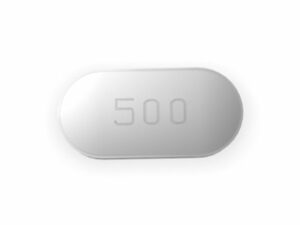

Prandin (Repaglinide) – Patient Information (UK)
Prandin is a medicine containing repaglinide, used to help control blood sugar (glucose) in adults with type 2 diabetes. It is taken by mouth and works by stimulating the pancreas to release insulin in response to meals.
This guide is designed to be patient-friendly and to help you understand how Prandin works, how to take it safely, and what to consider with food, alcohol, and other medicines. Always follow the instructions given to you by your healthcare professional.
Key information at a glance
- Active ingredient: Repaglinide
- Medicinal purpose: Improves blood sugar control in type 2 diabetes
- How it works: Increases insulin release when you eat
- Typical timing: Taken shortly before meals (often within 15 minutes)
- Main risk: Low blood sugar (hypoglycaemia), especially if meals are missed or doses are too high
- Not suitable for all forms of diabetes: Used for type 2 diabetes
What is Prandin?
Prandin (repaglinide) is an oral glucose-lowering medicine used in adults with type 2 diabetes. It helps reduce blood glucose levels, particularly the rise in glucose after meals.
Prandin is often used when diet, weight management, and exercise alone are not enough, or in combination with other diabetes medicines.
How Prandin works (mechanism of action)
Repaglinide belongs to a group of medicines called meglitinides (sometimes referred to as insulin secretagogues).
It works by:
- Binding to a specific site on beta cells in the pancreas
- Closing ATP-sensitive potassium channels
- Leading to insulin release into the bloodstream
Meal-related action: The effect is strongest when taken around mealtimes, which helps control post-meal (post-prandial) blood glucose.
Pharmacokinetics (how your body handles the medicine)
Pharmacokinetics explains what happens to a medicine in the body—how it is absorbed, metabolised, and cleared.
- Absorption: Repaglinide is absorbed quickly after oral dosing, supporting its meal-time action.
- Onset: It starts working relatively fast to help manage the blood sugar rise after eating.
- Duration: The effect typically does not last the entire day, which is why dosing is linked to meals.
- Metabolism: Metabolised mainly by the liver (notably via CYP enzymes).
- Excretion: Metabolites are eliminated largely via bile and/or faeces.
Important implication for patients: Because repaglinide is handled by the liver, dose adjustments and extra caution may be needed in people with liver problems.
Typical use in UK diabetes care
Prandin may be used in adults with type 2 diabetes:
- As monotherapy (alone) when suitable
- In combination with other glucose-lowering medicines (for example, certain medicines that improve insulin sensitivity)
In practice, it may be chosen when meal timing is relatively predictable and when a short-acting, meal-related insulin-stimulating effect is desirable.
Indications (who it is for)
Repaglinide is indicated for the treatment of type 2 diabetes in adults to improve glycaemic control.
Note: It is not intended for type 1 diabetes and is generally not used for diabetic ketoacidosis.
Dosing and timing – how to take Prandin
Your exact dose depends on your blood sugar readings, your treatment history, and your individual risk of low blood sugar.
General principles:
- Prandin is taken before meals.
- Doses are usually linked to your main meals (for example, breakfast, lunch, dinner).
- Consistency matters: try to take it at similar times relative to meals.
Typical timing
- Take immediately before a meal, or within about 15 minutes before eating (follow your local instructions).
- If you skip a meal, you should generally avoid taking that dose to reduce the risk of hypoglycaemia.
Missed dose
If you miss a dose and you are about to eat, take it as directed by your healthcare professional. If it is close to your next meal, do not double up—return to your regular schedule.
Adjustments
Because Prandin stimulates insulin release, the dose may need adjustment based on:
- Your pre-meal and post-meal glucose levels
- Symptoms of low blood sugar
- Changes in diet, activity, weight, kidney or liver function (where relevant)
Food interactions and meal-related guidance
Prandin is designed to act around eating. Food interactions are therefore important in daily use.
- Take with meals: Repaglinide helps manage the blood sugar rise after food. The timing relative to meals is a key part of effective control.
- Do not take extra doses: Higher dosing increases the risk of hypoglycaemia.
- Missed meals: Skipping a meal may require skipping the associated dose (as advised by your prescriber).
- Changes in eating pattern: If you change your meal schedule or portion sizes, you may need monitoring and possible dose review.
Carbohydrate balance: If you eat significantly fewer carbohydrates than usual, the chance of hypoglycaemia may increase. If you eat more than usual, blood glucose may not fall as expected.
Alcohol and medicine interactions
Alcohol and blood sugar
Alcohol can affect blood glucose in different ways. In some people, especially when meals are missed or intake is low, alcohol can increase the risk of hypoglycaemia (low blood sugar) with insulin secretagogues.
- Avoid drinking alcohol on an empty stomach.
- Be cautious if you drink alcohol regularly or heavily.
- Consider monitoring your blood sugar more closely on days when alcohol intake changes.
When alcohol increases risk
The risk may be higher if:
- You skip meals
- You have had previous episodes of hypoglycaemia
- You have liver problems
- You are taking other medicines that lower blood sugar
Medicine interactions – overview
Repaglinide is processed by liver enzymes. Some medicines can:
- Increase repaglinide levels (raising hypoglycaemia risk)
- Reduce repaglinide levels (reducing effect)
- Increase overall blood sugar-lowering action when combined with other diabetes medicines
Always tell your healthcare professional or pharmacist about all medicines you use, including over-the-counter products and herbal remedies.
Drug interactions: practical points for safety
Below are examples of interaction categories that are relevant for repaglinide. This is not an exhaustive list.
Medicines that may increase risk of low blood sugar
- Other glucose-lowering medicines (e.g., insulin or other agents used for diabetes)
- Some antibiotics, antifungals, and other medicines that affect liver enzyme activity
- Some cardiovascular medicines (depending on the specific drug)
Medicines that may reduce Prandin effect
- Some epilepsy medicines that induce liver enzymes
- Some treatments for tuberculosis
- Some herbal products, including St John’s wort (commonly used for mood)
Special caution: If you have been advised that a combination is unsafe due to interactions, do not use it unless a clinician confirms it is appropriate.
Safety profile and side effects
Like all medicines, Prandin can cause side effects. The most important potential risk is hypoglycaemia.
Common or important side effects
- Hypoglycaemia (low blood sugar): May cause sweating, trembling, dizziness, hunger, headache, confusion, or unusual tiredness. Severe episodes may lead to unconsciousness.
- Gastrointestinal symptoms: Nausea, abdominal discomfort (not everyone experiences this).
- Changes in blood tests: Liver-related test abnormalities may occur in some people.
Seek urgent help if
- You suspect severe hypoglycaemia (you cannot swallow, you are very confused, or you faint)
- You develop signs of a serious allergic reaction (for example, swelling of the face/lips, difficulty breathing, widespread rash)
- You have symptoms suggesting liver problems, such as yellowing of the skin/eyes (jaundice) or severe fatigue
Who should be extra cautious?
- People with a history of hypoglycaemia
- Older adults or those with irregular eating habits
- People with liver impairment
- People with kidney problems (as glucose-lowering needs may change; clinician guidance is essential)
- Those who use multiple glucose-lowering medicines
Practical use tips (to get the best results and reduce risk)
- Match the dose to meals: Take Prandin shortly before eating. If you skip a meal, discuss with your healthcare professional whether to skip the dose as well.
- Monitor your glucose: Regular blood glucose checks (especially when starting or changing dose) help reduce hypoglycaemia risk.
- Keep fast sugar available: If you feel symptoms of low blood sugar, use quick carbohydrates (for example, glucose tablets or sugary drinks) as directed by your diabetes plan.
- Recognise symptoms early: Early treatment prevents progression to severe hypoglycaemia.
- Be consistent with meal patterns: Large meal-time changes may require dose review.
- Wear a diabetes identifier: This can be useful in emergencies.
How to manage hypoglycaemia when taking Prandin
If you develop symptoms consistent with hypoglycaemia:
- Check your blood sugar if possible.
- Take fast-acting carbohydrate (for example, glucose tablets or sugary drink).
- Recheck according to your diabetes plan (some episodes require repeat treatment).
- Eat a longer-acting snack if your next meal is not due soon.
- If symptoms are severe or you cannot treat yourself, seek urgent medical help.
Important: The best plan may vary depending on your glucose readings, other medicines, and your past episodes—follow advice from your healthcare team.
Alternative options (other medicines for type 2 diabetes)
Depending on your individual needs and medical history, there are several other diabetes medicines that may be considered. Your clinician will choose based on effectiveness, safety, weight effects, kidney/liver function, and risk of hypoglycaemia.
Common alternative medication classes
- Metformin (often first-line for type 2 diabetes)
- Sulfonylureas (also stimulate insulin release, with a different risk profile and duration)
- DPP-4 inhibitors (increase insulin release and decrease glucagon in a glucose-dependent way)
- SGLT2 inhibitors (increase glucose excretion in urine)
- GLP-1 receptor agonists (injectable and sometimes associated with weight benefits)
- Insulin (used when blood sugar control requires stronger or more consistent insulin support)
- Thiazolidinediones (in certain cases)
If Prandin is unsuitable due to side effects, interactions, or lifestyle mismatch, discuss other options with your healthcare professional.
UK market and legal context (overview)
In the United Kingdom, medicines are regulated and monitored under the MHRA (Medicines and Healthcare products Regulatory Agency). Patient safety information and safety communications are issued when necessary. Prescription-only and legal supply classifications depend on the specific medicine and product presentation.
Online pharmacy services in the UK must follow relevant regulatory requirements and sourcing rules. Only use reputable online pharmacies that provide clear information about the medicine, supply chain, and quality control.
Recent guidance context: Diabetes management in the UK is commonly guided by evidence-based frameworks such as the NICE guidelines and updates from professional bodies. Medication choice often considers cardiovascular and renal risk, hypoglycaemia risk, weight considerations, and patient preference.
Recent safety and clinical considerations (what patients should know)
While individual recommendations depend on your circumstances, healthcare teams generally emphasise:
- Hypoglycaemia prevention: Meal timing and dose appropriateness are crucial with insulin secretagogues.
- Interaction awareness: Repaglinide has clinically relevant interactions via liver metabolism. Your pharmacist can help check safety with your current medicines.
- Liver and overall health assessment: Monitoring and dose review may be needed if liver function changes.
- Regular review of treatment effectiveness: Blood glucose targets may change, and treatment plans may be updated over time.
If you have had recent changes in medicines, health status, or meal patterns, ask your healthcare professional whether your dose still fits your needs.
Delivery and availability (UK online pharmacy)
Availability of Prandin can vary by strength and pack size. When ordering from an online pharmacy, you can typically expect:
- Verification of product details (strength and formulation)
- Careful packaging to protect tablets during transit
- Tracking and standard delivery times depending on the supplier
- Customer support if a preferred product is temporarily unavailable
Delivery note: Delivery times depend on location and the pharmacy’s fulfilment process. Check the website’s delivery information for the most accurate estimates.
If you need an alternative pack size or strength, contact the online pharmacy support team before placing an order.
FAQ – Prandin (Repaglinide)
1) What is Prandin used for?
Prandin is used to improve blood sugar control in adults with type 2 diabetes. It is especially helpful for controlling blood glucose rise around meals.
2) How soon before meals should I take it?
Prandin is typically taken immediately before a meal or within about 15 minutes before eating. Follow your healthcare professional’s instructions for your exact timing.
3) What should I do if I skip a meal?
Skipping a meal may increase the risk of low blood sugar if you still take the dose. In many regimens, the related dose is also skipped, but follow your clinician’s advice and your personalised diabetes plan.
4) Can I take Prandin if I’m not eating much?
If you eat significantly less than usual, the dose may become too strong for your carbohydrate intake. Monitor your blood sugar and speak to your healthcare professional about any major changes in appetite or meal size.
5) What symptoms suggest low blood sugar?
Common symptoms include sweating, shaking, dizziness, hunger, headache, confusion, and unusual tiredness. Check your blood glucose if possible and treat promptly with fast-acting sugar.
6) Is it safe to drink alcohol while taking Prandin?
Alcohol can increase the risk of hypoglycaemia, especially if you drink without eating. Avoid heavy drinking, don’t drink on an empty stomach, and monitor your blood sugar more carefully if you choose to drink.
7) Are there interactions with other medicines?
Yes. Some medicines can change how repaglinide is processed in the body or increase the glucose-lowering effect. Always tell your pharmacist about all medicines and supplements you take.
8) Can I take Prandin with metformin?
Many people take repaglinide with other diabetes medicines, including metformin, depending on their treatment plan. Your clinician should confirm the combination and dosing schedule for you.
9) What if I have liver problems?
Repaglinide is processed mainly by the liver. People with liver impairment may require extra caution and dose review. Discuss your liver health with your healthcare professional before starting or changing therapy.
10) Are there alternatives to Prandin?
Yes. Alternatives include other oral medicines (such as metformin, DPP-4 inhibitors, SGLT2 inhibitors, or sulfonylureas) and injectables (like GLP-1 receptor agonists), as well as insulin in appropriate cases. The best choice depends on your diabetes pattern, risks, and preferences.
Summary
Prandin (repaglinide) is a meal-related insulin secretagogue used for adults with type 2 diabetes. It helps reduce blood glucose rises after meals by stimulating insulin release. Because it can cause hypoglycaemia, taking it shortly before meals, matching doses to your eating pattern, and being alert to symptoms of low blood sugar are crucial. Always review your medicines and lifestyle factors with your healthcare professional or pharmacist to keep treatment safe and effective.