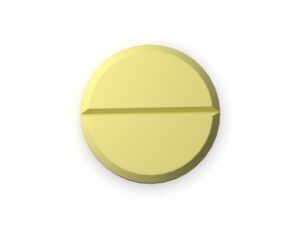

Demadex (Torsemide) – Patient Information
Demadex contains torsemide, a medicine used to treat swelling (fluid retention) caused by certain medical conditions. It helps your body get rid of excess water and salt through the kidneys. This can relieve symptoms such as breathlessness, leg swelling, and fluid build-up.
This page explains how Demadex works, when and how it is usually taken, important safety information, possible interactions (including food and alcohol), and practical tips for day-to-day use in the UK.
Quick product facts
| Information | Details |
|---|---|
| Active ingredient | Torsemide (loop diuretic) |
| Brand name | Demadex |
| Medicine type | Diuretic (“water tablet”) |
| Typical form | Tablet (strengths may vary by market availability) |
| Common uses | Fluid retention in heart failure and other causes of oedema |
| How it works | Increases urine production by blocking sodium reabsorption in the kidney |
| Key monitoring | Blood pressure, kidney function, and electrolytes (e.g., potassium) |
What is Demadex?
Demadex is the brand name for torsemide, a loop diuretic. Diuretics increase how much water and salt your kidneys remove in your urine. For many people, this reduces the swelling of tissues (oedema) and helps ease symptoms related to fluid build-up.
Demadex is commonly used for oedema (fluid retention) associated with conditions such as heart failure. It may also be used for other forms of fluid retention depending on clinical judgement and local practice.
How Demadex works (mechanism of action)
Torsemide is a loop diuretic. It works in the kidney, specifically in the loop of Henle, where it blocks the sodium–potassium–chloride (Na-K-2Cl) transporter. When this transporter is inhibited, less sodium and chloride are reabsorbed into the bloodstream, which leads to:
- More sodium and water remaining in the urine → increased urine output
- Reduced fluid volume in the body → less swelling and congestion
- Changes in electrolyte balance, because salts are also lost in urine
By reducing fluid retention, Demadex can improve breathing comfort, reduce swelling in the legs or abdomen, and lessen strain on the heart in people with appropriate underlying disease.
Pharmacokinetics (how your body handles torsemide)
“Pharmacokinetics” describes how the medicine is absorbed, distributed, metabolised, and eliminated. While individual responses vary, the following points are useful for understanding general behaviour of torsemide:
- Absorption: Torsemide is absorbed from the gut after you take it by mouth.
- Onset and duration: Diuretic effects typically start within the first hours after a dose. The medicine’s action can last longer than some other loop diuretics, which may influence dosing time (often taken in the morning to reduce night-time urination).
- Distribution: It distributes into body fluids and tissues where it can act on the kidneys.
- Metabolism and excretion: Torsemide and its metabolites are eliminated mainly through the kidneys and other pathways. Kidney function is therefore important for safe use.
- Electrolyte effects: Because it affects salt handling in the kidney, it can change levels of potassium, sodium, magnesium, and others.
Your clinician may check blood test results regularly—especially if you have chronic kidney disease, are elderly, or take medicines that affect potassium or kidney function.
Typical uses and indications in the UK
In the UK, torsemide (Demadex) is used to treat oedema and fluid retention, including when fluid accumulates due to:
- Congestive heart failure / heart failure with fluid overload
- Other conditions causing oedema, as determined by your healthcare professional
The exact suitability of Demadex depends on your medical history, kidney function, blood pressure, and the reason for fluid retention.
Timing: when to take Demadex
A key practical consideration with diuretics is when you take your dose. Because they increase urine output, taking them late in the day can cause disruptive night-time urination.
- Common approach: Many people take torsemide in the morning.
- If more than one dose is needed: doses are often spaced to minimise night-time effects (your prescriber’s schedule should be followed).
- Try to take at the same times daily to keep symptom control consistent.
If you are unsure about your schedule, speak to your pharmacist or healthcare professional.
How to take Demadex (dosing information)
Dosing of torsemide varies depending on the condition being treated, the severity of fluid retention, and how well your kidneys are working. Your clinician may adjust the dose based on response and blood test results.
Important: Always follow the directions provided for you.
Typical dose ranges (general information)
While individual dosing is tailored, torsemide regimens in clinical practice commonly involve starting with a modest dose and adjusting as needed. Dose adjustments are often based on:
- How much fluid is reducing (symptoms and body weight)
- Blood pressure
- Kidney function (creatinine/eGFR)
- Electrolytes (especially potassium)
If your dose needs changing, it may be done gradually to reduce the risk of sudden electrolyte imbalance or dehydration.
Missed dose
- If you miss a dose, take it as soon as you remember on the same day unless it is close to the next dose.
- If it is almost time for the next dose, skip the missed dose.
- Do not take a double dose to make up for the missed one.
Food interactions and eating habits
Demadex can generally be taken with or without food. However, certain dietary and lifestyle factors can influence fluid balance and electrolyte levels:
- Salt (sodium) intake: High salt intake can make fluid retention worse and may reduce the effectiveness of diuretics.
- Potassium-rich diet: Because torsemide can lower potassium in some people, a diet that includes potassium-rich foods may be considered. However, dietary advice must be tailored—especially if you have kidney disease, because high potassium can be dangerous.
- Consistency: Try to keep your diet pattern consistent day to day so your symptoms remain stable.
If you have been advised to follow a fluid or salt restriction, follow those instructions closely.
Alcohol and medicine interactions
Alcohol
Alcohol can worsen dizziness and low blood pressure, particularly when combined with diuretics that reduce fluid volume. It may also contribute to dehydration and increase the risk of falls.
- Use caution with alcohol, especially if you feel light-headed.
- Consider limiting alcohol and ensure you remain well hydrated within your personalised guidance.
Important medicine interactions
Torsemide can interact with other medicines, mainly through effects on kidney function and electrolytes, or via changes in blood pressure. Always inform your healthcare professional about all medicines you take, including over-the-counter products and herbal remedies.
Examples of common interaction areas include:
- Other blood pressure medicines (antihypertensives): can increase the risk of low blood pressure (dizziness, fainting).
- Medicines that affect potassium: torsemide may lower potassium; some medicines raise potassium. Together, they may affect heart rhythm and muscle function.
- Non-steroidal anti-inflammatory drugs (NSAIDs) (e.g., ibuprofen, naproxen): may reduce diuretic effect and can affect kidney function, especially in people with dehydration or kidney disease.
- Lithium: torsemide can raise lithium levels, increasing toxicity risk.
- Digoxin: potassium changes can increase sensitivity to digoxin, raising risk of side effects.
- Medicines affecting kidney circulation or blood volume (depending on your regimen): may alter risk of kidney injury.
- Diabetes medicines: changes in hydration and glucose can indirectly affect blood sugar control.
This is not a complete list. Your pharmacist can help check interactions for your specific medicines.
Safety profile: side effects and when to seek help
Like all medicines, Demadex can cause side effects. Many are related to its effect on fluid and electrolytes. Most people tolerate torsemide well with appropriate monitoring, but you should be aware of warning signs.
Common or expected effects
- Increased urination (usually soon after taking a dose)
- Dehydration if urine output is excessive
- Electrolyte changes, such as low potassium (may cause cramps or weakness)
- Lower blood pressure, sometimes causing dizziness on standing
Less common but important side effects
- Muscle cramps or weakness (possible low potassium or magnesium)
- Headache or feeling unusually tired
- Kidney function changes (especially with dehydration or existing kidney disease)
Seek urgent medical help if you have
- Fainting or severe dizziness
- Severe weakness or confusion
- Irregular or very fast heartbeat
- Signs of severe dehydration (very dry mouth, reduced urination, extreme thirst)
- Allergic symptoms such as swelling of the face/lips or difficulty breathing
If you are ever concerned about side effects, contact your healthcare professional promptly.
Special groups needing extra care
- Older adults: higher risk of low blood pressure, dehydration, and electrolyte problems.
- People with kidney impairment: monitoring is essential.
- People prone to low potassium or low sodium.
- People with diabetes or heart rhythm issues.
Practical use tips (making Demadex work for you)
1) Monitor symptoms and weight
For many people using a diuretic for fluid overload, daily monitoring helps identify changes early. Consider tracking:
- Body weight (often in the morning, after using the toilet, before eating)
- Swelling in legs/ankles
- Breathing comfort and ability to lie flat
Ask your clinician what weight change should trigger contact (this varies by condition).
2) Prevent dehydration
- Take doses at appropriate times (often morning) to reduce night-time disruption.
- Ensure you follow any personal guidance on fluid intake.
- Report persistent dizziness, marked weakness, or very low urine output.
3) Arrange blood tests
Regular blood tests may be used to check:
- Kidney function
- Electrolytes (especially potassium, sodium, magnesium)
- Blood pressure and overall tolerance
4) Stand up slowly
If you feel light-headed when getting up, rise slowly from sitting or lying positions. This helps reduce the risk of falls.
5) Keep a medicine list
Carry a list of all your medicines (including over-the-counter and herbal products). This supports safe checking for interactions, particularly with NSAIDs and other medicines that affect electrolytes.
Alternative options
There are other medicines and approaches for managing fluid retention. Alternatives may include:
Other loop diuretics
- Furosemide
- Bumetanide (where available)
Other diuretic types
- Thiazide-type diuretics (sometimes used in combination in selected patients)
- Potassium-sparing diuretics (may help reduce potassium loss in some regimens)
In some cases, medication choice depends on kidney function, response, side effects, and patient preferences. Non-drug measures—such as controlling salt intake, managing fluid balance, and treating the underlying cause—are also important.
UK market and legal context (pharmacy availability)
Demadex (torsemide) is a regulated prescription-only medicine in the UK. Availability can depend on formulation and strength. Online pharmacies in the UK typically supply medicines in line with UK regulatory requirements and pharmacy standards, including appropriate patient checks and dispensing processes.
If you are ordering online, ensure your details are correct and that you provide any requested information needed to support safe supply. You may also be asked about allergy history, current medicines, and relevant medical conditions.
UK healthcare guidance emphasises safe use of diuretics, including monitoring of electrolytes and kidney function, particularly in people with comorbidities.
Recent guidance and monitoring considerations
Clinical practice in the UK continues to stress careful monitoring when using loop diuretics, especially in heart failure and oedema management. This includes:
- Regular review of blood results (kidney function and electrolytes)
- Assessing blood pressure and symptoms to avoid dehydration or hypotension
- Checking interacting medicines (e.g., NSAIDs) that can affect kidney function or diuretic response
- Individualised dosing strategies based on symptom control and laboratory findings
If you have heart failure, follow any monitoring plan recommended by your care team. If you notice worsening symptoms, contact your clinician promptly.
Delivery and availability
Online pharmacies in the UK often offer home delivery for medicines, subject to product availability and standard pharmacy fulfilment processes. Delivery options and times can vary by provider, postcode, and stock level.
- Stock status: Some strengths or pack sizes may occasionally be temporarily unavailable.
- Packaging: Medicines are typically dispatched in protective packaging to prevent damage.
- Cold chain: Torsemide tablets generally do not require refrigeration.
If your preferred pack size is not available, your pharmacy may contact you to confirm alternatives or dispatch timing (where permitted by regulations).
FAQ – Demadex (Torsemide)
1) How soon will Demadex start working?
Torsemide usually begins to increase urine output within a few hours after taking it. The exact timing and strength of effect can vary between individuals.
2) Why do I feel dizzy after taking it?
Dizziness may occur if your blood pressure drops or if you become slightly dehydrated. This is more likely when you stand up quickly, in hot weather, or if your fluid intake is insufficient. If symptoms are persistent or severe, seek medical advice.
3) What should I do if I need to urinate very often?
Increased urination is expected. However, if you feel unwell, overly weak, or you are struggling to keep up with fluids within your guidance, contact your healthcare professional. Taking doses earlier in the day may also help reduce night-time disruption.
4) Can I take Demadex with food?
Yes, it can usually be taken with or without food. Try to take it consistently at the same time each day to help maintain predictable symptom control.
5) Are there foods I should avoid?
In general, limiting high salt intake can support fluid control. If you are advised to manage potassium or fluid intake, follow the specific plan given to you by your clinician or dietitian.
6) Does Demadex affect potassium?
Torsemide can lower potassium in some people. This is why electrolyte monitoring (often including potassium) may be required. Your clinician may recommend dietary adjustments or medicines to help maintain balance if needed.
7) Can I take ibuprofen or other painkillers?
NSAIDs such as ibuprofen can interact with diuretics and may affect kidney function or reduce diuretic effectiveness. Check with your pharmacist or clinician before using NSAIDs regularly. For occasional use, advice may still differ based on your kidney function and overall health.
8) Is it safe to drink alcohol?
Alcohol may increase dizziness and dehydration risk when taking diuretics. Use caution, consider reducing your intake, and seek advice if you feel light-headed.
9) What happens if I miss a dose?
Take it as soon as you remember on the same day unless it’s almost time for the next dose. If close to the next dose, skip it. Do not take a double dose.
10) Are there alternatives to Demadex?
Yes. Other diuretics (including other loop diuretics or different classes of water tablets) may be considered depending on your condition, kidney function, and side effect history.
11) Who should be extra careful when taking torsemide?
Extra care is often needed in older adults, people with kidney impairment, people with electrolyte problems, and those taking interacting medicines. Regular monitoring and prompt reporting of symptoms are important.
Final reminders
Demadex (torsemide) can be an effective treatment for fluid retention, helping to reduce swelling and relieve symptoms. For safe and effective use, it’s important to:
- Take your doses at the right time (often morning)
- Stay alert to symptoms of low blood pressure or dehydration
- Attend recommended blood tests for kidney function and electrolytes
- Check interactions, especially with NSAIDs and medicines that affect potassium
If you have questions about your specific situation—such as diet, monitoring, or interactions—speak with a healthcare professional or pharmacist.