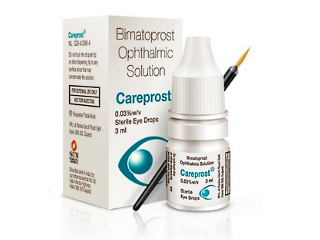
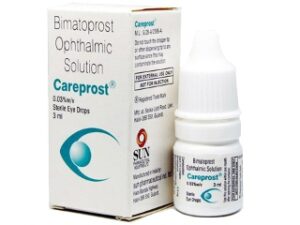
Careprost + Applicators (Bimatoprost) – Patient Information (UK)
Careprost + Applicators contains bimatoprost, a medicine used to help reduce the appearance of lack of eyelash fullness. It is commonly used to stimulate the growth of eyelashes and to improve their overall look.
This page explains how Careprost works, how it is typically used, and important safety information for people in the United Kingdom.
Quick overview
- Active ingredient: Bimatoprost
- Common use: To improve the appearance of eyelashes (length, thickness and darkness)
- Form: Eye drops/solution applied with dedicated applicators
- Typical schedule: Once daily, usually in the evening
- Key risks: Eye redness/irritation, dryness, itching, changes around the eyes, and rare changes in iris colour
What is Careprost + Applicators?
Careprost + Applicators is a product that includes bimatoprost and specially designed applicators to make it easier to apply the solution along the upper eyelash line. It is intended for use on the eyelashes and should not be used as a treatment for eye conditions unless directed by a healthcare professional.
In the UK, many people seek treatments to enhance eyelashes for cosmetic reasons. Bimatoprost is a prostaglandin analogue. Products containing bimatoprost are regulated medicines and the availability may depend on licensing status and supply channels.
How bimatoprost works (mechanism of action)
Bimatoprost is a prostaglandin analogue that affects cellular pathways involved in the eyelash growth cycle.
While the exact mechanism in eyelashes is still being studied, bimatoprost is believed to:
- Extend the anagen (growth) phase of hair follicles
- Increase the number and activity of hair follicles
- Promote eyelash characteristics such as length, thickness, and darkness
As a result, repeated daily use can gradually improve the appearance of eyelashes over time.
Pharmacokinetics (how the body handles it)
After application to the eyelash area, only a small amount is expected to enter the bloodstream. Most effects are local.
- Absorption: Minimal systemic absorption is expected when used correctly on the eyelid/eyelash line.
- Distribution: Bimatoprost may distribute to tissues, but systemic exposure is generally low.
- Metabolism: It is metabolised primarily in the body (including through enzymatic pathways).
- Elimination: Metabolites are mainly eliminated through urine and bile/feces.
Practical takeaway: Because systemic absorption is limited, most side effects relate to the eye and surrounding skin rather than whole-body effects.
What is it used for?
In everyday use, Careprost + Applicators is used to improve the appearance of eyelashes in adults.
Indication (typical cosmetic use): Helps eyelashes look more fuller, often described as increased length, thickness, and darkness.
Do not use on eyebrows or other facial hair unless specifically advised. Applying it to other areas may increase the risk of unwanted side effects, such as pigmentation changes.
When should you use it? (timing & routine)
Careprost + Applicators is usually used once daily, most commonly in the evening.
- Choose a consistent time each day (for example, after evening routines).
- If you miss a dose, use it the next evening—do not double the dose.
- Use it only on the upper eyelash line unless your clinician has instructed otherwise.
How long does it take to work? Results are gradual. Many people notice subtle changes within 4–8 weeks, with fuller effects often by around 3–4 months. Effects generally decrease after stopping, because eyelashes return to their baseline growth cycle.
Dosing: how to apply Careprost + Applicators
Always follow the instructions provided with your product and any advice from a healthcare professional. The sections below describe common use patterns.
Typical dose
- Adults: Apply once daily to the upper eyelash line of each eye.
- One drop/application per eye area: Use the applicator as directed and avoid excess solution.
Step-by-step practical application tips
- Wash and dry your hands.
- Remove contact lenses (if you wear them). Put lenses back on only if and when it is safe and recommended for your product. If you are unsure, ask a pharmacist.
- Keep the applicator tip clean and avoid touching the eye surface.
- Using the applicator, apply along the base of the upper eyelashes (the eyelash line), making sure the solution is targeted and not running down onto the eyelid skin excessively.
- Close your eye gently for a moment to reduce the risk of the liquid spreading.
- If your product instructions allow, wipe away excess carefully with clean tissue.
- Replace the cap and store correctly.
Important: Avoid getting the solution in your eyes more than intended. Contact with the cornea may cause irritation. If you feel significant pain, burning, or blurred vision, stop and seek advice promptly.
Food interactions
No specific food interactions are expected because bimatoprost is applied locally to the eyelash line with low systemic absorption. However:
- There are no known dietary restrictions typically required for this medicine.
- If you are taking multiple medicines, consider discussing them with a pharmacist if you have a history of sensitivity to medicines.
Alcohol and medicine interactions
Alcohol: There are no established direct interactions between alcohol and topical bimatoprost. Because systemic exposure is low, effects are unlikely. Still, alcohol can worsen dryness and irritation in some people, potentially making eye symptoms feel worse.
Other medicines: No major interactions are commonly expected for eyelash application. However, interactions may occur indirectly if other eye treatments are used at the same time.
- If you use other eye drops, use them at different times and allow sufficient spacing between products.
- Tell your pharmacist or clinician about any ongoing eye drops, eye ointments, or facial products applied near the eyes.
- Be cautious with medicines that affect eye pressure or the prostaglandin group—discuss with a professional if you have glaucoma or ocular hypertension.
Tip: Keep a list of your medicines and bring it when seeking advice for any persistent side effects.
Safety profile: common and serious side effects
Most side effects are mild and related to the eye area. As with all medicines, stop using it and seek medical advice if you experience severe or persistent problems.
Common side effects
- Redness of the eye
- Itching or mild irritation
- Dry eyes or a gritty feeling
- Watery eyes
- Skin darkening around the eyelids (may be temporary; sometimes can persist)
- Increase in fine eyelash hair in treated areas
Less common but important risks
- Iris colour change (typically involving increased pigmentation) in some individuals
- Periorbital skin changes (skin around the eyes)
- Changes in eyelash growth pattern (including lashes growing in undesired directions)
- Headache in some people
Seek urgent advice if you get
- Severe eye pain
- Significant swelling of eyelids
- Blurred or worsening vision
- Allergic reaction (such as rash, facial swelling, trouble breathing)
- Signs of infection (e.g., increasing discharge, marked redness with pain)
Who should take extra care?
- People with eye disease (e.g., uveitis, some inflammatory eye conditions)
- Those who have had previous eye surgery or corneal issues
- People prone to allergies affecting the eyes or eyelids
- If you wear contact lenses, follow lens-related safety instructions closely
Practical use tips to reduce side effects
- Target the lash line only: Excess application to the eyelid skin can increase the chance of local pigmentation changes.
- Maintain hygiene: Don’t contaminate the applicator tip with eye secretions. Replace applicators if the product design allows.
- Be consistent: Missing doses slows results; doubling doses increases irritation risk.
- Avoid rubbing your eyes after application, especially if you feel mild irritation.
- Use proper storage: Keep tightly closed and store according to the label. Keep away from children.
- Stop and seek advice if symptoms worsen or last beyond a short adjustment period.
Alternative options
If you are considering Careprost + Applicators but want other approaches, options may include:
- Other prescription or licensed eyelash treatments (availability varies in the UK; discuss with a healthcare professional).
- Non-medicinal lash serums and cosmetic products (results are usually more subtle and not medicine-based).
- Lash conditioning products designed to improve appearance without the same risks as medicines.
- Professional lash treatments (e.g., tinting or extensions) for a more immediate cosmetic effect.
Important: Be cautious with products marketed for lash growth that do not clearly state their ingredients and safety information, especially those obtained from unofficial sources.
UK market & legal context (what to expect)
In the UK, medicines and medical products are regulated to ensure quality, safety, and consistent labelling. The availability of bimatoprost-containing products may depend on licensing status and supply arrangements.
When ordering online in the UK, look for:
- Clear product labelling (active ingredient, strength, form, and instructions)
- Reputable retailer information and delivery terms
- Where appropriate, guidance on safe use and contraindications
If you are unsure whether a particular product is suitable for you, consider speaking to a pharmacist or a healthcare professional—particularly if you have eye conditions or take other eye medications.
Recent guidance & responsible use (general)
General safety themes commonly stressed by eye health professionals include:
- Use exactly as directed to reduce the risk of unwanted pigmentation and irritation.
- Be alert to eye redness, pain, or vision changes.
- Avoid using on other areas (such as eyebrows) unless specifically advised.
- Keep contact with other eye treatments separated by time if you use them.
Note: Guidance can evolve. If you have concerns or your symptoms change, seek up-to-date advice from a pharmacist or optometrist.
Delivery and availability in the United Kingdom
Careprost + Applicators availability online can vary depending on stock and supplier. When purchasing, check:
- Estimated delivery times at checkout
- Delivery area coverage (UK mainland vs. Scottish islands/other areas)
- Packaging quality and whether tracking is offered
- Expiry date information when shown
Storage on arrival: Store the medicine as directed on the packaging, typically at controlled room temperature and protected from heat and moisture.
If the product is out of stock, reputable retailers may offer restock alerts or alternative options.
Summary table: key points at a glance
| Topic | What to know |
|---|---|
| Active ingredient | Bimatoprost |
| Typical use | Helps improve the appearance of eyelashes |
| How often | Once daily (commonly evening) |
| Application | Target the upper eyelash line using the applicator |
| How fast it works | Often gradual: subtle change in weeks; fuller results around 3–4 months |
| Food interaction | No specific interactions expected |
| Alcohol interaction | No direct interaction expected; may worsen dryness/irritation |
| Main risks | Eye redness/irritation; local skin changes; rare iris pigmentation change |
| When to seek help | Severe pain, vision changes, significant swelling, suspected allergy/infection |
FAQ
1) How long does it take to see results?
Results are typically gradual. Some people notice changes within 4–8 weeks, while more noticeable fullness often occurs by about 3–4 months. If you stop using the product, the effect usually diminishes over time.
2) Can I use Careprost on my lower lashes or eyebrows?
Use as directed for upper eyelash application. Applying it to other areas increases the risk of unwanted skin pigmentation and may cause irritation. If you want to use it on eyebrows or lower lashes, consult a pharmacist or healthcare professional first.
3) What should I do if I miss a dose?
Use it on the next evening as normal. Do not double the dose to make up for a missed application.
4) Is it safe if I wear contact lenses?
Many bimatoprost products recommend removing contact lenses before application and waiting before reinserting. Follow the product instructions. If you experience irritation, consider switching to glasses until symptoms settle and speak to a pharmacist.
5) Will it change my eye colour?
Rarely, bimatoprost can cause changes in iris pigmentation (often a darker tone). This is uncommon but important to be aware of. If you notice changes in eye colour or symptoms persist, seek advice.
6) What side effects are most common?
The most common are eye redness, itching or mild irritation, dry or watery eyes, and sometimes skin darkening around the eyelids.
7) Can I use moisturiser or makeup after applying it?
Allow the area to settle after application. Avoid getting products directly into the eye. If your eyes feel irritated, consider delaying makeup until symptoms improve.
8) Can I use other eye drops with Careprost?
You may be able to, but timing matters. If you use other eye drops/medicines, space them out and ask a pharmacist for advice to reduce irritation and ensure correct use.
9) What if I accidentally get it in my eye more than intended?
Rinse gently with sterile saline or clean water if the product instructions advise rinsing. If you have significant pain, worsening redness, discharge, or blurred vision, stop using it and seek urgent advice.
10) How should I stop using it?
You can usually stop without a taper. If you stop, lash appearance typically returns towards baseline over time. If you have any concerns or ongoing symptoms, speak to a pharmacist.
Disclaimer: This information is for general guidance. Individual suitability can depend on medical history, current eye health, and other medicines. If you have any doubts—especially if you have eye inflammation, glaucoma/ocular hypertension, or previous eye surgery—consult a healthcare professional.