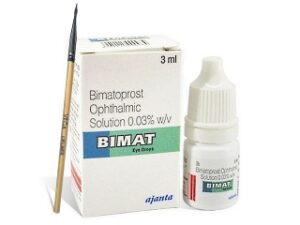
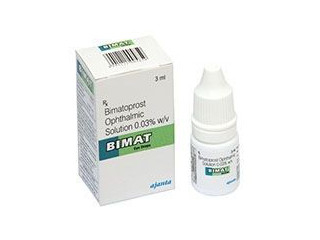
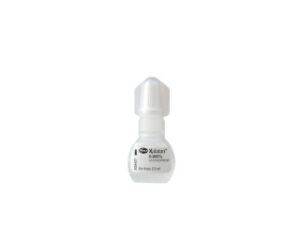
Bimat + Applicators (Bimatoprost) – Patient Information (UK)
Bimat + Applicators is a medicine containing bimatoprost. It is used in specific eye conditions as well as, in some situations, to help reduce the pressure inside the eye. This page explains how bimatoprost works, how it is used, what to expect, and important safety information for people in the United Kingdom.
Please read this information carefully and follow the instructions provided with your medicine and by your healthcare professional.
Key product details
- Active ingredient: Bimatoprost
- Brand example: Bimat + Applicators
- Presentation: Topical eye drops/ophthalmic solution or applicator system (depending on the specific product pack)
- Common purpose: Lowering elevated intraocular pressure (IOP) and treating certain eye conditions
- Where used: Eyes (ophthalmic use)
Note: Different packs may have different applicator designs or dosing routines. Always use the applicators exactly as described for your particular product.
How bimatoprost works (mechanism of action)
Bimatoprost belongs to a group of medicines known as prostaglandin analogues (and related agents). It helps lower eye pressure by increasing the outflow of aqueous humour—the fluid inside the eye—thereby reducing intraocular pressure.
In simple terms:
- Bimatoprost helps the eye drain fluid more effectively.
- Less fluid builds up, so intraocular pressure falls.
- Lower pressure helps reduce risk of damage to the optic nerve in conditions such as glaucoma and ocular hypertension.
What it is used for (indications)
Bimatoprost is used in adults to treat:
- Open-angle glaucoma
- Ocular hypertension (when eye pressure is higher than normal)
- Ocular conditions where reducing intraocular pressure is clinically appropriate
Important: Whether bimatoprost is suitable for you depends on your diagnosis, eye measurements, and medical history. If you are unsure why you were given this medicine, ask your pharmacist or optometrist/doctor.
How to use Bimat + Applicators (typical dosing & timing)
Follow your local instructions and the leaflet inside your pack. A common regimen for bimatoprost is:
- Once daily administration to the affected eye(s)
- Usually in the evening, because many prostaglandin-like treatments are taken at night to match typical clinical scheduling and to help routine adherence
Typical timing (general guidance):
- Choose a consistent time each day (often evening).
- If your clinician suggested a specific schedule, follow that schedule.
How to apply (practical steps):
- Wash your hands.
- Check the applicator/solution expiry and appearance.
- Look up and gently pull down the lower eyelid to create a small pocket.
- Apply the prescribed amount into the conjunctival sac (the space between the eyelid and the eye).
- Close your eye gently and keep it closed for about 1–2 minutes.
- Optional but helpful: press lightly on the inner corner of the eye (near the nose) for about 1 minute to reduce drainage into the tear duct.
- Wipe away any excess solution with a clean tissue.
- Do not touch the dropper/applicator tip to your eye or eyelashes.
If you miss a dose:
- Apply it as soon as you remember if it is still the same day.
- If it is close to the next scheduled dose, skip the missed dose.
- Do not use double the amount to make up for a missed dose.
If you use other eye medicines:
- Wait at least 5 minutes between different eye drops, unless your clinician advises otherwise.
- Use ointments last if you use them (eye ointments can affect how drops spread).
Pharmacokinetics: absorption, distribution, and elimination (overview)
Pharmacokinetics describes what happens to a medicine in the body. For ophthalmic bimatoprost:
- Absorption: After application to the eye, bimatoprost can be absorbed through ocular tissues. The systemic exposure is generally low compared with many oral medicines.
- Distribution: It primarily acts locally in the eye to reduce intraocular pressure. Small amounts may reach the bloodstream.
- Metabolism: Bimatoprost is metabolised in the body, including by common pathways for steroid-related molecules and related metabolites.
- Excretion: Metabolites are eliminated mainly through the kidneys and other routes.
Clinical meaning for patients: Because systemic levels are usually low, most side effects are local (eye-related). However, it is still important to report unusual symptoms and to follow dosing instructions.
Food interactions
Because bimatoprost is an eye medicine, interactions with food are generally not expected. Unlike oral medications, the drug is applied locally to the eye, and significant dietary effects are unlikely.
Practical advice:
- You may take your meals normally.
- There is no typical requirement to avoid specific foods when using bimatoprost eye drops.
Alcohol interactions
There is no widely recognised direct alcohol interaction with bimatoprost for typical eye-drop use. Since systemic absorption is low, alcohol is unlikely to significantly affect medicine levels.
Still, consider this:
- If you notice dizziness, blurred vision, or discomfort after using your drops, avoid alcohol until you understand how you respond.
- If you have liver disease or take multiple medicines, discuss your overall safety with a healthcare professional.
Medicine interactions (including other eye medicines)
Other eye drops and ointments:
- Multiple eye medications can be used, but correct spacing is important (often 5 minutes between products).
- Do not combine two medicines into the same drop bottle unless instructed.
Systemic medicines:
- Because systemic exposure from ophthalmic bimatoprost is low, significant drug-drug interactions are not commonly expected.
- However, your overall medication list should be reviewed by a clinician or pharmacist if you take medicines that affect the immune system, bleeding risk, or eye inflammation.
Tell your pharmacist/doctor if you use:
- Other glaucoma medicines (especially if changes are planned)
- Anti-inflammatory drops (e.g., steroids or NSAID eye drops)
- Any medicines that cause eye dryness or inflammation
Safety profile: common, serious, and when to seek help
Like all medicines, bimatoprost can cause side effects. Many are mild and improve with continued use.
Common side effects
- Redness of the eye
- Itching or irritation
- Dry eye or a gritty feeling
- Increased tear production in some people
- Temporary burning or stinging after application
- Changes around the eyelashes, such as increased length/thickness
- Skin darkening around the eyelids in some individuals (local pigmentation change)
- Some people notice darker colouring of the iris (usually gradual)
Less common but important eye effects
- Swelling of the eyelids or eye surface
- Eye pain or increased sensitivity to light
- Visual symptoms such as blur that do not settle quickly
Serious side effects—seek urgent advice
Contact urgent care or seek immediate medical attention if you experience:
- Severe eye pain
- Marked vision changes
- Severe redness with symptoms of infection
- Allergic-type swelling (face/lips/eyelids) or difficulty breathing
- Signs of significant inflammation (e.g., severe photophobia and worsening discomfort)
Who should use caution?
Discuss with a clinician before using bimatoprost if you have:
- Past eye inflammation (uveitis)
- Eye surgery or known risk factors involving the cornea
- Conditions affecting the cornea (e.g., corneal thinning/ulcers)
- Severe dry eye symptoms
Contact lens wearers: Remove contact lenses before application. Wait before reinserting (often about 15 minutes unless your product leaflet states otherwise). This helps prevent irritation and reduces risk from preservatives.
Practical use tips (to improve comfort and results)
- Consistent timing: Using it around the same time each day improves treatment consistency.
- Don’t overuse: More frequent dosing does not usually improve results and may increase side effects.
- Prevent contamination: Avoid touching the applicator tip to the eye.
- Manage stinging: If you feel burning, gently close your eyes after application and avoid rubbing.
- Check your technique: Misplacing drops on the wrong part of the eye can reduce effectiveness.
- Be mindful of pigmentation changes: Eyelash and eyelid pigmentation changes are sometimes permanent; discuss concerns with your clinician.
- Report unusual symptoms: Persistent pain, redness that worsens, or vision changes should be assessed promptly.
Alternative options for lowering eye pressure
If bimatoprost is not suitable or side effects are troublesome, there are other treatment options that a clinician may consider. Alternatives may include:
- Other prostaglandin analogues (similar mechanism, different active ingredients)
- Beta-blocker eye drops (reduce production of aqueous humour)
- Alpha-agonists (reduce fluid production and increase outflow)
- Carbonic anhydrase inhibitors (reduce aqueous humour production)
- Combination eye drops (two medicines in one bottle for dosing convenience)
- Laser or surgical options for some people where medicines are insufficient
Your eye specialist or pharmacist can advise on the most appropriate alternative based on your specific glaucoma/ocular hypertension type, eye surface health, and overall medical history.
United Kingdom market, legal and guidance context
In the UK, medicines are regulated and monitored under the medicines framework. Eye medicines for glaucoma and ocular hypertension are used widely in accordance with clinical standards and prescribing guidance. Your ongoing care typically includes:
- Regular eye pressure checks (intraocular pressure measurements)
- Optic nerve monitoring and visual field testing where appropriate
- Review of adherence and side effects
Recent guidance (general): UK clinical practice continues to emphasise:
- Early treatment for people with confirmed glaucoma/raised risk
- Medication adherence and correct instillation technique
- Monitoring for side effects, including ocular surface changes
- Personalised selection of therapy based on effectiveness, tolerability, and comorbidities
Note: Specific product eligibility (such as age limits or whether a given formulation is intended for eyelash use versus pressure reduction) depends on the exact product licence and indications. Always check the pack instructions for your specific medicine.
Delivery and availability in the UK
Online pharmacy availability varies by supplier and regulatory requirements. When purchasing Bimat + Applicators (bimatoprost), you can typically expect:
- Pharmaceutical-grade product supplied in original packaging
- Secure delivery with tracking options depending on the service level
- Temperature and handling appropriate for ophthalmic products
Stock availability: Popular eye medicines can sometimes sell out. If the product is unavailable, an alternative similar therapy may be offered where appropriate by pharmacy staff.
Packaging: Check the outer packaging for tamper evidence and confirm expiry date before use.
Frequently asked questions (FAQ)
1) Is Bimat + Applicators the same as bimatoprost eye drops?
Yes—Bimat + Applicators is a brand name that contains bimatoprost. However, the exact application method (applicators vs bottle drops) can differ by pack. Use the instructions for your specific product.
2) When will my eye pressure start to improve?
Many people see pressure-lowering effects within the first days, but monitoring and assessment are usually based on scheduled follow-ups with your eye care professional. Keep using it daily unless advised otherwise.
3) Can I stop using bimatoprost once I feel better?
No. Glaucoma and ocular hypertension often do not cause symptoms. Even if you feel fine, the pressure may remain high without treatment. Stopping can increase risk to the optic nerve.
4) Will my eyelashes definitely become longer or darker?
Some people experience eyelash changes and increased pigmentation. Not everyone will. If you notice changes and find them unacceptable, speak to your clinician about alternatives.
5) Can I use it in both eyes?
Use it only for the eyes prescribed. Some people receive treatment in one eye, others in both. Follow your treatment plan.
6) What should I do if I accidentally get the drop in my mouth or swallow it?
Accidental swallowing of a small amount is unlikely to cause serious harm, but rinse your mouth with water. If you feel unwell or have concerns, seek advice from a healthcare professional or pharmacist.
7) Are preservatives a concern?
Many eye-drop products contain preservatives to maintain sterility. If you have significant dry eye or sensitivity, your pharmacist can advise on preservative-free options if appropriate.
8) What if I develop redness after starting treatment?
Mild redness can occur. However, worsening redness, significant pain, discharge, or vision changes should be assessed promptly to rule out infection or significant inflammation.
9) Can I wear contact lenses while using bimatoprost?
In general, you should remove contact lenses before instilling the drops and wait before reinserting. Follow your product leaflet instructions.
10) How should I store bimatoprost?
Store in line with the packaging guidance—commonly at room temperature and protected from excess heat. Keep out of sight and reach of children.
Quick reference table: important patient points
| Topic | What to know |
|---|---|
| Active ingredient | Bimatoprost |
| Main purpose | Helps reduce intraocular pressure by improving outflow of eye fluid |
| Typical frequency | Usually once daily |
| Typical timing | Often in the evening (consistent daily timing is important) |
| Food interactions | Not expected to be significant |
| Alcohol interactions | Not commonly expected; seek advice if you experience side effects |
| Common side effects | Redness, irritation, dryness, burning/stinging; possible eyelash/eyelid pigmentation changes |
| Seek urgent help if | Severe pain, significant vision changes, severe inflammation/redness, allergic swelling, breathing difficulties |
Disclaimer: This information is intended to support patient understanding and is not a substitute for advice from a healthcare professional. Always refer to the patient leaflet supplied with your medicine for the most accurate instructions specific to your product pack.