
Atomoxetine (Atomoxetine Hydrochloride) – Patient-Friendly Guide (UK)
Atomoxetine is a non-stimulant medicine used to treat attention deficit hyperactivity disorder (ADHD) in children, adolescents, and adults. It helps improve attention, focus, and impulse control. This guide explains how atomoxetine works, how it is taken, key safety points, and practical considerations for everyday life in the United Kingdom.
Basic product information
| Feature | Details |
|---|---|
| Generic name | Atomoxetine (atomoxetine hydrochloride) |
| Medicinal use | ADHD (attention deficit hyperactivity disorder) |
| Type | Non-stimulant, selective noradrenaline reuptake inhibitor |
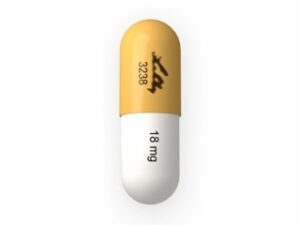
| How it’s usually taken | Oral capsules (strengths vary by product) |
| Typical dosing schedule | Once daily or split into morning/evening depending on total daily dose |
| Common onset | Some benefit may begin within days, but full effect often takes several weeks |
Atomoxetine is available in the UK under different brand names and strengths. Product appearance and dosing instructions can vary by brand. Always use the specific pack information provided with your medicine.
How atomoxetine works (mechanism of action)
Atomoxetine is a selective noradrenaline reuptake inhibitor. In simple terms, it helps increase the amount of noradrenaline (also called norepinephrine) available in certain brain circuits. Noradrenaline plays an important role in attention, impulse control, and executive function.
- Selective action: Atomoxetine primarily affects noradrenaline reuptake transporters.
- Non-stimulant profile: It does not work like traditional stimulant ADHD medicines.
- Steady improvement: Clinical benefits often develop gradually as the brain adapts over time.
Pharmacokinetics: what the body does with atomoxetine
Understanding pharmacokinetics can help you appreciate why dosing schedules are important and why missed doses matter. Key points include absorption, metabolism, and how the body clears the medicine.
Absorption
After taking atomoxetine by mouth, it is absorbed from the gastrointestinal tract. Peak levels (the highest concentration in the blood) are typically reached within a few hours.
Metabolism
Atomoxetine is mainly metabolised in the liver by an enzyme called CYP2D6. People differ in how quickly they metabolise drugs through CYP2D6 due to genetic variation and medicine interactions. This can affect blood levels and side-effect risk.
- Fast metabolisers may have lower blood levels at the same dose.
- Poor metabolisers may have higher blood levels and may be more prone to side effects.
Elimination
Atomoxetine and its metabolites are eliminated mainly through the kidneys (urine). Because of metabolism and clearance patterns, the effects are generally sustained, supporting once-daily or divided dosing in clinical practice.
Time to steady effect
While some people notice improvement early, atomoxetine often requires several weeks to reach its full therapeutic benefit. This is normal and is one reason structured follow-up matters.
Typical use in the UK
Atomoxetine is used to treat ADHD where non-stimulant treatment is appropriate or preferred. It is commonly considered in situations such as:
- Concerns about stimulant side effects (for example, appetite suppression or sleep disturbance).
- Inadequate response or intolerance to other ADHD medicines.
- A need for a non-stimulant option in a particular patient profile.
Atomoxetine may also be considered when ADHD symptoms coexist with certain conditions, but the best choice depends on individual medical history.
Indications: what it’s used for
In the UK, atomoxetine is indicated for the treatment of ADHD:
- Children (typically from 6 years and above, depending on product authorisation and local clinical practice)
- Adolescents
- Adults
Atomoxetine is intended to help manage core ADHD symptoms, including difficulties with attention, hyperactivity, and impulsivity, and related functional impairments.
How to take atomoxetine: timing and practical routine
Follow the instructions provided with your specific atomoxetine product. Dosing can differ by age, weight, response, and tolerability. Many people take atomoxetine in a consistent daily routine to maintain steady effects.
Morning vs evening dosing
Depending on the total daily dose and your clinician’s advice, atomoxetine may be taken:
- Once daily (often in the morning)
- Twice daily (split into morning and late afternoon/evening)
When to expect improvement
- Early effects: some people notice changes within the first 1–2 weeks.
- Full benefit: frequently takes 3–6 weeks (sometimes longer) at an effective maintenance dose.
- Ongoing review: dose adjustments and monitoring are usually planned over time.
Missed dose
If you miss a dose, take it when you remember unless it’s close to the next scheduled dose. Do not take a double dose to make up for a missed capsule. If you are unsure, check the patient information leaflet for your product or ask a pharmacist.
Food interactions and what to eat
Atomoxetine can usually be taken with or without food. Food does not typically remove the medicine’s effectiveness, but some people find taking it with food reduces stomach discomfort.
- Stomach comfort: If nausea occurs, try taking it with a meal.
- Consistency: Keep your routine similar day to day (same timing with meals if possible).
There are no well-known major “avoid foods” specific to atomoxetine for most patients. However, overall diet and hydration can influence side effects such as appetite changes and constipation.
Alcohol interactions
It’s important to consider alcohol with atomoxetine. While no universal “fatal” interaction applies to all patients, alcohol may worsen side effects such as:
- Drowsiness or dizziness
- Reduced concentration (which can blur ADHD symptom tracking)
- Stomach irritation
If you choose to drink alcohol, do so cautiously and monitor how you feel. If you have liver concerns or abnormal liver tests, be extra careful and seek medical advice.
Medicine interactions (including important CYP2D6 effects)
Atomoxetine can interact with other medicines, especially those affecting liver enzymes (notably CYP2D6). Always tell a healthcare professional about all current medicines, including over-the-counter products and herbal remedies.
Medicines that may raise atomoxetine levels
- Some antidepressants and antipsychotic medicines
- Strong or moderate CYP2D6 inhibitors (examples vary; pharmacists can check your exact combination)
When atomoxetine levels rise, side effects may increase (for example, nausea, sleep disturbance, or increased heart rate/blood pressure). Your prescriber may need to adjust dose or monitor more closely.
Medicines that may affect heart rate or blood pressure
- Medicines that influence blood pressure
- Medicines that affect the heart rhythm or cause palpitations in some people
- Some decongestants or cough/cold remedies that contain sympathomimetics
Because atomoxetine can increase heart rate and blood pressure in some individuals, caution is advised when combining with other agents that have similar effects.
Herbal products and supplements
“Natural” products can still interact with prescription medicines. Seek advice before using supplements, particularly those that may affect liver enzymes.
Dosing: typical approach and how it may be adjusted
Dose depends on age, weight (in children and adolescents), and response. Many treatment plans start at a lower dose and increase gradually. This helps minimise side effects while reaching an effective dose.
The exact dosing regimen varies between individuals. The information below provides general guidance commonly seen in clinical practice, but always follow your own written instructions.
Children and adolescents
- Starting dose: usually based on body weight.
- Titration: increased gradually over time.
- Maintenance dose: selected based on benefit and tolerability.
Adults
- Starting dose: often begins low and increases gradually.
- Titration: changes are typically made in stages.
- Ongoing review: effect on symptoms and side effects informs the final dose.
Special situations affecting dose
- Poor CYP2D6 metabolisers (genetic differences) may experience higher levels.
- Liver impairment may require dose adjustment and closer monitoring.
- Multiple interacting medicines may necessitate changes to avoid excessive atomoxetine exposure.
Do not change the dose yourself. If you feel the medicine is not working or side effects are troublesome, contact a healthcare professional for advice.
Safety profile: common and important side effects
Like all medicines, atomoxetine can cause side effects. Many are mild and improve as your body adapts, but some require prompt medical attention. The list below is not exhaustive.
Common side effects
- Nausea, stomach upset
- Decreased appetite (especially in children)
- Dry mouth
- Constipation
- Dizziness or tiredness
- Sleep disturbance (insomnia) in some people
- Headache
- Increased heart rate and/or blood pressure
Monitoring
- Height/weight in children and adolescents
- Heart rate and blood pressure
- Mood and behaviour changes
- General wellbeing and functional progress at school/work
Serious but less common risks
Seek urgent medical advice if you experience symptoms that could indicate a serious reaction. For example:
- Allergic reaction: swelling of face/lips, rash, severe itching, difficulty breathing
- Liver problems: yellowing of skin/eyes, dark urine, severe fatigue, right upper abdominal pain
- Significant mood changes or worsening depression, agitation, or unusual behaviour
- Cardiovascular symptoms: chest pain, fainting, severe palpitations, or shortness of breath
- Severe sleep issues or troubling restlessness that does not settle
If you are concerned about any side effect—especially something new or worsening—speak with a pharmacist or healthcare professional.
Practical use tips for daily life
- Track response early: use a simple daily note (focus, school/work performance, sleep, appetite). This helps inform whether the dose and timing suit you.
- Watch appetite: if appetite decreases, aim for nutrient-dense meals. Consider a planned breakfast and an evening meal.
- Support sleep hygiene: if insomnia occurs, discuss timing adjustments. Avoid caffeine late in the day.
- Hydration and bowel health: dry mouth and constipation can be helped by adequate water intake and fibre.
- Stay consistent with the schedule: taking it at the same time each day can improve tolerability and symptom tracking.
- Check interactions: before starting any new medicine (including cough/cold products), ask a pharmacist to check compatibility.
Alternative options for ADHD (non-atomoxetine choices)
ADHD treatment is individual. If atomoxetine isn’t suitable or isn’t providing adequate benefit, healthcare professionals may consider other options. Alternatives include:
Other ADHD medicines
- Stimulant medicines (for example, methylphenidate-based options or lisdexamfetamine in appropriate cases)
- Other non-stimulant approaches depending on availability and clinical judgement
Non-medicine support
- Behavioural strategies and parent/teacher training
- Educational support and structured routines
- Psychological therapies such as CBT tailored for ADHD (particularly helpful for adults and comorbid anxiety/depression)
- Sleep, diet, and activity strategies
Your best alternative depends on age, symptom profile, other health conditions, and past treatment response. Discuss options with a qualified clinician.
Market and legal context in the United Kingdom
In the UK, medicines are regulated and dispensed under established legal frameworks to support safe supply. ADHD medicines—including atomoxetine—are subject to rules around prescribing, assessment, and ongoing review. Pharmacies must comply with applicable UK regulations for dispensing and patient information.
Atomoxetine is intended for use under healthcare supervision. Ongoing monitoring supports safe use, dose optimisation, and early detection of side effects.
Recent guidance (high-level context)
UK ADHD care commonly follows national and professional guidance emphasising:
- Comprehensive assessment of ADHD and evaluation for co-existing conditions (such as anxiety, learning difficulties, or sleep problems).
- Careful monitoring of growth parameters in children and cardiovascular measures.
- Treatment review after starting or changing dose, with consideration of effectiveness and tolerability.
Local clinical pathways may differ between regions, but the principles of structured follow-up and safety monitoring remain central.
Delivery and availability from UK online pharmacies
Availability of atomoxetine depends on the specific strength and formulation, as well as stock levels at the time of your order. Reputable UK online pharmacies provide:
- Clear product listings with strength and pack size information
- Estimated delivery times based on your location
- Secure packaging to protect capsules and support safe delivery
- Customer support for medication supply queries and medication guidance (within professional guidelines)
Delivery methods may include standard and express options depending on the pharmacy. For time-sensitive needs, check the dispatch and delivery estimates on the product page.
If your brand or strength is unavailable, some pharmacies may offer options such as equivalent strengths or alternative presentations where clinically appropriate. Always confirm changes with a healthcare professional.
FAQ about atomoxetine (UK)
1) Is atomoxetine the same as stimulant ADHD medicines?
No. Atomoxetine is a non-stimulant medicine. It works by inhibiting noradrenaline reuptake rather than acting as a stimulant. Many people choose it when a non-stimulant option is preferred or when stimulants are not suitable.
2) How quickly does atomoxetine work?
Some improvement may be noticed within the first couple of weeks, but full benefit often takes 3–6 weeks. Dose titration and individual response affect how quickly you feel changes.
3) Can I take atomoxetine with food?
Yes. Atomoxetine can usually be taken with or without food. If you experience nausea or stomach upset, taking it with a meal may help.
4) What should I do if I miss a dose?
Take it when you remember unless it’s close to your next scheduled dose. Do not take a double dose. If unsure, ask a pharmacist or refer to the patient leaflet for your product.
5) Does atomoxetine cause weight loss?
Atomoxetine can reduce appetite in some people, which may lead to weight changes—especially in children and adolescents. Monitoring height and weight during treatment is commonly recommended.
6) Can I drink alcohol while taking atomoxetine?
You should use caution. Alcohol can worsen side effects such as dizziness and sleep disruption and may complicate how you feel day to day. If you drink, do so sparingly and monitor your response.
7) Are there medicines I should avoid with atomoxetine?
Some medicines may interact with atomoxetine—particularly those that affect liver enzymes such as CYP2D6, or those that affect heart rate and blood pressure. Tell a pharmacist or clinician about all your medicines, including over-the-counter products and herbal supplements.
8) Will atomoxetine help my focus immediately?
Some people notice changes early, but atomoxetine is often a gradual treatment. Improvements in focus, attention, and impulsivity typically develop progressively as the dose is adjusted and the medicine reaches stable effects.
9) Are there warning signs that mean I should seek help urgently?
Yes. Seek urgent medical advice if you develop signs of a serious allergic reaction, severe liver symptoms (such as yellowing of the skin/eyes), chest pain, fainting, severe palpitations, or significant mood changes.
10) Are there alternatives if atomoxetine doesn’t suit me?
Yes. Alternatives may include stimulant medicines and other non-medicine ADHD supports such as behavioural strategies, structured routines, and tailored psychological therapies. A clinician can help determine the best option for your situation.
Key takeaways
- Atomoxetine is a non-stimulant ADHD medicine that improves attention and impulse control via noradrenaline pathways.
- Benefit is often gradual, with full effect commonly over weeks.
- Monitoring of appetite, growth (children), and cardiovascular measures is important.
- Interactions can occur—especially with medicines affecting CYP2D6—so always check before combining medicines.
- Practical routines (consistent timing, meal planning, sleep support) can improve tolerability and results.
If you have questions about atomoxetine suitability, side effects, or timing, speak with a pharmacist or healthcare professional.