Phoslo (Calcium Acetate) – Patient Information
Phoslo is a medicine containing calcium acetate. In the UK it is commonly used to help manage high phosphate levels in people with long-term kidney disease. This page explains how Phoslo works, how it is usually taken, key safety considerations, interactions, and practical tips for daily use.
| Feature | What you should know |
|---|---|
| Active ingredient | Calcium acetate |
| Main purpose | Phosphate binder (reduces absorption of phosphate from food) |
| Typical user group | Adults and selected patients with chronic kidney disease (CKD), especially on dialysis |
| How it’s taken | Usually with meals or immediately with food |
| Common side effects | Constipation, nausea, abdominal discomfort; sometimes raised calcium levels |
| Monitoring | Regular blood tests for phosphate and calcium |
Basic product information
- Medicine name: Phoslo
- Active ingredient: Calcium acetate
- Drug class: Phosphate binder (a “phosphate-lowering” medicine used in CKD)
- Key benefit: Helps reduce phosphate absorbed from the gut by binding phosphate in the intestine
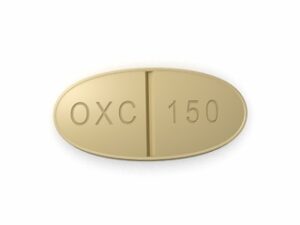
Note: Product strengths and tablet/capsule formulations may vary by manufacturer and packaging. Always check the exact strengths on your pack and follow the dosing instructions given to you by your healthcare professional.
How Phoslo works (mechanism of action)
In people with chronic kidney disease, the kidneys may not remove phosphate effectively. Excess phosphate can contribute to bone problems and cardiovascular risk. Phoslo works as a phosphate binder:
- When you take calcium acetate with food, it releases calcium in the gut.
- The calcium binds dietary phosphate in the stomach and intestines.
- This forms an insoluble compound that is excreted in the stool, rather than absorbed into the bloodstream.
Why timing matters: Phoslo is most effective when it is taken with meals, so it can bind phosphate from the food you are eating at that time.
Pharmacokinetics (how the body handles it)
Phosphate binders like calcium acetate primarily act within the gastrointestinal tract. Because of this, the medicine’s clinical effect depends largely on local binding in the gut rather than systemic absorption.
- Absorption: Only a small amount of calcium acetate is absorbed.
- Calcium handling: Any absorbed calcium contributes to the body’s calcium level, which is why blood calcium monitoring is important.
- Excretion: The bound phosphate compound is mainly eliminated via the gastrointestinal tract.
- Onset and duration: Effects are linked to meal-time use; levels of phosphate reduction are typically assessed over days to weeks through blood tests.
Your clinician may adjust your dose based on your serum phosphate and serum calcium results, along with your overall treatment plan.
Typical use in the UK
Phoslo is used to control hyperphosphataemia—high phosphate levels in the blood—often associated with:
- Chronic kidney disease (CKD), particularly in advanced stages
- Patients on dialysis (haemodialysis or peritoneal dialysis)
- Sometimes non-dialysis CKD where phosphate levels remain above target despite diet measures
Phosphate control is part of managing CKD–mineral and bone disorder (CKD-MBD). By lowering phosphate, Phoslo may help reduce complications such as bone disease and vascular calcification risk.
When to take Phoslo (timing and meal instructions)
For best results, take Phoslo:
- With meals (including breakfast, lunch, and dinner)
- Or immediately before eating—depending on your healthcare professional’s instructions
- With snacks that contain phosphate, if you were advised to do so
Do not take it after the meal: If you take it too long after eating, it may not bind the phosphate as effectively.
Missed dose: If you miss a dose, take it with your next meal. Do not double up to make up for a missed dose unless your healthcare professional advises otherwise.
Food and drink interactions
Phoslo’s action is directly related to what you eat. Dietary phosphate is what the medicine helps bind.
What you can do to support treatment
- Follow phosphate advice: Many people are given dietary guidance to limit phosphate and phosphorus-containing additives.
- Check food labels: Phosphate additives are common in processed foods and soft drinks. Guidance from your renal dietitian can help.
- Keep consistent meal patterns: Taking binders reliably with meals helps keep phosphate under control.
Food that may increase phosphate burden
- Highly processed foods with phosphate additives
- Cola and dark soft drinks containing phosphate
- Some processed meats and dairy products (depending on your individual plan)
Alcohol: Alcohol can affect overall health and nutrition, but it does not reliably predict how well phosphate binders work. If you drink alcohol, do so cautiously and follow your clinician’s advice—especially if you have liver disease, poor nutrition, or other conditions.
Alcohol and medicine interactions
Phoslo is a calcium-based binder. Interactions may occur mainly because calcium can affect how other medicines are absorbed.
Alcohol
- No specific direct “phoslo + alcohol” interaction is commonly highlighted, but alcohol can worsen dehydration, affect appetite, and complicate overall management in CKD.
- If you consume alcohol, consider discussing your intake with your healthcare team.
Other medicines that may be affected
Calcium can bind to or reduce absorption of certain medicines. Practical guidance is typically to separate doses where possible.
- Levothyroxine (thyroid hormone): Calcium can reduce absorption. Often requires a time separation (commonly several hours). Ask your pharmacist for a specific schedule.
- Iron supplements: Calcium may interfere with iron absorption. Separation may be needed.
- Some antibiotics (for example, tetracyclines and certain quinolones): Calcium can reduce absorption—separation is commonly required.
- Bisphosphonates (for bone conditions): May require dose separation due to mineral binding.
- Other phosphate binders: Your regimen may include one binder rather than multiple, depending on targets and tolerability.
Tip: Tell your pharmacist about all medicines you take, including over-the-counter products and supplements, so they can advise safe spacing.
Indications (what Phoslo is used for)
Phoslo is indicated for the treatment of hyperphosphataemia in patients with:
- Chronic kidney disease
- Particularly those undergoing dialysis
It is used as part of a comprehensive approach that may also include:
- Dialysis optimisation (for dialysis patients)
- Dietary phosphate restriction
- Monitoring of calcium, phosphate, vitamin D, and parathyroid hormone (PTH)
Dosing – how Phoslo is usually started and adjusted
Dosing can vary significantly depending on phosphate levels, diet, dialysis status, and blood calcium measurements. Your personal dose should be determined by your healthcare team.
Typical approach
- Initial dose: Often started at a lower dose with meals.
- Titration: The dose is adjusted gradually based on response and lab results.
- Maximum dose: There may be an upper limit based on the risk of high calcium and the specific product formulation.
Important: Do not change your dose without advice. Over- or under-treatment can lead to complications, including high calcium or insufficient phosphate control.
How to take your dose
- Swallow tablets/capsules whole with water.
- Take with meals as directed.
- If you are given multiple tablets, split them across meals rather than taking all at once.
Safety profile – side effects and when to seek help
Many people tolerate calcium acetate well when monitored appropriately. However, the main safety considerations relate to calcium balance and gastrointestinal effects.
Common side effects
- Constipation
- Nausea
- Abdominal discomfort or bloating
Serious or clinically important risks
- Hypercalcaemia (high blood calcium): Calcium acetate increases calcium intake. Too much can lead to symptoms such as excessive thirst, frequent urination, confusion, nausea/vomiting, weakness, or abnormal heart rhythm.
- Vascular or soft-tissue calcification risk: This is related to mineral imbalance and may be influenced by calcium and phosphate control.
- Adherence-related issues: Missing doses or taking them away from meals can reduce effectiveness.
When to contact a healthcare professional urgently
Seek urgent medical advice if you experience symptoms suggestive of dangerously high calcium, severe constipation with pain, persistent vomiting, or signs of an allergic reaction (such as swelling of the face/lips, difficulty breathing, or widespread rash).
Monitoring
Regular blood tests typically include:
- Serum phosphate
- Serum calcium
- Parathyroid hormone (PTH) and other bone-mineral markers, depending on your renal clinic plan
Practical use tips for daily life
- Make it a meal routine: Link your binder to your meal times (e.g., take it right at the start of eating).
- Keep a medication tracker: If you struggle with consistency, use a weekly pill organiser and a reminder on your phone.
- Manage constipation: Ask your clinician or pharmacist for advice. In some cases, dietary fibre guidance or stool-softening strategies may be considered.
- Discuss vitamin D and calcium supplements: Using multiple calcium sources can raise blood calcium. Do not start or stop supplements without professional advice.
- Tell every clinician you take Phoslo: It can affect absorption of other medicines.
- Keep your follow-up appointments: Dose adjustments are based on lab results and symptoms.
Alternative options for phosphate control
Depending on your phosphate and calcium targets, your healthcare team may consider other phosphate-lowering options. Alternatives can include:
- Other calcium-based binders (may differ in formulation)
- Non-calcium binders (often used when calcium is already high or when calcium load is a concern)
- Dietary phosphate management and support from a renal dietitian
- Dialysis-related adjustments for patients on dialysis (where appropriate)
Choosing an alternative: The “best” option depends on your blood results, other medicines, dietary habits, and tolerability. Discuss your options with your renal team or pharmacist.
UK market and legal context (pharmacy availability)
In the United Kingdom, availability and dispensing of prescription medicines are governed by UK medicines legislation and pharmacy regulations. Phoslo is typically supplied through pharmacies in line with UK healthcare pathways.
Supply and availability: Stock levels can vary by manufacturer, formulation, and local demand. Your pharmacy can advise on alternative pack sizes or similar products if a specific strength is temporarily unavailable.
How to prepare for dispensing:
- Have your details ready (name, address, date of birth, NHS number if requested).
- Bring your current medicine list (including over-the-counter medicines and supplements).
- Ask about generic or brand availability where appropriate.
Recent guidance and clinical monitoring (what UK teams typically emphasise)
Guidance in CKD generally focuses on controlling phosphate within target ranges while avoiding excess calcium burden and maintaining appropriate vitamin D/PTH management. In practice, renal clinics often emphasise:
- Regular monitoring of phosphate, calcium, and PTH
- Taking binders with meals to maximise effectiveness
- Reviewing medication interactions (especially with thyroid hormone and certain antibiotics)
- Individualising treatment based on response and side effects
Your renal team may adjust therapy based on national and local protocols, and on evolving evidence about mineral balance in CKD-MBD.
Delivery and availability (online pharmacy information)
When ordering Phoslo online, delivery typically depends on stock and your location within the UK. Most online pharmacies use standard UK distribution services and aim for reliable, tracked delivery.
- Processing time: Orders are usually prepared quickly if stock is available.
- Delivery: Delivered to your home address within standard UK delivery timeframes (exact times vary).
- Availability: If a pack size is temporarily unavailable, the pharmacy may contact you about alternatives.
Storage: Keep medicines in a cool, dry place and follow the storage instructions on the pack. Keep out of sight and reach of children.
FAQ – Phoslo (Calcium Acetate)
1) What is Phoslo used for?
Phoslo is used to treat high phosphate levels in people with chronic kidney disease, especially where dietary measures alone are not enough.
2) How does Phoslo lower phosphate?
It binds phosphate in the gut when taken with meals, reducing phosphate absorption into the bloodstream. The phosphate-bound compound is then passed out in the stool.
3) When should I take my Phoslo dose?
Take Phoslo with meals or immediately before eating as advised. This timing is crucial for it to bind phosphate from your food.
4) Can I take Phoslo between meals?
Taking it between meals may be less effective because there is less food phosphate available to bind. Follow your prescribed meal-time schedule.
5) What if I forget a dose?
If you miss a dose, take it with your next meal. Do not take a double dose unless your healthcare professional advises it.
6) What are the common side effects?
Common side effects include constipation, nausea, and abdominal discomfort.
7) What is the most important safety risk?
The key risk is high calcium levels (hypercalcaemia), which is why blood tests are used to monitor calcium and phosphate.
8) Does alcohol affect Phoslo?
There is no well-known direct interaction for all patients, but alcohol can affect nutrition, hydration, and overall health in CKD. If you drink alcohol, discuss safe amounts with your healthcare team.
9) Can Phoslo interact with other medicines?
Yes. Calcium can reduce absorption of some medicines (for example, certain antibiotics and levothyroxine). Your pharmacist can advise on the best time separation between medicines.
10) Are there alternatives to Phoslo?
Yes. Other phosphate-lowering binders (including non-calcium options) and dietary strategies may be considered depending on your blood results and tolerability.
11) Will I still need blood tests?
Yes. Dose adjustments are based on regular monitoring of phosphate and calcium, and often other markers related to CKD-mineral bone disorder.
12) Who should not take Phoslo without medical advice?
People with certain conditions involving abnormal calcium levels, significant mineral metabolism disorders, or those taking interacting medicines may require tailored advice. Always check with a healthcare professional before starting or changing therapy.
Disclaimer: This page is for general information and does not replace advice from your healthcare professional. If you have questions about your dose, side effects, or interactions with your other medicines, speak to your pharmacist or renal team.