
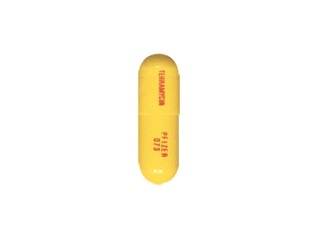


Terramycin (Oxytetracycline) – Patient Information (UK)
Terramycin contains oxytetracycline, an antibiotic from the tetracycline group. It is used to treat certain bacterial infections by stopping the growth of bacteria. This page explains what Terramycin is, how it works, how it is used, important safety information, and practical tips for getting the most benefit while minimising risks.
Please note: product availability and specific formulations may vary. Always follow the instructions provided with your product and the advice of a qualified healthcare professional. If you are unsure whether Terramycin is suitable for your condition, consult a clinician.
Quick overview
- Medicine: Terramycin (oxytetracycline)
- Type: Antibiotic (tetracycline)
- How it works: Stops bacteria from making essential proteins
- Common uses: Selected infections caused by susceptible bacteria
- Key cautions: Not suitable in pregnancy/for children in many circumstances; interactions with minerals and some medicines
- Typical timing: Often taken on an empty stomach for better absorption (unless product guidance says otherwise)
Basic product information
| Feature | Details |
|---|---|
| Active ingredient | Oxytetracycline |
| Medicine class | Tetracycline antibiotic |
| Availability | Availability depends on local supply and product presentation |
| How it is used | Oral antibiotic therapy (formulation-dependent) |
| Important note | Use only for infections where bacterial causes and susceptibility are appropriate |
How Terramycin works (mechanism of action)
Oxytetracycline works by interfering with how bacteria build proteins. Bacterial growth relies on manufacturing proteins, and tetracyclines block the bacterial ribosome (the protein-making machinery).
Mechanism (simplified): Oxytetracycline binds to the bacterial ribosome and prevents attachment of transfer RNA, stopping protein synthesis. Without protein production, bacteria cannot multiply effectively.
Its activity is mainly against susceptible organisms. For this reason, it may be used when the likely bacteria are known or suspected to be sensitive. In some infections, clinicians may recommend culture tests or alternative antibiotics if resistance is a concern.
Pharmacokinetics (how the body handles the medicine)
Understanding pharmacokinetics can help you take Terramycin in a way that improves absorption and reduces side effects. The exact behaviour can vary by formulation and individual factors.
- Absorption: Oxytetracycline is absorbed from the gastrointestinal tract, but absorption can be reduced by minerals such as calcium, magnesium, iron, and aluminium. This is why dairy products, antacids, and supplements can interfere.
- Distribution: It distributes into body tissues and fluids; it can reach therapeutic levels in some sites relevant to infection.
- Metabolism: It undergoes limited metabolism.
- Elimination: The medicine is primarily eliminated via the kidneys. In people with reduced kidney function, accumulation may occur, so advice from a clinician is important.
Typical uses and indications
Terramycin is used for infections caused by bacteria that are susceptible to oxytetracycline. The specific choice of antibiotic depends on the infection type, local resistance patterns, and patient factors.
Common indications for tetracyclines (and related oxytetracycline use) may include certain respiratory, skin, and other bacterial infections, depending on susceptibility and clinical assessment. Some conditions require targeted testing or alternative therapies.
- Susceptible bacterial infections where oxytetracycline is appropriate
- Infections due to organisms sensitive to tetracyclines
- Selected special situations (clinician-led decision) where benefits outweigh risks, considering individual safety and resistance concerns
Important: Oxytetracycline does not treat viral infections such as colds or flu. Using antibiotics when not needed contributes to antibiotic resistance and may cause avoidable side effects.
When to take Terramycin (timing and routine)
Many tetracyclines work best when absorbed reliably. The product guidance and clinician advice should be followed closely. In general, absorption is improved when the stomach is relatively empty.
- Try to take it at the same times each day to help maintain consistent levels.
- With water: Take with a full glass of water to reduce the risk of irritation to the oesophagus.
- Stay upright: Sit or stand upright for at least 30 minutes after swallowing the dose.
- Missed dose: If you miss a dose, take it when you remember unless it is close to the next dose. Do not double the dose.
If you experience stomach upset, some people find that taking with a light snack helps—however, food (especially dairy or mineral-containing foods) can affect absorption. Discuss the best approach for your situation with a healthcare professional.
Food interactions (what to avoid and why)
Oxytetracycline can bind to minerals in the gut, reducing absorption and effectiveness. This is why certain foods and drinks are important to consider.
Foods and drinks that may interfere
- Dairy products (milk, cheese, yoghurt) due to calcium content
- Mineral-rich drinks where relevant (some fortified products)
- Foods or supplements containing iron, magnesium, aluminium, zinc (often present in supplements)
Practical advice for spacing
- If your product guidance does not specify exact timing, a common approach is to keep a 2–3 hour gap between oxytetracycline and mineral-containing products.
- Keep antacid and mineral supplements separated where possible (see medicine interactions below).
- If you need to take several medicines, ask your pharmacist to help create a clear schedule.
Alcohol interactions
Moderate alcohol does not always cause a direct interaction with oxytetracycline, but alcohol can worsen side effects such as nausea, dizziness, stomach irritation, and dehydration.
- Avoid heavy drinking while taking antibiotics.
- If you drink alcohol, keep it moderate and follow good hydration.
- Stop and seek medical advice if you develop severe stomach pain, persistent vomiting, or signs of liver problems (for example, yellowing of the skin/eyes or dark urine).
People with liver disease or other significant health conditions should discuss alcohol use with a clinician.
Medicine interactions (important examples)
Some medicines and supplements can reduce absorption or increase side effects. Tell your pharmacist or clinician about all medicines you take, including over-the-counter products and herbal remedies.
Common interaction categories
- Antacids (containing aluminium or magnesium) and acid-reducing agents—may affect absorption timing.
- Iron, calcium, magnesium and zinc supplements—reduce absorption.
- Diarrhoea/absorption-affecting products—can alter antibiotic effectiveness.
- Other antibiotics—some combinations can be less effective or increase side effects.
- Warfarin and other anticoagulants—antibiotics can alter gut bacteria and affect clotting in some patients. Close monitoring may be required for those on anticoagulation therapy.
- Retinoids (vitamin A derivatives such as isotretinoin)—may increase risk of raised intracranial pressure (a rare but serious condition).
- Oral contraceptives—in general, severe vomiting/diarrhoea from any cause may reduce effectiveness. Discuss risk if you experience significant gastrointestinal upset.
If you are unsure whether any product interacts with oxytetracycline, speak to a pharmacist. They can provide a safe schedule and dosing separation plan.
Dosing information (general guidance)
Dosing varies depending on the infection, patient age, severity, kidney function, and product formulation. Follow the dosage instructions provided with your specific Terramycin product.
General principles:
- Doses are commonly divided across the day (for example, every 6–12 hours) depending on the formulation and clinician advice.
- It’s important to complete the full course unless advised to stop by a clinician.
- Do not take more than recommended to “make up” a missed dose.
If you have kidney problems: your clinician may adjust the dose or choose an alternative antibiotic. Tell your healthcare team if you have any renal impairment.
How long to use it (duration of treatment)
Antibiotic courses vary widely by infection type and severity. Using antibiotics for too short a time can lead to relapse, while unnecessary extended use increases side effects and resistance risk.
- Use it for the duration specified by the prescribing clinician or product directions.
- If symptoms do not improve within a few days, or worsen, seek medical advice promptly.
Safety profile and side effects
Like all medicines, Terramycin can cause side effects. Many people experience no or mild effects, but some reactions require medical attention.
Common side effects
- Gastrointestinal upset (nausea, vomiting, diarrhoea, stomach discomfort)
- Heartburn or irritation (particularly if taken without enough water or while lying down)
- Headache
- Skin photosensitivity (sunburn-like rash after sunlight)
Serious but rare side effects (seek urgent medical help)
- Allergic reaction: swelling of face/lips, difficulty breathing, widespread rash or hives
- Severe or persistent diarrhoea, especially with blood or fever (possible antibiotic-associated colitis)
- Severe dizziness, vision changes, severe headache or symptoms suggesting raised pressure in the head (rare; risk may be higher with concurrent retinoids)
- Signs of liver or kidney problems: yellowing of skin/eyes, dark urine, severe fatigue, reduced urine output
- Throat or oesophageal pain (could indicate irritation—stop and get advice)
Photosensitivity (sun exposure warning)
Oxytetracycline can make your skin more sensitive to sunlight and UV. To reduce risk:
- Use high factor sunscreen (broad spectrum) if you must go outdoors.
- Wear protective clothing (hat, long sleeves) and avoid prolonged direct sun.
- Seek advice if you develop a rash or severe sun reaction.
Who should be especially cautious?
- Pregnancy: Tetracyclines can affect bone and teeth development. Avoid unless specifically advised by a clinician after careful risk–benefit assessment.
- Breastfeeding: Tetracyclines may pass into breast milk and are generally avoided.
- Children: Many tetracyclines are not recommended in young children due to effects on developing teeth and bones. Product- and guideline-based restrictions may apply.
- People with kidney impairment: dosing and choice of antibiotic should be reviewed by a healthcare professional.
- History of allergic reactions to tetracyclines or related medicines: avoid unless directed by a clinician.
If any of the above applies to you, discuss alternatives before starting.
Practical use tips (to improve effectiveness and reduce side effects)
- Take with water and stay upright for at least 30 minutes to reduce oesophageal irritation.
- Use a consistent routine (morning/evening schedule) so you don’t miss doses.
- Plan around minerals: separate doses from dairy, iron, calcium, magnesium, zinc, and antacids.
- Manage nausea: if permitted by the product guidance, a light snack may help. If symptoms persist, ask a pharmacist for practical options.
- Avoid sunburn: photosensitivity is a known issue—use sun protection.
- Complete the course: even if you feel better, finish the prescribed duration.
- Check for interactions: include over-the-counter products (antacids, supplements, indigestion remedies).
Alternative options
Alternatives depend on the infection being treated and local antimicrobial guidance. If oxytetracycline is not appropriate (for example, due to allergy, pregnancy, resistance concerns, or interactions), clinicians may choose a different antibiotic class or supportive measures.
Possible alternatives can include medicines in other antibiotic groups such as:
- Macrolides (e.g., clarithromycin, erythromycin) in suitable infections
- Penicillins (e.g., amoxicillin) depending on susceptibility
- Cephalosporins (e.g., cefalexin) in certain situations
- Fluoroquinolones (e.g., ciprofloxacin) only when appropriate due to specific risks
- Topical or non-antibiotic options for some conditions where systemic antibiotics are not required
The safest choice depends on your diagnosis, severity, medical history, and local antibiotic resistance patterns.
UK market and legal context (overview)
In the United Kingdom, medicines such as oxytetracycline are regulated under UK medicines legislation and are supplied according to the medicine’s classification. Where antibiotics are involved, responsible prescribing and antimicrobial stewardship are priorities in the NHS.
Pharmacy supply may depend on:
- The medicine’s legal classification and licensing
- Whether a healthcare professional has assessed the infection and appropriateness
- Local guidance on antibiotic selection and stewardship
Antimicrobial resistance is a major public health concern in the UK, so clinicians and pharmacists aim to use antibiotics only when likely to benefit patients and to choose suitable agents.
Recent guidance and stewardship principles (UK-focused)
UK antibiotic use is guided by antimicrobial stewardship programmes and evidence-based local protocols. These emphasise:
- Correct diagnosis (antibiotics only for bacterial infections)
- Choosing the narrowest effective antibiotic when possible
- Appropriate duration to reduce resistance and side effects
- Reviewing treatment if symptoms don’t improve or if culture results show resistance
- Adherence to dosing schedules and completing courses as directed
If you are told to switch antibiotics or stop treatment, that decision is often based on safety, susceptibility, and response to therapy.
Delivery and availability (online pharmacy)
Availability of Terramycin may vary based on supply and product formulation. If it is currently available, online pharmacies typically dispatch orders within standard business hours.
Delivery options and estimated times may vary by service provider and location in the UK. On ordering, you should see:
- Estimated delivery date
- Shipping cost
- Packaging and cold-chain requirements (if applicable—usually not required for oral antibiotics)
- Tracking information where offered
Storage at home: Store according to the leaflet or packaging instructions. Keep out of sight and reach of children. Protect from excessive heat or moisture where advised.
FAQ – Terramycin (Oxytetracycline)
1) Is Terramycin used for all infections?
No. Terramycin is an antibiotic that works against certain bacteria. It does not treat viral infections such as colds or flu. The choice depends on the likely bacteria and whether they are likely to be susceptible to oxytetracycline.
2) Should I take Terramycin with food?
Many people are advised to take tetracyclines with a relatively empty stomach to improve absorption, but this can depend on the specific product guidance. Avoid dairy and mineral-containing foods close to your dose. If stomach upset occurs, ask your pharmacist about practical options.
3) Can I drink alcohol while taking Terramycin?
Moderate alcohol may not directly interact with oxytetracycline, but it can worsen side effects and impair recovery. Avoid heavy drinking and seek medical advice if you develop severe symptoms.
4) What should I do if I forget a dose?
Take it when you remember unless the next dose is close. Do not take a double dose to make up for the missed one. If you are unsure, ask a pharmacist.
5) Can I take antacids or indigestion remedies?
Some antacids contain aluminium or magnesium and can interfere with absorption. If you need an antacid, separate it from your oxytetracycline dose (timing guidance depends on the specific products). Ask your pharmacist for a clear schedule.
6) Does Terramycin make me more sensitive to sunlight?
Yes. Photosensitivity is a known effect of tetracyclines. Use sun protection and avoid prolonged direct sunlight. Stop and seek advice if you develop a significant rash.
7) What side effects require urgent attention?
Seek urgent medical help for signs of allergy (swelling, breathing difficulty, widespread hives), severe or persistent diarrhoea, severe headaches with vision changes, or symptoms suggesting liver/kidney problems.
8) Who should not take oxytetracycline?
It may not be suitable for certain groups, including pregnant or breastfeeding people and young children, depending on guideline-based restrictions and product licensing. People with significant kidney problems may need dose adjustment or alternatives. Always discuss individual suitability with a clinician.
9) Are there alternatives if oxytetracycline doesn’t work for me?
Yes. If symptoms do not improve or if tests show resistance, clinicians may switch to another antibiotic or treatment approach based on your condition.
10) How can I reduce stomach irritation?
Take the medicine with a full glass of water, remain upright for at least 30 minutes, avoid dairy/minerals close to the dose, and follow guidance on whether you can take it with food. If irritation persists, seek advice.
When to seek medical advice
Contact a clinician or seek medical help if:
- Your symptoms worsen or do not improve within a few days of starting treatment
- You develop severe diarrhoea, particularly with blood or fever
- You experience signs of allergy
- You get persistent vomiting, severe headache with visual disturbances, or signs of liver problems
- You cannot take doses due to side effects
Antibiotics can be effective, but your safety and the correct antibiotic choice are essential. If you have questions about Terramycin or its fit for your situation, speak to a pharmacist or clinician.