Differin (Adapalene) – Patient Guide (UK)
Differin contains adapalene, a medicine used mainly for acne. It works by helping to normalise the way skin cells renew and by reducing inflammation associated with acne. This page explains how Differin works, how to use it safely, what to expect, and practical tips to get the best results.
Quick overview
- Active ingredient: Adapalene
- For: Acne (especially comedonal acne, such as blackheads and whiteheads; also inflammatory acne)
- How it works: Topical retinoid (normalises skin cell turnover and helps unblock pores)
- Common form: Gel (strength may vary depending on product)
- How long it takes: Improvement often begins after several weeks; best results typically take up to 8–12 weeks
Basic product information
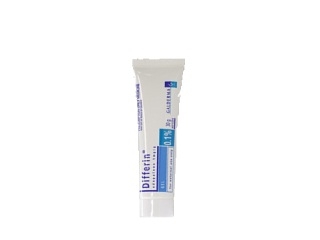
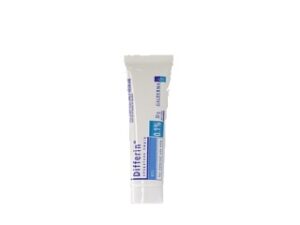
Differin is a topical medicine applied to the skin. In the UK, it is available in different strengths and presentations depending on the specific product range. Always follow the instructions supplied with your exact Differin product and consult a healthcare professional if you are unsure which one is suitable for you.
What is adapalene?
Adapalene is a synthetic retinoid. Unlike some other topical acne treatments that act mainly by killing bacteria or reducing oil production, adapalene primarily targets the process inside the hair follicle that leads to acne bumps and clogged pores.
Who is it for?
- People with comedonal acne (blackheads/whiteheads)
- People with mild to moderate inflammatory acne (red, tender bumps)
- Those looking for a pore-unclogging and anti-inflammatory topical option
How Differin works (mechanism of action)
Acne forms when pores (hair follicles) become blocked with oil and dead skin cells. This blockage can lead to inflammation and, in some cases, bacterial overgrowth.
Adapalene works by:
- Normalising cell turnover: It helps skin cells renew more evenly, reducing the tendency to form microcomedones (early acne plugs).
- Preventing pore blockage: By reducing abnormal shedding of follicle lining cells, it helps keep pores clearer.
- Anti-inflammatory effects: It can reduce inflammatory signals in the skin, helping both visible and underlying acne.
- Supporting smoother skin texture: Over time, it may reduce the appearance of acne-related roughness.
Because adapalene affects the acne process rather than simply treating the surface, it often needs consistent use before results are noticeable.
Pharmacokinetics (what happens after you apply it)
Adapalene is applied to the skin. Compared with many oral medicines, only a small amount is typically absorbed through the skin into the bloodstream. Most of the active ingredient remains locally in the skin.
- Absorption: Generally low through intact skin.
- Distribution: Limited systemic distribution due to low absorption.
- Metabolism: The absorbed fraction is metabolised, mainly by the liver.
- Elimination: Metabolites are cleared from the body, predominantly through normal bodily pathways.
Practical takeaway: Because systemic absorption is low, system-wide effects are uncommon when Differin is used correctly. However, local skin reactions (such as dryness and irritation) are relatively common, especially at the start.
Typical use and timing
When should you apply Differin?
Most people use adapalene —commonly in the evening or at night—because it can be easier to manage skin sensitivity and it avoids mixing with morning skincare routines.
What results to expect
- First weeks: Mild dryness, redness, or a “purging” look may occur.
- 4–6 weeks: Some people start to notice reduced clogged pores and fewer new spots.
- 8–12 weeks: Many achieve their best results with consistent application.
Tip: If you stop too early, acne may return. Differin is often used as a maintenance treatment after the initial improvement.
Indications (what it’s used to treat)
Differin is used for the treatment of acne vulgaris. Depending on the severity and product strength, it may be suitable for:
- Comedonal acne (blackheads and whiteheads)
- Inflammatory acne (papules and pustules)
- Acne with mixed lesions (both clogged pores and inflamed spots)
Dosing and how to apply
How much to use
Use a pea-sized amount for the whole face (not per spot). Applying too much does not usually speed up results and may increase irritation.
Step-by-step application
- Cleanse: Use a gentle cleanser. Avoid harsh scrubs.
- Dry skin: Wait until the skin is completely dry (irritation is more likely on damp skin).
- Apply thinly: Spread a thin layer over the acne-prone areas or the entire face if advised.
- Avoid sensitive areas: Keep away from the eyes, corners of the nose, lips, and any broken or eczematous skin.
- Wash hands: After applying, wash your hands to avoid accidental contact with eyes or mouth.
How to start (to reduce irritation)
- For many people, it helps to apply Differin every other night for the first 1–2 weeks.
- If tolerated, increase to once daily.
- If irritation becomes troublesome, reduce frequency (e.g., every 2–3 nights) and moisturise.
Missed dose
Apply the next dose at the usual time. Do not apply extra product to make up for a missed application.
Food interactions
Because Differin is a topical medicine with low systemic absorption, food interactions are not expected. You can usually eat and drink normally while using adapalene.
If you are using other acne medicines (especially oral treatments), it’s still worth checking for interactions with those specific medicines, but adapalene itself does not typically have clinically relevant food-related interactions.
Alcohol and medicine interactions
Alcohol
Differin is applied to the skin, so moderate alcohol intake is not expected to have a direct interaction with adapalene. However:
- If alcohol makes your skin flush or worsens dryness, you may feel more irritation.
- If you use other acne treatments (for example, antibiotics or hormonal therapies), those may have their own considerations.
Interactions with other acne medicines
Some product combinations can increase irritation or dryness. Common considerations include:
- Other topical retinoids: Avoid combining with another retinoid product on the same areas unless advised.
- Strong exfoliants (scrubs, peels): Can increase irritation when used alongside Differin.
- Topical benzoyl peroxide: Often used together in acne care; however, it may increase dryness in some people. If you combine, consider alternating nights or using moisturiser generously.
- Topical salicylic acid and acids (AHA/BHA): May increase irritation. If you wish to use acids, consider spacing them out and monitor your skin.
Tell a healthcare professional or pharmacist about everything you apply to your face and any other acne medications you’re taking, including creams, gels, and over-the-counter products.
Safety profile: what to watch for
Common side effects
As with other topical retinoids, local irritation is the most common issue.
- Dryness
- Redness
- Stinging or burning
- Peeling
- Itching
- Skin sensitivity
Less common but important reactions
- Severe irritation that doesn’t improve with dose reduction
- Rash beyond mild irritation
- Swelling around eyes or lips (seek advice if this happens)
When to stop and seek advice
Stop using Differin and seek medical advice urgently if you experience:
- Severe allergic-type symptoms (e.g., swelling of face/lips, difficulty breathing)
- Intense skin burning, blistering, or widespread rash
- Ongoing irritation that worsens or does not settle after adjusting application frequency and moisturisation
Practical use tips (to get the best results with fewer side effects)
Moisturise strategically
- Use a gentle moisturiser (often fragrance-free) to reduce dryness.
- You can apply moisturiser either before Differin (if your skin tolerates it) or after it, depending on what works best for your skin.
- Applying a moisturiser can help you maintain consistent use, which is key for acne improvement.
Use sunscreen daily
Retinoids can make skin more sensitive. Wearing SPF 30 or higher daily helps reduce irritation and discolouration risks.
Be gentle with cleansing
- Avoid harsh cleansers, scrubs, and “acne masks” that may over-exfoliate.
- Limit washing to what you need (e.g., once or twice daily), especially if you’re feeling dry.
Expect adjustment at the beginning
Early irritation or temporary flare-ups can occur. Many people improve after their skin adapts. Starting slowly (every other night) often makes the transition easier.
Don’t apply to irritated or broken skin
- Avoid using on sunburnt skin or areas affected by eczema flare-ups.
- If you shave, consider leaving skin unbroken—razor irritation can increase the sting and redness.
Make it consistent
Acne treatment is usually a “progress over time” approach. Try not to switch products too frequently; instead, give Differin enough time to work.
Alcohol and skin irritation: practical note
While adapalene does not have a direct systemic alcohol interaction, alcohol-based skin products (such as some toners) can worsen dryness and stinging. If you’re irritated, consider switching to alcohol-free or gentler formulations until your skin calms down.
Alternative options for acne
Acne treatment depends on your skin type, severity, and whether you mainly have clogged pores, inflamed spots, or both. If Differin isn’t suitable or you don’t tolerate it, alternatives include:
- Benzoyl peroxide: Helps reduce acne bacteria and inflammation; can be drying but effective for inflammatory acne.
- Salicylic acid (BHA): Helps unclog pores and exfoliate; may suit those who prefer non-retinoid options.
- Azelaic acid: Can help with acne and uneven skin tone; generally well tolerated by many people.
- Topical antibiotics (typically short-term or combined): Used in specific regimens to reduce bacterial contribution to acne.
- Oral options or hormonal treatments: Considered for more persistent or widespread acne, often when topical options are insufficient.
A pharmacist or clinician can help you choose a combination plan that balances effectiveness with tolerability.
United Kingdom market & legal context (overview)
In the UK, availability and classification of acne treatments can vary by product strength, formulation, and regulatory status. Topical retinoids such as adapalene may be available through different routes depending on the brand and concentration.
- Product labelling: Always read the package leaflet and adhere to the instructions for your specific Differin product.
- Healthcare advice: For moderate to severe acne, scarring, or acne persisting despite consistent use, professional advice may be appropriate.
- Pregnancy considerations: Topical retinoid medicines require extra caution. If you are pregnant, planning pregnancy, or breastfeeding, seek appropriate medical advice before use.
Guidance and access pathways can change. If you’re unsure about suitability, a healthcare professional can help you interpret the most relevant advice for your situation.
Recent guidance and practical counselling themes
Recent acne care focuses strongly on:
- Early treatment: Starting effective therapy sooner can reduce risk of prolonged inflammation.
- Skin barrier protection: Using moisturisers and sunscreen to improve tolerability.
- Gradual escalation: Applying retinoids slowly to minimise irritation.
- Realistic timelines: Expect improvements over weeks, not days.
If you are experiencing ongoing irritation, it’s often better to adjust the routine (frequency, moisturiser, gentle cleanser) than to stop immediately without a plan.
Delivery and availability (UK)
Differin (adapalene) is commonly stocked by UK pharmacies and online pharmacy services. Availability may depend on the exact strength and formulation you choose.
- Delivery: Delivery times vary by supplier and your location in the UK.
- Packaging: Products are usually dispatched in protective packaging to prevent damage to tubes or pumps.
- Stock updates: Online listings may change—check current availability and delivery estimates at checkout.
If you need help selecting the correct product strength or how to start, you can contact the pharmacy for guidance on routine and suitability.
FAQ
1) How often should I use Differin?
Most people use adapalene once daily, usually at night. If you get irritation, start every other night and build up gradually.
2) Will Differin make my acne worse at first?
Some people experience temporary worsening or increased visible spots early on as the treatment changes how pores shed and clear. This usually improves with continued use over several weeks. If irritation becomes severe, reduce frequency and moisturise.
3) Can I use moisturiser with Differin?
Yes—moisturiser is often recommended to reduce dryness and stinging. Use a gentle moisturiser and apply it in a way that suits your skin routine.
4) Can I combine Differin with benzoyl peroxide?
Many acne regimens use both. However, combining can increase dryness in some individuals. If irritation occurs, consider alternating them on different nights or ask a pharmacist about a suitable routine.
5) Can I use Differin with sunscreen?
Yes, and sunscreen is strongly recommended during retinoid use. Apply sunscreen every morning (SPF 30+), especially if you spend time outdoors.
6) Is it safe to use Differin if I have sensitive skin?
It may still be suitable for many people, but you may need a slower start (e.g., every other night) and extra moisturisation. Avoid other irritating products until your skin adapts.
7) What should I do if it stings or burns?
Mild stinging can occur early. If it’s more than mild discomfort:
- Reduce application frequency
- Use a gentle cleanser and moisturiser
- Avoid applying immediately after shaving or on damp skin
- Stop and seek advice if severe irritation persists
8) Can I use Differin around my eyes?
Keep Differin away from the eye area, including eyelids and the corners of the eyes. If accidental contact occurs, rinse thoroughly with water.
9) How long will Differin take to work?
Improvement is often seen after 4–6 weeks. The best results often take 8–12 weeks with consistent use.
10) Is there any interaction with food?
No meaningful food interactions are expected because Differin is a topical medicine with low systemic absorption.
11) Can I drink alcohol while using Differin?
Alcohol is not expected to interact directly with adapalene. However, if alcohol or alcohol-containing skincare makes your skin drier or more sensitive, you may feel increased irritation.
12) What are my options if Differin doesn’t suit me?
Alternatives include benzoyl peroxide, salicylic acid (BHA), azelaic acid, or other therapies depending on your acne type. A pharmacist can help you build a suitable routine.
Summary
Differin (adapalene) is a topical retinoid designed to treat acne by helping to prevent pore blockage, reducing inflammation, and supporting more normal skin cell renewal. For many people, consistent nightly use (after a gradual start if needed), moisturisation, and daily sunscreen offer the best balance of results and comfort. If you experience severe irritation or have concerns about suitability, speak with a healthcare professional or pharmacist for personalised advice.