
Prelone (Prednisolone) – Patient Information
Prelone is a brand of prednisolone, a corticosteroid medicine used to reduce inflammation and suppress the immune response. It is used for a variety of conditions where swelling, redness, itching, or immune activity need to be controlled quickly and effectively.
This guide explains how Prelone works, typical uses, how to take it safely, interactions (including with alcohol), and what to expect. It is written for people in the United Kingdom.
Basic product information
| Feature | Information |
|---|---|
| Generic name | Prednisolone |
| Drug type | Systemic corticosteroid (glucocorticoid) |
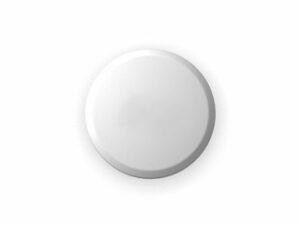
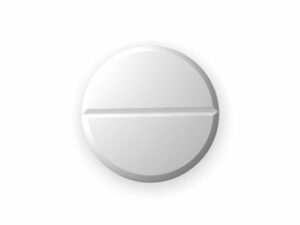
| Common forms | Oral liquid and tablets (availability depends on the pharmacy/stock) |
| How it is used | Usually once daily in the morning, or in divided doses depending on your condition |
| Main purpose | Reduces inflammation and immune-mediated symptoms |
How Prelone works (mechanism of action)
Prednisolone works by affecting gene activity within cells, leading to:
- Reduced inflammation by decreasing inflammatory chemicals (such as cytokines and prostaglandins).
- Suppressed immune responses, which can help control conditions driven by an overactive immune system.
- Stabilised effects on tissues, including reduced swelling and improved control of symptoms such as pain and breathing difficulty.
The onset of action can vary by condition. Many people notice symptom improvement within hours to a few days, while long-term control may take longer.
Pharmacokinetics (how the body handles prednisolone)
Pharmacokinetics describes absorption, distribution, metabolism, and elimination:
- Absorption: Prednisolone is absorbed after oral administration. The liquid and tablet formulations are designed for oral dosing.
- Distribution: It circulates in the bloodstream and acts on target tissues throughout the body.
- Metabolism: Prednisolone is metabolised mainly in the liver.
- Elimination: Metabolites are removed from the body via the kidneys and urine.
Individual factors such as liver function, age, dose, duration of therapy, and co-medication can influence how prednisolone behaves in your body.
Typical uses in adults and children
Prelone is used for conditions where reducing inflammation and/or immune activity is beneficial. Common examples include:
- Allergic and inflammatory conditions (e.g., severe allergic reactions as part of a broader treatment plan).
- Asthma exacerbations or flare-ups (as advised by a healthcare professional, often for short courses).
- Autoimmune disorders (conditions where the immune system attacks the body).
- Skin conditions that involve inflammation and immune activity (e.g., severe eczema flares in selected cases).
- Rheumatological and inflammatory conditions (including some painful, swollen joint disorders).
- Certain eye inflammations and other specialist indications (depending on clinical assessment).
- Some blood disorders related to immune mechanisms (specialist-led).
Your prescriber will match the medicine and duration to the specific diagnosis, severity, and your medical history.
Timing and how to take Prelone
Common timing
Prednisolone is often taken in the morning with breakfast. This timing can better match the body’s natural hormone rhythm, and may reduce some side effects such as insomnia.
With or without food
Taking Prelone with food may help reduce stomach irritation. If you experience indigestion, nausea, or heartburn, food can be particularly helpful.
Dividing doses
Some people need divided dosing (e.g., twice daily). Follow your instructions exactly. If you are unsure whether your dose is meant to be once daily or split, check the directions on your label or ask a pharmacist.
If you miss a dose
If you miss a dose:
- Take it as soon as you remember, unless it is close to the next dose.
- If it is near the next dose, skip the missed dose and continue with your normal schedule.
- Do not take a double dose to make up for a missed one.
If you are taking prednisolone for a short period or have complex tapering instructions, missing doses can matter. If unsure, contact a healthcare professional or pharmacist for advice.
Food interactions and lifestyle considerations
Prednisolone does not have many “food-drug” interactions in the way some medicines do, but food can still affect how you feel and how side effects show up.
- Take with food: helps reduce stomach irritation for many people.
- Consider a balanced diet: corticosteroids can increase appetite and affect blood sugar; eating regularly and choosing nutritious meals can help.
- Salt and fluid retention: some people may retain fluid; you may be advised to limit very salty foods.
- Potassium: long courses may lower potassium levels. Your clinician may advise foods rich in potassium (e.g., bananas, vegetables) or other measures.
Always follow personalised dietary advice if you have diabetes, high blood pressure, heart failure, kidney disease, or osteoporosis risk.
Alcohol and medicine interactions
Alcohol
Moderate alcohol use is sometimes possible for people taking prednisolone, but it can increase the risk of:
- Stomach irritation and indigestion.
- Sleep disturbance and mood changes.
- Blood sugar fluctuations (especially in those with diabetes or prediabetes).
If you are having short-term therapy and feel well, occasional moderate alcohol may be tolerated by some people; however, many clinicians advise minimising alcohol while taking corticosteroids—particularly at higher doses or if you have a history of gastric ulcers.
Alcohol with other medicines
Alcohol can worsen side effects when combined with other medicines that also affect the stomach or the central nervous system. If you take sedatives, painkillers, antidepressants, or medicines for diabetes or blood pressure, check with a pharmacist if you plan to drink alcohol.
Important medicine interactions
Prednisolone can interact with other medicines. Some interactions can reduce effectiveness, while others can increase side effects. Examples include:
- NSAIDs (e.g., ibuprofen, naproxen, diclofenac): increased risk of stomach irritation or ulceration.
- Warfarin or other anticoagulants: steroid treatment may affect clotting control; close monitoring may be needed.
- Diabetes medicines (e.g., insulin, metformin, sulfonylureas): steroids can raise blood sugar, requiring dose adjustments.
- Diuretics: may increase potassium loss.
- Vaccines: live vaccines may be unsuitable while taking certain steroid doses or if immunosuppression is significant.
- Antifungals (e.g., ketoconazole) and some antibiotics/antivirals: may alter prednisolone levels in the body.
- Rifampicin (for tuberculosis): can increase clearance of steroids, potentially reducing effect.
This is not a complete list. Always tell your pharmacist or prescriber about all medicines you use, including: over-the-counter medicines, herbal products, vitamins, and supplements.
Indications (when Prelone is used)
In clinical practice in the UK, prednisolone may be used across multiple specialties depending on the condition. Indications typically include:
- Inflammatory and autoimmune diseases where immune suppression is required.
- Allergic conditions where inflammation is severe and needs systemic treatment.
- Asthma/COPD flare-ups where systemic steroids may help reduce airway inflammation (often for short courses).
- Severe skin, eye, or joint inflammations (specialist-led).
- Haematological conditions that are immune-mediated (specialist-led).
- Other conditions where a clinician judges that the benefits outweigh potential risks.
The right indication and dose depend on factors such as diagnosis, severity, age, and existing health conditions.
Dosing: what to expect
Prednisolone dosing is highly individual. It depends on the condition being treated, severity, how quickly symptoms are expected to improve, and whether therapy needs a taper. Dosing also differs between adults and children.
General dosing principles
- Lowest effective dose: clinicians aim to use the smallest dose that controls symptoms.
- Shortest effective duration: many conditions are treated with short courses where appropriate.
- Tapering: if taken for longer courses or higher doses, stopping suddenly may not be safe. A gradual reduction may be needed to allow the adrenal glands to recover.
- Morning dosing: commonly preferred to reduce sleep disturbance and support natural rhythms.
Example dosing schedules (not a substitute for your plan)
The following examples are general illustrations of how prednisolone is sometimes prescribed:
- Short flare treatments: may involve a limited number of days, often with a simple daily dose or a brief taper.
- Longer inflammatory control: may start with a higher dose then reduce gradually over weeks or months under supervision.
Always follow the exact directions provided with your medicine. If you are unsure about your dose strength (e.g., mg of prednisolone) or how much liquid corresponds to your prescribed dose, a pharmacist can help you measure it accurately.
Safety profile: important side effects and when to seek help
Like all medicines, Prelone can cause side effects. Many people experience mild, short-term effects, especially with short courses. Risk increases with higher doses and longer use.
Common side effects
- Increased appetite and weight gain.
- Indigestion, stomach irritation, or heartburn.
- Difficulty sleeping (insomnia), especially if taken later in the day.
- Mood changes (e.g., feeling restless, irritable, or more emotional).
- Raised blood sugar (particularly in people with diabetes).
- Fluid retention or swelling in some people.
- Headache.
- Acne or skin changes.
Less common but serious risks
Seek urgent medical advice if you experience severe symptoms. Serious risks can include:
- Infection: steroids can reduce immune response, making infections more likely or symptoms harder to detect.
- Allergic reactions: swelling of face/lips, rash, difficulty breathing.
- Severe stomach problems: persistent severe abdominal pain, vomiting blood, or black/tarry stools.
- Psychological effects: severe confusion, mood swings, agitation, hallucinations, or signs of depression.
- Eye problems: increased eye pain, blurred vision, or other sudden vision changes.
- Adrenal suppression: especially after prolonged use—this is why stopping suddenly can be unsafe.
Long-term safety considerations
With prolonged use, clinicians often monitor and may prescribe preventive treatments depending on your risk profile:
- Bone health: increased risk of osteoporosis—calcium/vitamin D or other treatments may be considered.
- Blood pressure and fluid balance: monitoring may be needed.
- Eye monitoring: risk of cataracts or glaucoma with longer courses.
- Growth and development in children: monitoring is important.
- Muscle weakness (more likely with higher doses/longer durations).
Driving and operating machinery
Most people can drive and use machines while taking prednisolone, but side effects such as insomnia, dizziness, or mood changes could affect your ability. If you feel unwell or unusually alert, take care.
Practical use tips (to help you take Prelone safely)
- Take it at the same time each day, usually in the morning with food.
- Use a reliable measuring method for liquid formulations (use the provided oral syringe or medicine cup if available).
- Don’t stop suddenly if you’ve been taking it for more than a short period—ask your pharmacist or prescriber about tapering.
- Plan for blood sugar changes if you have diabetes: check your readings more frequently during treatment if advised.
- Watch for infection: contact a healthcare professional promptly if you develop fever, sore throat, worsening cough, or symptoms that don’t improve.
- Protect your stomach: take with food; ask about stomach protection if you have a history of ulcers or need NSAIDs.
- Bone-friendly lifestyle: weight-bearing exercise (if appropriate), and dietary calcium/vitamin D may help—follow your clinician’s advice.
- Keep vaccinations in mind: discuss with a healthcare professional before immunisations, especially if treatment is ongoing or at higher doses.
Alternative options
Depending on the condition, doctors may consider different approaches to control inflammation. Alternatives may include:
- Other corticosteroids (e.g., different oral or inhaled forms such as budesonide or prednisolone variants).
- Inhaled corticosteroids for asthma/COPD (help reduce systemic exposure for certain patients).
- Non-steroidal anti-inflammatory or immune-modulating medicines for selected conditions (for example, biologics or disease-modifying therapies—specialist-led).
- Supportive treatments such as bronchodilators for respiratory conditions, topical therapies for skin conditions, or antihistamines for allergic symptoms.
The “best” alternative depends on your diagnosis, severity, and risk factors. If you feel prednisolone is not suitable, speak to a pharmacist or prescriber before changing treatment.
Prelone in the UK: market and legal context
In the UK, prednisolone medicines (including branded and generic forms) are regulated by medicines legislation and are supplied through licensed channels. Availability can vary across pharmacies and wholesalers based on stock and formulation demand.
Always check that the medicine you receive is from a reputable supply chain and matches the strength and form stated on the packaging.
Recent guidance and clinical considerations
Clinical guidance in the UK continues to emphasise:
- Using the lowest effective dose for the shortest time consistent with good symptom control.
- Considering steroid-sparing options for some chronic inflammatory conditions.
- Monitoring safety (blood pressure, blood sugar, infection risk, bone and eye health) particularly when courses are prolonged or repeated.
- Appropriate vaccination planning in people who are immunosuppressed.
Because recommendations can vary by diagnosis (for example, asthma versus rheumatology), your clinician may align your steroid plan with the most relevant national guidance for your condition.
Delivery and availability (online pharmacy notes)
Availability of Prelone may depend on the formulation (liquid or tablet), pack size, and current supply. When ordering online, you should:
- Verify the strength (e.g., mg per tablet or mg per 5 mL in liquid, depending on the product).
- Check the pack size to ensure it covers the intended course length or refill timing.
- Confirm any special delivery requirements (for example, whether the product is shipped in temperature-appropriate packaging if required).
Delivery schedules can vary by day and supplier. Most UK online pharmacies provide tracking and clear estimated delivery times. If you have not received your order within the expected timeframe, contact customer service promptly.
How to store Prelone
Storage requirements can differ slightly between products. In general:
- Store in the original package and keep out of reach of children.
- Keep away from heat, moisture, and direct sunlight.
- For liquid products, follow the label for storage conditions and any expiry after opening (if stated).
If you have any doubts, check the patient information leaflet included with your medicine.
FAQ: Prelone (Prednisolone)
Is Prelone the same as prednisolone?
Yes. Prelone is a brand name containing prednisolone, a systemic corticosteroid.
How quickly will I feel better?
Many people notice improvement within hours to a few days, but it depends on the condition being treated and the dose. If you do not see any improvement after the expected timeframe, speak to your pharmacist or prescriber.
Can I take Prelone with food?
Yes. Taking it with food is often recommended to reduce stomach irritation. If you are advised to take it at a particular time, keep to that schedule.
Should I avoid alcohol?
It’s safest to minimise alcohol while taking prednisolone, especially if you have a history of stomach ulcers, diabetes, mood changes, or if you are on higher doses. If you plan to drink, check with a pharmacist for advice tailored to your situation.
What should I do if I forget a dose?
Take it when you remember unless it is close to the next dose. If close, skip the missed dose and continue normally. Do not take a double dose.
Can I stop Prelone suddenly?
Do not stop suddenly if you have been taking it for more than a short period or at higher doses without medical advice. Many people require a gradual reduction to avoid adrenal problems.
Will prednisolone affect my blood sugar?
It can. Prednisolone may raise blood glucose levels, particularly in people with diabetes or prediabetes. If you have diabetes, monitoring may be required during treatment.
Can I take it if I have an infection?
Prednisolone can make infections more likely or mask symptoms. If you suspect an infection, contact a healthcare professional promptly so they can assess whether you need treatment or dose adjustment.
Are vaccines safe while taking prednisolone?
Some vaccines may not be suitable while on prednisolone, especially at higher doses or with longer courses. Discuss vaccination plans with your GP or pharmacist.
What medicines commonly interact with prednisolone?
Interactions can include NSAIDs (increased stomach risk), warfarin (possible changes in clotting control), diabetes medicines (blood sugar rise), and some antibiotics/antifungals or anti-tuberculosis medicines. Always check with a pharmacist if you are unsure.
Is it safe for children?
Prednisolone is used in children for specific conditions, but dosing and monitoring must be appropriate for the child’s weight and diagnosis. Follow the healthcare plan closely.
Need more help?
If you have questions about how to take Prelone, how long your course is expected to last, or what to do about side effects, a pharmacist can provide guidance. For serious or worrying symptoms, seek urgent medical advice.