
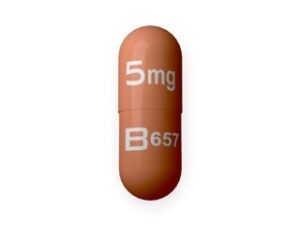

Provigil (Modafinil) — Patient Guide (UK)
Provigil, the brand name for modafinil, is a medicine used to promote wakefulness. This guide explains what it is, how it works, how it behaves in the body, how it is commonly taken, and important safety and interaction information relevant to the United Kingdom.
Please read this information alongside the instructions provided by your healthcare professional and the medicine label.
Basic product information
| Item | Details |
|---|---|
| Active ingredient | Modafinil |
| Brand name | Provigil |
| Medicinal class (general) | Wake-promoting agent |
| Typical formulation | Tablets (strengths vary by product availability) |
| Common intended benefit | Reducing excessive sleepiness due to specific conditions |
| Who it’s for | Adults with diagnosed excessive sleepiness conditions, as clinically appropriate in the UK |
Important: Provigil is not a general “energy booster”. It is intended for particular medical situations where excessive sleepiness is present and other causes have been assessed.
How modafinil works (mechanism of action)
Modafinil helps you stay awake by acting on parts of the brain involved in arousal and alertness. While the precise mechanism is complex, key points include:
- Wake-promoting effects: It increases wakefulness and reduces excessive sleepiness.
- Dopamine-related modulation (indirect): It influences dopamine pathways in a way that supports alertness, without producing the same strong “stimulant” pattern as some other drugs.
- Neurochemical balance: It affects signalling systems that regulate sleep/wake cycles (including pathways related to orexin/hypocretin and glutamate signalling).
Outcome: the medicine tends to make people feel more alert and less sleepy during the day when used appropriately.
Pharmacokinetics: how the body handles Provigil
Pharmacokinetics describes what the body does to a medicine—absorption, distribution, metabolism, and elimination. Understanding this can help explain timing and potential interactions.
Absorption
Modafinil is absorbed after oral administration. Peak blood levels typically occur a few hours after taking a dose.
Distribution
It distributes into tissues and can cross into the brain, supporting its wake-promoting effects.
Metabolism
Modafinil is metabolised primarily in the liver, involving enzymes such as CYP3A4 and CYP2C19 (among others). This matters because it can interact with other medicines metabolised by similar pathways.
Elimination
Metabolites are eliminated mainly via the urine. The medicine has a relatively long-lasting effect compared with many short-acting stimulants, so dosing timing is important to avoid disturbing sleep.
Half-life (practical relevance)
Modafinil typically has an extended half-life, which contributes to its day-long wakefulness. This is one reason it is generally taken in the morning and avoided late in the day.
Typical uses in the UK
Provigil is used to treat excessive daytime sleepiness associated with specific diagnosed conditions, such as:
- Obstructive sleep apnoea (OSA): in people with excessive sleepiness who are using appropriate therapy (for example, continuous positive airway pressure) as advised.
- Narcolepsy: to reduce daytime sleepiness and help improve wakefulness.
- Central disorders of hypersomnolence (where clinically appropriate): for selected patients under specialist care.
It is generally not intended for treating insomnia, fatigue from unrelated causes, or improving alertness for non-medical reasons. If you’re considering it for shift work or general alertness, discuss safer and more appropriate options with a clinician.
How and when to take Provigil (timing)
Correct timing helps you benefit from daytime wakefulness while reducing the risk of insomnia or feeling “wired” later. General guidance includes:
- Take it earlier in the day: Many people take Provigil in the morning.
- Avoid late dosing: Taking it too close to bedtime may make it harder to fall asleep.
- Consistency: Taking it at similar times each day can help maintain predictable effects.
Missed dose: If you miss a dose, it’s usually best to take it when you remember if it is still early in the day. If it’s getting late, skip the missed dose rather than risk sleep disruption. Follow your clinician’s advice.
Dose guidance (typical adult dosing)
Dosing depends on the condition being treated, response to therapy, and individual factors such as age and liver function. In practice, modafinil dosing is usually started at a lower level and adjusted only if needed.
The most common dosing approach for adults is:
| Condition (common clinical context) | Typical dose range (adults) | Notes |
|---|---|---|
| Obstructive sleep apnoea with excessive sleepiness | Often 200 mg once daily | Used alongside appropriate sleep apnoea treatment |
| Narcolepsy with excessive sleepiness | Often 200 mg once daily | Sometimes adjusted based on response |
| Other central hypersomnolence disorders | May vary by specialist recommendation | Follow specialist guidance |
Do not change your dose or take extra tablets to “boost” effects without medical advice. If you feel side effects or insufficient benefit, seek guidance rather than adjusting independently.
Special populations
- Liver impairment: may require dose adjustments and closer monitoring.
- Kidney impairment: may affect how metabolites are cleared; your clinician will advise.
- Older adults: may be more sensitive to side effects and drug interactions.
Food interactions (and taking with meals)
Modafinil can be taken with or without food. However, as with many medicines, food may affect how quickly it’s absorbed in some people. To keep effects consistent:
- Choose a routine (e.g., usually with breakfast or usually on an empty stomach) and stick with it.
- If you notice stomach upset, taking it with food may help.
- Very large meals may occasionally make you feel slower initially; timing can help.
There are no widely required dietary restrictions specifically known for modafinil, but interactions with other medicines are more important than food in many cases.
Alcohol interactions
Alcohol and modafinil are a problematic combination because:
- Modafinil may mask sleepiness, which can lead to riskier decision-making while the effects of alcohol are still present.
- Alcohol can worsen sleep quality, which may reduce the benefits of wake-promoting treatment.
- Some people experience greater side effects such as dizziness, headache, or stomach discomfort when combining both.
For safest use, it’s generally advised to limit or avoid alcohol while taking Provigil, especially if you need to be alert for driving, work, or safety-critical tasks.
Medicine interactions (important UK safety)
Modafinil can affect liver enzymes and transporters that metabolise many medicines. This means it may change the levels and effects of other drugs, and other drugs may change modafinil levels.
Potential interaction categories
- Hormonal contraception: effectiveness may be reduced in some cases due to enzyme induction effects. If you use hormonal contraception, discuss contraception reliability with a healthcare professional.
- Epilepsy medicines: certain anti-epileptics may interact via metabolism pathways.
- Antidepressants and antipsychotics: possible changes in drug levels or increased side effects in some combinations.
- Anticoagulants (blood thinners): interactions may affect bleeding risk or clotting control depending on the medicine.
- HIV antivirals and other specialty medicines: interaction potential is relevant due to hepatic metabolism.
- Stimulants or “wakefulness” products: combining can increase the likelihood of anxiety, jitteriness, increased heart rate, or insomnia.
What to do
- Make a list of all medicines and supplements you take (including over-the-counter products and herbal remedies).
- Ask a pharmacist or healthcare professional to check potential interactions before starting or stopping Provigil.
- Report new symptoms such as palpitations, severe headache, unusual mood changes, rash, or fever promptly.
If you experience side effects, do not discontinue abruptly without advice; consult your clinician for a safe plan.
Safety profile: common and serious side effects
Most people tolerate modafinil well when used appropriately, but side effects can occur. The risk may be higher with higher doses, late-day dosing, or interactions with other medicines.
Common side effects
- Headache
- Nausea or indigestion
- Dizziness
- Dry mouth
- Nervousness or mild anxiety
- Difficulty sleeping (especially if taken late)
- Back pain or general discomfort (less common)
- Reduced appetite
Less common but important warnings
Seek urgent medical help if you develop:
- Severe allergic reactions (e.g., swelling of the face/lips, breathing difficulty)
- Signs of serious skin reactions (widespread rash, blistering, mouth ulcers, or skin peeling)
- Severe mood or mental health changes (e.g., agitation, hallucinations, severe depression)
- Chest pain, fainting, or significant palpitations
- Unexplained fever with rash or severe illness
Long-term considerations
If you take Provigil for an extended period, your clinician may periodically review:
- benefit vs side effects
- sleep quality and daytime function
- ongoing need and dose appropriateness
- interactions, especially with new medications
Practical use tips for day-to-day success
- Start with a stable routine: take it at the same time each morning.
- Protect night-time sleep: if your sleep becomes shorter, you may feel worse even if you feel initially more alert.
- Hydrate and eat sensibly: headache and nausea can be worse if you skip meals or drink very little.
- Be cautious with driving and machinery: even if you feel more awake, treat the first days as a “learning period” for how you react to the medicine.
- Use only as directed: taking more than recommended increases the chance of side effects.
- Track your response: note sleepiness levels, sleep timing, and any side effects to help your clinician adjust therapy.
If you experience insomnia, reduced sleep duration, or heightened anxiety, discuss with a healthcare professional—adjusting timing or dose may be necessary.
Alternative options
Treatment of excessive daytime sleepiness often includes both medication and lifestyle/condition management. Alternatives may include:
- Optimising sleep apnoea treatment: for OSA, ensuring mask fit, adherence, and follow-up is central.
- Other wake-promoting medicines: depending on local availability and clinical suitability, a clinician may consider other options for narcolepsy or hypersomnolence.
- Behavioural sleep strategies: regular sleep schedule, reducing caffeine late in the day, and managing insomnia.
- Assessing underlying causes: anaemia, thyroid issues, medication effects, insufficient sleep, or depression can contribute to fatigue and sleepiness.
The best alternative depends on the underlying diagnosis. If you’re unsure what’s causing your sleepiness, it’s important to seek appropriate assessment before selecting a medicine.
UK market and legal context (what to know)
In the United Kingdom, the supply of medicines is governed by regulations designed to protect patient safety and ensure quality. How a medicine can be obtained (for example, via licensed supply channels) depends on its legal status and the relevant UK medicines framework.
For patient safety:
- Choose products from reputable, legally operating pharmacies.
- Check packaging integrity and expiry dates.
- Keep medicines in their original container and follow storage instructions on the label.
If you are unsure about the suitability or legal availability of a particular product, speak to a UK-licensed pharmacist.
Recent guidance and clinical updates (how to stay aligned)
Clinical practice can evolve as new safety data, prescribing recommendations, and diagnostic criteria are reviewed. While specific guidance may vary, the general principles typically include:
- Confirming diagnosis: wake-promoting medicines are used when excessive sleepiness is due to an appropriate underlying condition.
- Assessing safety risks: careful attention to mental health history, cardiovascular symptoms, liver impairment, and interactions.
- Reviewing need periodically: ongoing benefit should be weighed against side effects and any new medications.
- Patient counselling: advice about timing to reduce insomnia and about avoiding unsafe combinations (such as alcohol when alertness is critical).
For the most current guidance, consult a healthcare professional and refer to official UK sources (such as the NHS and relevant regulatory information).
Delivery and availability (UK online pharmacy)
Availability can vary by strength and supply logistics. Reputable online pharmacies generally provide:
- Clear product details (strength, form, and manufacturer)
- Estimated delivery times within the UK
- Tracking and dispatch updates where available
- Secure packaging to help protect tablets
- Customer support for questions about ordering and usage
When ordering, check:
- the exact product name and strength
- expiry date and batch information on the packaging
- storage instructions
If you have any concerns about the product you receive, contact the supplier promptly.
Frequently Asked Questions (FAQ)
Is Provigil the same as modafinil?
Yes. Provigil is a brand name that contains modafinil as the active ingredient.
What is Provigil used for?
It is used to treat excessive daytime sleepiness associated with conditions such as obstructive sleep apnoea and narcolepsy, when appropriate management is in place and the diagnosis is confirmed clinically.
When should I take it?
Typically, it’s taken in the morning or early in the day. Taking it later can make it harder to sleep at night. Follow your clinician’s instructions for your exact schedule.
Can I take Provigil with food?
Generally, yes—modafinil can be taken with or without food. If it upsets your stomach, taking it with a meal may help.
Can I drink alcohol while taking Provigil?
It’s generally recommended to limit or avoid alcohol. Alcohol may worsen sleep quality and the medicine may mask sleepiness, which can be unsafe if you need to be alert.
Will Provigil replace sleep apnoea therapy?
No. For people with obstructive sleep apnoea, wake-promoting treatment is not a substitute for approved therapy such as CPAP. Follow specialist advice regarding your sleep apnoea treatment plan.
What side effects are most common?
Common side effects include headache, nausea, dizziness, dry mouth, and difficulty sleeping if taken too late. If side effects are troublesome or persistent, seek advice.
What are signs I should get urgent medical help?
Seek urgent help for severe allergic reactions, signs of serious skin reactions, significant chest symptoms, fainting, or severe mental health changes.
Does Provigil interact with other medicines?
Yes. Modafinil can interact with several medicines through liver enzyme pathways. Always provide your full list of medicines and supplements to a pharmacist or clinician for interaction checking—especially hormonal contraception and medicines metabolised by the liver.
What if I miss a dose?
If you remember early in the day, take it then. If it’s getting close to evening or bedtime, it’s usually better to skip and take your next dose at the usual time. Follow advice given by your healthcare professional.
Are there alternatives if Provigil isn’t suitable?
There may be alternatives depending on your diagnosis, including optimising condition-specific treatment and, where appropriate, other wake-promoting options. Discuss suitability with your clinician.
Key takeaways
- Provigil (modafinil) promotes wakefulness and is used for specific causes of excessive daytime sleepiness.
- Timing matters: take it early to reduce risk of insomnia.
- Interactions are important: provide a full medicine list to reduce the risk of problems.
- Be cautious with alcohol and avoid combinations that can impair judgement or worsen sleep.
- Seek help urgently for severe allergic reactions, serious rash, chest symptoms, or major mood changes.
If you have questions about whether Provigil is suitable for your situation, consult a healthcare professional for personalised advice.