
Sotalol (Sotalol Hydrochloride) — Patient Information
Sotalol is a prescription medicine used to help control certain heart rhythm problems. It belongs to the class of medicines called antiarrhythmics and has effects on the electrical activity of the heart. This page explains how sotalol works, how it is taken, important safety points, and what to expect.
If you feel unwell, develop new or worsening symptoms (such as dizziness, fainting, palpitations, or shortness of breath), seek medical advice promptly.
Basic product information
| Feature | Information |
|---|---|
| Medicinal ingredient | Sotalol (often as sotalol hydrochloride) |
| Medicinal class | Antiarrhythmic; beta-blocker (non-selective) with additional potassium-channel effects |
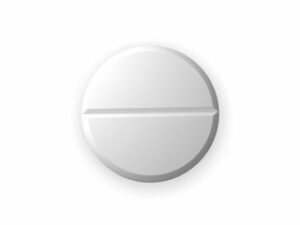
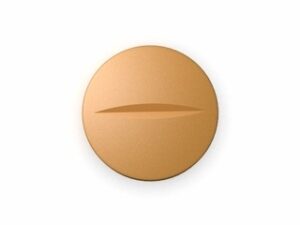
| Common forms | Tablets (strengths vary by product) |
| How it is used | To help maintain a normal or more stable heart rhythm in selected conditions |
| How it is usually taken | Typically one or more times daily, with consistent timing |
Brand names can vary in the UK market. Your local pharmacy or doctor can confirm the exact product and strength you have.
How sotalol works (mechanism of action)
Sotalol helps to stabilise the heart’s electrical system in two main ways:
- Beta-blocking effect: It blocks beta-adrenergic receptors, which can reduce heart rate and lessen the triggers that promote abnormal rhythms.
- Potassium-channel (antiarrhythmic) effect: It helps prolong the electrical recovery phase of heart cells. This can make certain abnormal rhythms less likely.
Because it affects heart rhythm through these electrical mechanisms, sotalol may change the heart’s QT interval on an ECG. In some people, this can rarely lead to a dangerous rhythm called torsades de pointes, especially when combined with other risk factors or interacting medicines.
Pharmacokinetics (how the body handles sotalol)
Understanding pharmacokinetics can help explain why timing and consistency matter.
- Absorption: Sotalol is absorbed after you take it by mouth. Food may affect the absorption rate for some people, which is why consistent timing is often advised.
- Distribution: It distributes through the body and affects heart tissue.
- Metabolism: Sotalol is not extensively metabolised by the liver.
- Elimination: It is mainly cleared by the kidneys. If kidney function is reduced, sotalol can build up, increasing the risk of side effects and rhythm problems.
- Half-life: The effect can last long enough for twice-daily or other schedules, depending on your dose and kidney function.
Your clinician may check kidney function and may use ECG monitoring when starting or adjusting sotalol.
Typical use in the UK
In the United Kingdom, sotalol is used for certain symptomatic arrhythmias where rhythm control is considered appropriate. The exact choice of medicine depends on factors such as the rhythm type, heart function, kidney function, other medications, and ECG findings.
It may be used to help:
- Maintain rhythm control in selected patients with certain atrial or ventricular arrhythmias
- Reduce the frequency and severity of abnormal heart rhythms
- Support an overall treatment strategy alongside lifestyle measures and other therapies
Your prescriber will decide whether sotalol is suitable for you. Monitoring is important because of its potential impact on ECG parameters.
Indications (what it is used for)
“Indication” means the medical condition(s) the medicine is used to treat. Sotalol may be considered for:
- Ventricular arrhythmias (selected cases where antiarrhythmic therapy is appropriate)
- Atrial arrhythmias (selected cases, depending on overall risk and previous treatment response)
Whether sotalol is chosen often depends on ECG features (including QT interval), the presence of structural heart disease, and your overall risk profile.
Dosing: how to take sotalol safely
Dosing needs to be individualised. The dose that is right for you depends on:
- the type of arrhythmia
- kidney function
- ECG results (especially QT interval)
- age and overall tolerance
- other medicines you take
Typical regimens for sotalol are often twice daily in many patients, but some people may be prescribed different schedules. Always follow the dose and schedule given to you by your healthcare professional and do not change it without advice.
When dosing changes are considered
- If your kidney function changes, the dose may need adjustment.
- If you start medicines that interact with sotalol, clinicians may revise dosing and monitoring.
- If side effects occur (e.g., slow heart rate, dizziness), the dose or timing may need review.
Missed dose guidance
If you miss a dose, do not take extra doses to “catch up” unless advised. Take your next scheduled dose. If you are unsure, speak to a pharmacist for guidance based on your dosing schedule.
Timing: consistency matters
To get the best and most stable effect, it helps to take sotalol at regular times each day. Many people find it easiest to use:
- a morning and evening routine
- alarms on a phone
- linked timings with meals, if your clinician advises consistency with food
Because sotalol is affected by how quickly the body clears it (especially via the kidneys), sticking to your schedule can reduce fluctuations in blood levels.
Food interactions
Sotalol can be affected by food in some people, mainly in terms of absorption and timing. For practical reasons, many patients are advised to take sotalol:
- consistently either with food or without food (unless your healthcare professional advises otherwise), and
- with plenty of fluids, where appropriate for your overall health and hydration status.
If you notice that taking it at a different time or with a different meal pattern seems to worsen side effects (such as dizziness or palpitations), discuss this with a pharmacist or clinician.
Alcohol interactions
Alcohol may worsen some side effects associated with sotalol, such as:
- dizziness or light-headedness
- tiredness
- low blood pressure or a feeling of faintness
Alcohol can also affect heart rhythm in some individuals. It is best to keep alcohol intake moderate and seek advice if you notice changes in palpitations or breathing after drinking.
Medicine interactions (important)
Sotalol can interact with other medicines that affect heart rhythm, heart rate, electrolytes, or kidney clearance. Interaction risk can be serious because the combination can further increase the likelihood of QT prolongation or other rhythm disturbances.
Key interaction categories to discuss with a pharmacist
- Other medicines that prolong the QT interval: Combining with such drugs can significantly increase torsades risk.
- Medicines that slow the heart rate: Sotalol may add to the effects of other rate-slowing medicines, increasing the risk of bradycardia or heart block.
- Electrolyte-lowering medicines: Low potassium (hypokalaemia) or low magnesium (hypomagnesaemia) increases the risk of rhythm problems. These include some diuretics (“water tablets”) and medicines that affect electrolytes.
- Medicines that affect kidney function or are cleared by the kidneys: Reduced clearance may raise sotalol levels.
- Some antidepressants, antipsychotics, antibiotics, and antifungals: Many of these can affect QT interval or heart rhythm.
- Other beta-blockers: Additional beta blockade may cause excessive slowing of the heart rate and lowered blood pressure.
Always do this before starting new medicines
- Tell your pharmacist and other healthcare professionals that you take sotalol.
- Check any new prescription or over-the-counter product for potential interactions.
- If you are given antibiotics or antifungals, ask specifically about heart rhythm/QT risk.
If you are unsure about an interaction, a pharmacist can advise based on the exact product and your dose.
Safety profile: what to watch for
Like all medicines, sotalol can cause side effects. Some are expected or manageable, while others require urgent attention.
Common or expected side effects
- tiredness or fatigue
- dizziness or feeling light-headed
- slow heartbeat (bradycardia)
- feeling weak
- cold hands and feet (due to beta-blocking effect)
Serious side effects — seek urgent medical help
Contact emergency services or seek urgent medical care if you experience:
- fainting or near-fainting
- severe dizziness that doesn’t settle
- palpitations with chest pain or shortness of breath
- unusual breathlessness, especially at rest
- signs of a dangerous heart rhythm (your clinician may describe what to watch for)
Risk factors that may increase adverse effects
Your risk of serious rhythm complications can be influenced by factors such as:
- low potassium or magnesium levels
- reduced kidney function
- existing QT prolongation
- concomitant QT-prolonging medicines
- bradycardia (slow baseline heart rate)
Heart rate and ECG monitoring
Sotalol’s safety depends strongly on ECG and clinical monitoring. Many patients have ECG checks when:
- starting sotalol
- changing dose
- starting interacting medicines
- kidney function changes
Practical use tips for UK patients
- Use a consistent schedule: take it at the same times each day.
- Stay hydrated appropriately: follow your clinician’s advice, especially if you have fluid restrictions.
- Don’t stop suddenly: if you need to stop or change it, your healthcare professional will advise a safe plan. Abrupt stopping can worsen rhythm control in some patients.
- Keep track of symptoms: note dizziness, faintness, or changes in palpitations and report them promptly.
- Monitor electrolytes when advised: if you have a risk of low potassium or magnesium, follow lab monitoring schedules.
- Be cautious with over-the-counter products: some cough/cold remedies and supplements may affect heart rhythm or blood pressure.
If you drive, operate machinery, or work at height, be mindful that dizziness or tiredness can occur. Do not drive if you feel unwell or dizzy.
Alternative options (discuss with your clinician)
Treatment for arrhythmias varies widely. Depending on your specific rhythm, underlying heart condition, and previous response, clinicians may consider other approaches, such as:
- Other antiarrhythmics (chosen based on rhythm type and risk profile)
- Rate-control strategies (focusing on controlling how fast the heart beats rather than restoring rhythm)
- Cardioversion or procedural options in selected cases
- Catheter ablation for certain arrhythmias where appropriate
- Lifestyle measures such as reducing triggers (e.g., excessive caffeine or alcohol), managing sleep apnoea if present, and treating contributing conditions
The best alternative depends on your diagnosis and safety factors. A pharmacist or clinician can explain what options are most suitable for your situation.
Market and legal context in the United Kingdom
In the UK, sotalol is a medicine used in clinical care for rhythm disorders. Medicines with this safety profile are subject to regulated supply arrangements. Availability may depend on product presentation and local supply chains.
Medicines in the UK are regulated by the Medicines and Healthcare products Regulatory Agency (MHRA), and guidance and safety updates may be issued through official channels. Health professionals also follow national clinical guidance and established prescribing standards.
If you are looking for sotalol online, ensure you purchase from a reputable, licensed provider that complies with UK medicines distribution regulations.
Recent guidance and monitoring (what to expect)
While specific “recent guidance” can vary over time, clinical practice commonly emphasises:
- ECG monitoring for QT interval and heart rate, especially at initiation or dose change
- Kidney function assessment to guide dosing
- Medication reviews to avoid QT-prolonging or electrolyte-affecting combinations
- Electrolyte checks where diuretics or other risk factors exist
Always follow your prescriber’s monitoring plan. If you are told to get blood tests or an ECG, it is because these checks help keep the medicine safe for you.
Delivery and availability (UK)
Availability of sotalol can vary by strength and manufacturer. When an online pharmacy lists sotalol, it is typically supplied as tablets in the specified strength and pack size.
- Before ordering: confirm the strength and dosage form match what you were previously given.
- Delivery: most UK-licensed online pharmacies offer delivery services to UK addresses; delivery timeframes depend on local distribution and stock.
- Out-of-stock situations: if a product is temporarily unavailable, the pharmacy may suggest alternatives (such as different pack sizes) or inform you of expected restock dates.
If you are unsure whether a product is suitable for you, contact a pharmacist. Do not swap to a different strength without advice.
FAQ — Sotalol
1. What is sotalol used for?
Sotalol is used to help control certain heart rhythm problems by stabilising the heart’s electrical activity. The exact indication depends on your specific diagnosis and risk factors.
2. How soon does sotalol start working?
Many patients notice effects within hours after a dose, but the overall rhythm-control benefit and stable dosing strategy are established over days to weeks with monitoring. Your clinician may adjust the dose based on ECG and symptoms.
3. Do I need ECG monitoring?
ECG monitoring is a key part of safety with sotalol because it can affect the QT interval. Monitoring is commonly done at initiation, when adjusting the dose, and when starting interacting medicines or if symptoms occur.
4. Can I take sotalol with food?
Food may affect absorption. For best consistency, many people are advised to take sotalol at the same time relative to meals each day (either always with food or always without), unless your healthcare professional advises otherwise.
5. What should I do if I miss a dose?
Take your next scheduled dose. Do not take extra doses to make up for a missed tablet unless a pharmacist or clinician advises you to do so.
6. What alcohol interactions should I be aware of?
Alcohol may increase dizziness or tiredness and may worsen rhythm symptoms in some people. If you drink alcohol, keep it moderate and be alert to symptoms such as palpitations, dizziness, or breathlessness.
7. What medicines should not be taken with sotalol?
Medicines that prolong the QT interval, medicines that slow heart rate, and medicines that affect potassium/magnesium levels may interact. Always tell your pharmacist about all medicines and supplements you take.
8. Why does kidney function matter?
Sotalol is mainly cleared by the kidneys. If kidney function is reduced, sotalol can accumulate and increase the risk of side effects and dangerous rhythm disturbances. Dosing may be adjusted based on kidney function.
9. What symptoms mean I should seek urgent help?
Seek urgent medical attention if you faint, have severe dizziness, chest pain with palpitations, sudden shortness of breath, or symptoms that could indicate a serious abnormal heart rhythm.
10. Are there alternatives to sotalol?
Yes. Depending on your arrhythmia type and medical history, clinicians may consider other antiarrhythmics, rate-control medicines, procedures such as ablation, or other rhythm strategies. Your clinician can recommend the most appropriate option.
This information is intended to support patients in understanding sotalol. It does not replace advice from a healthcare professional. If you have questions about your specific treatment, speak to a qualified pharmacist or clinician.