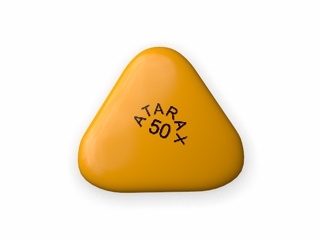
Atarax (Hydroxyzine) – Patient Information Guide (UK)
Atarax contains hydroxyzine, an antihistamine medicine used for certain allergic conditions and for short-term relief of anxiety-related symptoms. This page explains how Atarax works, how it’s used, important safety information, and practical tips to help you use it safely.
Note: Medicines affect people differently. Always read the patient information leaflet provided with your medicine and follow the advice of a qualified healthcare professional.
Quick overview
- Active ingredient: Hydroxyzine
- Type: Antihistamine (H1 receptor antagonist) with calming (anxiolytic) and sedating effects
- Common uses: Anxiety symptoms, itching/allergic skin reactions, and as part of pre-operative or short-term symptom control in some settings
- Typical effects: Can cause drowsiness, calmness, and reduced itching
- Key cautions: Do not drink alcohol; may impair driving; may affect heart rhythm in some people
What is Atarax?
Atarax is a brand of hydroxyzine. Hydroxyzine is part of the first-generation antihistamine group, meaning it can cross into the brain more readily than some newer antihistamines. As a result, it often has a noticeable sedative effect.
In the UK, Atarax is used under clinical guidance for symptoms such as anxiety and itching due to allergic conditions. Your specific reason for taking Atarax determines the most appropriate dose and timing.
How Atarax works (mechanism of action)
Hydroxyzine works mainly by blocking histamine H1 receptors. Histamine is a chemical released in the body during allergic reactions and also plays a role in itching and inflammation.
By blocking H1 receptors, Atarax can:
- Reduce itching and allergic skin symptoms
- Help with allergy-related discomfort
- Reduce alertness because first-generation antihistamines can affect the brain
Hydroxyzine also has additional effects that contribute to its calming and anti-anxiety properties in some people.
Pharmacokinetics: how the body processes it
Pharmacokinetics describes how a medicine is absorbed, distributed, metabolised, and removed from the body.
- Absorption: Hydroxyzine is absorbed after oral dosing.
- Distribution: It can cross into the brain, contributing to sedation.
- Metabolism: Hydroxyzine is metabolised mainly in the liver.
- Elimination: Metabolites are eliminated primarily through the kidneys.
Practical implication: If you have liver or kidney problems, you may need careful dose selection and monitoring. Older adults may be more sensitive to drowsiness and side effects.
What is Atarax used for? (indications)
Atarax is used for:
- Symptomatic relief of anxiety (usually short-term or as part of a broader plan)
- Relief of itching associated with allergic conditions
- Other allergy-related symptoms depending on local clinical practice
- Some pre-procedure symptom control in hospital settings, if advised by clinicians
Because indications can vary by patient and local guidance, your clinician will select the most appropriate use for your situation.
Timing and when to take it
Timing depends on why you’re taking Atarax and how it affects you personally. Many people take it in the evening because it can cause drowsiness.
- If it makes you sleepy: consider taking it at night or when you won’t need to drive.
- If it’s for daytime symptoms: start with the lowest dose advised and reassess sedation before driving or operating machinery.
- Consistency: try to take it at the same times each day when using a regular schedule.
Missed dose: If you miss a dose, take it when you remember unless it’s close to your next dose. If you’re unsure, seek advice from a pharmacist.
Dosing (general guidance)
Atarax dosing should be individualised based on age, the condition being treated, and other health factors (such as liver or kidney function). For accurate dosing, always follow the dose on your medicine label or the advice given to you.
Typical dosing patterns you may see in practice (for patient orientation only):
- Adults: often taken in divided doses or at night for sedation-related symptoms, depending on the indication.
- Children and young people: dosing must be determined carefully by clinicians and is age/weight dependent; follow the prescribed regimen exactly.
Important: Do not increase your dose to “make it work faster.” If symptoms aren’t improving, contact a healthcare professional for review.
Food interactions
Hydroxyzine can be taken with or without food. However, food-related considerations may affect comfort and tolerability:
- No specific “must avoid” foods are commonly required for hydroxyzine.
- To reduce stomach upset (if it occurs): taking a dose with food may help some people.
- Sedation: heavy meals and alcohol can both worsen drowsiness—see the alcohol section below.
If you notice unusual side effects after meals, speak to a pharmacist.
Alcohol and medicine interactions
Alcohol
Do not drink alcohol while taking Atarax. Alcohol can significantly increase sedation, impair judgement, and raise the risk of accidents and falls.
Other medicines that may interact
Hydroxyzine may interact with medicines that also slow the nervous system or affect heart rhythm. In particular, take care with:
- Other sedatives (e.g., sleeping tablets, benzodiazepines, some strong pain medicines)
- Opioids (increased risk of drowsiness and breathing problems)
- Other antihistamines (including cold/flu remedies that contain sedating antihistamines)
- Medicines that can affect the heart’s rhythm (QT prolongation risk)
- Medicines processed by the liver (possible changes in hydroxyzine levels)
Always check labels of over-the-counter medicines (including travel sickness tablets and some cough/cold products) for antihistamines or sedating ingredients.
If you’re taking regular medicines, ask your pharmacist to review your medication list for interactions.
Safety profile and side effects
Like all medicines, Atarax can cause side effects. Many side effects are related to sedation.
Common side effects
- Drowsiness or tiredness
- Dizziness
- Dry mouth
- Headache
- Blurred vision in some people
- Constipation
- Nausea
Less common but important
- Urinary retention (difficulty passing urine), especially in people with prostate issues
- Agitation or confusion (more likely in some older adults)
- Allergic reactions (e.g., rash, swelling, breathing difficulty—seek urgent help)
- Changes in heart rhythm (rare, but important; see “Heart rhythm concerns” below)
Heart rhythm concerns (QT prolongation)
Hydroxyzine has been associated with QT prolongation in some circumstances. The risk is higher if you:
- Have a known heart rhythm problem
- Have low potassium or magnesium levels
- Take other medicines that can prolong the QT interval
- Have significant liver impairment
- Are taking higher doses than recommended
Seek urgent medical help if you develop symptoms such as fainting, severe dizziness, or a fast/irregular heartbeat.
Driving and operating machinery
Atarax can impair your ability to drive and use tools or machinery due to drowsiness and slowed reaction time.
- Avoid driving until you know how it affects you.
- Be especially cautious during the first few days or after dose changes.
Older adults
Older people may be more sensitive to anticholinergic and sedating effects (such as confusion, falls, and dry mouth). Dose adjustments and extra monitoring may be needed.
Practical use tips
- Start low and reassess: If sedation occurs, talk to a pharmacist about whether your dose/timing needs adjustment.
- Choose a safe time: Many people take Atarax in the evening. Avoid taking it right before you plan to be active.
- Hydrate: Dry mouth is common; sip water and maintain good oral hygiene.
- Stand up slowly: Dizziness can occur; take care when moving from lying or sitting to standing.
- Avoid doubling up: Don’t combine it with other sedating antihistamines or sleep aids unless a clinician advises it.
- Keep an eye on constipation: Consider dietary fibre and fluids; ask a pharmacist if you need advice.
If your symptoms worsen or you develop side effects that concern you, seek advice rather than stopping abruptly—especially if the medicine is being used for anxiety-related symptoms.
Alternative options (depending on your symptoms)
Alternatives vary by indication (itching vs anxiety) and individual suitability. Your pharmacist or clinician can recommend appropriate options. For patient orientation, alternatives may include:
For itching/allergic symptoms
- Non-sedating antihistamines (e.g., loratadine or cetirizine) may be preferred for daytime use
- Topical treatments (e.g., moisturisers, anti-itch creams) for skin-specific symptoms
- Treating the underlying allergy (avoidance measures and, when appropriate, clinician-led therapy)
For anxiety-related symptoms
- Non-medicine strategies (sleep hygiene, breathing techniques, cognitive behavioural approaches)
- Other short-term options may be considered by clinicians depending on medical history
- Longer-term treatments may involve different classes of medicines and structured support
Important: Alternatives may have different side effect profiles, including sedation or heart rhythm effects. Always choose based on your personal risk factors and the advice you receive.
Atarax in the UK: market and legal context
In the UK, hydroxyzine-containing medicines are regulated under national medicines policy and are supplied through appropriate healthcare channels. Availability and prescribing rules may vary according to formulation, indication, and local clinical protocols.
Safety updates and recent guidance: Over recent years, regulatory and clinical attention has focused on heart rhythm (QT) risk with hydroxyzine and on safe prescribing—particularly concerning dose, patient risk factors, and interactions.
In practice, this means healthcare professionals consider:
- Whether hydroxyzine remains the safest option for the individual
- Dose and duration (aiming for the lowest effective dose for the shortest appropriate time)
- Co-medications that increase sedation or affect the QT interval
- Patient factors such as age and liver/renal function
Always follow current advice from your pharmacist or clinician regarding suitability for you.
Delivery and availability (UK)
Availability of Atarax can vary by supplier and by formulation strength. If it’s a product you commonly use, check stock status on the pharmacy website before ordering.
Delivery: Most online pharmacies in the UK deliver within typical courier timeframes (for example, next-day or within 2–3 working days depending on service level and location). Delivery times can be affected by bank holidays and high-demand periods.
Packaging: Medicines are generally shipped in secure, tamper-evident packaging and stored to protect from damage during transit.
Storage: Store according to the leaflet instructions (commonly at room temperature, away from heat and moisture, and out of sight of children).
Safety checklist before you start
Before using Atarax, it’s a good idea to consider the following:
- Are you taking any other sedating medicines, sleeping tablets, or opioids?
- Do you take medicines that affect heart rhythm (QT prolongation)?
- Do you have a history of heart rhythm problems, fainting, or electrolyte imbalance?
- Do you have liver or kidney problems?
- Are you pregnant, trying to conceive, or breastfeeding? (Ask your healthcare professional for advice.)
- Do you have glaucoma or difficulty urinating/prostate problems? (Antihistamines can worsen some conditions.)
FAQ
1) Will Atarax make me sleepy?
Often, yes. Hydroxyzine commonly causes drowsiness and can slow reaction time. Many people find it safest to take it in the evening and avoid driving or machinery until they know how it affects them.
2) Can I take Atarax with food?
Yes. It can usually be taken with or without food. Taking it with food may help if you experience stomach discomfort.
3) Can I drink alcohol while using Atarax?
No. Alcohol increases sedation and can increase the risk of accidents and other harmful effects. Avoid alcohol while taking Atarax.
4) What if I forget a dose?
Take it when you remember unless it’s close to your next dose. If you’re unsure, ask a pharmacist for guidance.
5) How quickly does Atarax work?
Many people notice effects within hours. The exact timing varies depending on the dose, formulation, and individual response. For symptom relief (such as itching), it may start improving relatively quickly; for anxiety-related symptoms, effects may also be noticeable but can vary person to person.
6) Is Atarax safe for long-term use?
Atarax is often used short-term or for symptom control under clinical guidance. Long-term use should be reviewed regularly because sedation and other risks may become more significant over time. Follow the advice you were given.
7) Who should be extra careful with Atarax?
Extra caution is needed for older adults, people with liver or kidney problems, those with heart rhythm risk factors, and anyone taking other sedating or QT-prolonging medicines.
8) Can Atarax be used for allergies?
Atarax can be used for allergy-related symptoms such as itching. However, many people may prefer non-sedating antihistamines for daytime allergy control; your pharmacist can advise based on your needs.
9) What are signs of a serious reaction?
Seek urgent medical help if you get signs of an allergic reaction (swelling of face/lips, difficulty breathing), fainting, severe dizziness, or a fast/irregular heartbeat.
10) What are common side effects?
Common side effects include drowsiness, dizziness, dry mouth, headache, and constipation. If side effects are troublesome or persistent, speak to a pharmacist.
Product summary
- Atarax (hydroxyzine) is an antihistamine used for itching and to help relieve anxiety-related symptoms.
- It works by blocking histamine receptors and has a sedating effect that can be helpful for symptom relief.
- Key safety points: avoid alcohol, be cautious with driving, and watch for interactions and heart rhythm concerns.
- Dose choice and timing should be tailored to you and reviewed regularly.
If you have questions about suitability—especially if you have heart rhythm risk factors, liver/kidney issues, or take other medicines—contact your pharmacist for advice before continuing.