Arjuna (Medicinal Arjuna) — Patient-Friendly Guide (UK)
Arjuna is a herbal medicine traditionally used in the UK to support cardiovascular health, particularly in people who want to help maintain normal heart function. This page explains what Arjuna is, how it may work in the body, how it is typically taken, and what to consider for safe use—especially regarding food, alcohol, and other medicines.
Important: This information is for general guidance. Different products can have different strengths, formulations, and intended uses. Always check the specific label and patient information leaflet (if provided with your product).
Basic product information
- Product name: Arjuna
- Typical ingredients: Usually derived from Terminalia arjuna (bark extract or powdered bark, depending on the brand/formulation)
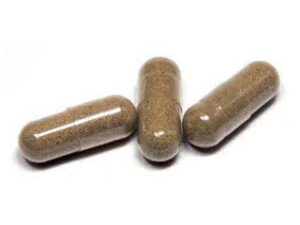
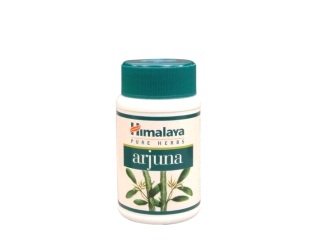
- Common form: Capsules, tablets, or powders (varies by manufacturer)
- Target area of use: Traditionally used to help support normal cardiovascular function and healthy circulation
- Availability in the UK: Many Arjuna products are sold as herbal supplements or traditional herbal medicines through online pharmacies and health stores (availability depends on brand and regulatory status)
Note on regulation: In the UK, herbal products may be marketed under different regulatory frameworks (for example, as traditional herbal medicines or as food supplements). The exact classification determines the claims that may be made and what information must be included on the label.
What is Arjuna?
Arjuna is a plant-based medicine made from Terminalia arjuna, a tree whose bark has been used for centuries in traditional systems of medicine. Modern products standardise the plant extract (or provide measured powdered bark), aiming to provide consistent dosing from batch to batch.
In UK consumer terms, Arjuna is often chosen for its potential role in:
- Supporting heart health and healthy circulation
- Helping maintain normal cardiovascular function
- Complementing a lifestyle that supports healthy blood pressure and wellbeing
How Arjuna may work (mechanism of action)
Arjuna’s main active constituents are thought to include triterpenes and related phytochemicals (the exact profile depends on the product and standardisation). The overall mechanism is not fully established in humans, but proposed actions include:
- Support for vascular function: Constituents may help support blood vessel health and normal circulation.
- Antioxidant activity: Plant compounds may contribute to antioxidant effects by helping protect tissues from oxidative stress.
- Influence on inflammatory pathways: Some studies suggest anti-inflammatory potential, which may support cardiovascular wellbeing.
- Possible effects on lipid metabolism: Some research (including laboratory and limited clinical data) suggests Arjuna may have an impact on cholesterol-related pathways.
Clinical evidence note: Evidence quality varies by product, dose, and study design. Arjuna may be helpful for some people as a supportive option, but it is not a replacement for evidence-based medical care where needed.
Pharmacokinetics (how the body processes it)
Pharmacokinetics describes absorption, distribution, metabolism, and excretion. For Arjuna, detailed pharmacokinetic information in humans is limited, and it can vary depending on the formulation (extract type, standardisation, excipients, and dose).
In general, herbal extracts:
- Absorption: Many plant constituents are absorbed to varying degrees after oral dosing.
- Metabolism: Compounds may be metabolised by the liver and intestinal enzymes.
- Elimination: Metabolites are typically eliminated via urine and/or bile.
Practical takeaway: Because pharmacokinetic data are not fully established, the best approach is to follow the manufacturer’s dosing instructions and allow time for consistent use, rather than expecting immediate effects.
What it is used for (typical use and indications)
In the UK, the way Arjuna can be described depends on its regulatory status and the claims permitted for the specific product. Commonly, Arjuna is used as:
- Support for cardiovascular health (general wellbeing of the heart and circulation)
- Complementary support for people interested in lifestyle-based heart care
- Traditional use for maintaining healthy functioning of the cardiovascular system
Examples of permitted-style descriptions (may vary by product):
- “Supports healthy circulation”
- “Helps maintain normal cardiovascular function”
- “Traditional herbal use for heart support”
When to seek medical advice: If you have chest pain, shortness of breath, fainting, or symptoms that concern you, seek urgent medical help. Herbal support should not be used to ignore serious symptoms.
How to take Arjuna: timing and dosing
Always follow your product label. Dosing depends on the strength and standardisation of your Arjuna formulation.
Typical adult dosing (general guidance)
Many Arjuna products are taken in divided doses. Common consumer dosing patterns include:
- 1 capsule/tablet two to three times daily, or
- Powder taken in measured portions, typically 1–2 times daily, or
- Extract dosed according to standardisation (often once or twice daily).
Timing suggestions:
- Take it consistently each day.
- Some people prefer taking Arjuna with meals to reduce any risk of stomach upset.
- For divided doses, take at roughly equal intervals (for example morning and evening).
How long until effects may be noticed?
Because Arjuna is supportive rather than an immediate medicine, changes (if they occur) are generally expected over time. Many people trial it for several weeks while maintaining a heart-healthy lifestyle.
If you do not notice any benefit or if you experience side effects, consider stopping and speaking with a healthcare professional or pharmacist for advice.
Food interactions and what to eat
Food interactions can depend on the specific extract and formulation. In practice:
- Taking with food is often recommended for comfort, especially if you are prone to indigestion.
- High-fat meals may alter absorption for some herbal compounds, but the overall clinical impact is unclear.
- If your product label provides specific instructions (e.g., “take with or after food”), follow those instructions.
Practical tip: If you are starting Arjuna, take your first dose with a meal and observe how you feel over 24–48 hours.
Alcohol interactions
There is no single, universal rule for alcohol with Arjuna because data are limited. However, since alcohol can affect blood pressure, liver function, and overall cardiovascular strain, it is sensible to consider:
- Moderation: Keep alcohol intake within UK guidelines.
- Watch for side effects: If you notice dizziness, palpitations, stomach upset, or fatigue after combining alcohol with your supplement, avoid the combination.
- Liver considerations: While Arjuna is not known for direct liver toxicity in typical doses, any supplement can be affected by alcohol-related liver stress.
If you have liver disease or drink heavily, speak to a healthcare professional before using Arjuna.
Interactions with other medicines
Herbal medicines and supplements can interact with prescription and non-prescription drugs. For Arjuna, interaction data may be limited, so it’s important to do the following:
- Check with a pharmacist if you take medicines regularly.
- Be especially cautious if you take medicines that affect heart rhythm, blood pressure, cholesterol, or bleeding risk.
Examples of medicines that may require extra care
- Blood pressure medicines (antihypertensives): there is a theoretical possibility of additive effects on blood pressure.
- Cholesterol-lowering medicines (statins and others): herbal supplements may add to lipid-related effects.
- Anticoagulants/antiplatelet medicines (for example warfarin, apixaban, clopidogrel): any supplement with potential to influence bleeding risk should be reviewed by a professional.
- Heart rhythm medicines: because cardiovascular systems are involved, it is safer to check for interactions.
- Diabetes medicines: if you have diabetes, monitoring is prudent because many herbal supplements can unpredictably affect metabolism.
What to do: Provide your full medicine list (including vitamins, minerals, and herbal products) to your pharmacist. If you start Arjuna, consider using it at a stable dose and reviewing your response after a few weeks.
Safety profile: who should be cautious
Arjuna is generally used by adults as a herbal support. Still, it may not be suitable for everyone. The following safety considerations are important.
Potential side effects
Side effects can vary by person and product formulation. Possible adverse effects reported with herbal supplements include:
- Stomach upset (nausea, indigestion, stomach discomfort)
- Headache or light-headedness
- Allergic reactions (itching, rash, swelling) — especially in people with known sensitivities to plant materials
Stop and seek advice if you develop signs of allergy, severe abdominal pain, or any worsening of cardiovascular symptoms.
Who should avoid or ask first
- Pregnancy and breastfeeding: Use should be avoided unless a qualified healthcare professional advises otherwise.
- Children: Safety and dosing are not established for paediatric use in many products.
- People with heart conditions: If you have heart failure, serious arrhythmias, or have had recent cardiac events, seek professional advice before using.
- People on multiple medications: Interaction risk can be higher.
- Liver or kidney problems: Talk to a clinician or pharmacist first.
Driving and machinery
Most people taking Arjuna report no effect on driving. However, if you feel dizzy or unwell, avoid driving and seek advice.
Practical use tips (getting the best results safely)
- Choose a reputable product: Prefer well-labelled, standardised products with batch information where available.
- Be consistent: Take Arjuna at the same times each day.
- Start low if you’re sensitive: If your product allows, follow label directions. Avoid doubling doses to “catch up.”
- Track symptoms: If your aim is cardiovascular support, note changes (e.g., energy levels, breathing comfort, digestion).
- Maintain lifestyle measures: For heart support, consider diet, exercise, and smoking cessation—these have the strongest evidence.
- Review after a trial period: If you don’t feel any benefit after several weeks, discuss next steps with a pharmacist.
Dosing summary table
| Topic | Typical guidance |
|---|---|
| Who it’s for | Adults seeking traditional or supportive cardiovascular health use (product-specific) |
| How to take | Oral; often with or after meals depending on tolerability and label |
| Frequency | Commonly 1–3 times daily depending on capsule/tablet strength or extract standardisation |
| Timing | Choose consistent times; spacing doses evenly if taken multiple times per day |
| Duration | Supportive use over weeks; reassess if no benefit or if side effects occur |
| Missed dose | Take when remembered unless near the next dose; do not double |
Alternative options
If you’re considering Arjuna, it’s worth noting that several other approaches may also support cardiovascular wellbeing—depending on your health goals and current conditions.
Lifestyle-based alternatives (strong evidence)
- Heart-healthy diet (e.g., Mediterranean-style eating)
- Regular physical activity (as advised for your health status)
- Weight management where appropriate
- Stop smoking and limit alcohol
- Stress reduction and adequate sleep
Other supplement options (varies by person)
Many people consider:
- Omega-3 fatty acids
- Magnesium (if deficient or advised)
- Coenzyme Q10 (often used for general heart support)
- Plant sterols/stanols for cholesterol support
Important: Supplements can also interact with medicines. If you are taking cardiovascular drugs, ask a pharmacist before starting any alternative.
UK market and legal context: how Arjuna is regulated
In the UK, herbal products are regulated under frameworks that can differ depending on classification. This affects:
- What the product can claim on labels and marketing materials
- Required documentation (for example, evidence of traditional use for a traditional herbal medicine)
- Warnings and instructions included on pack
What to look for on the label:
- Exact ingredient list and amount per serving
- Recommended daily dose
- Any contraindications and safety warnings
- Manufacture details such as batch/lot and storage conditions
Recalls and quality: Reputable suppliers follow UK quality and distribution standards. If a product is recalled, you should follow the recall notice promptly.
Recent guidance and practical recommendations
Because guidance for herbal medicines can change as regulators update requirements and as new safety information becomes available, it is wise to adopt practical, up-to-date habits:
- Consult a professional if you take prescription medicines, especially for the heart or blood thinning.
- Prefer evidence-informed products with standardised extracts and clear labelling.
- Report adverse effects to your pharmacist or healthcare provider.
- Do not rely on supplements to treat serious cardiovascular disease.
If you are unsure how Arjuna fits with your existing plan, a pharmacist can help you check for potential interactions and clarify what the product is and is not intended to do.
Delivery and availability in the UK
Arjuna products are typically available through online pharmacies and other health retailers. Availability can depend on:
- Whether the product is in stock locally or dispatched from a supplier/warehouse
- Seasonal demand and supply chain timing
- The specific brand/formulation you choose
Delivery expectations (general)
- Standard delivery: Commonly 2–5 working days after dispatch (varies by provider)
- Express delivery: If offered, may be next-day or 1–2 working days
- Packaging: Products are usually shipped in protective packaging to avoid damage
- Storage on arrival: Store as per label instructions (typically cool, dry, and away from sunlight)
Checking stock: If a product shows as out of stock, you may be able to sign up for restock alerts. Some retailers also offer alternative strengths or equivalent brands.
How to use Arjuna safely: common questions
Can I take Arjuna long-term?
Supportive herbal products are sometimes used for extended periods. However, long-term use should be reviewed periodically—especially if you take other medicines or have health conditions. If your label provides a maximum duration, follow it.
Is Arjuna suitable for everyone?
Arjuna may not be suitable for people who are pregnant or breastfeeding, children, or those with significant medical conditions—particularly if you take cardiovascular medicines. Ask a pharmacist for personalised safety advice.
What if I forget a dose?
Take it when you remember unless it’s close to the time for your next dose. Don’t take a double dose to make up for a missed one.
Will Arjuna replace my heart medication?
No. If you are already taking prescription heart medicines, Arjuna should not replace them. Any changes to your regimen should be discussed with a healthcare professional.
Will I feel anything immediately?
Many people do not notice immediate effects. If Arjuna is helpful, improvements (such as overall comfort or wellbeing) are generally gradual. Continue only for as long as you’re tolerating it well and as needed for your goals.
FAQ
1) What is Arjuna made from?
Most Arjuna products are derived from Terminalia arjuna bark, either as a powdered ingredient or an extract standardised by the manufacturer.
2) How should I take Arjuna?
Follow the specific directions on your product label. Many people take it with meals or after food for comfort. If it’s taken more than once daily, spread doses evenly.
3) Can I take Arjuna with food?
Yes, taking Arjuna with food is commonly tolerated. If your label says to take with or after food, follow that instruction.
4) Can I drink alcohol while taking Arjuna?
Moderation is recommended. If you notice dizziness, palpitations, or stomach discomfort after alcohol, stop the combination and seek advice.
5) Are there interactions with blood thinners or heart medicines?
Potential interactions are possible with cardiovascular and bleeding-related medicines. If you take anticoagulants, antiplatelets, or blood pressure or rhythm medicines, check with a pharmacist before starting.
6) What side effects might occur?
Possible side effects include digestive upset (such as nausea or indigestion), headache, or allergic reactions. Stop use and get urgent help if you develop signs of an allergy (e.g., rash, swelling, breathing difficulty).
7) Is Arjuna safe for long-term use?
Some people use it for extended periods, but it should be reassessed regularly. If you have ongoing conditions or take other medicines, review with a pharmacist.
8) Where can I buy Arjuna in the UK?
Arjuna may be available via online pharmacies and health retailers. Availability can vary by brand and regulatory classification.
9) How long does delivery take?
Delivery times vary by retailer and service level. Most UK online orders arrive within a few working days after dispatch (and sometimes next-day options may be available).
10) What should I do if I want to stop?
You can generally stop herbal supplements without tapering, but if you are stopping due to side effects or are concerned about your cardiovascular health, speak to a healthcare professional for guidance.
Final reminder: If you have symptoms such as chest pain, shortness of breath, fainting, or a rapidly worsening condition, seek medical help immediately. For routine support, Arjuna can be considered as part of a wider heart-healthy approach, with careful attention to the label, timing, and interactions.