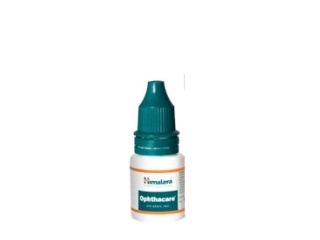


Ophthacare Eye Drops (UK) — Patient Information
Ophthacare is an eye-care medicine used to help relieve certain eye conditions and support comfort. This guide is written for patients in the United Kingdom and explains how Ophthacare works, how to use it, key safety information, and what to expect. Always follow the instructions provided with your product and consult a healthcare professional if you are unsure.
Note: Ophthacare products may vary by strength and formulation. Check the label for the exact active ingredient(s), strength, and directions for use.
1) Basic product information
| Item | What to look for |
|---|---|
| Product name | Ophthacare Eye Drops |
| Form | Eye drops (sterile ophthalmic solution) |
| Common packaging | Multidose bottle or unit-dose containers (depends on brand/pack) |
| Active ingredient | Check the pack for the specific ingredient(s) and strength |
| Intended use | Eye comfort/condition relief as directed by the product information |
| Who it is for | Adults and, in some cases, children—confirm age guidance on the label |
Do not use Ophthacare if the bottle seal is broken, the solution appears discoloured, or the expiry date has passed. If you are unsure about suitability for your eye problem, speak to a pharmacist or optometrist.
2) What Ophthacare is used for (typical use)
Ophthacare is designed to treat eye symptoms related to irritation or dryness, and in some formulations may be used to help protect or soothe the surface of the eye. Typical reasons people use eye drops in the UK include:
- Dryness and discomfort (e.g., gritty feeling, burning, mild irritation)
- Redness related to surface irritation
- Supporting eye comfort during environments that worsen symptoms (wind, air conditioning, prolonged screen use)
- Temporary relief of symptoms associated with minor eye surface issues
Important: If you have symptoms such as severe pain, sudden vision changes, marked light sensitivity, discharge that crusts over, or symptoms after an injury (e.g., metal/chemicals), seek urgent medical advice. Eye problems can sometimes indicate conditions that require specific treatment.
3) How Ophthacare works (mechanism of action)
The exact mechanism depends on the active ingredient(s) in your specific Ophthacare product. In general, many ophthalmic “comfort” medicines work by one or more of the following:
- Moisturising and lubricating the eye surface to reduce friction and improve comfort
- Supporting the tear film (the thin layer of tears that protects the cornea)
- Reducing irritation by forming a soothing layer or stabilising the ocular surface
- Protecting against dryness through improved wettability and hydration
By improving how the eye surface feels and functions, Ophthacare may relieve the symptoms that make dryness and irritation difficult to tolerate.
4) Pharmacokinetics (how the body handles it)
For most topical eye drops, systemic absorption is typically low because the medication is applied directly to the eye surface. Pharmacokinetics can vary by formulation, the presence of inflammation, and how often the drops are used.
- Absorption: Most of the drop stays on the ocular surface and is cleared by normal tear drainage.
- Distribution: Only small amounts may reach the bloodstream; distribution throughout the body is usually minimal.
- Metabolism and excretion: Any absorbed fraction is generally processed by normal bodily pathways and cleared in the usual way.
What this means for patients: Because systemic absorption is usually limited, side effects are most commonly local (around the eyes). However, this does not replace medical advice—follow the dosing instructions and stop use if you experience significant adverse effects.
5) When to use it (timing and schedule)
When you start Ophthacare and how frequently you use it depends on your symptoms and the strength of the product. Common schedules for eye comfort medicines often include:
- Short-term relief: Use as directed when symptoms flare (e.g., throughout the day).
- Regular symptoms (e.g., dryness with screen use): Use at set times (often morning, afternoon, and evening) or as needed within the limits on the label.
- Before activities: Some people use drops before long screen sessions, driving, or time in air conditioning.
Practical timing tip: If you also use other eye products (such as lubricating drops, gels, or medicated drops), use them in the order recommended by your pharmacist/optometrist and allow a gap between products (see the “Practical use tips” section).
6) Food interactions
Because Ophthacare is applied to the eye and absorption into the bloodstream is usually low, food interactions are not typically expected. There is generally no need to adjust meals when using eye drops.
Still, if you are using other medicines and you notice unexpected effects, seek advice. Always check the label or patient leaflet for any specific warnings related to your formulation.
7) Alcohol and medicine interactions
Eye drops usually have minimal systemic exposure, so direct alcohol interactions are unlikely. However, alcohol can sometimes worsen dehydration or dry-eye symptoms, which may make your eyes feel less comfortable even if the medicine is working correctly.
Other medicine interactions: The most relevant interactions are often about using multiple eye products together rather than classic drug–alcohol interactions.
- Other eye drops: Different products may be incompatible or may reduce each other’s effectiveness if applied too closely.
- Contact lenses: If your drops contain ingredients that affect lens safety, you may be advised to remove lenses before instillation.
- Systemic medicines: Rarely, some ingredients could cause sensitivity reactions in certain people; seek advice if you have a history of medication allergies.
If you take medicines for eye conditions (e.g., glaucoma medicines) or you are under active eye treatment, ask a pharmacist or optometrist for a recommended schedule.
8) Indications (who Ophthacare may be suitable for)
In the UK, Ophthacare may be indicated for certain eye discomfort conditions such as:
- Dryness-related symptoms (irritation, grittiness, mild burning)
- Surface comfort support where dryness is aggravated
- Maintenance of comfort for people with recurrent symptoms
Not for serious eye emergencies: Ophthacare is intended for appropriate, typical eye discomfort. It is not a substitute for urgent assessment if you suspect infection, chemical burn, significant injury, or vision-threatening disease.
9) Dosing and how to use Ophthacare
Always follow the dosing instructions on the pack or provided by your healthcare professional. The guidance below is general information and may not match your exact product.
Typical dose (general)
- Adults: Often 1–2 drops in the affected eye(s) up to a specified number of times per day.
- Children: Use only if the product leaflet permits and with specific age directions.
Common approach: Start with the minimum frequency recommended for symptom relief. If symptoms persist beyond the expected timeframe, stop self-treatment and seek advice.
Step-by-step instructions
- Wash your hands thoroughly.
- If required, remove contact lenses before using the drops (and reinsert only when appropriate—check the label).
- Gently tilt your head back and pull down the lower eyelid to form a small pocket.
- Hold the bottle above the eye without touching the eye or eyelids.
- Instil 1 drop (avoid blinking right after applying).
- Close your eye gently and press a finger lightly on the inner corner of the eye (near the nose) for about 1 minute if this is comfortable—this can help reduce drainage.
- Repeat for the other eye if directed.
- Wipe away excess solution with clean tissue.
- Wash your hands again.
If you miss a dose
Use the missed dose when you remember, unless it is close to the time for your next dose. Do not apply extra drops to make up for a missed dose.
If you use other eye medicines
Allow a gap between different eye products (commonly 5–15 minutes, depending on the products). Your pharmacist can advise the best schedule for your combination.
10) Safety profile and side effects
Most people tolerate Ophthacare well. However, like all medicines, it can cause side effects. These are usually mild and short-lived.
Common or mild side effects
- Temporary stinging or burning after instillation
- Redness or mild irritation
- Watery eyes
- Temporary blurred vision right after use (avoid driving until vision clears)
Stop using and seek medical advice urgently if you experience
- Severe pain in the eye
- Significant worsening redness or swelling
- Marked sensitivity to light
- New or increasing discharge, especially thick yellow/green discharge
- Sudden vision changes
- Allergic reactions such as facial swelling, intense itching, or rash
Special warnings
- Infection risk: Do not touch the dropper tip to the eye or surrounding areas.
- Contact lens safety: Many eye drops require lens removal; follow the instructions carefully.
- Use duration: If symptoms persist or recur frequently, consider professional assessment rather than indefinite self-treatment.
- Children: Ask a pharmacist/clinician before use in children if guidance is unclear.
11) Practical use tips for best results
- Keep it clean: Avoid touching the nozzle to your eye. Replace the cap promptly.
- Consistency matters: Dry-eye symptoms often respond better to regular use than to occasional use.
- Don’t share drops: Sharing can spread infection.
- Artificial tears/gels: If you are using lubricating products, consider using ointments or gels at night for longer relief (ask a pharmacist).
- Screen habits: Follow the “20-20-20” rule (every 20 minutes, look 20 feet away for 20 seconds) to reduce dryness.
- Environment: Avoid direct fan/air conditioning airflow and consider a humidifier if appropriate.
- Positioning: Instil the drop with the head tilted back; keep the lower eyelid gently pulled down.
- Aftercare: If your vision blurs temporarily, wait until it clears before driving or operating machinery.
12) Alternative options
Depending on the cause of your symptoms, alternatives may include other types of eye drops and eye-care approaches. Examples (your pharmacist can tailor options to you) include:
- Lubricating eye drops (artificial tears): Often used for mild dryness and irritation.
- Ointments/gels: Useful for nighttime dryness because they stay longer on the eye surface.
- Dry-eye specific formulations: Some contain ingredients designed to improve tear film stability.
- Warm compresses and lid hygiene: Particularly helpful if symptoms relate to eyelid inflammation.
- Prescription alternatives (for specific diagnoses): If an underlying condition is suspected, professional assessment is important.
If symptoms do not improve, persist more than the product’s recommended duration, or you suspect an infection or allergy, seek advice from an optometrist or GP/eye clinic.
13) Ophthacare in the UK: market and legal context
In the United Kingdom, medicines are regulated by the Medicines and Healthcare products Regulatory Agency (MHRA) and must meet UK quality, safety, and efficacy requirements. Products sold through online pharmacies should be authorised and supplied in line with UK requirements.
Depending on the exact Ophthacare formulation, it may be available:
- As an over-the-counter medicine for self-care, or
- As a product supplied under pharmacy-only arrangements, or
- Through specific routes if it contains ingredients requiring additional controls.
Recent guidance (general UK practice): For eye symptoms, UK health professionals generally emphasise that people should seek prompt assessment if red flags are present (pain, discharge, light sensitivity, or vision changes) rather than relying on over-the-counter remedies alone. This “safety-first” approach helps ensure infections or serious conditions are not missed.
14) Delivery, availability, and how to store
Availability online
Ophthacare may be available through online pharmacies in the UK. Availability can vary by stock levels and the specific pack size or strength.
Delivery
Delivery services and timeframes vary by supplier and location within the UK. When ordering online, check:
- Estimated delivery date shown at checkout
- Carrier options (standard vs express, if offered)
- Packaging to protect bottles from damage
Storage
- Store according to the instructions on the outer carton.
- Keep the bottle tightly closed.
- Avoid excessive heat and sunlight.
- Check the expiry date and any guidance about discarding after first opening (often stated on the pack/leaflet).
15) Frequently Asked Questions (FAQ)
Is Ophthacare suitable for everyone?
Most people can use Ophthacare if they do not have known allergies to its ingredients and they follow the instructions on the pack. If you have had reactions to eye drops before, are using other eye medicines, or you have an underlying eye condition, ask a pharmacist or optometrist for advice.
Can I wear contact lenses with Ophthacare?
That depends on the formulation. Many eye drops require you to remove contact lenses before use and wait before reinserting. Always check the label/patient leaflet for the specific guidance for Ophthacare.
How quickly should I feel better?
For mild dryness or irritation, some people notice comfort soon after using the drops. If you do not notice improvement after a short period (as indicated on the pack), stop and seek advice.
Will Ophthacare affect my driving?
It may cause temporary blurred vision or watering directly after instillation. Do not drive or operate machinery until your vision is clear.
Can I use Ophthacare with other eye drops?
Often yes, but you should separate different eye products by a short interval to avoid washing one out. Your pharmacist can advise an appropriate schedule, especially if you use medicated drops.
What should I do if I accidentally use too much?
Using an extra drop is usually not dangerous, but excessive use may increase irritation. If you feel unwell or your symptoms worsen, contact a pharmacist or seek medical advice.
What if I develop redness or stinging that gets worse?
Mild, temporary stinging can happen with eye drops. However, if discomfort persists, significantly worsens, or is accompanied by pain, discharge, or light sensitivity, stop using Ophthacare and get urgent advice from a clinician.
Are there any food or vitamin interactions?
Food interactions are not typically expected with eye drops applied locally to the eye. If you have concerns about other medicines you take (especially if you also use other eye treatments), speak to a pharmacist.
Can I drink alcohol while using Ophthacare?
Direct alcohol interactions are unlikely. However, alcohol can worsen dehydration and may make dry-eye symptoms feel worse. Use the drops as directed and seek advice if symptoms are not improving.
How long can I use it?
Use Ophthacare for the duration recommended on the pack. If symptoms persist, recur frequently, or you have recurring problems, you should seek professional assessment to identify the underlying cause.
16) When to seek medical help (don’t delay)
Please seek prompt advice from an optometrist, GP, or emergency eye service if you experience any of the following:
- Severe eye pain
- Sudden or worsening vision problems
- Significant light sensitivity
- Thick discharge, suspected infection, or symptoms after an injury
- Chemical exposure to the eye
For chemical burns, flush the eye with clean water immediately and seek urgent help.
Summary
Ophthacare is a topical eye-care medicine intended to help relieve eye discomfort such as dryness and irritation. It works by supporting comfort on the surface of the eye and helping improve how the eye feels. Because absorption into the body is usually low, side effects are typically local and mild. Use it as directed, practise good hygiene to avoid contamination, and seek professional assessment if symptoms are severe or do not improve.