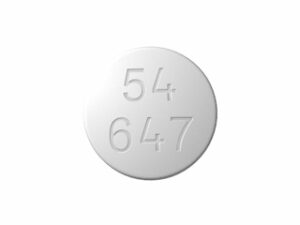

Conjugated Estrogens (UK) – Patient-Friendly Medicine Information
Conjugated estrogens are a form of oestrogen therapy used to treat hormone-related conditions. Oestrogens are female sex hormones that play an important role in the body, including the regulation of the reproductive tract and the maintenance of vaginal and urinary tissues. This page explains what conjugated estrogens are, how they work, how they are used, and what to consider for safe, practical use in the United Kingdom.
This information is designed to be helpful and easy to understand. It does not replace the advice of your healthcare professional. If you are unsure about your situation—especially if you have a history of blood clots, breast cancer, or endometrial (uterine lining) problems—please seek medical advice.
Basic product information
- Medicine name: Conjugated estrogens
- Hormone type: Oestrogen (female sex hormone)
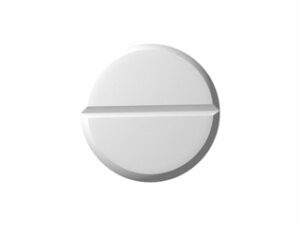
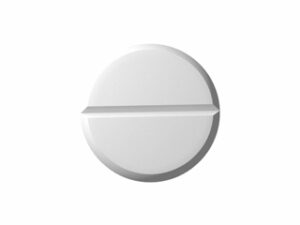
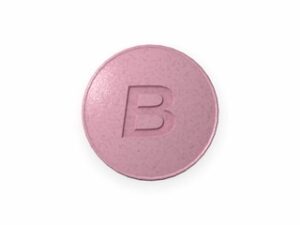
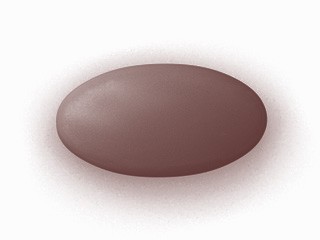
- Common forms: Tablets (brand availability can vary in the UK)
- Therapeutic areas: Menopausal symptom relief; treatment of certain oestrogen-responsive conditions; prevention of postmenopausal bone loss (depending on indication)
- How it is provided: Supplied by UK pharmacies subject to local product availability
How conjugated estrogens work (mechanism of action)
Conjugated estrogens contain a mixture of oestrogen compounds. Oestrogens work by binding to oestrogen receptors in target tissues. This influences the activity of genes involved in tissue growth, blood flow, and the function of organs such as the reproductive tract and the skeleton.
In postmenopausal women, lower natural oestrogen levels can lead to symptoms such as hot flushes, night sweats, vaginal dryness, discomfort during sex, and urinary symptoms. Conjugated estrogens can help by restoring some oestrogen activity in these tissues.
Key benefits you may notice
- Vasomotor symptoms: reduced frequency and severity of hot flushes and night sweats
- Genitourinary symptoms: improved vaginal moisture, flexibility and comfort
- Bone health: helping slow bone loss in appropriate patients
Pharmacokinetics (how the body handles the medicine)
Pharmacokinetics describes what happens to a medicine after it is taken. While exact values may vary by product and individual, the general pattern for oral conjugated estrogens is:
- Absorption: absorbed through the gastrointestinal tract after oral administration.
- Distribution: oestrogens distribute throughout the body; they can bind to proteins in the blood and tissues.
- Metabolism: processed mainly in the liver through metabolic pathways that convert oestrogens into various metabolites.
- Re-circulation: some conjugated oestrogen forms may undergo enterohepatic recycling, which can influence overall exposure.
- Elimination: metabolites are excreted primarily via urine and bile pathways.
The clinical takeaway is that oral conjugated estrogens are designed to provide systemic oestrogen effect, with measurable hormonal activity over time. Dose and timing matter for symptom control and safety.
Typical use in the UK
Conjugated estrogens may be used for different clinical reasons depending on your health history, age, menopause status, and goals of therapy. Common reasons include:
Common indications
- Hormone replacement therapy (HRT) for menopausal symptoms such as hot flushes and night sweats
- Vaginal and urinary symptoms associated with menopause (for systemic treatment where appropriate)
- Prevention of postmenopausal osteoporosis in selected patients, when oestrogen deficiency is relevant and other options are unsuitable or not tolerated
- Other oestrogen-responsive conditions where indicated by specialist guidance and patient factors
If you still have your uterus, using oestrogen without adequate uterine protection can increase the risk of endometrial overgrowth and cancer. Many people who have a uterus need additional therapy (commonly a progestogen) to protect the uterine lining when taking systemic oestrogen. Your clinician will confirm the correct regimen for you.
Indications: when it may be considered
In everyday terms, conjugated estrogens are considered when the body’s natural oestrogen level is low and symptoms or risks related to oestrogen deficiency are present. Your suitability depends on factors such as:
- Menopause status (natural or surgical)
- Age and time since menopause
- Type and severity of symptoms
- Whether you have a uterus
- Personal and family medical history (e.g., blood clots, stroke, liver disease, hormone-sensitive cancers)
- Current medications
- Smoking status and cardiovascular risk factors
Timing: how and when to take conjugated estrogens
Oral conjugated estrogens are usually taken at a consistent time each day to help maintain steady hormone levels. Some regimens use continuous dosing (often used with progestogen protection when a uterus is present), while other regimens can be cyclical depending on your treatment plan.
Practical timing guidance
- Choose a fixed time that fits your daily routine.
- Take tablets whole with water unless your product guidance states otherwise.
- Keep to your schedule. If you miss a dose, follow the specific advice provided with your product or by your healthcare professional.
- Review regularly—HRT should generally be reviewed at appropriate intervals to ensure the lowest effective dose for the shortest duration that meets your needs.
If you are switching from a different HRT product, your regimen may need adjustment. Ask your healthcare professional or pharmacist for advice on how to transition safely.
Dosing: general principles (individualised)
Dosing is determined by your condition, symptom severity, response to therapy, and risk profile. Therefore, the exact dose can differ between individuals and between treatment plans.
For safety, the most important points are:
- Use the lowest effective dose to manage symptoms.
- Adjust based on response under clinical guidance.
- Do not change dose or stop/commence without advice, especially if you are using a combined regimen (oestrogen plus progestogen).
- Uterine protection is essential if you have a uterus and are using systemic oestrogen.
| Situation | Common approach | What to consider |
|---|---|---|
| Menopausal symptoms (hot flushes/night sweats) | Typically started at a dose suited to symptom control, then adjusted to lowest effective dose | Review benefit vs risks after a period of treatment; reassess regularly |
| Vaginal/urinary symptoms | May be treated with systemic oestrogen in some cases; local options may be preferred for many | Local treatments can deliver targeted effects with lower systemic exposure |
| Prevention of postmenopausal bone loss | Selected patients where oestrogen deficiency and risk profile justify therapy | Bone health strategies often include calcium/vitamin D and lifestyle measures |
| Having a uterus | Systemic oestrogen usually combined with progestogen protection | Reduces risk of endometrial hyperplasia and cancer |
Food interactions: can you take conjugated estrogens with meals?
Many oral medicines can be taken with or without food, but individual product instructions may vary. In general, food does not usually prevent oestrogen absorption, but taking it consistently (for example, either always with meals or always on an empty stomach) can help you maintain predictable dosing.
If you experience stomach upset, nausea or reflux after taking your tablets, you may find taking them with a meal reduces discomfort. However, follow your product leaflet or pharmacist advice for your specific brand.
Practical food tips
- Be consistent: choose the same meal timing each day.
- Swallow with water: avoid taking with very large amounts of other substances at the same time if it affects your routine.
- Monitor changes: if you start a new diet supplement or meal pattern and symptoms change, discuss with a pharmacist.
Alcohol and medicine interactions
Moderate alcohol intake is not typically a direct contraindication for conjugated estrogens, but both alcohol and oestrogens can affect the body in ways that may influence side effects.
Potential considerations
- Headache and dizziness: alcohol may worsen these effects in some people.
- Liver metabolism: oestrogens are processed in the liver; heavy alcohol use may increase liver strain.
- Blood pressure and clot risk: alcohol patterns can influence cardiovascular health; smoking and certain risk factors can further increase risk.
If you have liver disease, a history of alcohol misuse, or you are taking other medications that affect the liver, speak with your clinician or pharmacist before continuing alcohol.
Medicine interactions (important safety section)
Conjugated estrogens can interact with other medicines. Interactions may affect how well the oestrogen works or may raise risk of side effects. Tell your pharmacist about:
- All medicines you take (including over-the-counter products)
- Herbal remedies and supplements
- New medications started recently
Common interaction themes
- Enzyme inducers: some medicines can increase the breakdown of oestrogens, reducing effectiveness (examples may include certain anti-epileptics and some TB medications).
- Blood-thinning medicines: if you take anticoagulants, your overall monitoring plan may need careful attention when starting or stopping hormone therapy.
- Thyroid medicines: oestrogen can alter levels of thyroid-binding proteins, potentially changing thyroid test results in some people.
- Other hormone therapies: combining hormonal products requires careful planning.
This is not an exhaustive list. Your pharmacist can check your specific medicines for clinically relevant interactions.
Safety profile: who should be cautious?
Oestrogen therapy affects many body systems and may increase or decrease risks depending on your health history. Conjugated estrogens should be used with caution in individuals with certain conditions.
Seek urgent medical advice if you experience
- Signs of a blood clot: sudden swelling/pain in one leg, chest pain, shortness of breath, coughing blood
- Stroke symptoms: sudden weakness on one side, trouble speaking, facial droop, sudden severe headache
- Severe allergic reaction: swelling of face/lips, breathing difficulty, widespread rash
- Severe abdominal pain (especially with jaundice or dark urine)
Common side effects
- Nausea or bloating
- Breast tenderness
- Headache
- Mood changes
- Vaginal bleeding/spotting (particularly early in treatment or with certain regimens)
- Fluid retention
Not everyone experiences side effects. Some effects lessen after the first few weeks, but persistent or troubling symptoms should be reviewed.
Important risk considerations (overview)
Risks can vary depending on age, time since menopause, dose, duration of treatment, and whether a uterus is present. Key factors include:
- Endometrium (uterine lining): oestrogen without uterine protection increases risk of endometrial hyperplasia and cancer.
- Breast cancer risk: risk may vary with treatment duration and combination therapy; regular screening is important.
- Cardiovascular risk: risk of blood clots and stroke is influenced by age, baseline risk factors, and treatment regimen.
- Liver and gallbladder: oestrogens may influence liver enzymes and gallbladder-related issues in susceptible individuals.
Your healthcare professional should assess these risks before and during therapy. If you have a personal history of hormone-sensitive cancer, unexplained vaginal bleeding, or conditions that predispose to thrombosis, conjugated estrogens may not be suitable.
Practical use tips for best results
- Track symptoms: consider noting hot flush frequency, sleep quality, and any bleeding changes so you can review effectiveness.
- Use reminders: a phone alarm or pill organiser can help prevent missed doses.
- Attend reviews: HRT should be reviewed regularly; do not assume benefit will last without reassessment.
- Report abnormal bleeding: any unexpected bleeding should be discussed promptly.
- Maintain lifestyle measures: regular exercise, a balanced diet, and smoking cessation can improve overall risk profile.
- Know your “stop and seek help” signs: familiarise yourself with symptoms of clotting or stroke (listed above).
Alternative options
If conjugated estrogens are not suitable for you—or if you want a different approach—several alternatives may be considered depending on your symptoms and medical history. Options may include:
For menopausal symptoms
- Local vaginal oestrogen (for vaginal dryness and urinary discomfort): typically lower systemic absorption than systemic therapy.
- Non-hormonal treatments for hot flushes: your clinician can advise based on your symptoms and medical history.
- Non-pharmacological measures: cooling strategies, regular physical activity, weight management, and trigger avoidance.
For bone health
- Non-oestrogen osteoporosis treatments (e.g., certain bone-sparing medicines) for selected patients.
- Calcium and vitamin D, plus weight-bearing exercise and fracture-risk assessment.
The “best” alternative depends on what you are treating—hot flushes, vaginal symptoms, or bone health—and your personal risk factors. Discuss options with a healthcare professional to choose the safest and most effective approach.
Market and legal context in the United Kingdom
In the UK, medicines containing oestrogen are regulated under the Medicines and Healthcare products Regulatory Agency (MHRA) framework and are authorised for specific indications and patient groups. Product availability can vary between brands and pack sizes.
Hormone replacement therapy has an established safety monitoring framework in the UK. As part of routine care, clinicians consider:
- Whether the benefits for symptoms outweigh potential risks for the individual
- The need for uterine protection if the person has a uterus
- Regular review of dose and duration
- Appropriate screening (e.g., breast screening) consistent with national guidance
Recent guidance and considerations
UK clinical practice emphasises using hormone therapy at the lowest effective dose for the shortest duration that controls symptoms, with periodic reassessment. Guidance generally supports that hormone therapy should be individualised and that clinicians should discuss potential risks and benefits, especially in people with cardiovascular risk factors or a personal/family history of hormone-related cancers.
Patients are encouraged to have regular follow-up and to seek medical advice for any new or unusual symptoms while taking HRT. If you have concerns, your pharmacist can explain how to identify side effects and when to escalate concerns.
Delivery and availability (UK)
Availability of conjugated estrogens can vary by brand and supply. When stocked, UK online pharmacy delivery typically operates within common service windows and may include options such as standard or express delivery (depending on the pharmacy and location).
What to expect when ordering
- Stock checks: some orders may require confirmation of product availability.
- Packaging: medicine is dispatched in appropriate packaging for safe transport.
- Delivery times: depend on your postcode and the courier service.
- Cold chain: usually not required for tablet medicines unless otherwise stated.
If the exact product is unavailable, your pharmacy may suggest clinically equivalent alternatives (different brands or formulations) where appropriate. Always confirm that any substitution matches your intended treatment plan.
FAQ – Conjugated estrogens
1) What is conjugated oestrogen used for?
It is used mainly for treatment of menopausal symptoms and oestrogen deficiency-related problems such as hot flushes and vaginal discomfort, and it may be used for bone protection in selected postmenopausal patients depending on clinical judgement.
2) How quickly will I feel an improvement?
Some menopausal symptoms (such as hot flushes) may improve within weeks, while other effects (like vaginal tissue changes) may take longer. Your healthcare team will advise how long to assess benefit before reviewing the plan.
3) If I have a uterus, do I still take progestogen?
In many cases, systemic oestrogen therapy needs progestogen protection to reduce the risk of endometrial overgrowth. If you are unsure whether you have a uterus (for example after hysterectomy), ask your clinician or pharmacist to confirm your situation.
4) Can I take conjugated estrogens with food?
Often yes, but follow the specific instructions provided for your product. Consistency with meals may help you maintain predictable absorption and comfort.
5) What should I do if I miss a dose?
Guidance can differ by regimen and product. Check the leaflet or pharmacist instructions for missed doses. If you are unsure, contact your pharmacist for advice tailored to your dosing schedule.
6) Are there alcohol interactions?
Moderate alcohol use may be acceptable for many people, but heavy alcohol consumption can increase strain on the liver. Alcohol may also worsen some side effects like headaches or nausea. If you have liver problems, seek medical advice.
7) Can I drive or operate machinery?
Conjugated estrogens are not usually associated with severe impairment of driving ability, but side effects such as headache or dizziness can occur. If you feel unwell or dizzy, avoid driving until you feel safe.
8) Who should not take conjugated estrogens?
Suitability depends on your health history. People with certain conditions—such as hormone-sensitive cancers, unexplained vaginal bleeding, active or past blood clotting problems, or certain liver diseases—may need to avoid oestrogen therapy. A clinician should assess risks before starting.
9) What monitoring is recommended during treatment?
Regular clinical review is important. You may also need routine screening such as breast screening according to UK schedules. Report any unusual symptoms, especially unexpected vaginal bleeding, clot symptoms, or stroke-like symptoms.
10) What alternatives exist if systemic oestrogen isn’t suitable?
Options may include local vaginal oestrogen for genitourinary symptoms, non-hormonal treatments for hot flushes, and non-oestrogen medications for bone health, depending on your diagnosis and risk profile.
Summary
Conjugated estrogens are systemic oestrogen tablets used to treat menopausal symptoms and related oestrogen deficiency conditions. They work by replacing or supplementing oestrogen activity in the body. When used appropriately and reviewed regularly, they can significantly improve quality of life for many people. Safety is an essential consideration, particularly regarding clot risk, uterine protection, and hormone-sensitive conditions.
For the safest use, follow the regimen provided for you, keep a consistent daily routine, and seek medical advice if you experience worrying symptoms. Your pharmacist can also help check for medicine interactions and guide practical use.
Note: This page provides general information about conjugated estrogens. Always refer to your product leaflet and professional guidance for personalised advice.