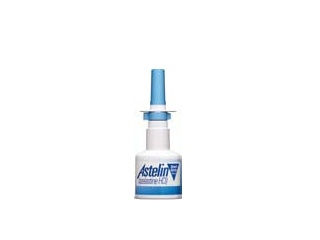
Astelin (Azelastine) – Patient Guide (UK)
Astelin is a brand name of azelastine, an antihistamine medicine used to treat allergy symptoms affecting the nose. It is available as a nasal spray and helps reduce sneezing, itching, and a runny or blocked nose caused by allergic rhinitis.
This guide is designed to help you understand how Astelin works, how to use it safely and effectively, and what to expect. Always follow the instructions provided with your product and the advice of a healthcare professional.
Quick Product Information
| Category | Details |
|---|---|
| Medicine | Astelin (azelastine) |
| Form | Intranasal (nasal) spray |
| Class | Antihistamine (H1 receptor antagonist), antiallergic |
| Main use | Allergic rhinitis (seasonal or perennial) |
| Typical benefits | Reduces sneezing, itching, runny nose; helps relieve nasal congestion |
| Common side effects | Bitter taste, nasal irritation, headache, mild drowsiness in some people |
How Astelin Works (Mechanism of Action)
Astelin (azelastine) is a second-generation antihistamine. It works mainly by blocking histamine H1 receptors in the nasal tissues.
- Stops or reduces histamine-driven symptoms such as sneezing, itching, and runny nose.
- Helps calm inflammation within the nasal lining, which can contribute to ongoing symptoms.
- May reduce the release of inflammatory mediators involved in allergic responses.
Because it is administered directly to the nose, Astelin can provide targeted relief for nasal allergy symptoms.
What It’s Used For (Indications)
Astelin is used to treat symptoms of allergic rhinitis, which may include:
- Sneezing
- Runny nose (rhinorrhoea)
- Nasal itching
- Blocked or stuffy nose (nasal congestion)
Allergic rhinitis can be seasonal (e.g., pollen) or year-round (e.g., dust mites or pet dander). Astelin may be used when symptoms are present, as directed.
Pharmacokinetics (How the Body Handles It)
Pharmacokinetics describes what happens after you use the medicine—absorption, distribution, metabolism, and elimination.
- Absorption: Azelastine is delivered to the nasal mucosa. Some amount may be systemically absorbed after intranasal use.
- Distribution: Once absorbed, it distributes through the body tissues.
- Metabolism: Azelastine is metabolised in the liver (primarily by CYP-related pathways), producing active and inactive metabolites.
- Elimination: The medicine and its metabolites are eliminated mainly via the kidneys (urine) and partly through other routes.
In general, systemic exposure after nasal use is typically lower than with some oral formulations, but side effects can still occur, especially with sensitive individuals or if higher doses are used.
When to Take It (Timing & How Often)
Astelin nasal spray is used regularly to control symptoms during allergy seasons or when exposure to allergens triggers symptoms.
Typical timing:
- Many users find symptom control is improved when used consistently rather than only when symptoms become severe.
- For some people, using it morning and evening provides good coverage.
Important: Always check your exact product pack for the specific dose schedule recommended for your formulation.
Dosing (Adult Use)
Dose regimens can vary between formulations and countries. Use the directions on your specific product label. The information below is general.
- Adults and adolescents: commonly 1–2 sprays in each nostril per dosing session, typically once or twice daily, depending on symptom severity and product instructions.
If you miss a dose: Use it when you remember unless it is close to the next scheduled dose. Do not use extra spray to make up for a missed dose.
Do not exceed the stated daily dose. Using more than recommended does not necessarily improve results and may increase side effects.
Food Interactions
Because Astelin is a nasal medicine, food interactions are generally unlikely compared with oral medicines.
- Typical advice: You can usually take Astelin at any time, with or without food.
- Bitter taste: Some people notice a bitter taste after spraying, which is a formulation effect and not usually related to meals.
Alcohol and Medicine Interactions
Alcohol: While azelastine is mainly a local nasal treatment, some people may experience mild drowsiness or dizziness. If you notice any drowsiness, it is sensible to reduce or avoid alcohol, as it can worsen sedation and impair concentration.
Medicines that may interact: Interactions depend on your personal medicine list. In particular, be cautious with medicines that can cause drowsiness, including:
- Sedating antihistamines
- Some anti-anxiety medicines
- Sleeping tablets
- Some strong pain medicines (opioids)
- Other medicines that affect the central nervous system
Practical tip: If you take multiple allergy or cold products, check active ingredients carefully to avoid duplicating antihistamines.
Safety Profile & Side Effects
Most people tolerate Astelin well. However, like all medicines, it can cause side effects.
Common side effects
- Bitter taste (often reported after nasal spray use)
- Nasal irritation (mild burning or discomfort)
- Dry nose
- Headache
- Reduced sense of smell (uncommon)
- Mild drowsiness or tired feeling (reported by some people)
Less common but important side effects
- Allergic reactions (e.g., rash, swelling, breathing difficulty) – seek urgent medical help if severe
- Severe dizziness or persistent drowsiness
- Nosebleeds (occasional, especially if the nasal lining is irritated)
When to stop and get medical advice urgently
- Signs of a serious allergic reaction (swelling of face/lips, trouble breathing)
- Very severe dizziness, fainting, or unusual neurological symptoms
Tip: If side effects are bothersome but not severe, speak to a pharmacist or clinician. They may adjust how you use the spray or discuss alternative treatments.
Practical Use Tips (How to Get the Best Results)
Before using
- Gently blow your nose to clear mucus if needed.
- Wash hands before and after use.
- Check that the nozzle is clean and undamaged.
How to use Astelin nasal spray
- Shake the bottle if the product instructions indicate it.
- Remove the cap.
- Prime the pump if required (for example, if it is the first use or it has not been used for a while). Follow the instructions on your pack.
- Tilt your head slightly forward.
- Insert the nozzle into one nostril. Keep the other nostril closed gently if needed.
- Press the trigger to release the dose while breathing in gently through your nose.
- Repeat for the other nostril if your dose requires it.
- Try not to sniff hard immediately after spraying, to reduce the chance of the medicine running down the throat.
- Wipe the nozzle with a clean tissue and replace the cap.
Minimising a bitter taste
- Head position matters: avoid leaning far back.
- Breathing technique: aim for a gentle inhale, not a forceful sniff.
- If taste persists, talk to a pharmacist—sometimes technique adjustments help.
Storage
- Store at room temperature as indicated on the pack.
- Keep out of reach of children.
- Do not use after the expiry date.
Missed Dose, Missed Spray, and Ongoing Management
- Consistency helps: If symptoms are persistent, regular use tends to work better than waiting until symptoms become severe.
- If symptoms flare: Ensure correct technique and adherence to the recommended schedule.
- Consider triggers: Allergen avoidance (e.g., reducing exposure to pollen or dust mites) can improve overall control.
Alternative Options (UK)
Depending on your symptoms and medical history, alternatives may include:
- Intranasal corticosteroids (often first-line for moderate to severe allergic rhinitis). Examples include fluticasone, mometasone, and others.
- Oral antihistamines (non-drowsy options such as cetirizine or loratadine, depending on suitability).
- Other intranasal antihistamines (for example, products containing azelastine-like medicines or combination sprays where appropriate).
- Saline rinses to help clear allergens and reduce nasal irritation.
Which is best? It often depends on symptom pattern (sneezing/itching vs congestion), severity, and whether symptoms occur seasonally or year-round. A pharmacist can help you compare options.
Market & Legal Context in the United Kingdom
Medicines in the UK are supplied under regulatory standards set by UK authorities. Availability may differ between brands, strengths, and formulations. In online pharmacies, products are typically provided with relevant guidance on correct use.
In the UK:
- Some nasal allergy medicines are available over the counter, while others may be supplied only under specific conditions depending on formulation and strength.
- Online pharmacy listings typically include information to support safe use, including dosing instructions and common side effects.
- You should ensure the product you choose matches the intended indication (e.g., allergic rhinitis) and is appropriate for your age group.
Note: This page provides general information and is not a substitute for personalised advice.
Recent Guidance & Treatment Considerations (General Overview)
Recent allergy management approaches generally focus on:
- Stepwise treatment based on symptom severity and duration.
- Using intranasal therapy for nasal symptoms, especially if congestion is prominent.
- Reviewing symptom control after a period of regular use and adjusting treatment if needed.
- Monitoring and minimising side effects (e.g., sedation, nasal irritation).
Combination strategies may be considered in some cases, such as combining an antihistamine nasal spray with a steroid nasal spray, depending on advice from a healthcare professional.
Delivery & Availability (UK Online Pharmacy)
Astelin may be available from UK online pharmacies depending on stock and supply arrangements. Delivery options and timelines can vary by retailer and location within the UK.
- Ordering: Availability can change, especially for specific pack sizes.
- Delivery times: Commonly range from next-day to a few working days depending on the courier and service level.
- Packaging: Medicines are usually dispatched in secure packaging to protect the product during transit.
- Stock checks: Many online pharmacies may confirm product availability before dispatch.
Tip: Check the product page for current delivery estimates, returns policy, and whether the medicine is supplied sealed with the manufacturer’s instructions.
Frequently Asked Questions (FAQ)
1) How quickly does Astelin work?
Many people notice symptom improvement relatively quickly after using the nasal spray. The degree and timing of relief can vary, but consistent use during allergy exposure often provides better overall control.
2) Can I use Astelin every day?
It is often used during allergy periods or when symptoms persist. The safe frequency depends on your specific product instructions and your symptom pattern. Follow the recommended dose schedule on your pack and consult a pharmacist if unsure.
3) Is Astelin suitable for children?
Suitability depends on age and the product’s labelled indications and dosing. Always check the age limits on the pack and ask a pharmacist for advice if using it for a child or adolescent.
4) What if I get nosebleeds?
Mild irritation can contribute to nosebleeds. Stop using the spray temporarily and seek advice if bleeding is recurrent or heavy. Technique (gentle spray direction, avoiding forceful sniffing) can also help reduce irritation.
5) Can I drive or operate machinery after using Astelin?
Most people can drive safely, but some may experience mild drowsiness or dizziness. If you feel sleepy or light-headed, avoid driving and machinery until you feel normal again.
6) Can I take it with other allergy medicines?
Some combination use may be appropriate, but you should avoid duplicating antihistamines (especially sedating ones). A pharmacist can help check for ingredient overlap and suggest a safe plan.
7) Does Astelin cause dependence?
Azelastine nasal spray is not typically associated with dependence in the way some decongestant sprays can be. If your symptoms are worsening despite treatment, speak to a pharmacist or clinician for reassessment.
8) How long should I use it before deciding it doesn’t work?
For many people, improvement can be noticed within days. If symptoms remain uncontrolled after following the correct dosing and technique for a reasonable period, seek advice to review diagnosis and treatment strategy.
9) What should I do if the spray tastes bitter?
Adjust your head position (slight forward tilt), inhale gently, and avoid sniffing hard immediately after spraying. Ensuring correct technique often reduces the taste.
10) Where can I find the exact dose for my product?
The most accurate dosing instructions are those printed on your specific Astelin pack or leaflet. If you cannot find them, ask a pharmacist.
Summary
Astelin (azelastine) is an antihistamine nasal spray used to treat allergic rhinitis. It works by blocking histamine activity in the nose, helping relieve sneezing, itching, runny nose, and often nasal congestion. When used correctly and consistently, it can be a helpful option for seasonal or year-round allergy symptoms. Like any medicine, it can cause side effects such as bitter taste and nasal irritation, and in some people mild drowsiness—so it’s wise to monitor how you feel, especially if you drink alcohol or take other sedating medicines.
If your symptoms are severe, persistent, or you have concerns about safety or interactions, consult a pharmacist or healthcare professional for personalised advice.