Azelastine: Patient-Friendly Guide (UK Pharmacy Information)
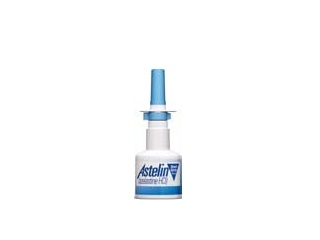
Azelastine is a medicine used to relieve symptoms of allergic conditions, most commonly allergic rhinitis (hay fever). Depending on the formulation, it may also be used for eye allergy symptoms. This guide explains what azelastine is, how it works, how it is used, safety information, and what to expect when taking it.
1) Basic product information
| Topic | Details |
|---|---|
| Active ingredient | Azelastine (often as azelastine hydrochloride) |
| Common formulations | Intranasal spray (nose) and eye drops (for allergic eye symptoms), depending on availability |
| Medicine type | Antihistamine |
| How it is used | Local use for nose or eyes (absorbed to a limited degree into the bloodstream) |
| Typical symptoms it helps | Sneezing, runny nose, itchy nose, nasal congestion; itchy/watery eyes (eye allergy) |
| UK availability | Availability can vary by product brand and strength; some products are supplied via pharmacy or under clinician guidance |
Products containing azelastine may have different strengths and dosing schedules. Always check the specific pack for your formulation and follow the directions provided by your healthcare professional or pharmacy label.
2) Mechanism of action: how azelastine works
Azelastine is a second-generation antihistamine. It works by blocking histamine H1 receptors, helping to reduce the allergic response. In practical terms, this means it can lessen:
- Itching and sneezing caused by allergic triggers
- Runny nose (in nasal allergy)
- Redness, itching, and watering in allergic eye symptoms (with eye formulations)
For intranasal azelastine, benefits may be felt quickly because it targets the tissues involved in rhinitis, although the full effect can build as symptoms settle over days.
3) Pharmacokinetics (what the body does with it)
“Pharmacokinetics” describes absorption, distribution, metabolism, and elimination. Because azelastine is commonly used locally (especially for nasal and eye products), systemic absorption is generally limited compared with oral medicines.
- Absorption: Intranasal and ocular use results in some absorption into the bloodstream. The degree depends on the route and formulation.
- Distribution: Once absorbed, azelastine can distribute into tissues. It is not designed to act only within the nose or eye.
- Metabolism: The body metabolises azelastine primarily in the liver via enzymatic pathways.
- Elimination: Metabolites and the drug are removed mainly through the kidneys (urine) and to some extent via faeces.
If you have liver or kidney problems, you should discuss use with a healthcare professional, as drug handling may be affected. In many patients, the low systemic exposure from local formulations is well tolerated.
4) Typical uses and indications
Azelastine is indicated for allergic conditions. The exact licensed use depends on the formulation (nasal or eye). Common indications include:
- Allergic rhinitis (hay fever): for symptoms such as sneezing, itchy nose, runny nose, and nasal congestion.
- Allergic conjunctivitis / eye allergy: for symptoms such as itching and watering of the eyes in allergy-related conditions (for eye drop formulations).
It is not an antifungal or antibiotic and does not treat infections directly. If symptoms are due to a cold, sinus infection, or other non-allergic causes, azelastine may not provide the best relief.
5) Timing: when to use azelastine
Timing can influence symptom control. Many people use azelastine at predictable times to match allergen exposure. How soon you notice improvement can vary, but intranasal azelastine often provides relatively rapid relief.
For allergic rhinitis (nasal spray)
- Start early: If your allergy is seasonal, begin before peak pollen days if advised.
- Daily routine: Use at the times specified on your product label (often morning and evening for ongoing symptoms).
- Before going out: If symptoms flare outdoors, applying shortly before exposure may help.
For allergic eye symptoms (eye drops)
- Use consistently during flare-ups: Follow the schedule provided for your drops.
- Avoid rubbing the eyes: Rubbing can worsen irritation; use drops as directed.
If symptoms do not improve within a few days of correct use, or they worsen, seek advice from a pharmacist or clinician.
6) Dosing: how much and how often
Dose varies by age group, formulation strength, and whether symptoms are intermittent or persistent. Always follow the label instructions for your specific azelastine product.
Common dosing principles for nasal spray
- Adults and older children: Typically multiple sprays per nostril per day, divided across the day (for example morning and evening), depending on the product strength and age.
- Children: Dosing is usually age-specific. Use only if the product is licensed for that age group and follow the instructions carefully.
- For intermittent symptoms: Some people use it only during exposure periods, but follow clinician/pharmacist advice.
Common dosing principles for eye drops
- Adults: Typically one drop per affected eye, repeated according to the schedule on the pack.
- Children: Only use if appropriate for the child’s age and as directed by product instructions.
Important: Do not exceed the stated dose. If you miss a dose, take it when you remember unless it is close to the time for the next dose. If unsure, ask your pharmacist.
Note: This website provides general information. Your exact dose should be based on your specific product and age.
7) Food interactions
Because azelastine is commonly used as a nasal spray or eye drops, food is less likely to affect its effectiveness compared with oral medicines. However, if you are using a formulation with more systemic absorption, it is still generally not associated with clinically important food interactions.
Practical guidance:
- Take as directed regardless of meals for nasal/eye products.
- If you are taking any other medicines for allergy (for example, tablets), keep to your usual schedule unless advised otherwise.
If you have been told to take a specific allergy regimen (for example, combining nasal sprays), follow the plan and confirm any concerns with a pharmacist.
8) Alcohol and medicine interactions
Azelastine is an antihistamine. Some people may feel drowsy or less alert, particularly if they are sensitive to antihistamines. For that reason, caution is advised with alcohol.
Alcohol
- Recommended caution: Avoid or limit alcohol until you know how azelastine affects you.
- Watch for sedation: If you feel sleepy or dizzy, do not drive or operate machinery.
Other medicines
Interactions depend on the medicines you use. You should take extra care if you are taking:
- Other sedating antihistamines (risk of increased drowsiness)
- Medicines that cause drowsiness (such as some sleep medicines, strong pain relief, or anxiety/sedative medicines)
- CNS-active medicines where sedation is a known effect
In many cases, people use azelastine safely alongside other standard treatments, but it’s best to review your current list of medicines (including over-the-counter products) with a pharmacist.
9) Safety profile: side effects and what to watch for
Most people tolerate azelastine well. However, side effects can occur. The type and likelihood of side effects may depend on the formulation.
Common side effects
- With nasal spray: bitter taste, nasal irritation, sneezing, mild burning or dryness in the nose
- With eye drops: temporary eye discomfort or mild irritation after instillation
- Possible systemic effects: drowsiness or fatigue in sensitive individuals
Less common but important risks
- Dizziness or sleepiness: be careful when driving or cycling
- Allergic reactions to the medicine: seek urgent help if you experience swelling of the face/lips, trouble breathing, or severe rash
When to seek medical advice urgently
- Severe allergic reaction symptoms (swelling, breathing difficulty, widespread rash)
- Significant worsening of symptoms or severe eye pain (for eye products)
- Persistent nosebleeds or severe irritation with nasal use
Use in pregnancy and breastfeeding
Decisions in pregnancy or breastfeeding should be individual. If you are pregnant, trying to conceive, or breastfeeding, speak with a healthcare professional for the safest option. They will consider symptom severity and alternative treatments.
10) Practical use tips (how to get the best results)
How to use intranasal azelastine spray effectively
- Gently blow your nose if it is blocked (unless your clinician advises otherwise).
- Remove the cap and check the spray tip is clean.
- Prime the device if required by your specific product instructions (some need initial priming).
- Position the nozzle: Aim it slightly outward (toward the ear), not towards the middle septum.
- Spray once per direction as prescribed, breathing in gently through the nose.
- Repeat on the other nostril if your dose includes both sides.
- Avoid sniffing hard right after spraying, as this can increase drip into the throat and the chance of a bitter taste.
- Wipe the nozzle and replace the cap.
If you get an unpleasant taste, it can often be reduced by proper technique and not sniffing hard immediately after spraying. Drinking water may help, but avoid overcompensating in a way that could interfere with your dosing schedule.
How to use azelastine eye drops effectively
- Wash your hands before use.
- Check the dropper tip is not damaged.
- Gently pull down the lower eyelid to form a small pocket.
- Instill the prescribed number of drops without touching the eye surface with the tip.
- Close your eyes gently for about 1–2 minutes. Avoid squeezing hard.
- If using other eye medicines, wait between products as advised by a pharmacist.
General tips
- Use regularly during allergy seasons if symptoms persist, rather than only when severe.
- Keep your bottle clean and follow storage instructions on the pack.
- Don’t share sprays or eye drops with others.
- If you use contact lenses, seek advice about whether they should be removed before using eye drops.
11) Alternative options for allergy relief (UK)
Allergic rhinitis and allergic conjunctivitis can often be managed with several types of treatments. The best option depends on symptom pattern (seasonal vs year-round), severity, and how you respond.
Common alternatives for allergic rhinitis
- Intranasal corticosteroids (often first-choice for persistent moderate-to-severe symptoms)
- Oral antihistamines (non-sedating options may suit some people)
- Other intranasal antihistamines (different active ingredients)
- Saline rinses to help clear allergens and mucus
- Trigger reduction (for example, pollen avoidance measures, indoor air cleaning)
Common alternatives for allergic eye symptoms
- Antihistamine eye drops (including other active ingredients)
- Mast cell stabiliser eye drops used for prevention in some cases
- Lubricating/artificial tears to wash out irritants
If you are considering switching, it is wise to ask a pharmacist about matching the most appropriate option to your symptoms and how to transition safely.
12) Market and legal context in the United Kingdom
In the UK, medicines are regulated by the Medicines and Healthcare products Regulatory Agency (MHRA) and must be supplied in line with product licensing, classification, and pharmacy regulations. Availability of specific azelastine products can depend on whether they are supplied as pharmacy medicine, pharmacy-to-clinician route, or under other arrangements.
Some azelastine products may be accessible through community pharmacies, while other strengths or formulations may require assessment by a healthcare professional depending on local processes and product status. Always check the exact product page and packaging for the correct usage instructions and classification.
If you have complex medical needs or take multiple interacting medicines, a pharmacist can help confirm suitability.
13) Recent guidance and clinical considerations (UK-focused)
UK allergy management commonly emphasises stepwise treatment: starting with appropriate symptom-relief options, and moving to more targeted anti-inflammatory therapy if symptoms persist. Many guidelines support:
- Using intranasal corticosteroids for persistent moderate-to-severe rhinitis
- Antihistamines (including intranasal antihistamines like azelastine) for allergic symptom control, either alone or as add-on therapy
- Regular use during high-allergen seasons rather than only treating breakthrough symptoms
- Considering non-medicine measures such as allergen avoidance and saline irrigation
If your symptoms are not controlled, clinicians typically reassess diagnosis (allergy vs infection vs non-allergic rhinitis), ensure correct technique, and consider whether combination therapy would be appropriate.
14) Delivery, availability, and ordering (UK)
Availability of azelastine products can vary by brand, formulation, and pack size. When you order online, your pharmacy will typically confirm:
- The exact product strength and form (nasal spray vs eye drops)
- Compatibility with the age group the product is intended for
- Delivery timeframe and any relevant packaging requirements
Delivery service options depend on the pharmacy and location within the UK. Many online pharmacies offer standard and expedited delivery. Always check the delivery estimates on the product page at checkout.
If you are running low, consider ordering ahead of peak seasons and ensure you store the medicine as stated on the pack (usually away from excessive heat and sunlight).
15) FAQ: Frequently asked questions about azelastine
How fast does azelastine work?
Some people notice symptom relief relatively quickly with intranasal azelastine, but for others it may take a few days of consistent use to reach best control—especially during ongoing allergen exposure.
Can I use azelastine every day?
It may be used daily during periods of persistent symptoms if your product instructions (and your pharmacist/clinician) support it. Avoid exceeding the recommended dose, and review ongoing need if symptoms continue.
Is azelastine addictive?
Azelastine is not generally considered addictive. If you feel you need to use it constantly, it’s worth discussing symptom management with a pharmacist or clinician to ensure the underlying cause is well treated.
Why do I get a bitter taste after using the nasal spray?
A bitter taste can occur if some of the medicine drains into the throat. Using correct technique—aiming the nozzle slightly outward and avoiding sniffing hard immediately after spraying—often reduces this effect.
What if my symptoms aren’t improving?
First, check that you are using the correct technique and dose. If there is no meaningful improvement after several days, or if symptoms worsen, seek advice. You may need a different approach or treatment combination.
Can I drive or cycle after using azelastine?
Some people experience drowsiness or dizziness. If you feel sleepy, avoid driving or cycling and speak with your pharmacist about alternative options.
Is it safe to use with other allergy medicines?
In many cases, azelastine can be used alongside other common allergy treatments, but the safest plan depends on what you take (including tablets, nasal sprays, and eye drops). Ask your pharmacist to review your specific regimen.
What should I do if I accidentally take too much?
If you think you have used more than the recommended dose, contact a healthcare professional for advice immediately, especially if you feel unwell (for example, very drowsy or dizzy).
Who should be extra cautious when using azelastine?
Extra caution is advised if you:
- Have a history of medication allergies
- Have liver disease or significant kidney problems
- Take multiple sedating medicines or consume alcohol regularly
- Have severe or persistent eye symptoms that may indicate something other than allergy
Can azelastine treat non-allergic nasal symptoms?
Azelastine is designed for allergic symptoms. If your rhinitis is due to infection, irritants, or non-allergic causes, symptom relief may be limited. Consider discussing your symptoms with a pharmacist if you are unsure.
16) Summary
Azelastine is an antihistamine commonly used in the UK to manage allergic rhinitis and, depending on the formulation, allergic eye symptoms. It blocks histamine-driven allergic responses and can provide effective relief, particularly when used correctly and consistently during allergen exposure. Like all medicines, it has potential side effects—most often mild local effects such as irritation, and occasionally drowsiness in sensitive individuals. If symptoms persist or worsen, seek advice to confirm the diagnosis and optimise your treatment approach.