Fluticasone (UK): Patient-Friendly Guide
Fluticasone is a medicine used to reduce inflammation in the airways and other areas of the body. It belongs to a group of medicines called corticosteroids (sometimes referred to as “steroids”). When used as directed, fluticasone helps relieve symptoms such as sneezing, blocked nose, nasal inflammation, and breathing difficulties caused by inflammatory conditions.
This guide is written for people in the United Kingdom and explains how fluticasone works, how it is used, what to expect, and important safety information. Always follow the instructions provided with your specific product, and if you are unsure which fluticasone strength or device is right for you, speak with a pharmacist or healthcare professional.
Basic Product Information
- Generic name: Fluticasone
- Therapeutic class: Corticosteroid (anti-inflammatory)
- Common forms in the UK:
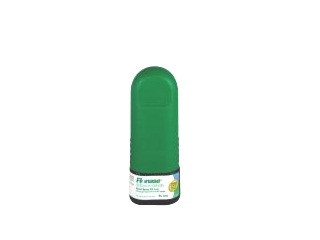
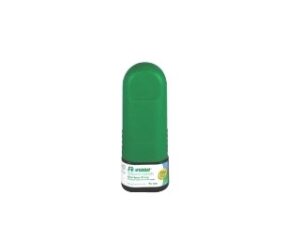
- Nasal sprays (for allergic rhinitis and other nasal inflammatory conditions)
- Inhalers (for asthma control and, in some formulations, chronic lung conditions)
- Other specialised preparations may exist depending on product brand and indication
- Brand names: Vary by manufacturer and device type (e.g., fluticasone-containing nasal sprays and inhalers)
- Prescription status: Availability depends on strength, indication, and product type. Some smaller packs may be available through pharmacy routes; others are for clinician-directed use.
Note: Fluticasone products differ by device (spray vs inhaler), strength, and dosing schedule. Always use the exact product and regimen you have been given.
How Fluticasone Works (Mechanism of Action)
Fluticasone is a glucocorticoid that reduces inflammation. In conditions like allergic rhinitis and asthma, inflammatory pathways in the nose or airways cause swelling, mucus, and heightened sensitivity. By acting locally, fluticasone:
- Reduces production of inflammatory substances
- Decreases swelling and redness
- Improves airflow and reduces airway hyper-responsiveness
- Helps relieve symptoms such as nasal blockage, sneezing, and runny nose
Because it addresses inflammation, fluticasone is often used for prevention and long-term symptom control. Some people notice improvement quickly, while others may take longer—especially for nasal symptoms.
Pharmacokinetics (What the Body Does to Fluticasone)
“Pharmacokinetics” describes absorption, distribution, metabolism, and elimination. For fluticasone:
- Absorption: Depending on the product type, absorption can be limited at the intended site (nose or lungs). Some amount may be swallowed (especially with nasal sprays) or absorbed through lung tissue (with inhalers).
- Distribution: When absorbed, fluticasone can distribute into body tissues, though the overall systemic exposure is generally low when used correctly at recommended doses.
- Metabolism: Fluticasone is mainly metabolised in the liver by enzymes such as CYP3A4.
- Elimination: Metabolites are primarily excreted, with a portion leaving the body via the gut after metabolism.
The key practical point is that systemic effects are more likely at higher doses, with prolonged use, or when interacting medicines increase fluticasone levels.
Typical Uses in the UK
Fluticasone may be used for several inflammatory conditions. The exact indication depends on the product form (nasal vs inhaled).
Common indications
- Allergic rhinitis (hay fever): reduces sneezing, runny nose, and nasal blockage
- Non-allergic rhinitis (where inflammation contributes to persistent nasal symptoms): may help relieve congestion and irritation
- Asthma control: reduces airway inflammation and helps prevent flare-ups
- Chronic inflammatory airway conditions: some combinations or formulations are used for long-term control (product-specific)
- Reduction of symptoms such as persistent cough/wheeze related to airway inflammation (depending on formulation and diagnosis)
Fluticasone is generally not a “quick relief” medicine for sudden breathlessness. It works as a controller medicine.
When to Take Fluticasone (Timing and Routine)
Timing depends on the condition and product type. Many regimens are once daily, while some are twice daily or split doses. The most important rule is to use it consistently.
General timing guidance
- Nasal sprays: Often taken once daily (commonly in the morning) or divided dosing as directed.
- Inhalers: Often morning and evening doses for asthma control, but follow your device instructions.
- Regular use matters: Fluticasone may take several days to reach full effect for some symptoms (particularly nasal congestion).
Missing a dose
- If you miss a dose, take it when you remember unless it is close to your next dose.
- Do not double up unless your healthcare professional advises it.
Food Interactions
For most fluticasone products used in the nose or lungs, food interactions are not usually clinically significant. However, there are still practical considerations:
- Nasal sprays: Some medication may be swallowed. This is unlikely to be affected by food in a meaningful way for most people.
- Inhalers: Food does not typically change how the drug works. If you experience throat irritation, it may help to rinse your mouth after use (see practical tips below).
If your fluticasone is part of a combination product or you have complex medical conditions, ask a pharmacist about specific interactions.
Alcohol and Medicine Interactions
Alcohol
There is usually no direct, specific interaction between moderate alcohol and fluticasone. However, alcohol can worsen underlying conditions (for example, asthma triggers or nasal symptoms) in some people.
- If alcohol makes your breathing worse or triggers coughing/wheeze, consider limiting intake and discuss this with a pharmacist or clinician.
- If you drink heavily, you may be more likely to experience infections or other complications, which is relevant to steroid use.
Medicine interactions (important)
Fluticasone may interact with medicines that affect the liver enzyme CYP3A4. This can increase fluticasone levels and raise the chance of systemic side effects.
- Strong CYP3A4 inhibitors (examples include some antifungals and certain antibiotics) may increase fluticasone exposure.
- Some HIV medicines can also increase steroid levels.
- Other corticosteroids (oral or injection steroids) may add to steroid effects.
Always tell your pharmacist about all medicines you use, including:
- Tablets and injections
- Herbal products
- Over-the-counter cold/flu remedies
- Eye drops or other steroid medicines
Dosing: How Much and How Often?
Dosing depends on the indication, the strength, and the device. The same “fluticasone” name can apply to different products with different amounts delivered per actuation or puff.
For safety, the most reliable approach is to use the dose on your specific product label or the plan provided by a clinician/pharmacist.
Typical dosing patterns (general)
- Nasal spray: Common regimens are once daily or divided doses. Symptom control may require consistent use for several days.
- Inhaler for asthma control: Often once or twice daily depending on the device and prescribed regimen.
Important dosing safety points
- Do not exceed the recommended dose.
- Use the correct technique to ensure proper delivery.
- If symptoms are not improving, don’t keep increasing the dose—seek advice. Sometimes technique, adherence, triggers, or diagnosis need review.
Practical Use Tips (Technique Matters)
For medicines that act locally (nose or lungs), the way you use the device has a major impact on effectiveness and side effects.
Using a fluticasone nasal spray
- Gently blow your nose before use.
- Insert the nozzle into one nostril and aim slightly outward (towards the outer side of the nose).
- Spray while breathing in gently.
- Avoid sniffing hard—this can cause the medicine to go down the throat.
- After spraying, wipe the nozzle and replace the cap.
- Use regularly as directed for best results.
Using a fluticasone inhaler (if applicable to your product)
- Shake the inhaler if your device requires it (check instructions).
- Exhale gently away from the device.
- Seal lips around the mouthpiece (or use spacer if advised for your device).
- Press and breathe in slowly and deeply.
- Hold your breath for a few seconds if you can.
- Rinse your mouth and spit after use to reduce the risk of thrush and hoarseness.
When to check your technique
- If symptoms persist despite correct dosing
- If you keep getting throat irritation
- If you share care with family and are teaching them how to use the device
Safety Profile: Side Effects and When to Seek Help
Fluticasone is generally well tolerated when used correctly. Because it is an anti-inflammatory steroid, side effects depend on the route (nose vs lungs), dose, and your individual risk factors.
Common side effects
- Nasal sprays: mild irritation, dryness, nosebleeds, or a burning sensation
- Inhalers: hoarseness, throat irritation, cough, or oral thrush (especially if mouth is not rinsed)
Less common but important risks
- Systemic steroid effects are uncommon at standard doses but can occur with higher doses, prolonged use, or drug interactions
- Infections (the immune system may be affected slightly; watch for worsening symptoms)
- Eye problems (rare; particularly relevant for long-term steroid exposure)
Seek urgent medical advice if you have
- Severe breathing difficulty or sudden worsening symptoms
- Signs of serious allergy such as swelling of the face/lips, severe rash, or collapse
- Signs of eye pain or vision changes (especially with long-term steroid exposure)
Extra caution if you have
- Active or recent infections
- Tuberculosis history (for some inhaled regimens)
- History of eye disease such as cataracts or glaucoma
- Any condition affecting immunity
Recent Guidance and Practical Considerations in the UK
In the UK, fluticasone is widely used in routine respiratory and allergy care. Recent clinical practice continues to emphasise:
- Using anti-inflammatory controller medicines consistently for asthma control rather than relying solely on quick-relief inhalers
- Checking inhaler technique regularly, as incorrect use can cause reduced benefit and increased side effects
- Rinsing the mouth after inhaled steroids to reduce thrush risk
- Reviewing treatment periodically to ensure the lowest effective dose and to address triggers (smoke exposure, allergens, viral infections)
- Recognising when symptoms suggest poor control so treatment can be adjusted appropriately
If you are using fluticasone as part of asthma care, consider reviewing your plan at regular intervals with a healthcare professional, especially if you have frequent symptoms or need frequent rescue medication.
Indications vs “Not for” Use
Fluticasone is intended for inflammatory symptom control (nose or airways). It is typically not for immediate relief of sudden attacks.
- Indicated for: ongoing control of rhinitis symptoms or airway inflammation
- Not typically indicated for: rapid relief of acute breathlessness or sudden allergic reaction symptoms
If you experience sudden severe symptoms, follow your emergency action plan (if you have one) and seek urgent help.
Alternative Options
Depending on your condition and severity, alternatives to fluticasone may include:
For allergic rhinitis / nasal symptoms
- Other intranasal corticosteroids (for example, budesonide or mometasone—product choice depends on device and individual response)
- Non-steroid nasal sprays (e.g., antihistamine sprays, depending on availability and suitability)
- Oral antihistamines for some people (particularly for sneezing and runny nose)
- Saline irrigation as an adjunct for congestion (not a replacement for steroid therapy when inflammation is significant)
For asthma control
- Different inhaled corticosteroids or different strengths
- Combination inhalers (inhaled corticosteroid with a long-acting bronchodilator, if appropriate for your asthma plan)
- Management of triggers such as allergen avoidance, smoking cessation, and vaccination against respiratory infections
The “best” alternative depends on your diagnosis, symptoms, previous response, and device preference. A pharmacist can help compare options available in the UK.
UK Market and Legal/Availability Context
In the United Kingdom, fluticasone products are commonly available through:
- Pharmacies (some pack sizes and indications may be eligible for pharmacy supply pathways)
- Prescription routes for many asthma and higher-strength indications
- Specialist services for specific lung conditions or complex regimens
Availability can vary based on product formulation (nasal spray vs inhaler), pack size, strength, and regulatory classification. When ordering online, ensure you select the correct product form and strength for your needs.
Safety and compliance are supported by UK medicines governance, which includes requirements around packaging, patient information leaflets, and controlled supply where relevant.
Delivery and Availability (Online Pharmacy)
When purchasing fluticasone through an online pharmacy, delivery speed and courier options can vary. Typical considerations include:
- In-stock vs backorder: Some products are stocked regularly; others may have limited supply.
- Cold chain: Fluticasone products usually do not require refrigeration.
- Product authenticity: Choose a reputable UK pharmacy and verify product details on the label.
- Packaging: Keep the outer carton and patient information leaflet for future reference.
If you need your order quickly, check the estimated delivery window at checkout and allow extra time for weekends and bank holidays.
FAQs about Fluticasone
1) How long does fluticasone take to work?
It varies by condition and product type. For nasal symptoms, some people notice improvement in a few days, but full effect may take longer (often up to 1–2 weeks). For asthma, controller benefits also build over time. Consistent daily use is important.
2) Is fluticasone the same as “an antibiotic”?
No. Fluticasone is an anti-inflammatory corticosteroid, not an antibiotic. It works by reducing inflammation rather than killing bacteria.
3) Will fluticasone cause weight gain or serious steroid effects?
At standard doses used correctly, systemic steroid effects are usually unlikely. However, risk can increase with high doses, long-term use, or interacting medicines. If you have concerns, speak with a pharmacist or clinician for personalised guidance.
4) Can I use fluticasone with other medicines?
Many people use fluticasone alongside other medicines, but interactions can occur—especially with medicines that affect CYP3A4 (certain antifungals, some antibiotics, and some HIV medicines). Always check with a pharmacist if you’re unsure.
5) Does fluticasone interact with alcohol?
There is usually no direct interaction with moderate alcohol. Still, alcohol can worsen some conditions (such as asthma symptoms) in certain people.
6) What if I get nosebleeds or throat irritation?
For nosebleeds, gentle technique, appropriate aiming, and proper pressure can help. If nosebleeds are frequent or severe, seek advice. For inhalers, rinse your mouth and spit after use to reduce throat irritation and thrush risk.
7) What should I do if I miss a dose?
Take it as soon as you remember unless it is nearly time for your next dose. Do not double your dose.
8) Can children use fluticasone?
Fluticasone may be used in children for rhinitis or asthma depending on product and age suitability. Dosing must be age-appropriate and guided by the product instructions or healthcare professional advice.
9) Is it safe to use fluticasone long-term?
Many people use inhaled corticosteroids or nasal corticosteroids long-term under medical review. The goal is to use the lowest effective dose to control symptoms. Regular review helps ensure continued safety.
10) How should I store fluticasone?
Store at room temperature, keep away from excessive heat or direct sunlight, and follow storage instructions on the pack. Keep out of reach of children.
Quick Reference Table
| Topic | Key Points |
|---|---|
| What it is | Fluticasone is a corticosteroid that reduces inflammation in the nose or airways. |
| How it works | Decreases inflammatory processes, swelling, and mucus-related symptoms. |
| Timing | Use regularly as directed; effects build over days for many symptoms. |
| Food interaction | Usually not a significant issue for nasal/inhaled use. |
| Alcohol | No common direct interaction; alcohol may worsen symptoms in some people. |
| Medicine interactions | Check for CYP3A4 interactions (some antifungals/antibiotics/HIV medicines). |
| Common side effects | Nasal irritation or nosebleeds (nasal). Hoarseness or thrush risk (inhaled). |
| When to get help | Sudden severe breathing changes, serious allergic reactions, or significant eye/vision problems. |
Summary
Fluticasone is a widely used anti-inflammatory corticosteroid that helps control symptoms in conditions such as allergic rhinitis and asthma. When used correctly and consistently, it can significantly improve quality of life by reducing inflammation-related symptoms. Key factors include using the right product and technique, allowing time for benefits to develop, and being mindful of interactions—particularly with medicines that can increase steroid levels.
If you have questions about which fluticasone product is suitable for your symptoms, or you’d like help understanding how to use your device properly, a pharmacist can provide practical guidance tailored to you.