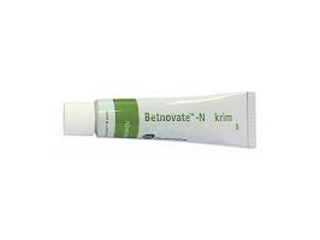
Betnovate (Betamethasone valerate) Cream/Ointment — Patient Guide (UK)
Betnovate contains betamethasone valerate, a corticosteroid (steroid) medicine used to reduce inflammation and relieve symptoms such as itching, redness and swelling in a variety of skin conditions.
This guide explains how Betnovate works, how it is typically used, what to expect, and key safety information for people in the United Kingdom. It is written in patient-friendly language, but always follow the instructions given with your product or by your healthcare professional.
Basic product information
| Feature | Details |
|---|---|
| Active ingredient | Betamethasone valerate |
| Medicine type | Topical corticosteroid (skin treatment) |
| Common forms | Cream, ointment (strength commonly 0.1% in the UK) |
| How it is used | Applied to the skin in a thin layer |
| Main benefits | Reduces inflammation and helps control itching and irritation |
| Important note | Not suitable for every skin problem—some infections need specific treatment |
How Betnovate works (mechanism of action)
Betamethasone valerate is a potent topical corticosteroid. When applied to the skin, it helps:
- Reduce inflammation by suppressing inflammatory pathways in the skin.
- Relieve itching associated with inflammatory skin conditions.
- Lower redness and swelling by reducing immune activity in the affected area.
By calming the skin’s overactive inflammatory response, Betnovate can bring symptoms under control. However, it does not cure the underlying cause of every skin condition, and it can make some infections worse if used in the wrong situation.
Pharmacokinetics (what happens after skin application)
Because Betnovate is applied to skin, most medicine remains where it is needed. Still, some betamethasone valerate can be absorbed through the skin, especially when:
- the skin is broken or inflamed
- tight bandages or occlusive dressings are used
Once absorbed, corticosteroids can move into the bloodstream and may be metabolised by the liver. The body then clears the drug through normal elimination pathways. In many people, with correct use on limited areas for a short time, systemic absorption remains low.
Why this matters: Higher absorption increases the chance of steroid-related side effects, including effects on skin integrity and, rarely, effects on the body’s hormone balance (especially in children or when used under occlusion).
Typical uses and indications
Betnovate is used for inflammatory skin conditions that respond to potent topical corticosteroids. Depending on the person and product strength/form, it may be recommended for conditions such as:
- Eczema (including certain forms of dermatitis)
- Psoriasis (where appropriate—this should be discussed with a clinician)
- Inflammatory skin disorders where reduction of inflammation and itching is needed
Important: Betnovate should generally not be used on skin conditions where symptoms are driven by an untreated infection (for example some fungal, viral, or bacterial infections), unless specifically advised. Steroids can mask symptoms and worsen infections.
When you should see improvement
Many people notice symptom relief within a few days. Typical timing expectations:
- First few days: reduced redness/itching
- Within 1–2 weeks: ongoing improvement (if the condition is steroid-responsive)
- If there is no improvement: do not keep increasing use—seek advice
If symptoms worsen at any point, or you develop new signs such as oozing, crusting, or spreading rash, stop and get medical advice promptly.
Dosing and practical application (how to use Betnovate)
Betnovate is usually applied thinly to the affected skin. The exact schedule depends on the condition, body site, and severity. A common approach is:
- Adults: often applied once or twice daily, as advised.
- Children: use only under appropriate guidance, using the smallest amount for the shortest time.
Do not use more often or for longer than recommended. Prolonged or excessive use increases the risk of side effects.
Using the “finger-tip unit” (FTU) guide
Many clinicians use an FTU measure to estimate the amount needed. One adult FTU is typically the amount of cream/ointment squeezed along the length of an adult index finger from the tip to the first crease.
- Face/scalp: usually smaller amounts are needed.
- Body: may require several FTUs depending on area.
Your product instructions or clinician may provide a more specific amount for your area.
Step-by-step practical tips
- Clean and dry the affected area gently.
- Apply a thin layer—avoid rubbing vigorously if the skin is sore; use gentle massage only as needed.
- Wash your hands after applying unless your hands are the treated area.
- Avoid the eyes and mouth (and avoid using on eyelids unless specifically instructed).
- If you use moisturiser, you may apply it between doses unless told otherwise. Many people apply the steroid first (or at a specific schedule) and moisturiser at other times.
Choosing cream vs ointment
Betnovate is available as different formulations. In general:
- Cream may be preferred for less greasy feel and for weeping areas.
- Ointment can be more emollient and may help with dryness, but may feel heavier on the skin.
Your pharmacist or clinician can advise which form suits your skin and location.
Timing: when to apply during the day
If you are using Betnovate once daily, choose a time that fits your routine and stay consistent. If twice daily, aim for roughly morning and evening.
Special considerations:
- Avoid applying immediately before bedtime if it may spread onto sensitive areas (unless your clinician has advised otherwise).
- For areas that are covered by clothing, ensure clothing is not overly occlusive (tight, airtight coverings can increase absorption).
Food interactions
Food interactions are not expected with topical Betnovate because absorption through skin is usually limited when used correctly.
If you are using other medicines and have concerns about interactions or side effects, speak to a healthcare professional. For most people, there is no need to change diet due to Betnovate.
Alcohol interactions
There are no known direct alcohol interactions with topical Betnovate. However, alcohol may indirectly affect skin conditions for some people (for example by worsening inflammation or triggering flares).
If you notice your skin condition becomes worse after drinking alcohol, reducing intake may help.
Interactions with other medicines
Because Betnovate is used on the skin, medicine interactions are generally less common than with tablets. Still, consider the following:
- Other topical products: Using multiple steroid products or multiple irritant preparations on the same area can increase the risk of skin irritation or side effects.
- Moisturisers and emollients: Often safe to use alongside. Ask your healthcare professional if you should separate application times.
- Infection treatments: If your rash is due to or includes an infection, you may need an antifungal/antibacterial/antiviral medicine. Steroids alone can worsen infections.
If you are using other medicines on your skin (prescription or over-the-counter), list them when speaking with a pharmacist.
Safety profile and possible side effects
Like all medicines, Betnovate can cause side effects, though not everyone will experience them. Side effects are more likely when used on large areas, for longer periods, on broken skin, or under occlusion.
Common local side effects
- Skin irritation (burning or stinging)
- Dryness or increased sensitivity
- Folliculitis (inflammation of hair follicles)
- Acneiform eruptions (pimples or bumps)
Serious or concerning side effects (seek advice promptly)
- Signs of infection worsening (spreading redness, pus, severe pain, fever)
- Unusual skin changes such as thinning skin, deep bruising, or shiny skin
- Allergic reaction (swelling, severe rash, breathing difficulties—seek emergency help)
Long-term risks with improper use
Prolonged use, especially on thin skin areas (face, groin, armpits), may cause:
- Skin thinning (atrophy)
- Stretch marks (striae)
- Visible blood vessels (telangiectasia)
- Perioral dermatitis or worsening of certain facial conditions
Systemic effects (rare, but important)
Very rarely, particularly with extensive use, occlusion, or long treatment courses, steroid absorption can lead to effects on hormone function. This risk is higher for children and when the medicine is applied under bandages.
Practical use tips for safer results
- Use the smallest effective amount.
- Treat for the shortest time needed to control symptoms.
- Do not cover with airtight dressings unless advised by a clinician.
- Be cautious on sensitive areas (face, eyelids, genitals, skin folds).
- Stop and seek advice if you suspect an infection or if symptoms worsen.
- Continue moisturising to support the skin barrier, even when symptoms improve.
- Avoid getting it into the eyes.
What to avoid
- Do not use on untreated viral skin infections (e.g., cold sores), fungal skin infections, or tuberculous/syphilitic lesions—unless a clinician has specifically advised.
- Do not apply to large areas for extended periods without medical review.
- Do not share your steroid with others.
- Do not stop abruptly after prolonged use without medical advice—clinicians may recommend a gradual reduction in some cases.
Alternative options (depending on the condition)
Alternative treatments vary by diagnosis and severity. Depending on your skin problem, options may include:
- Emollients and moisturisers to repair and protect the skin barrier (often essential for eczema).
- Other topical corticosteroids of different strengths, or different steroid regimens.
- Non-steroidal anti-inflammatory creams (such as calcineurin inhibitors) for certain areas or long-term management—suitable for some people, particularly on sensitive facial skin.
- Antifungal or antibacterial treatments if the rash is infection-related.
- Phototherapy or systemic treatments in specialist care for severe psoriasis or persistent inflammatory conditions.
If you have recurring symptoms, consider asking a pharmacist or clinician about a long-term skin care plan and diagnosis confirmation.
UK market and legal/regulatory context
In the United Kingdom, topical corticosteroids are regulated medicines. Availability can differ between:
- Over-the-counter products that meet specific regulatory criteria for sale without prescription.
- Pharmacy or prescription-only routes depending on formulation, strength, and product licensing.
Because Betnovate formulations and pack availability may change, the exact route to obtain the product can vary. Your online pharmacy listing will indicate the availability and eligibility requirements. Always check the product page for current details.
Recent guidance and best practice (general): NHS and professional guidance for eczema and other inflammatory skin conditions commonly emphasise:
- using topical steroids appropriately and for limited durations
- supporting treatment with regular emollients
- avoiding misuse (e.g., prolonged use, incorrect application or use on infected skin)
- considering specialist or alternate therapies if symptoms persist or frequently recur
Delivery and availability (UK)
Online pharmacies in the UK typically deliver medicines to your address within standard courier schedules. Delivery options may include:
- Standard delivery (commonly a few working days)
- Express delivery in some cases
- Tracking updates via email or text
Availability can depend on stock levels and the specific formulation you choose (cream vs ointment). If your preferred product is temporarily unavailable, the pharmacy may offer:
- a comparable licensed alternative (if suitable)
- a request to notify you when back in stock
Always store topical medicines according to the label instructions and keep them out of the sight and reach of children.
Frequently asked questions (FAQ)
1) What is Betnovate used for?
Betnovate is used to reduce inflammation and relieve symptoms such as itching and redness in certain steroid-responsive inflammatory skin conditions, for example some forms of eczema and psoriasis (where appropriate).
2) How quickly should Betnovate work?
Many people see improvement within a few days. If there is no improvement after a short trial (as advised on your product instructions or by your clinician), you should seek advice rather than continuing indefinitely.
3) Can I use Betnovate on my face?
Use on the face requires extra caution because facial skin is more sensitive and side effects can occur more easily. Follow professional guidance strictly and avoid using it around the eyes unless advised.
4) Can I cover the area after applying it?
Do not use airtight or tightly sealed dressings unless specifically instructed. Coverings can increase absorption and raise the risk of side effects.
5) Is Betnovate safe for children?
Children need extra caution. A smaller dose and shorter duration are usually required, and the medicine should be used only under appropriate guidance. Avoid using on large areas or under occlusion.
6) What should I do if my rash gets worse?
Stop applying Betnovate and seek advice promptly. Worsening could indicate an infection, incorrect diagnosis, or irritation from the product.
7) Can I moisturise while using Betnovate?
In most cases, moisturisers and emollients can be used to support the skin barrier. You may need to space applications—ask your pharmacist or follow your product guidance.
8) Are there any food or alcohol interactions?
Food interactions are not expected with topical use. No direct alcohol interactions are known, but alcohol may affect some people’s skin conditions indirectly.
9) What happens if I use it too long?
Long-term or overuse can increase the risk of local skin changes such as thinning, stretch marks, or worsening facial conditions. Follow recommended duration and seek review if symptoms persist.
10) Are there alternatives if Betnovate doesn’t help?
Yes. Alternatives depend on your diagnosis and severity and can include different strengths of topical treatments, non-steroidal anti-inflammatory options, or infection-targeted treatments if relevant. A healthcare professional can help confirm the cause of your rash.
When to get urgent medical help
Seek urgent advice if you develop:
- rapidly spreading rash
- severe swelling of the face/lips or difficulty breathing (possible allergy)
- signs of serious infection such as fever, pus, or intense pain
If you are unsure whether your symptoms fit the safe use of a potent topical steroid, consult a pharmacist or clinician.